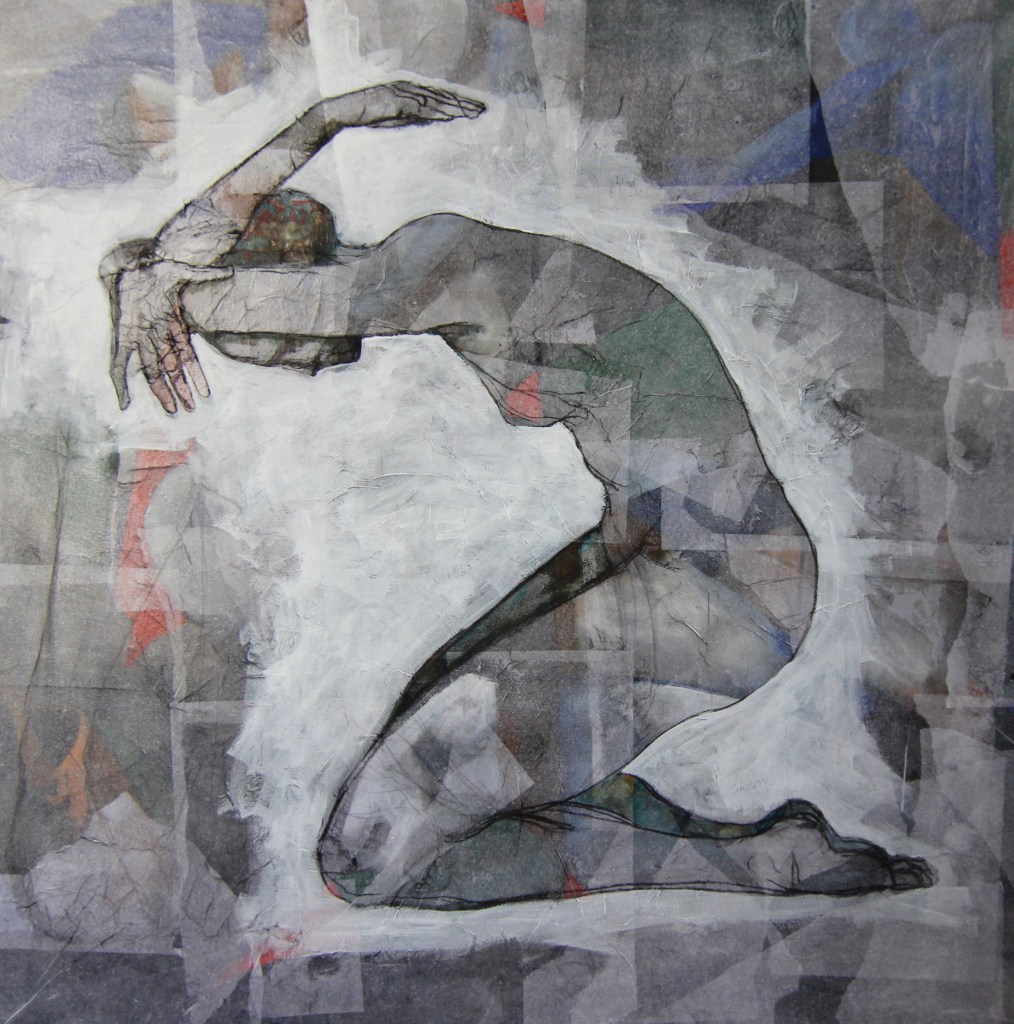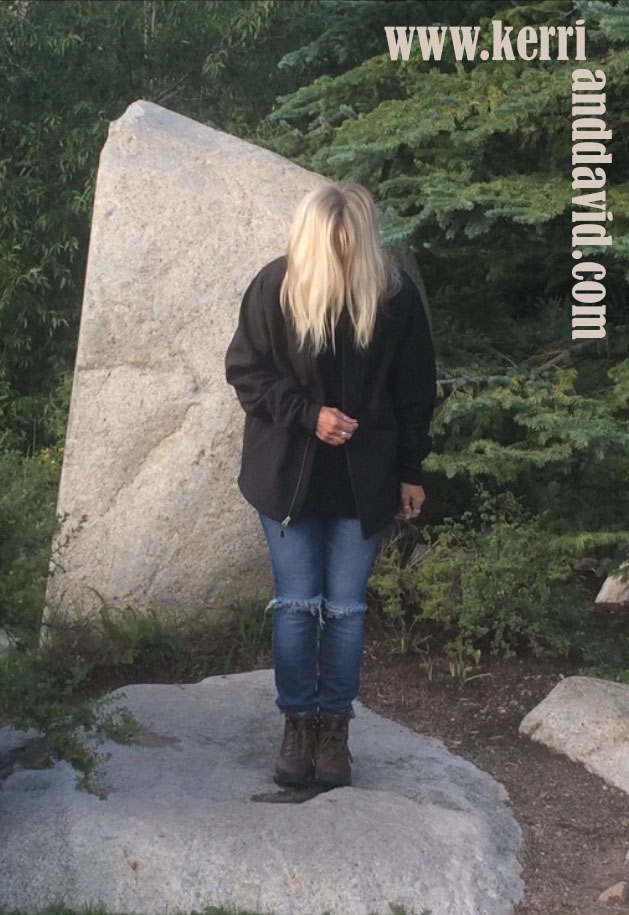
Jump Out Of Your Chair [on KS Friday]

If I want to think clearly – or clear my thinking – I walk. Sitting still has always been and continues to be an invitation for thought-log-jams. It was a problem when I was a student. Classrooms come with desks and an expectation that the learner will sit still. I became a master of the controlled wiggle, not because it broke the logjam but because it helped maintain my sanity. For me, sitting still is like a hair shirt with an itchy tag. Sitting still makes my IQ plummet several points. Sitting still interrupts my synapses.

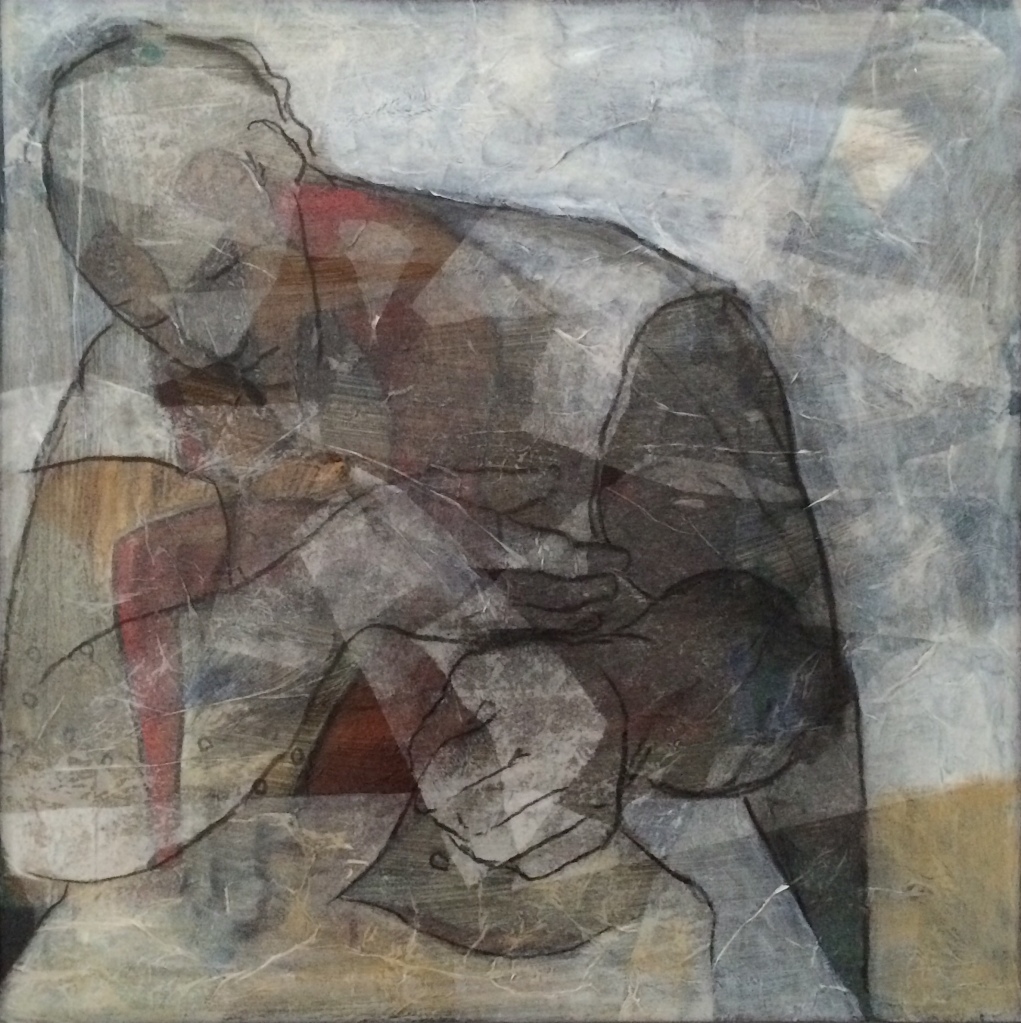
Tom Mck told me that the alternative schools were populated by artists. I intimately understood his observation. Artists need to move to think. They thrive in an alternative to still-sitting.

I’ve made sure that my work throughout my adulthood included movement. Directing plays. Painting big paintings. Facilitating workshops. Even as a teacher I cleared the room of desks. This morning I saw a headline in Forbes Magazine declaring that children learn more through play than through guided instruction. It was curious to me that this was a headline. Sugata Mitra’s been shouting the news for decades. Neil Postman spent his life reading the research and advocating for what the research implied: turn little people toward a passion and get out of the way. Curiosity and desire are an unbeatable team. They will move faster than you might imagine. Move, move, move. Dance. Paint. Sing. Construct. Act. Play. They will let you know when they need you.

I’m learning the lesson again. My work places me squarely in front of a computer for hours each day. Flow. Eddy. Logjam. Wiggle. Move. Sigh, as the synapses start firing up again. Repeat. At this advanced stage of earth-time, you’d think I’d have grasped the full understanding that, for me to be effective, I have to move around. Each morning I review the previous day’s work and immediately know whether or not I found a movement/sitting-still balance.

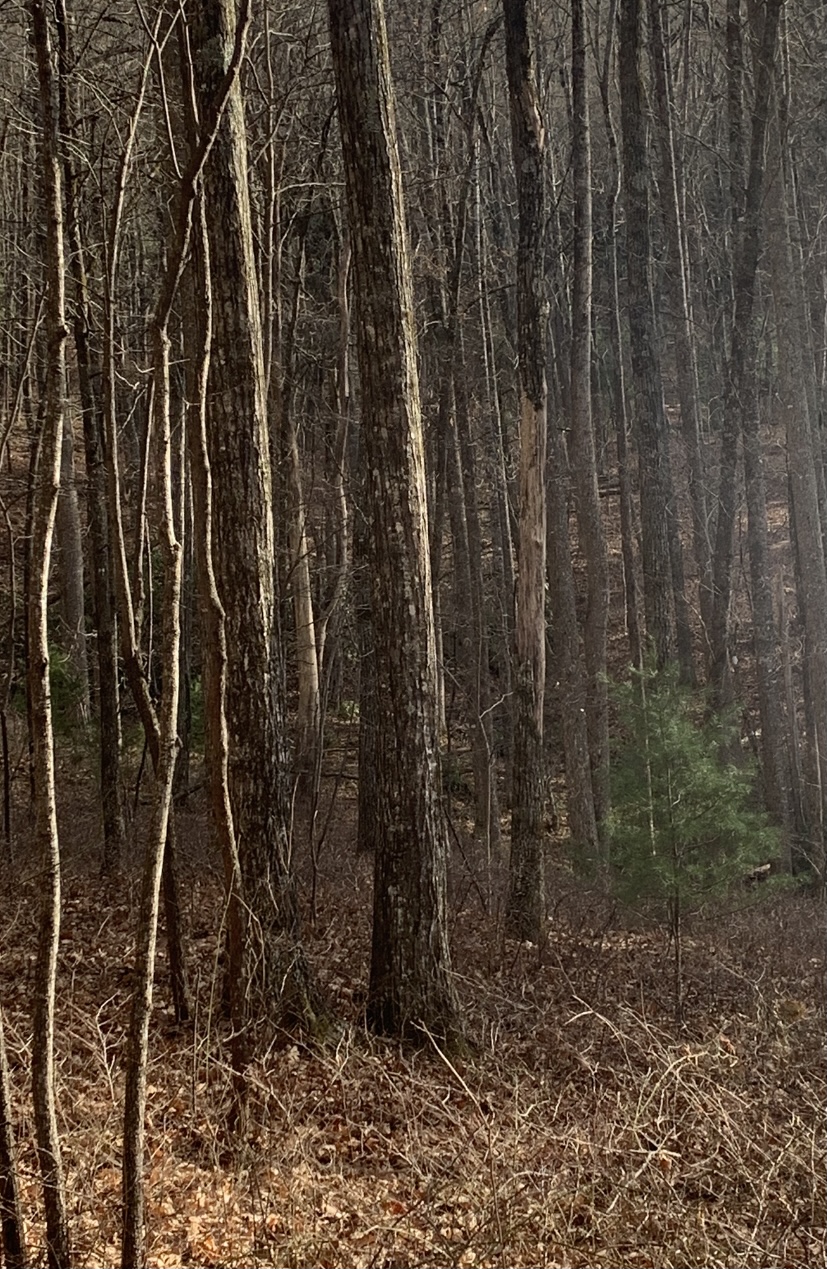
When we stepped on the trail and entered the woods in North Carolina, my mind was chock-full-of-thought-logs. Like everyone else, I stare at the screen and lose track of time. A day can pass me by and I never leave my swivel chair. I swivel for survival. For months, I’d been swiveling and forgetting to stand up and dance my ideas. Fifteen minutes into our hike, the jam broke free. My mind cleared. I could see the subtle landscape inside and outside. I breathed a deep breath. The forest was gorgeous. My mind was spacious and flowing! I resolved, once again, yet again, to attend to the necessity of movement that keeps my mind and heart flowing. Wiggling is maintenance, merely. Swiveling is not a solution. The real game, the full flow, is only available when I jump out of my chair and move-it.

read Kerri’s blog post about THE FOREST

Kerri’s albums are available on iTunes and streaming on Pandora
meander/as it is © 2004 kerri sherwood

Get Lost [on DR Thursday]

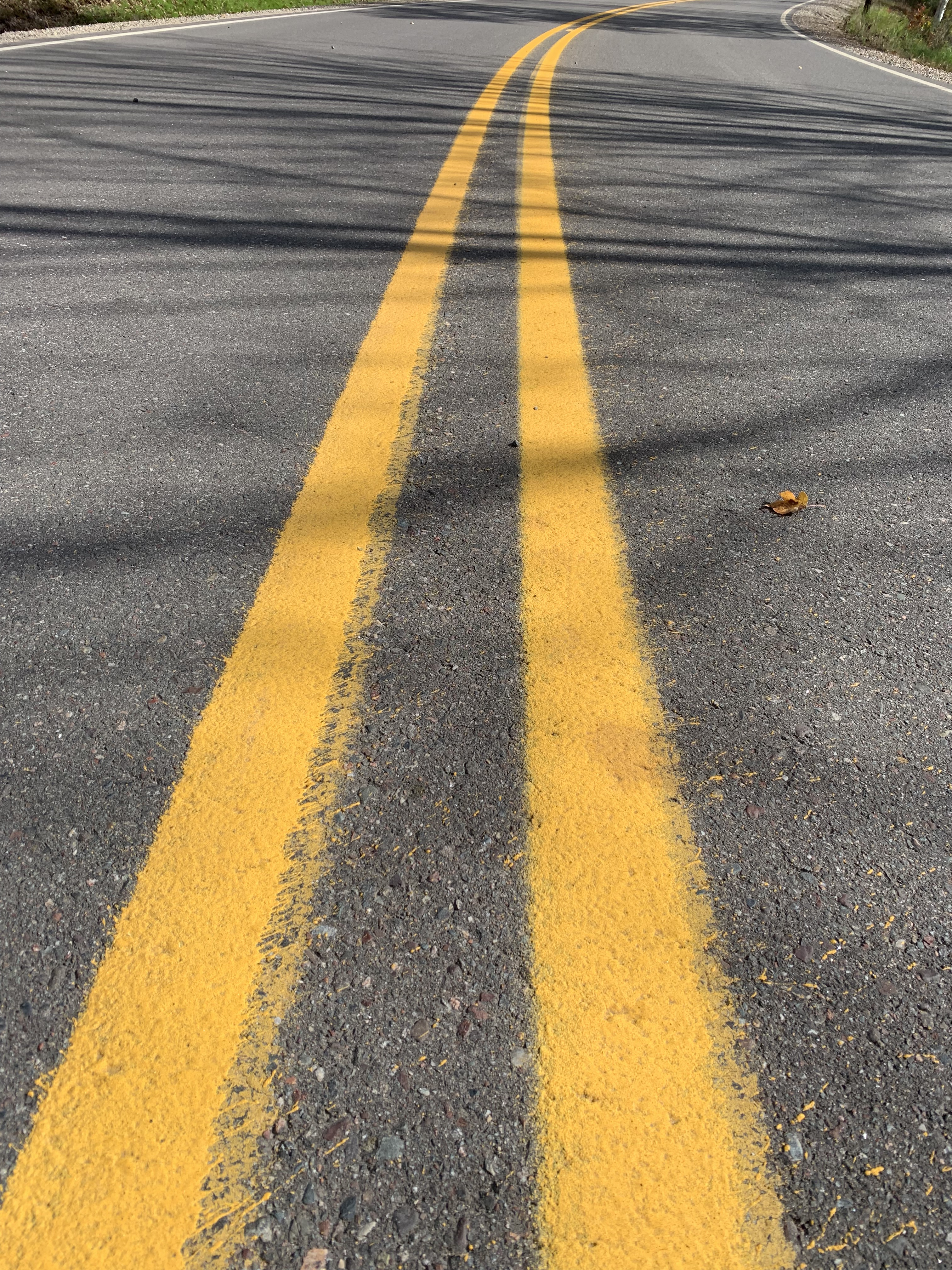
We delight in taking Sunday drives. Sometimes we have a destination but most of the time we have no idea where we are going. We head “out into the county,” the farm land, and with great intention, we get lost. “Left or right?” Kerri asks when we come to a crossroads. “Left.”

The goal is to “not know.” Drive down roads we’ve never experienced. There is a direct correlation between “not knowing” and “clear seeing.” When lost, we open our eyes. It’s something that every artist understands, “always-knowing-where-you’re-going” is a killer of the magic. It is the dividing line between art and craft.

I’m currently working with a team of analytical minds. “Lostness” is often interpreted as failure. It’s not welcome. But, to my great delight, even in the most analytic of creative processes, the engineers and entrepreneurs, shaking their fists at the sky when adrift, find their greatest magic arrives only after time spent wandering the wilderness.

After many twists and turns, rolling country roads and, “Which direction are we headed?”, we pop out of lostness and know exactly where we are. “Hey!” we laugh, “How did we get here?”

The art of getting lost. The art of exploration. The art of having an experience without a predetermined outcome. The art of having an outcome and letting it go, making space for something better. It is the art of cultivating surprise, allowing for the bigger idea to come through. “Left or right?”

It’s a practice. Learning-to-see and letting-go-of-needing “to know.” It’s the same thing. And, a great way to practice, is taking a nice Sunday drive.

read Kerri’s blog post about THE ROAD

pax © 2015 david robinson

Reach Purely [on Two Artists Tuesday]

“Art, as best practiced and understood over the centuries, is a spiritual as much as technical pursuit.” ~ Kent Nerburn, Dancing With The Gods

It was disconcerting. It still is. The illusion was so distinct that I had to show the book to Kerri and ask if she saw it, too. Each morning I read a few pages from Kent Nerburn’s book. This morning, in a chapter entitled The Divine Thread, I turned the page and a single paragraph, just a few sentences, was printed in a font twice the size as anything else on the page. I read it a few times since the author had given the section such obvious emphasis. After the I finished the chapter, I looked back to reread the oversized section – and it was printed in the same size font as everything else. It wasn’t emphasized at all. The shock of it made me dizzy.

“Art, however, does create this touch. It speaks in different voices, different rhythms, different languages. There is no place in the human heart it cannot reach.”

Paul taught his student-actors that they had an obligation to something greater. “When you choose to get on the stage, you have the power to impact other people’s lives. Do not take that responsibility lightly.” Your art, your creation, if purely intended, will reach the heart of another – purely. Even the loneliest painter knows the transcendence of the expansive energy that comes through in the moment of creation. Transcendence is all inclusive.

I have been humbled by the great artists I’ve known. Teachers, mentors, and others. I’ve been humbled by their humility. Tom, a brilliant director of plays and believer of possibility, influenced more artists than any person I know. He was tortured by the size and scope of his gift. At the end of his life, sitting before a fire in his cabin, he was, for a moment lost in thought. I watched his revelation come to the surface. He looked into his wine and said, “I think I did my best work when I was a just starting, when I was second grade teacher. It was pure imagination. I had no idea what I was doing. I just knew that we could have fun telling stories and going on adventures where our imaginations led us. It was pure.”

I met a few teachers who’d been second grade students in that classroom of long ago. They told me that year changed their lives. They touched his heart and he touched theirs. Shrunken heads and planning expeditions to the Amazon. Maps and budgets and “What do we need to bring to survive?” They spent weeks preparing for “blind day,” an exploration of the world through the full scope of senses. “What could we learn if we didn’t rely on our sight? What would we need to prepare to help each other?” he asked. Pure.

For our wedding, Julia made for us a small box with a Klimt’sThe Kiss” decoupaged on the lid. Inside, she placed a few Euros. A metaphor. Great love as a container for great adventure. We placed the box in our sitting room in a spot where we see it everyday.

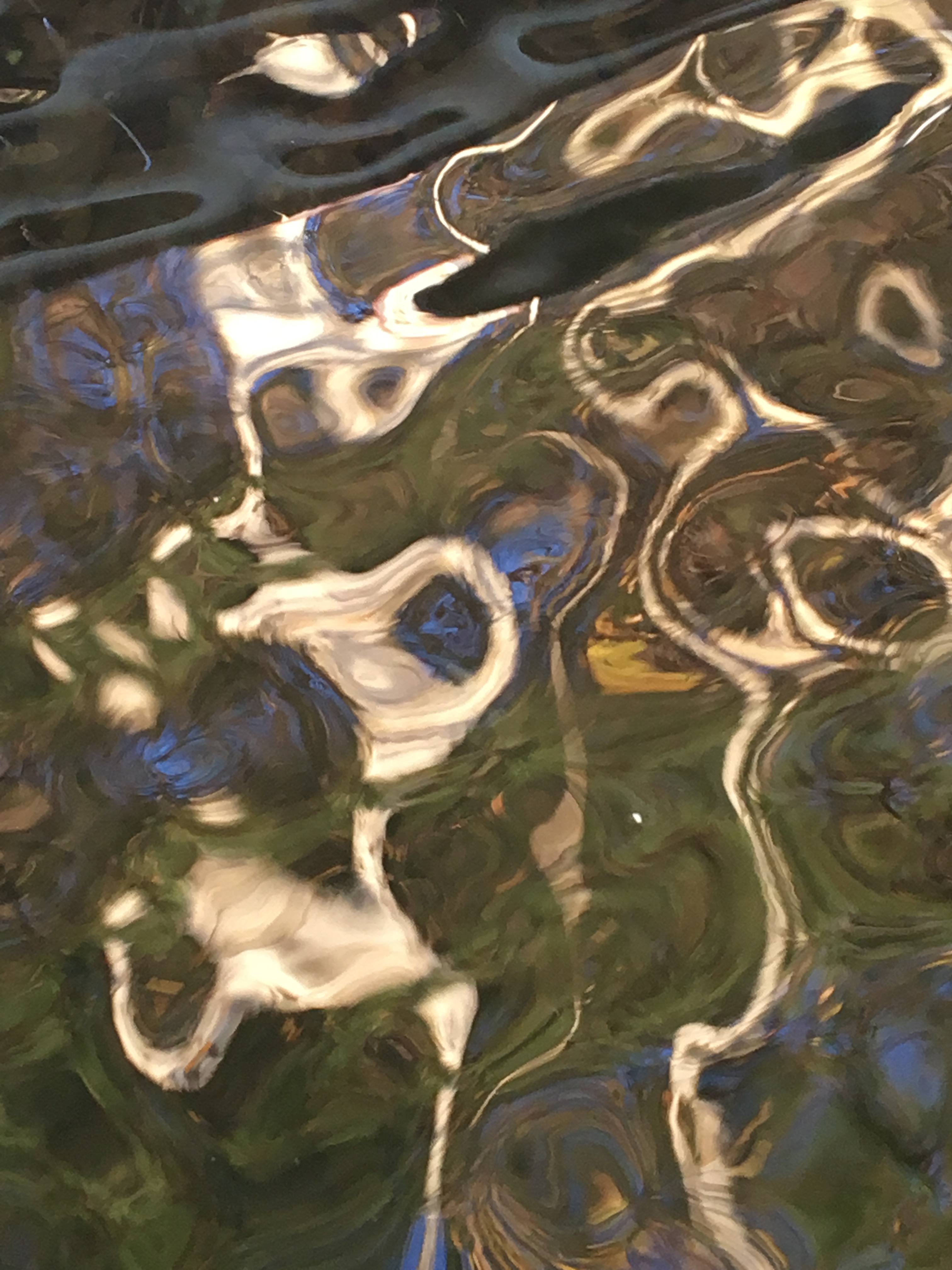
Kerri knelt on the dock to get this photograph of the water. “The color!” she gasped. Pull up an image of “The Kiss” – or any of Klimt’s paintings for a closer inspection and you’ll see this water pattern. Klimt might have painted it. He studied swirls in water, swimming color on the reflection of the surface. I’m certain of it.

Great love. Great adventure. Tom. Julia. Paul. Art that is pure. My head spins. There is no place in the human heart that art cannot reach.

read Kerri’s blog post about WATER

images of water © kerri sherwood 2021

Learn Where To Listen [on KS Friday]

“Her mother told her she could grow up to be anything she wanted to be so she grew up to be the strongest of the strong, the strangest of the strange, the wildest of the wild, the wolf leading wolves.” ~ Nikita Gill

A long time ago I wrote and illustrated a children’s book about a young fox who had extraordinary abilities. Her talents made her an outlier in the pack, something strange, so they hammered her into compliance. She buried her gifts. The story is, of course, how she came to embrace her gifts despite the court of fox-public opinion.

Lao Tzu wrote, “Care about what other people think of you and you will always be their prisoner.” It is a lesson that every artist must learn. Do your work. YOUR work. Some will love it. Some will hate it. Some will walk by without a second glance. You can never determine what another person sees or thinks so waste no energy in that fruitless cause. Do your work.

It’s a tough lesson, a mammoth paradox, since we are, after all, a pack animal, a social being. An artist has no reason to work if there is no audience or community to receive the work. Traditionally, artists live on the edge of the community so they can both see in and express what they see but also serve as a channel to what lies beyond the spiritual perimeter. The tightrope walk is about belonging while marginalized enough to remain clear-sighted. The artist must step back from the painting in order to see it.

I’m enjoying a slow read through Kent Nerburn‘s book, Dancing With The Gods: Reflections On Life And Art. Master Miller recommended it and I’m finding the simple wisdom of an artist-elder a refreshing daily meditation. Were I to write a sequel to my long-ago-children’s-book, it would be about this: coming back to your gift is not a one-and-done affair. It is a cycle. We embrace it and run from it and embrace it and lose it and find it and smother it and resurrect it and step back and look at it. Again and again. To become the strangest of the strange, the wildest of the wild, is not an achievement, an arrival platform, it is a relationship. Yes, with the community, but it is mostly a walk with your self and what lies beyond that spiritual perimeter. It is ongoing. Never static. Somedays you are the strongest of the strong. And, on other days, you are empty and weak. Full spectrum palette. The only way to know and reflect all of the colors of life is to experience them firsthand. And, so, it is imperative to learn where to listen, where to invest your tender care.

The gift grows as more colors enter the paint box.

read Kerri’s blogpost about HER MOTHER TOLD HER

Kerri’s albums are available in iTunes or streaming on Pandora

Lookit [on KS Friday]

“It was not that he had nothing to say, he just hadn’t realized that what he had to say was enough.” ~ Kent Nerburn, Dancing With The Gods

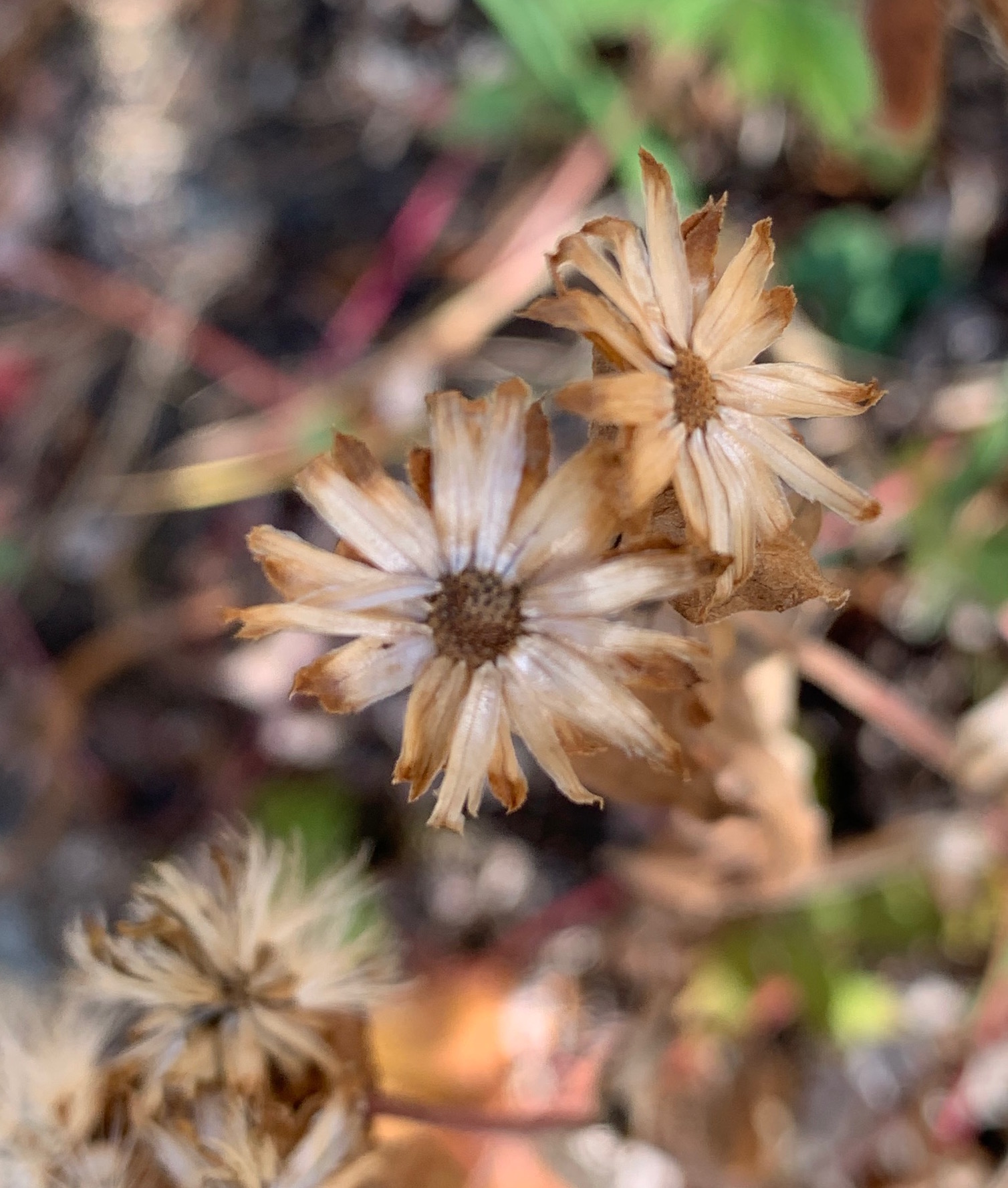
Kerri practices what Kent Nerburn calls “the art of close inspection.” When we are on the trail or in the backyard or in the kitchen, she’ll suddenly jump, grab her camera, and take a shot of some gorgeous detail. A reflection. A flower. A texture. I would have walked by without ever noticing. She sees detail. And, she is never off duty; she is always looking. Seeing.

I know her images are authentic – meaning that she is not trying to “make art” or make grand statements or be clever – because she is tickled by what she captures. “Lookit!” she exclaims as she shows me the image. Her delight is as pure as her eye-for-composition.

When I moved to Wisconsin and put my studio in the basement, she’d take photos of my paintings. Never the full painting, always a detail. It unnerved me a bit because the composition of her detail-image was always much better than my composition of the full painting. “Lookit!” she’d say, showing me the image. We called them “morsels.” I started studying her morsel-shots. My musician-wife was a secret master of visual composition and I had much to learn. She encouraged me to take photos of my works-in-progress as a way of standing back from the painting, as a way of seeing what my eyes could no longer see.

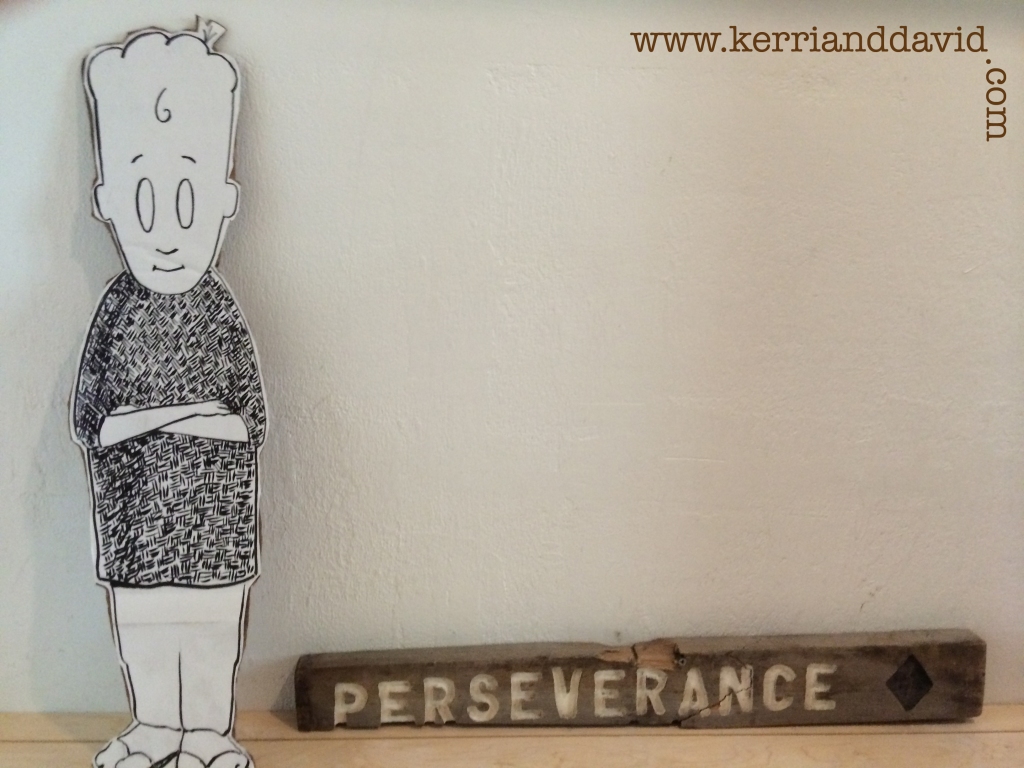
I’ve been drawing cartoons for months. This series is special because it is simple, pared down. How much expression can I capture in a simple line – in fact, in the fewest lines possible? The art of close inspection is having an impact on me. I’m getting paid to draw this series and am fully aware that they might never see the light of day. And, it simply does not matter. I love them. I know they are pure because, with each new cartoon, I race down the stairs (my drafting table is upstairs) and say, “Lookit!” as I hand them over to Kerri to finish them with her photoshop magic. After she performs her magic, she brings the computer to me and says, “Lookit!” and I smile. “Doyoulikeit?’ she asks.

“Ilikeit.”

read Kerri’s blog post about FALL FLOWERS

Kerri’s albums are available on iTunes or streaming on Pandora

you come to realize/this part of the journey © 1998 kerri sherwood

Compose [on DR Thursday]

Many years ago I attended a workshop facilitated by Sam, a brilliant landscape painter. I was delighted and amused when he demonstrated his technique. Rather than paint what he observed, he took great pleasure in rearranging the elements. He moved the trees, altered the hills, relocated the barn. He laughed while mixing up his elements. His eyes sparkled with mischief. Rather than a workshop on painting, the day became an exercise in joy-in-art. Seeing and playing with what we see.

This morning I read that the word ‘composition’ means “putting together.” Definers-of-art-terms associate composition with freedom. “The artist has freedom when choosing the composition of their artwork.” It is a mistake to believe that compositional freedom is the sole province of an artist. If the mind is a canvas then thought is a composition. It is patterned and composed. Arranged and rearranged. We choose where we place our focus. Point-of-view is cultivated, it is not a default setting. We design the story-we-tell-ourselves-about-ourselves. And, then we project it onto the world.

The trick in both art and thought composition is not to wear ruts in the road. Sam was joyful in his art because he was constantly challenging and engaging with what he saw. Art was fun, not morbid tradition. Art was delight-full, not rule-bound or laden with the pressure to capture. Recall that stepping out of the rut was the first lesson in Julia Cameron’s The Artist’s Way. Morning pages and artist’s dates are meant to both see the ruts and open new paths. The same process applies to the thought-canvas. See the rut. Step out of it.

As Sam taught me so many years ago, seeing and playing with what we see begins with letting go of what we think we see. It begins with a blank canvas, an unfettered mind, and the freedom to choose the composition.

read Kerri’s blog post about COMPOSITION

Unfettered ©️ 2018 david robinson

Find It [on DR Thursday]

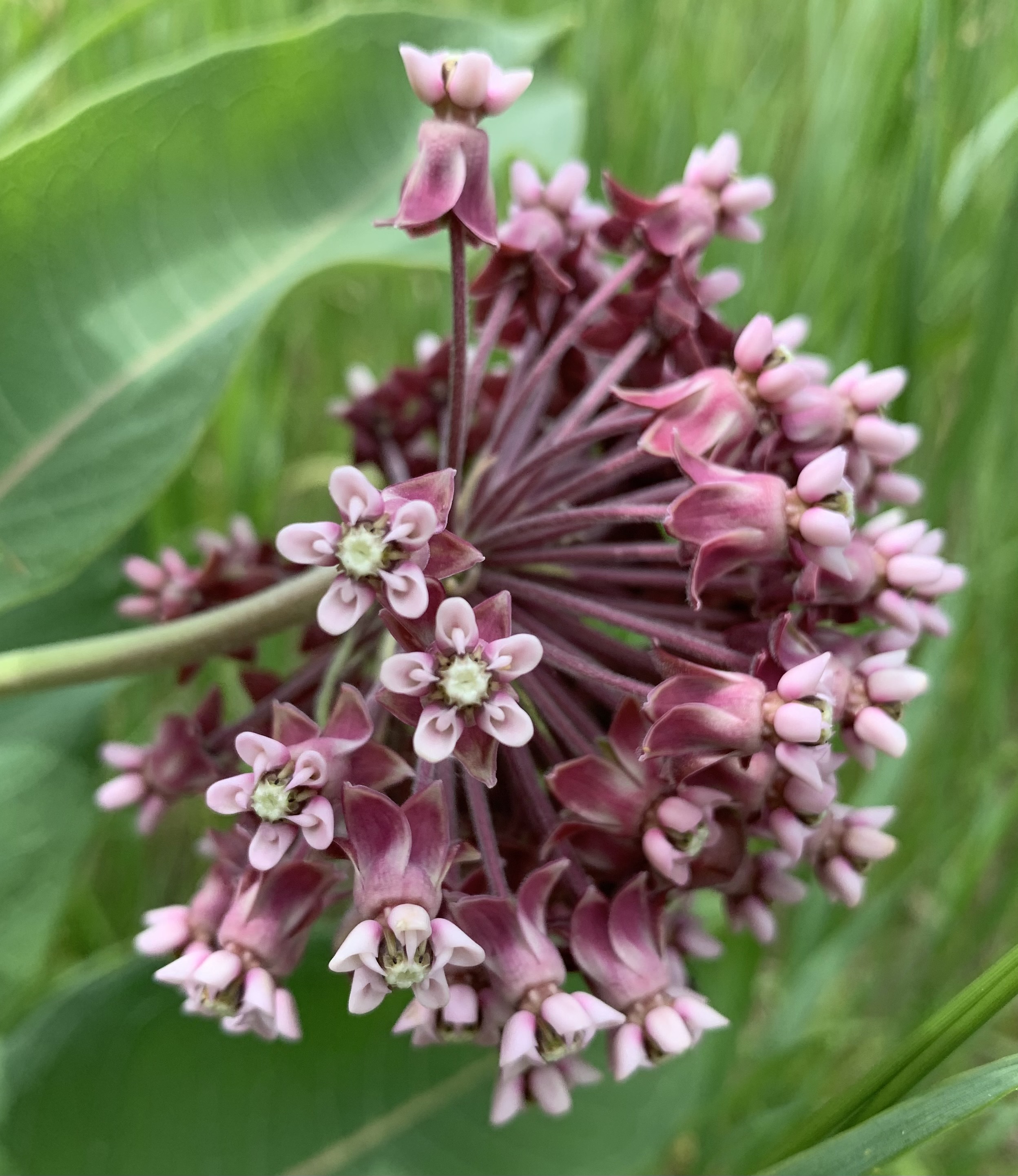
Although it probably does not appear this way to you, this photograph is the road back to my easel. It was an immediate inspiration. Kerri did not intend for it to spark the cold coals of my artistic fire, but it did. It was immediate. I couldn’t stop staring at it.

This painting is called Joy. Look at the floral shapes and lines both within and around the figure:

Joy, mixed media, 50x56IN

Many of my paintings of the past several years are floral wonderlands. They infuse the figures, they are bouncing balls of symbolic trees and oversized shrubbery. They remind me to have fun. To play and experiment. I must have forgotten all of that or turned away.

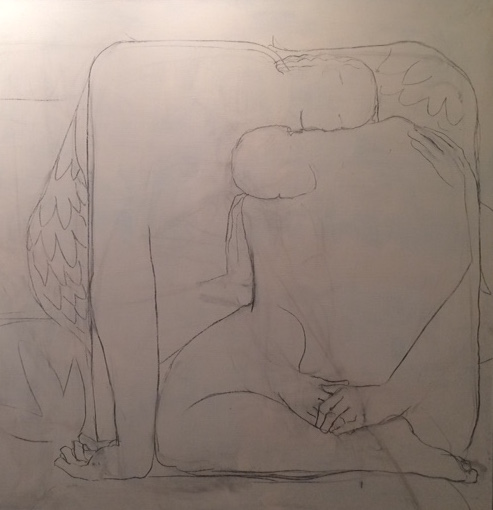
I hit a wall when I painted my red mess. It’s been on my easel for months. Beneath the red mess, the painting that I’d originally sketched on the canvas, is this:

I think I’d had too much of despair-and-comfort and needed to explode my themes. Thus, the red mess.

When Kerri showed me her photograph of tiny pink flowers, I saw the painting, this painting, complete in my imagination. Not despairing, but vibrant and subtle, alive with those amazing floral shapes, five-petal-bursts of life. Contemporary. Huge. Broad strokes. Almost a sculpture.

There is a story from Plato’s Symposium that I’m using as the basis for my script revision for The Creatures of Prometheus , the original human, cleaved by the gods because it was too powerful, searching through life to find its other half. This painting is (or will be) about the search for love, the transcendence of separation. Finding.

And, as you know, once it lives in the imagination, all that remains is the volition to get there.

read Kerri’s blog post about PINK FLOWERS

joy ©️ 2014 david robinson

Step Across [on Two Artists Tuesday]

We just spent a few minutes looking at the Melange archive. This is week 177. One of the gifts of blogging-your-random-thoughts-five-days-a-week is that people write back. A particular post hits a nerve. Agreements and disagreements. My story invites your story and, occasionally, you share the details. Lydia knows that I am in an artistic dry spell so she is sending me inspiration and encouragement. I could not be more grateful.

We keep a running count of the countries that show up in our analytics. 72 to date. “Who do we know in Pakistan?” Kerri asks. We take delight in the thinnest threads of relationship that are now woven through our story: if Alex in Malta doesn’t “like” one of my posts by day’s end I worry about Alex in Malta. Or, I wonder if what I wrote was substandard. The same goes with Dwight – but I know Dwight – and can hear his mighty laughter in my head. I’m glad his laughter is so deeply ingrained in my being. If he doesn’t “like” a post, it’s a sure bet that he’s helping someone in trouble and can’t be bothered to read at the moment.

Kerri and I sit next to each other when we write. The rule is that we can’t peek. We start with the same prompt and write whatever bubbles to the top. Sometimes it is remarkably similar. Sometimes it is a different universe entirely. And then, we read to each other. And talk. She always begins her reading with a disclaimer. I always need a bit of editing. When I read to her, she holds up a finger with each misspelling or grammatical gaffe, so she can remember how many corrections need to be made. Occasionally I make it through an entire reading with no fingers.

When I imagine my perfect life it has, at its center, a long table where we gather together and share meals and stories. It occurred to me a few weeks ago that I have, in metaphor, created my long table. MM sends stories and connected thoughts, Judy affirms, Horatio lets me know when a thought lands in his court. Each painting, each post, each composition, each cartoon that we create, is an invitation to come to the table.

Looking out to look in. Looking in to reach out. An artist’s life is nothing more than stepping across separations. I am fortunate to have so many helping me step. I am fortunate to have so many bringing their thoughts and hearts to the table.

When Kerri first showed me this photograph, I didn’t see the ladybug. I was thrown into a memory. Kit Peak observatory, looking through the eyepiece of a telescope into a star cluster. I never felt so small yet so connected. Her photograph evoked the same feeling. The flower seen up close is a radiant sun. The image almost knocked me over. And then, there was a ladybug. An explorer. So small, so big. Riding the petal, surfing the radiant light.

It’s enough to make me want to write.

read Kerri’s blog post about LADYBUGS

Do What They Do [on DR Thursday]

I’ve posted this painting more than any other in my stacks.

Some paintings serve as markers for new directions. This painting is one of those. What came before this painting was suddenly old. What came after was an exciting unknown path. Exploration and play. Big mistakes and messes followed by understanding. Materials can only be pushed so far. Bodies and shapes reveling in negative and positive space.

When I met Kerri, this painting did not have a name. I called it #7 in my yoga series. She called it “Iconic” and the name stuck. I liked the name. It seemed appropriate. An icon is a symbol. Something worthy of veneration.

Now, over ten years later, this icon, once the harbinger of the new, serves as the hallmark of what was.

I delight in this painting, Iconic. It is one of the few. And, although I am grateful for where it led me, I’ve come to realize that it no longer serves to locate me, except in a past chapter, like a yearbook photo.

Letting go. It is why I stand in my studio – I can’t even sit there of late – and look at the mess on canvas that sits untouched on my easel these many months. Somewhere, after this mishmash phase, somewhere, beyond the chaos and disorder and wiping away, there will emerge another marker. An icon. A compass.

Although I’ve written it many times in these past few months, it’s way past time that I admit – to myself – that I am, once again, in the wilderness. Someone once told me that we go to the wilderness to face our demons and find our gods. That seems a bit dramatic. Demons and gods are one and the same, like positive and negative space or comedy and tragedy. The lesson is always the same: stop taking yourself so seriously and the oppositions, the demons and gods, will stop pulling you apart.

Find a child and watch them play with paint. Do that. Do what they do. The wilderness is rich in sustenance if you know where to look.

Someday, in the midst of being lost, I’ll make an accidental mark that jolts me. I’ll turn it around, asking, “What’s this?” A new direction will emerge.

Read Kerri’s blog post about ICONIC

iconic ©️ 2010 david robinson

Set It Free [on DR Thursday]

Horatio told me that, according to the happiness index, the good folks in Iceland sit atop the happiness-mountain. One reason, he explained, is that they’ve removed failure from their national equation. They cheer the effort, not the outcome.

Removing failure from the equation is the main ingredient for fun and success in all arenas, especially the arts. It is impossible to learn color theory without making some extraordinary messes. Ask a dancer how many times they tried and fell before they made that astounding leap look easy. Throw many pots and, over time, mastery will come – and mastery is nothing more than the understanding that there is no such thing as failure. It is the feel and touch of a long relationship with clay that can only come from not being afraid to throw it, to see what happens if…

Sometimes, no matter how hard I struggle with it or adjust it, a painting just isn’t working. Usually it doesn’t work because I’ve forgotten the rule about failure-removal. My brush is too timid. My brain is in the way. And yet, sometimes, in the middle of a painting that isn’t working, there is a small piece, the actual inspiration for the painting, that isn’t stilted, that remains alive and free of my fear. It’s easy to see. It captivates my eye, a warm island in the middle of a frozen sea. Every so often, rather than paint over the whole thing, I’ll lift the island, cut it out, set it free from it’s too-labored surroundings.

“Brutal,” Kerri said. “I liked that painting.”

“I’ll do another,” I replied. And maybe, I thought, another and another and another. Who knows, learning to cheer the effort takes some not-so-serious practice. It’s the only road back to the freedom of finger painting and the joy of playing in the sand.

Beautiful K.Dot, 12 x 9IN, mixed media

read Kerri’s blog post about CUT OUT

beautiful k.dot ©️ 2021 david robinson