What Took You So Long [David’s blog on Merely A Thought Monday]

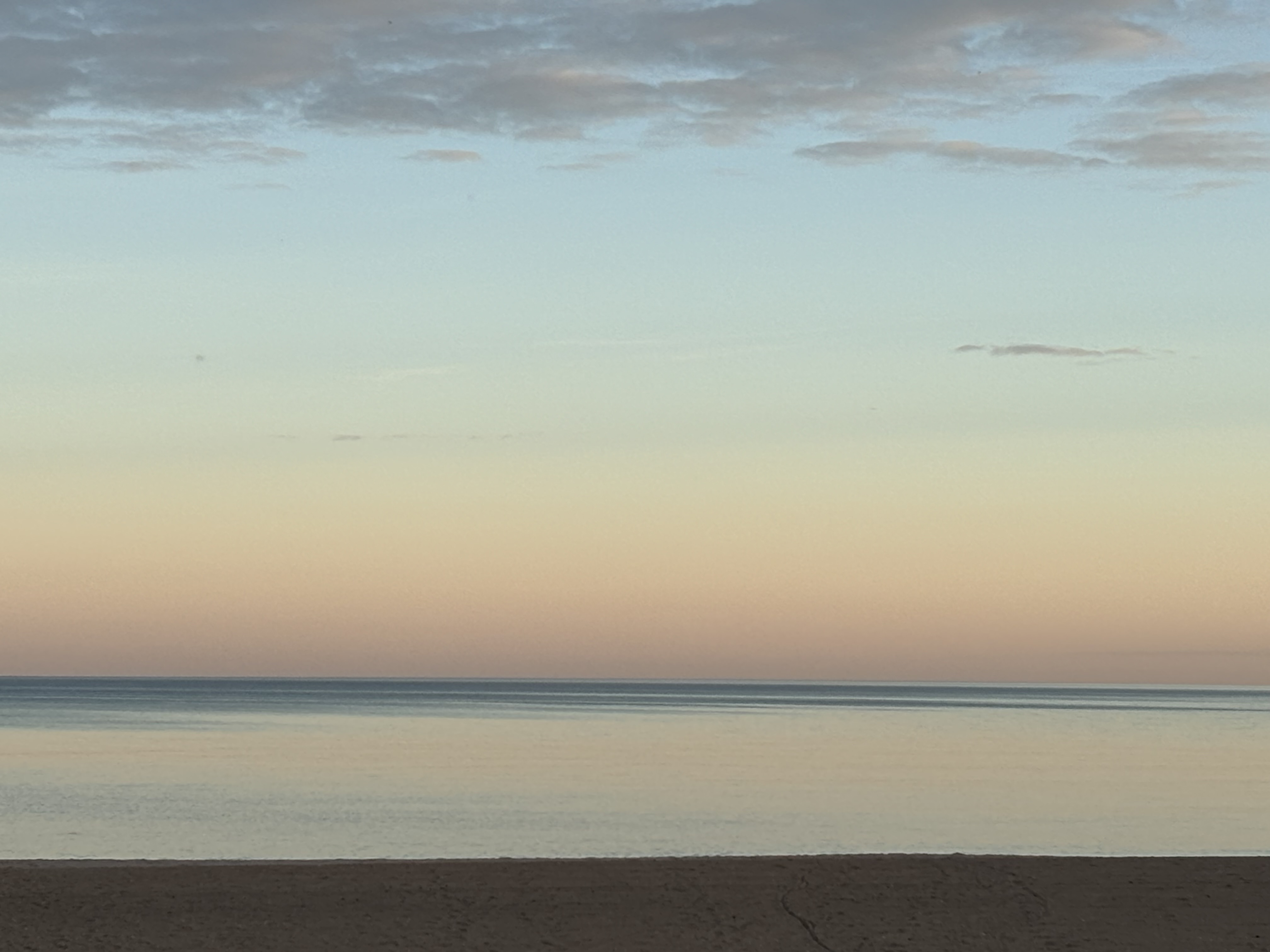
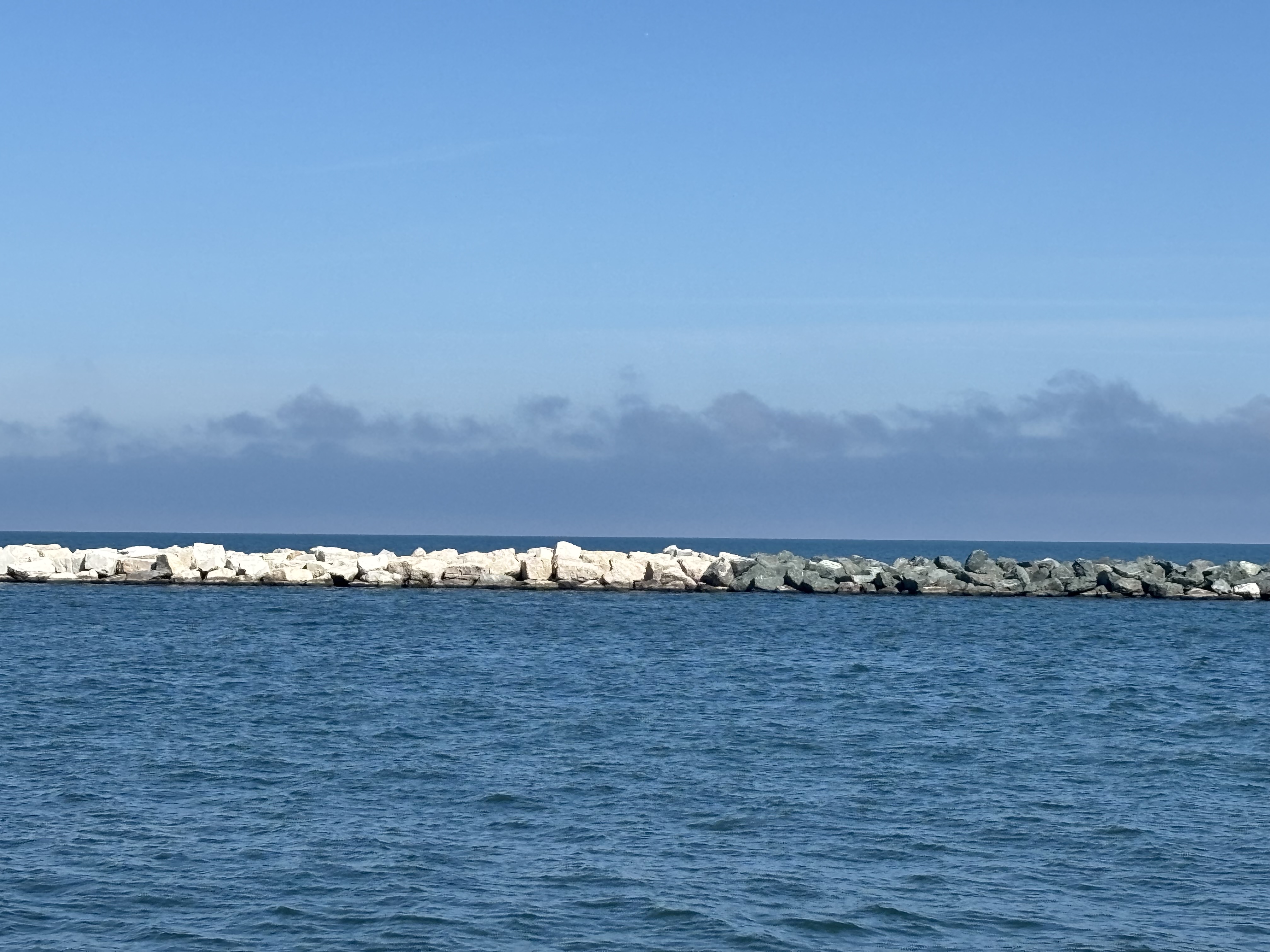
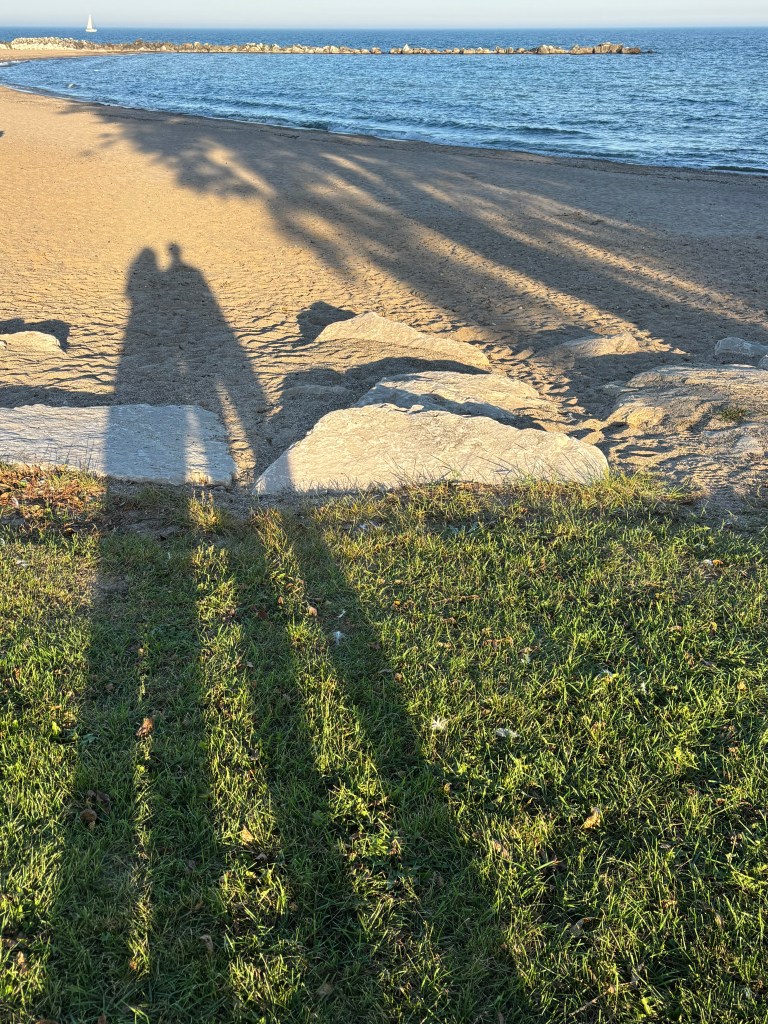
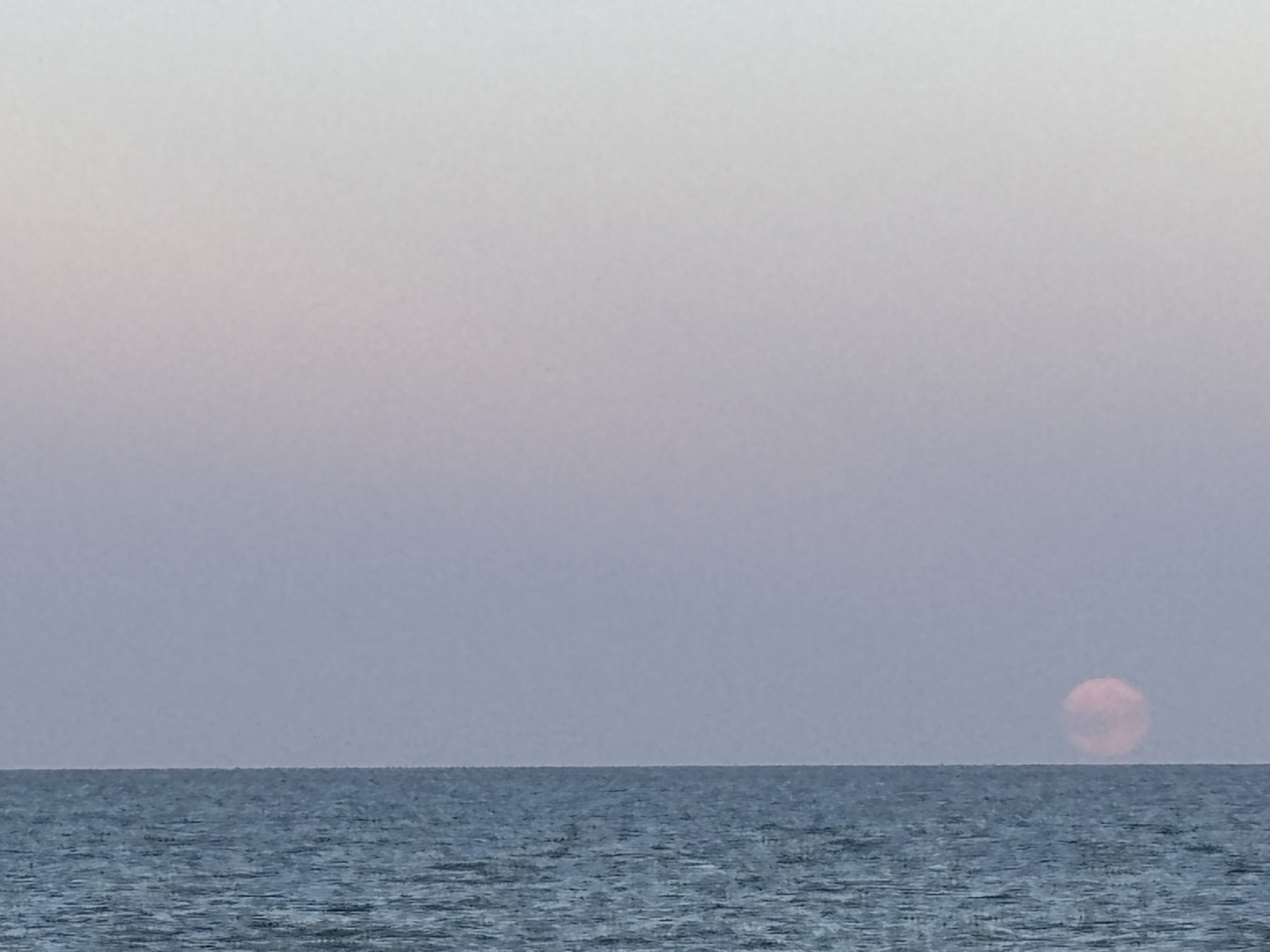
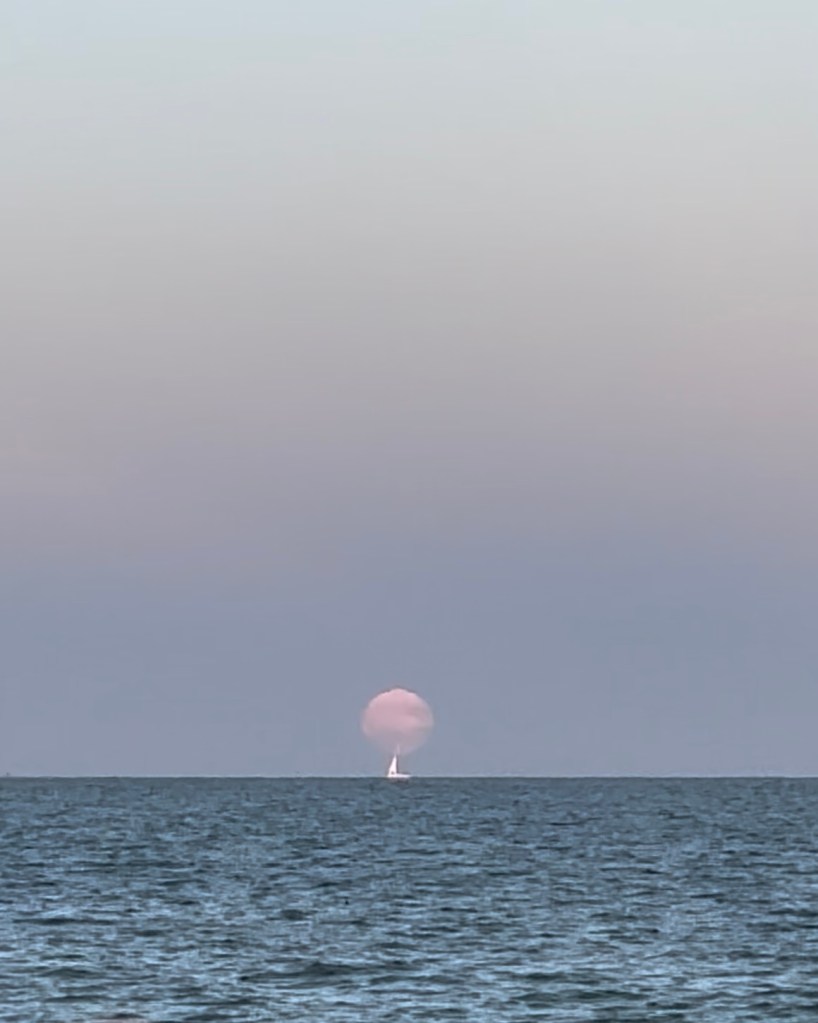
Isn’t it the most human of things, to look at a horizon and wonder what’s over there? Who doesn’t look at the calendar and wonder what tomorrow will bring? Isn’t that the point of celebrating the New Year? Casting hope upon the water. Intending to knock items off the bucket list? Make a real commitment to run at the dream?

And…isn’t that also the very thing that keeps people locked in their routine? The fear of what might happen? The fear of what’s over there. The conservative impulse meets the progressive impulse. To walk at the horizon is to welcome change, to take a step toward the unknown.

What is the necessary bridge between wishful thinking and taking the first step toward change? The word, “possibility” is a cousin of the word, “unknown”. It cannot be a possibility if it is already in hand. What is necessary to transform the scary unknown into the optimistic possibility? What moment, what insight is required to stir resistance into aspiration into action?

I’ve written about this before. It is a life lesson so I revisit it from time-to-time. Once I stood on a cliff above a river, my friends in the water 70 feet below calling out, “Just do it! Jump!” I was terrified. Afraid of heights I climbed up the cliff to challenge myself. Once at the top my fear took over. My knees would not hold my weight. My friends became impatient, “Come on, we’re cold!” they shouted. I could not climb down. I could not step off the edge. I was frozen in place. And then, I heard this wisdom whispered into my ear: “If you put as much energy into jumping as you are into telling yourself that you are afraid, you would have jumped by now.” I stepped to the edge and jumped.

I remember nothing of the way down. I remember bobbing to the surface, my friends laughing, “Finally!” the cheered, “What took you so long?”

I am still afraid of heights. I am still afraid of many things. But I now have in my pocket a wisdom that helps when I am frozen: If you put as much energy into jumping…”

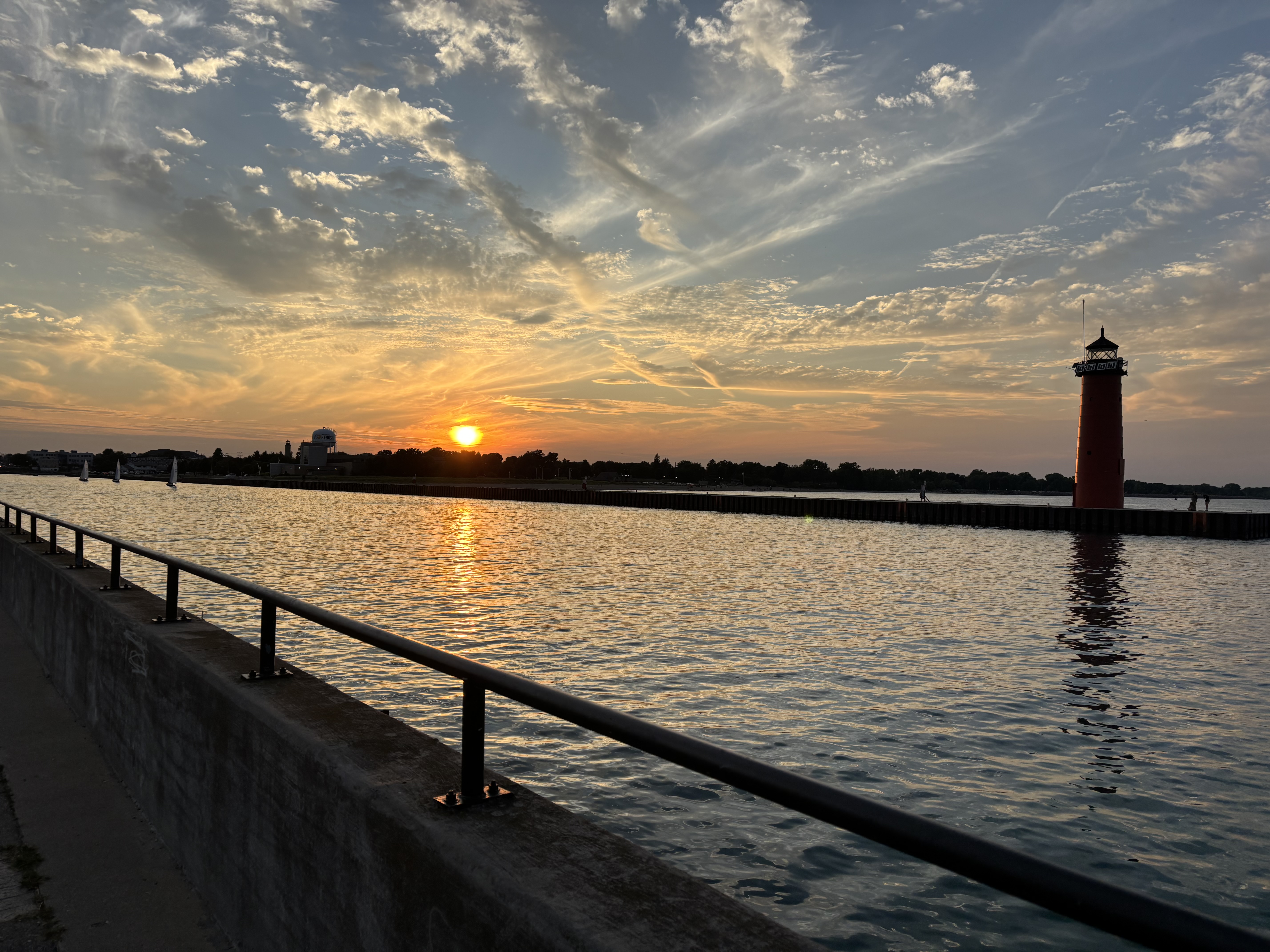
Lately I think about that leap everyday. As a nation we are standing on a cliff. We are less than 3 months to the most important vote of our lifetimes. The conservatives would have us filled with fear. They would have us sit on the cliff face and quake while they dismantle our democracy. They fill our streets with ICE in an attempt to purge us of our rich diversity. They paint our neighbors as enemies and rip choice from women. They pull out old boogeymen phrases like “communism” so we might point our bile at each other – a mechanism to keep us on the cliff face.

Voting is an action. We can vote for fear. We can vote for possibility. Our choice in November boils down to vote for one-party authoritarianism and ignore rampant corruption, or to reaffirm our democracy, a two-party system with accountability and checks on power baked into the design.

Democracy has always been – and always will be – an aspiration. It is not an achievement. It is an ongoing relationship between the people of the nation and possibilities that they pursue. One day, when we once again walk at the horizon of unequivocal equality-for-all – when we have finally-and-at-last purged the authoritarian impulse, the white supremacists and oligarchs who would have us cling to fear, surrender our volition, betray our rights and turn away from progress toward the ideal – one day we will ask ourselves, “What took us so long?”

read Kerri’s blogpost about WHAT COMES NEXT

likesharecommentsupportthankyou!

Our Roots [David’s blog on KS Friday]

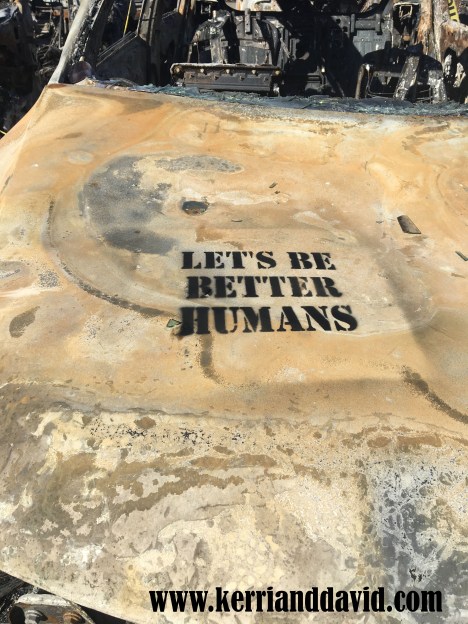
Kerri snapped this morning. “How can they support this…cruelty!” she cried. “They” are among those we call family who adamantly embrace the inhumanity of the current administration; those who vote for the cowardice of the republican congress, the enablers of the ruthlessness and corruption. Those who consider themselves righteous.

“Clocks, for some reason or other, always seem to be marching, and armies never march to anything but doom.” ~ Alan Watts via The Marginalian

This was the sentence I was reading when she snapped. I admit that I grew irritated. This is a conversation we’ve now had a thousand times and I was not ready to have it yet again. It is a conversation that only marches to doom. Loss. I suppose it’s like grieving a death; it’s not one-and-done. We lose people in pieces, again and again and again. Sometimes the grief jumps out of the forest. An ambush. Kerri was waylaid this morning.

Every story needs an antagonist. How painful and confusing is it when the antagonist captures the heart and mind of someone you love? “How can they support this…cruelty!” she cried. In the previous nine hundred loops through this despair I’ve found flimsy justifications: “They are in the Fox News bubble,” I say, or, “They don’t really know what they are supporting because they are being told that you and I are the enemy.” I gave that up a hundred loops ago. I have no more excuses to make or rationales to offer. Those are the tools of the third child, the peacekeeper-at-all-cost.

There is no excuse. There is no rationale. There is no common ground here. The word “family” has crumbled. We distance ourselves because we want nothing to do with this level of depravity, this dedicated ignorance.

When I was in my twenties I placed the Rocky Mountains between me and my family. I had to know who I was separate from them. My mental, physical and spiritual health required distance and disconnection from dysfunction as the only route to know myself as healthy. My Rocky Mountain Rule was life-saving but required a great deal of grief. I spent hours staring into the ocean. I spent years walking the shores of The Puget Sound.

“I think this is why I love the ocean. It’s the most difficult part of nature to mess up with emblems and symptoms of man’s dissociated consciousness. It’s an environment in which the awareness of our roots can awaken, in which space (so real because of the light and color) can be seen to be joining things instead of separating them.” ~ Alan Watts

Kerri is experiencing her version of The Rocky Mountain Rule, as are many, many, many people across this nation. In separating themselves out, they are finding themselves, joining themselves. In distancing herself from this level of depravity, in placing a metaphoric mountain range between her and those who share ancestral blood, she is finding and affirming the very essence of what she believes.

In arriving unequivocally at, “I am not that,” one steps solidly onto unambiguous ground of self-actualization, “This is what I believe.” And there is no going back over the mountain. The cry, “How can they support this cruelty!” is not about “them” at all. It is a cry of love as a north star, a rejection of institutionalized hate. It is a cry of humanity refusing to enable the selfish inhumane. It is a cry filled with the grief of loss, and the utterly profound recognition of the inseparable nature of moral conscience. It is empathy that cannot ignore the pain currently being gleefully inflicted upon others. Their pain is her pain. Her pain is their pain. A joining, “…the awareness of our roots.”

LEGACY on the album RELEASED FROM THE HEART © 1995 Kerri Sherwood

Kerri’s legacy is available on iTunes and streaming on Pandora

read Kerri’s blogpost about FAMILY

likesharecommentsupportthankyou!

Weird Sh*t [David’s blog on DR Thursday]

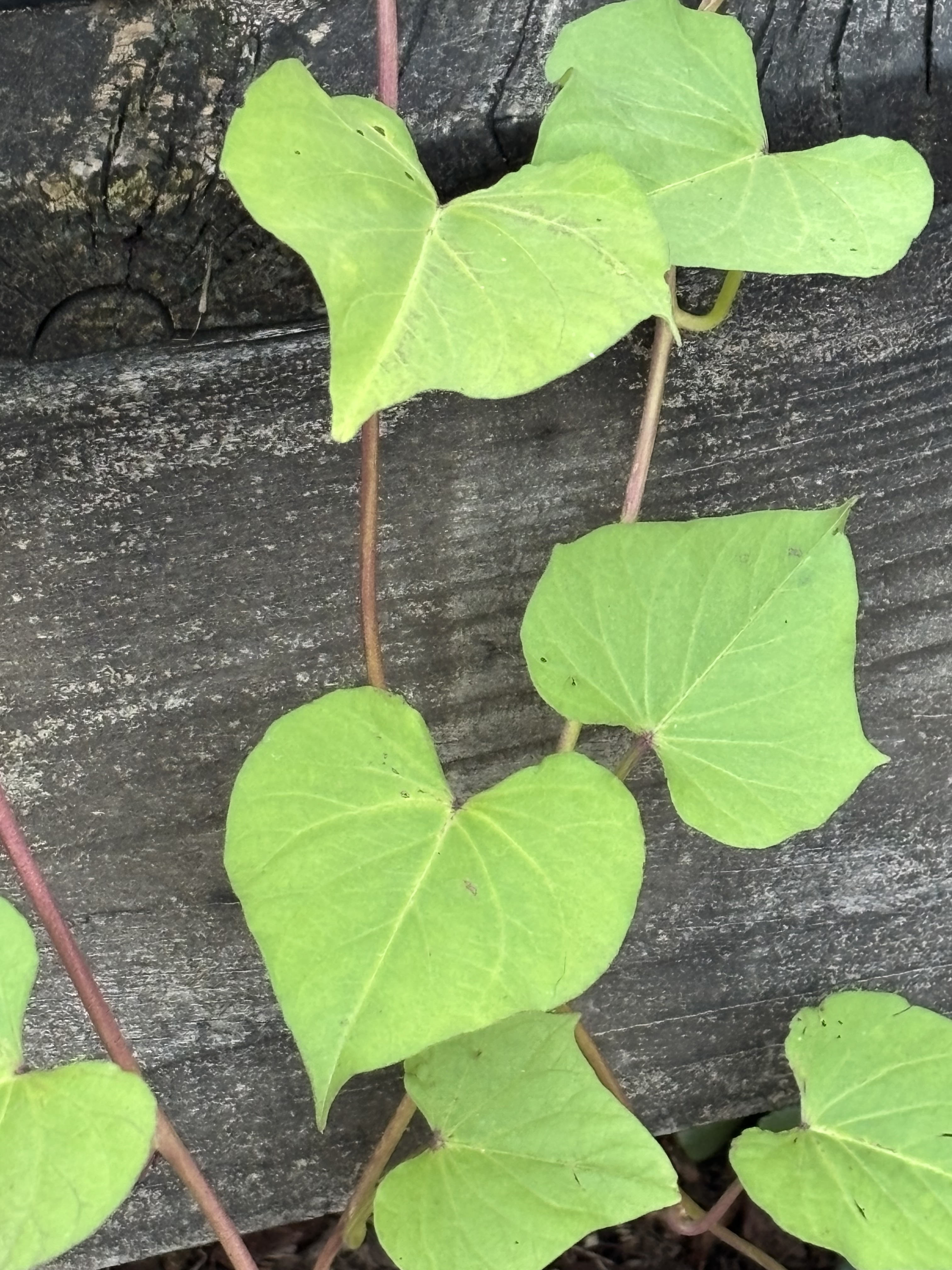
Two weeks ago we popped a sweet potato into some soil. Today its vines reach nearly halfway across the deck. The message is clear: don’t sit still next to the sweet potato plant if you value your freedom. We don’t think it is a carnivore but neither of us is willing to test the theory.

Over the years we’ve developed a shorthand phrase, a catchall for the unexplainable stuff of life. Our phrase is a leveler, a way of making the edges less edgy. For instance, after a particularly harrowing medical emergency, Kerri looked at me, knowing I was scared, and said, “Weird sh*t.” I laughed. My blood pressure dropped several floors. Suddenly, the unknown, the terrifying, the mind-run-amok-with-fear had a solid anchor. A simple explanation. Nothing to worry about, it’s just more weird sh*t.

It’s a phrase that comes in handy with the news of the day, the family zoo, the unexpected stuff of life, and the sweet potato plant that is rapidly entwining the house. “What do you think of that?” I ask, amazed at the plant reaching for my feet.

“Weird sh*t,” Kerri says, stepping back.

And with that pronouncement, the unexplainable is explained. Sense is temporarily restored and we allow ourselves to believe that all is right with the world.

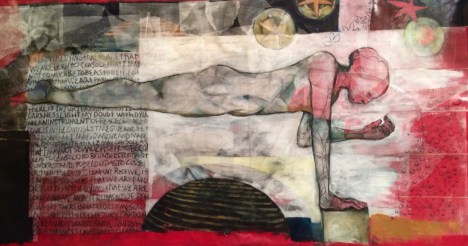
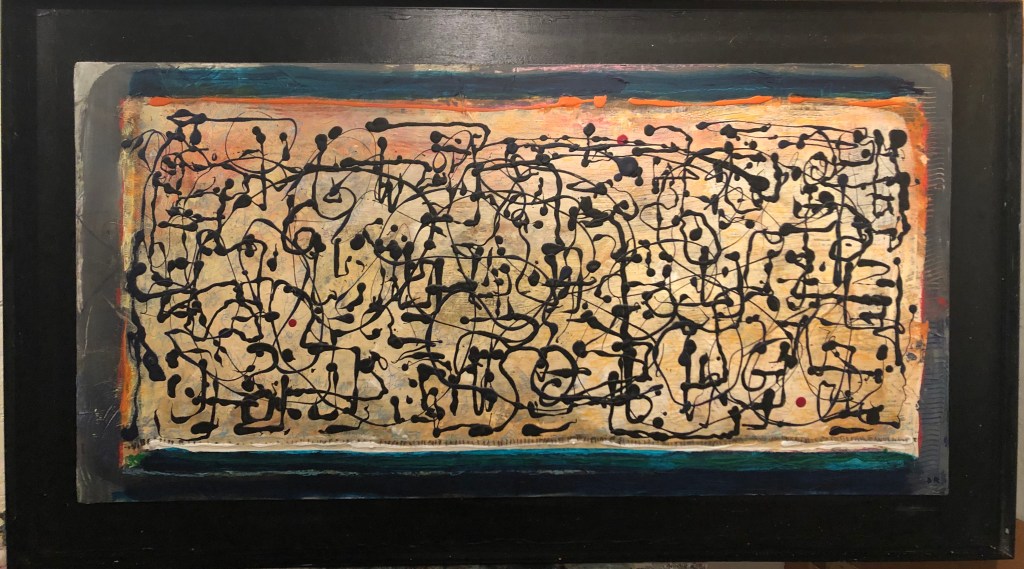
from the Logos series, 23″x32″ acrylic on hardboard

read Kerri’s blogpost about SWEET POTATO VINE

likesharecommentsupportthankyou!

What We Carry [David’s blog on Not So Flawed Wednesday]

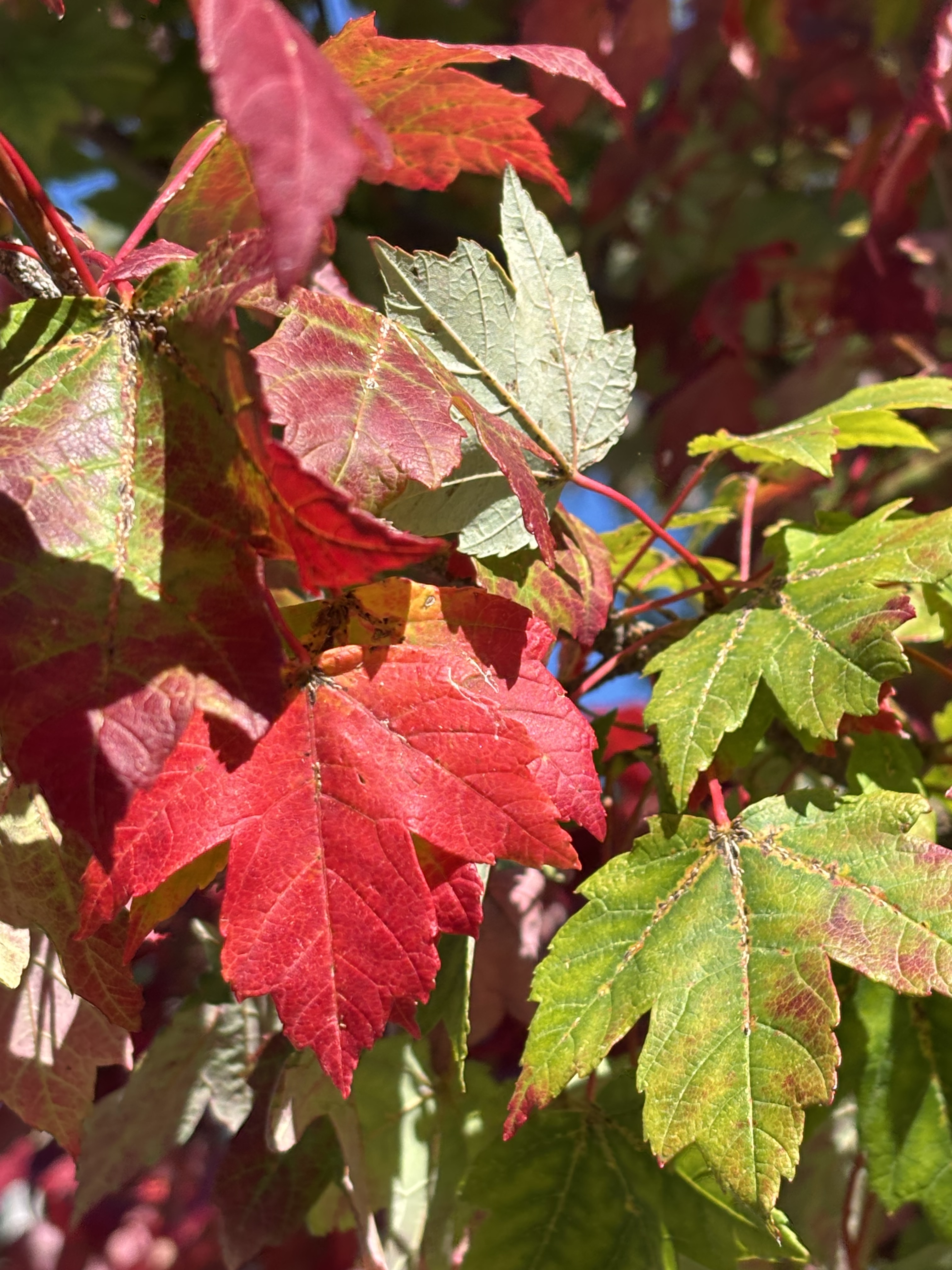
Purples and greens, secondary colors on the color wheel, accented with pops of vivid red, a primary color on the wheel. It is a brilliant study of contrast principle. The arrangement of opposites creates visual interest, dynamic, and focus. In other words, beauty. Remove the diversity of color and world is rendered bland.

The same principle applies to ingenuity. To the generation of ideas. To entrepreneurship. To good governance. Remove the contrasting ideas and the world is rendered insipid. It is a paradox: originality is a collision of a diversity of ideas and influences. Creativity requires an ancestry of imagination, a community of influence to stoke the fire in the artistic forge.

To all the white christian nationalists out there who would scrub this nation of color, keep this in mind: uniformity is by definition unchanging. In nature, the absence of diversity is a guaranteed wasteland. Only a wasted mind would strive for constant bland as its highest ideal.

Original thought and critical thinking is dangerous to the cult of wasted minds.

We are among the most entrepreneurial nations that has ever existed precisely because we are diverse. We are a crossroad of culture where ideas collide, debate is welcome and insight explodes into form. We are a great nation because we carry the contrast principle in our national dna.

Individualism is not the absence of other colors. It is the pop of red made vibrant by the field of green and purple that give it context and meaning. If rugged individualism is what makes this country great then it is way past time to recognize that the individual right is only made possible by the dogged support of the diverse community that created, protects and believes in the sanctity of laws that guarantee individual rights. An individual right is a societal ideal.

Think about that as ICE sweeps up and deports people with no thought to the law. Consider the rulings made by the rogue Supreme Court that put one man above the law, suspended due process rights, habeas corpus and dismantles voter’s rights. Consider the threat on the contrast principle when you next hear the rabid dogs of of this administration bark at the law while stroking their white-uniformity-fantasy that demonizes women, people of color, and anyone who has an opposing point of view.

Think about the assault on the contrast principle when you experience the continued full frontal assault on voter rights from this administration. They make no secret that they will stop at nothing to remove the voice and power of the other party from governance. They want no contrast, no diversity of thought, no opposition, no free and fair elections.

Robbing any voter of their most sacred individual right, the right to vote for a diversity of representation, robs you of your most sacred individual right, too. If you care about your individual rights, you must first care about protecting those rights for all others. All others. No exceptions. That is how a societal ideal becomes manifest into action.

We are a great nation because we carry the contrast principle in our national dna. We have not come this far or fought this hard to give it all away to a cult of bland, wasted minds lost in a homogeneous control fantasy.

read Kerri’s blogpost about CONTRAST PRINCIPLE

likesharecommentsupportthankyou!

Check In With Bigfoot [David’s blog on Two Artists Tuesday]

Last week we began each day reading a draft of a book written by our pal Rob. It’s about werewolves. At the end of each day we watched an episode of a television series about the search for Bigfoot. In the middle of the day we checked in with the news of the day. It occurred to me that I have an easier time believing in Bigfoot than I do in the daily horror of the current administration. I laughed when I realized that spending time with werewolves was preferable to spending time with cowardly republicans.

What does it say about current events when the werewolf escape fantasy is more plausible than the actual reality of these United States?

Plausible means something is reasonable, believable, or likely to be true.

Philip Roth wrote that “You can’t write good satirical fiction in America because reality will quickly outdo anything you might invent.” When governance becomes episodic reality tv, when leaders post for “likes” and troll for attention rather than lead, when debates are canceled because they have devolved into opportunities for sound bytes and no longer serve as forums to discuss issues…we are no longer dealing with actuality, we’re way beyond farce or satire and are solidly lost in the theatre of the absurd. The hyper-focus on the immediate gain destroys the foundational necessity of the enduring ideal. Beckett could not do justice to grotesque characters like Todd Blanche, Pete Hegseth or the mobster-in-chief himself. Up is down and down is up. There is so much gas leaking from the daily-gaslight that we live in actual fear of someone lighting a match.

“Absurdist theatre (such as the works of Samuel Beckett or Eugène Ionesco) relies on fragmented plots, nonsensical dialogue, and a radical breakdown of traditional logic and communication

A radical breakdown of traditional logic and communication. Doesn’t that aptly describe the current republican congress and authoritarian administration? Nothing is reasonable, believable or likely to be true. And yet, the senate continues to vote to confirm the grotesques while the press core acts as if the crap-thinking is credible. The pedophile pretends to be president for yet another day.

The seals clap, the billionaires cluck, the hardworking people are scooped up by masked men and disappeared as flock cameras track women across state lines while trying to exercise autonomy over their bodies, now a high crime for a woman in a nation that espouses freedom. The purpose gets lost in the fragmented plot. Reality undoes invention.

Yesterday in the space between werewolves and Bigfoot we took a walk. I stood on the bricks while Kerri photographed the enormous Hibiscus growing behind the Art Center (now, doesn’t that sound like a setting in an absurdist story?). I was suddenly overcome with the impulse to toe-kick the bricks just to make certain that they were real. I breathed a sigh of relief when my foot met something solid.

Testing reality with my toe. Fact checking each and every bit that we hear as news. Walking to the marina to clear our minds and hearts from the constant onslaught of fabrication, propaganda and lie. Wide-eyed, watching the world of humans eagerly aim a phone-camera at itself, not recognizing the willing reduction of precious life, reality, to second-rate-performance-art-invention.

We are relieved each night to slip into bed, escape the daily horror story by asking, “Do you want to check in with Bigfoot?”

read Kerri’s blogpost about THE BRICKS

likesharecommentsupportthankyou!

Too-Small-Of-A-Pot [David’s blog on Merely A Thought Monday]

We love our licorice plants so it was with great sadness that, after watching it struggle and become entangled in a mysterious webbing, that we decided it was time to start over. I removed it from its pot, noted how root-bound it had become and dumped it by the garage, our graveyard for withering plants at seasons end. A week later, while emptying grass clippings into the bin, I noticed that the licorice plant was showing signs of life. The mystery web was gone. The color was coming back into its leaves. I moved it into a spot where it would get more sun and decided to check in with it every few days. Out of the confinement of its pot, it thrived. A bigger pot, new soil, a different spot in the yard, and the licorice plant was in full resurrection-mode.

Not to stack metaphors but the new place for our rejuvenated licorice plant is on the old wicker chair that found a new home at the garage-end of our driveway. It has become a resting place for birds, squirrels and baby raccoons. A second chance rests on a second chance in the home of two people who each day are grateful that life somehow brought them a second chance.

In second chances, not only is there more appreciation for the day-to-day, the capacity to see the extraordinary in the ordinary, but there is a sense of deep gratitude – a source of deep gratitude – that was not available in the first go-round. Second chances verify that the impossible is possible. Second chances affirm that there is another side to even the most dire of circumstances; today’s tragedy is tomorrow’s boon so why not live it all as a boon?

I have been a plant that was de-potted and tossed by the garage. As it turns out, the problem was the pot. Being tossed was the best thing that could have happened although it felt devastating at the time. A little air, a little sun – and someone paying attention – it’s a magic formula.

Isn’t that the magic path for anyone in too-small-of-a-pot? And who hasn’t at one time or another been in too-small-of-a-pot?

read Kerri’s blogpost about A SECOND CHANCE

likesharecommentsupportthankyou!

So We Might Endure [David’s blog on KS Friday]

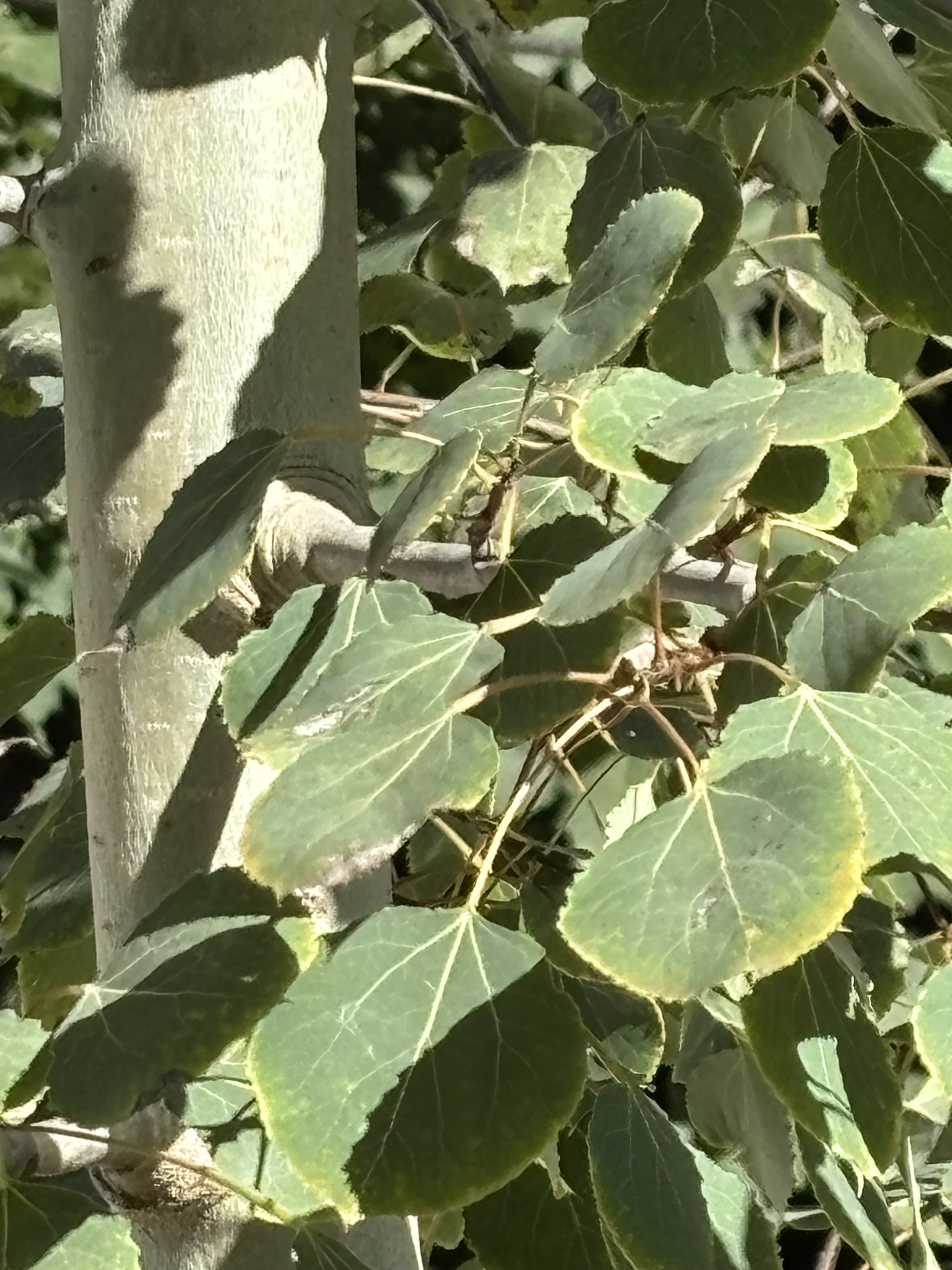
“An aspen root system is a massive, interconnected underground network that links entire groves into a single living organism. Individual trees (called ramets) act as above-ground shoots, sharing identical genetics, water, and nutrients across roots that can endure for thousands of years.” ~ National Forest Foundation

Our aspen tree, Breck, has just revealed a baby Breck, a tiny tender shoot reaching through the soil at the edge of our pond. We couldn’t be more thrilled.

Knowing how aspen trees propagate, we’ve been keeping a careful eye in the backyard. We didn’t want to inadvertently step on or accidentally mow any new additions. This delicate shoot makes an appearance at the time, in the same summer, that Breck has broken all records for growth in a single season. Our little aspen tree easily added three feet to its height and now we know that the underground growth is as healthy as the visible tree above ground.

Literal interconnection. Even though the aspen groves appear as individual trees, they “endure” thanks to their underground network, the reality of many individual expressions growing as a single living organism.

Are we really so different from an aspen grove?

I have read that in indigenous communities banishment is a punishment worse than death. They are closer to the realities of nature and are not so lost in abstraction. Survival is a function of interconnection, of community. To be made separate, to be rendered individual, is a death sentence.

Are we really so different from indigenous communities?

Here is my revelation of the past week. It is actually a simple thought that arose amidst all the religious fundamentalism currently run amok in the sad politics of the USA: Hate is selective. Love is all inclusive. The worship of a god of love is a very different thing than the worship of a god that selects.

Democracy is by definition inclusive. Autocracy is by definition selective.

My hope: the truth of our democratic interconnection overwhelms this sad chapter, this invasive weed – and banishes it; that our literal interconnection chokes out and summarily removes the fascist invader. And then the grove can return to the business of sharing nutrients across our roots so we might endure in health for thousands of years.

CONNECTED on the album RELEASED FROM THE HEART © 1995 Kerri Sherwood

Kerri’s albums are available on iTunes and streaming on Pandora

read Kerri’s blogpost about LITTLE BRECK

likesharecommentsupportthankyou!

Give Time [David’s blog on DR Thursday]

“Nobody sees a flower – really – it is so small it takes time – we haven’t time – and to see takes time, like to have a friend takes time.” ~ Georgia O’Keeffe

I am fortunate. I have good friends. Really good friends. We give our time to each other. We’ve given each other our time for a very long time.

Time is not something marked by a clock. It is a decision. It is attention given with intention. Giving time is not as sterile as it sounds. It is not bookkeeping. It is generous.

At the end of the day, attention is all I have to give.

At the end of each day I give some time and attention to gratitude. I review my day. I give attention to what I gave my attention during the day. Kerri and Dogga are always in my review. My friends. This house that keeps us safe and warm. The list spirals out from that constant center. The orange day lilies that brought a smile. The sunrise. The slow evening walk that we enjoyed. The enormous hibiscus that stopped us in our tracks.

It is an important question to ask at the end of each day, “To whom or what did I give my attention?” I wish I would have asked this question of myself earlier in my life. I would have seen many more flowers. I would have been a better friend. I would have spent less of my limited time on earth giving attention to abstract futures or nonsense achievements.

No matter. I cannot go back in time. And that is precisely the point. I have attention to give and rather than look in the rearview mirror, how much more satisfying is it to give it to this moment, to today, the first sip of coffee in the morning, the clicking sound of Kerri’s keyboard as we perform our morning ritual, writing posts together, about the marvels that we experience, like an enormous hibiscus that caught our attention and shared with us a little bit of its time.

read Kerri’s blogpost about THE HIBISCUS

likesharecommentsupportthankyou!

Look Close In [David’s blog on Not So Flawed Wednesday]

Like me, do you sometimes have trouble believing in the wonder of the ripening tomato? Incredible! Look close in and you might see what I mean. Where did that come from? Only a moment ago it was a tiny yellow flower on a vine.

There is a particular squirrel in our neighborhood who’s discovered the wonder of the tomatoes. His attraction to the tiny fruit né vegetable has made him a tomato robber. He cannot help himself – that is the nature of desire. He asks the same question as I do – only his version is more an exclamation: where did this come from! Delicious. On that, the squirrel and I agree.

A burst of tomato; taste the sun.

I wonder if the small tomato asks the same question of itself that the squirrel and I ask? “Where did I come from?” It’s an excellent question.

“I would love to live like a river flows, carried by the surprise of its own unfolding.” ~John O’Donohue.

John O’Donohue also wrote that, to the Celtic mind, “…there is no satisfaction in certainty.” Asking the question is more tasty than having an answer. And, some questions, the most important questions, have no single answer.

The path to wonder runs through disbelief and uncertainty. Curiosity, living in the questions, opens the mind and heart to possibility, to wonder, to beckoning imagination. The impossibly rich unknown. Isn’t it infinitely preferable and wildly more rewarding to stand in a question rather than hold tight onto a white-knuckled certainty.

Looking for wonder? Begin by looking close in.

read Kerri’s blogpost about THE TOMATO

likesharecommentsupportthankyou!

Be Eccentric [David’s blog on Two Artists Tuesday]

When she chose them to decorate our table I remarked that they looked like plants from the sea so I was delighted to learn that Eryngium is commonly called Sea Holly. Other common names include Rattlesnake Master and Miss Wilmott’s Ghost.

Behind each synonym is a good story. For instance, I just learned that Rattlesnake Master comes from a mistaken belief in traditional medicine that the root could prevent and cure rattlesnake bite. My favorite, because it is a historical story of mischief, “…an eccentric British horticulturist named Ellen Willmott used to secretly scatter its seeds in other people’s gardens.” (Wikipedia) “If she felt a garden was poorly designed or lacked character, she would surreptitiously sprinkle the seeds when her hosts were not looking.”

I guess the moral of the story is that if you invited Ellen Wilmott to afternoon tea you’d better expect to find Eryngium popping up in your garden. My bet is that she thought every garden but her own to be poorly designed.

Tom Mck told me a story of a woman in the early part of the last century, named Sally, who was a writer. She believed the letter “e” was a government listening device. She never used the letter “e” but replaced it with something less capable of spying. If you gave her an article to read, a newspaper or a novel, she would cross out the all the offending letters before she would read it. She would caution people to be wary of the letter “e”.

There is a single rule to eccentricity: the truly eccentric person does not recognize their behavior to be eccentric. “Normal” is in the eye of the beholder.

Kerri, having just cut the stems, arranged and placed the Eryngium in a Ball jar and positioned it on our bistro table, asked, “How many other people would put this spiky purple plant all by itself on their table? I just love it!”

“Not many,” I replied, also admiring the prickly purple-blue flowers that seemed more at home under the sea than on our tiny table. For a moment I was awash in gratitude. How is it possible that in all the world I found the only other person who appreciates the stand-alone-sculptural-spiny-beauty of Miss Wilmott’s Ghost?

read Kerri’s blogpost about ERYNGIUM

likesharecommentsupportthankyou!