“A purpose of human life, no matter who is controlling it, is to love whoever is around to be loved.” ~ Kurt Vonnegut, The Sirens of Titan
It used to really bother me that the squirrels ate all the birdseed, that they lapped up all the grape jelly meant for the orioles. And while I was sitting in my Adirondack chair twisting in my bother, Kerri would be laughing. “They are so cute!” she’d exclaim. One day it occurred to me that it probably felt better to laugh rather than to be bothered so I gave it a try.
It not only felt better but it also exposed the folly of my vexation. Imagine! I was putting food into feeders and exasperated that a critter was eating it. Oh, spare me from the desire to control all things!
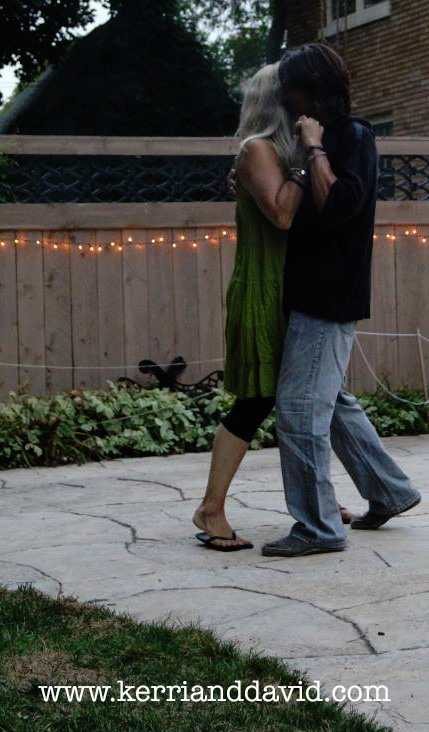
In laughter I can see with amazement the acrobatics of these furry little ninjas. Every obstacle I erect is a challenge they accept. In case, like me, you find yourself lost in a frustrated bother, I can attest that delight is a much better use of your life than is irritation. Every obstacle they overcome is a challenge I accept. It is a dance. In delight, I have become symbiotic with my squirrels.
I can also attest that underneath all of that angst and aggravation is an attempt (a fantasy) to control the uncontrollable. It’s a fool’s errand. The squirrels will behave like squirrels. Naturally.
Humans will behave like humans. I have a choice! I can delight in the impossible or clench my fists until I am red in the face. As it turns out, an open hand feels much better than a tight fist. Naturally.
“We have to continually be jumping off cliffs and developing our wings on the way down.” ~ Kurt Vonnegut, If This Isn’t Nice, What Is?: Advice for the Young
*****
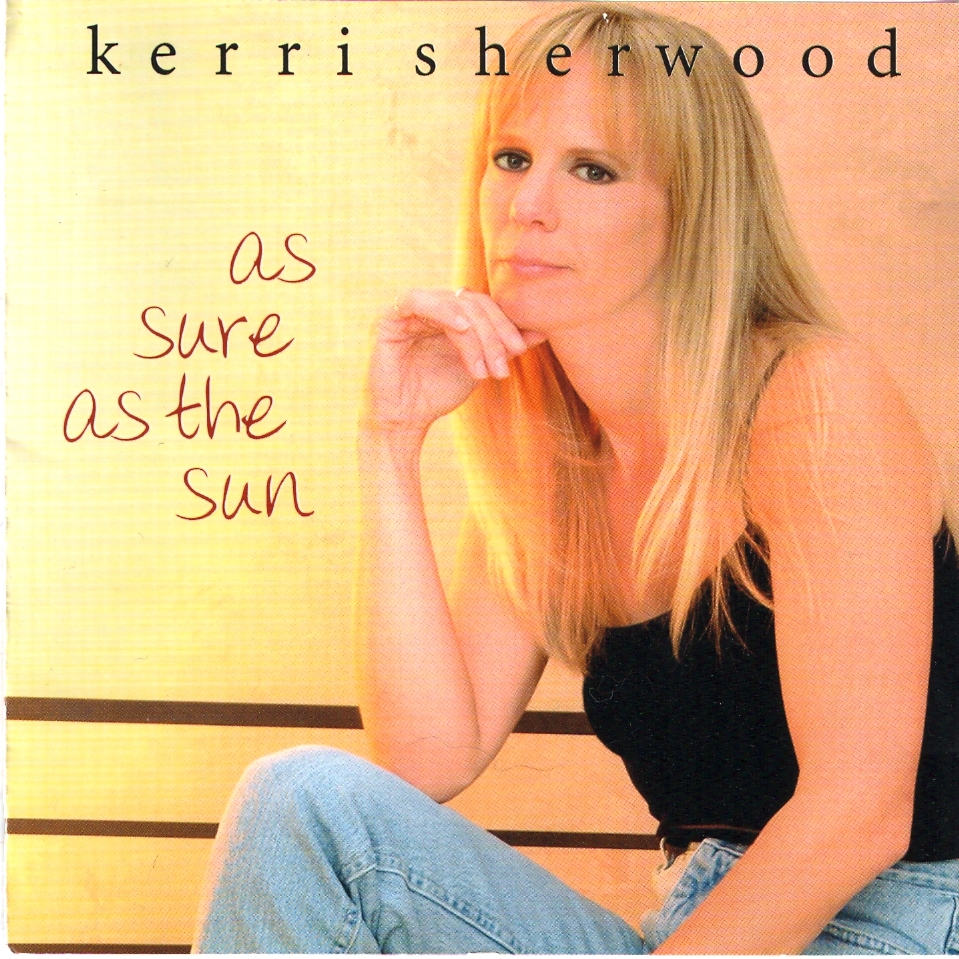
Kerri’s albums are available on iTunes or streaming on Pandora
“Why do so many of us, as we grow into so-called maturity, become dull, insensitive to joy, to beauty, to the open skies and the marvellous earth?” ~ Krishnamurti, Think On These Things
Dogga, in his old age, is doing what my father did in his last years. He sits on the back deck and watches the world. He is not watching the world go by. No! He is taking the world in. I imagine that he marvels at the beauty of it all. The robins taking dirt baths, the squirrels robbing grape jelly from the oriole feeder, the mint and lavender, the smell of earth after the rain. His appreciation of every-little-thing comes from contentment. After a life-long journey he feels no need to achieve or change a thing.
I am watching him and learning. His joy is immediate, quiet and boundless.
The Buddhist tradition posits that desire is the source of all suffering. The desire to be some-other-place. The desire to be some other person. The desire to attain some new thing. Separation from self is separation from the current moment. Dogga, like Columbus in his backyard meditations, is empty of desire, opening present-space for the fullness of life.
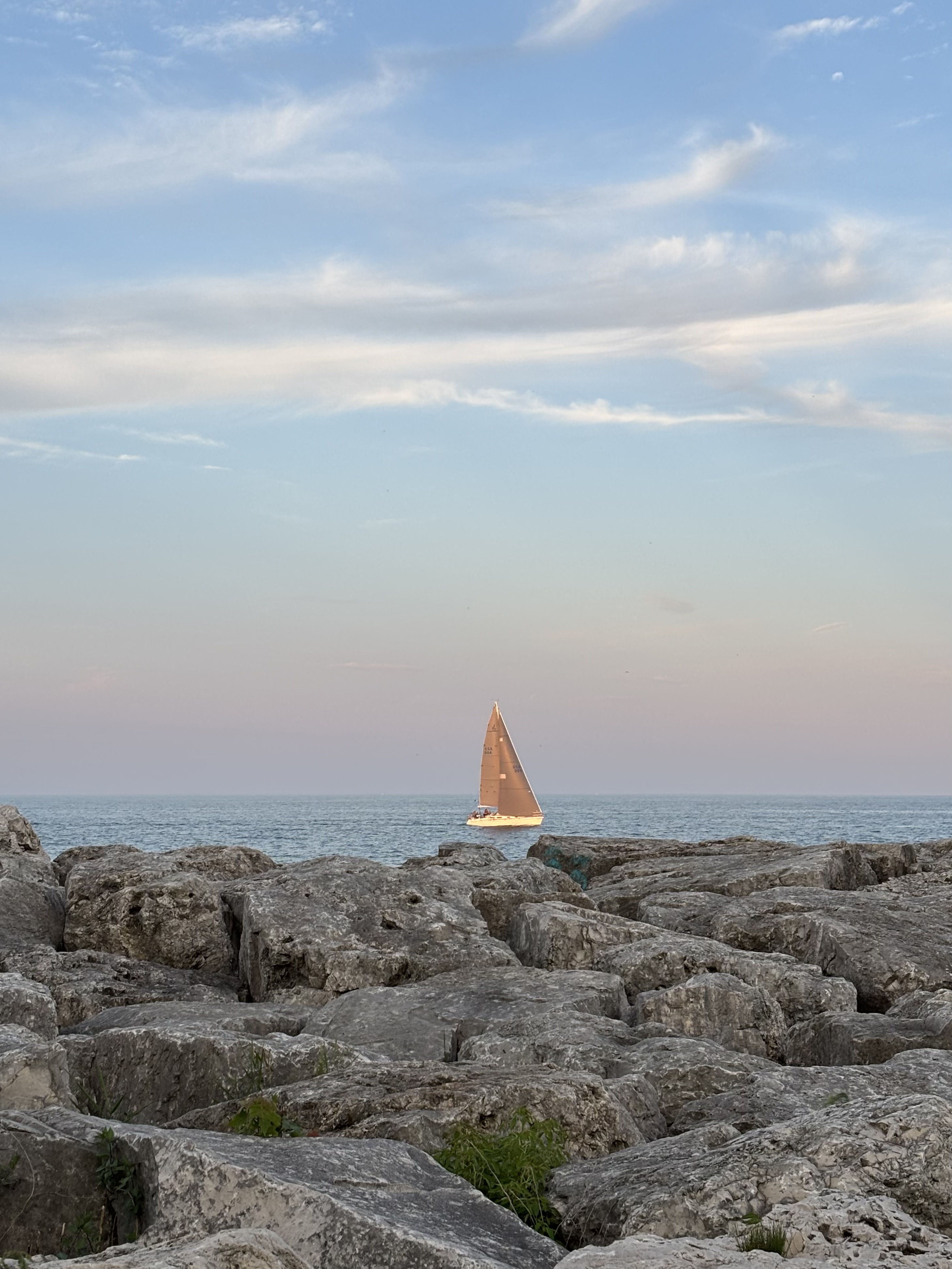
Though I cannot claim to be free of desire, I experience those moments sometimes. I drop-in. We walk along the lake after the rain, cool air off the water breaking the heat of the day. Holding hands, we marvel at the sailboat braving the lake so soon after the violence of the storm. She stops to take a picture and I am suddenly open space, empty of desire, beauty rushing in. It is neither too enormous nor too small. I am not a witness or performer. I am simply marveling. Part of. And then, with the thought that it is fleeting, comes the ache, the desire to hold on to all of it. I laugh, knowing better but not able to practice what-I-think-I-know.
Clearly, I have more learning to do (another desire!) and will happily study Dogga. How does he do it? How does he immerse in the beauty of it all and yet not yearn for it to last forever?
It’s not that we are sitting out of the 4th of July celebrations this year. We are having a good old-fashioned sit-in. Defiance in the face of an increasing hostile and corrupt administration. We are sitting-in our defiance of maga-authoritarianism from now until the threat to our democracy is eradicated.
We are both old enough to remember our nation’s enthusiastic celebration on its 200th anniversary. It was moving: tall ships sailed into New York Harbor, reenactments, parades, fairs, people coming together…Gerald Ford, the president at the time, signed presidential proclamation 4411, an affirmation to the Founding Fathers of the United States principles of dignity, equality, government by representation, and liberty.
In the subsequent 50 years the nation has gone off the rails. We’re a hairs-breadth from autocratic rule made possible by a republican party that has completely betrayed the principles of democracy affirmed by Gerald Ford. It’s difficult to wave sparklers and flags when thousands of people are wrongfully suffering in concentration camps, when the Supreme Court is actively – astonishingly – elevating a tyrant-king above the law, when citizen’s rights are under attack, when the wealth of the nation is by design moving into the pockets of the very few, when the-party-in-power is actively protecting the Epstein Class, the largest pedophile and human trafficking ring perhaps in world history.
It is only proper, truly the most American thing I can imagine under the circumstances, to sit-in. We celebrate by sitting-in the ideals of the nation, no matter how imperfectly executed to this point. We celebrate by sitting-in the intention of the nation – a government of, by, and for the people that strives for equal justice, a nation of laws and not tyrants. We sit-in the promise of equality. We sit-in the radical paradigm of freedom-and-justice-for-all. As we sit-in we will tell stories of Kerri’s dad, a prisoner of war in WWII, my uncle Del who fought in the same war, both of our ancestors fought against fascism. Both nearly perished. They were hardy people that held the line against a fascist takeover of the world. In their lives they pushed back against the likes of Joseph McCarthy and his chicken-little-cries of “Communism!” We hear the same chicken-little-cries today from fox-and-friends and an administration that has grown so fearful of the vote that they would control it, politicians choosing their voters rather than the other way around. In an act of cowardice. absent of ethic and integrity, they dust off their old strawman communism in the hopes that fearmongering will save them from accountability.
It is our turn to sit in the fire. It is our turn to hold the line. We will sit-in and write and call our legislators. We will sit-in and talk with our neighbors and friends. We sit-in and have hot conversations, calling out the lies, refusing complacency or normalizing this horror show. It is our turn to reaffirm the promise of democracy, a promise currently slipping through our fingers. We will challenge gaslighting. We will call out the grift. We sit-in the truth of our diverse nation and support the long-term health of the people of the nation. We will sit-in the legacy of courage of our ancestors.
We will sit-in The United States of America – and not allow it, without a fight, to become the land of the privileged-few and the home of the afraid.
Sometimes an act of defiance looks like celebration and celebration looks like an act of defiance. Our nation’s celebration is rooted in an act of defiance, a Declaration of Independence from a tyrant king. Sometimes protecting one’s home requires a good old-fashioned sit-in, a living protest, the exercise of a fundamental right of a free citizen. Sitting-in-the-fire, speaking up, pushing back, guarding the vote, protecting civil rights…: the best possible way of celebrating the dream and founding principles of this nation.
Sun through chives. I found myself staring at this photo-prompt this morning. Normally I would catch a spark from the prompt and be off and writing. Not today.
My thought-void is not the fault of the photo-prompt. The exhaustion from the news of the day has caught up to me. It happens. There is nothing normal about deporting black and brown people who’ve fled violence and found a safe home in the USA. There is nothing normal about stripping people with disabilities the support that affords them a life at home and meaningful integration into society. I could go on and on. I wonder if we-the-people are even close to grokking how far we’ve descended in normalizing the violent rhetoric spewing from this administration? It is not only the rhetoric that is violent.
And so I stare.
Sun through chives.
When I am stuck I generally stir my pot by investigating symbology. When asking about symbolism, one is actually asking about a relationship between people and their “something bigger”. For instance, I just learned from the Old Farmer’s Almanac that, historically, bunches of chives were hung around homes and gardens to ward off evil spirits or negative energy. How did people from our past come to associate chives with protection from the likes of Stephen Miller? I’m contemplating sending a ton or two of chives to Washington D.C.
I also just read that in ancient times to the Chinese, chives were associated with spring festivals and represented vitality and the cyclical nature of life. Renewal. Purification. Roman soldiers ate chives because they believed chives could “conjure courage”. Do you suppose the republican congress would gnaw on chives if I sent them personalized bundles?
Now I’m contemplating sending chives to every corner of the nation, to every household. I’ll include a note: For courage and renewal. Place this between you and your television, wave it at your phone when watching the news of the day.
We would do well to revivify our relationship with our symbology. The Liberty Bell. The Eagle. The meaning sewn into the stars and stripes. E Pluribus Unum. The Statue of Liberty. The Declaration of Independence, after all, is much more than a document.
There is great power in the symbol of the simple chive. There is great power in every symbol if it still connects – in a real way – in a meaningful way – to that “something bigger”.
Trees breathe. In the daylight hours they “inhale” carbon dioxide and release oxygen into the atmosphere. At night, they breathe in oxygen and release carbon dioxide. “…trees absorb vastly more carbon dioxide over their lifecycles than they emit.” (AI)
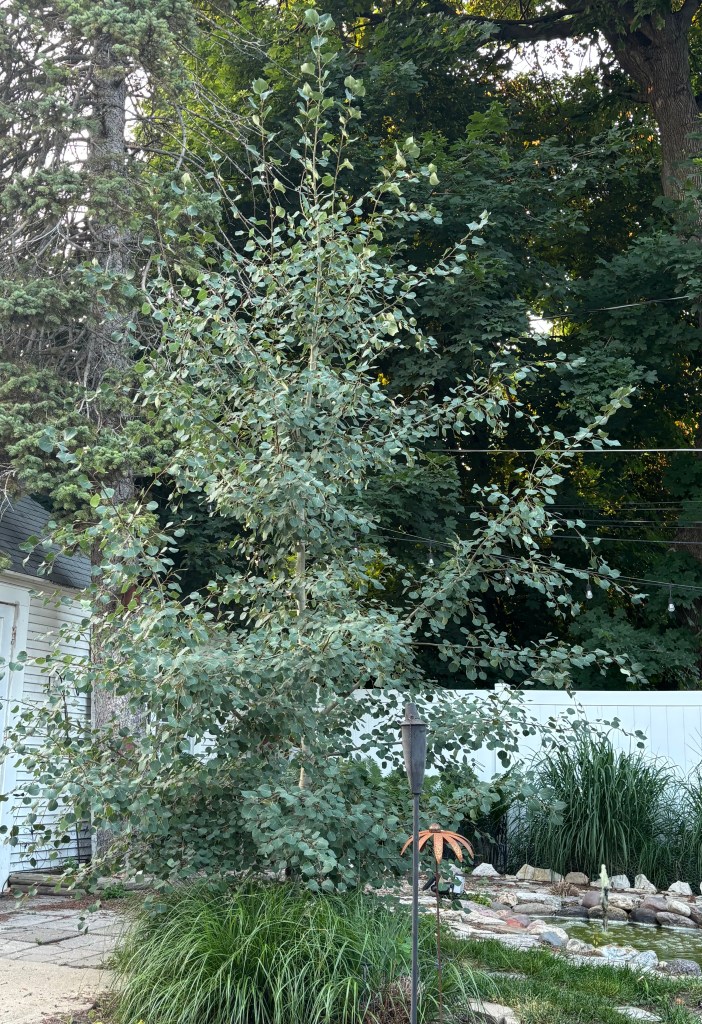
The leaves of our aspen tree, Breck, pull water up from the root and release it as vapor through her leaves. Transpiration.
It is everything that climate change deniers do not understand. The rain is not separate from the tree or the soil or the sun. It is a single dynamic breathing cycle of life. Human beings, no matter their opinions or hard-held-belief, are part of and not separate from this cycle.
Interconnectivity is a reality that we seem unwilling or unable to comprehend. Our resistance to this interplay, this relationship, this inhale and exhale, is recursive, a fractal that runs through and through our identity. It is our Achilles Heel, our greatest vulnerability. We story ourselves as superior, separate, above it all.
This morning I read this from Jame Baldwin: “It is so simple a fact and one that is, apparently, so hard to grasp: Whoever debases others is debasing himself.” What we do to others, what we do to our environment, we do to ourselves. Do we not see this simple fact demonstrated on our political stage and in our public discourse each and every day? We are witness to a debasement cycle that seems to have no bottom.
And, as I write, I realize it is also true, perhaps more obvious but somehow not as visible, that we are witness to a community coming together, working hard to upright itself, a community reaching to fulfill its ideals, even in the midst of the authoritarian ugliness, a community forged (again) in the fire set by those who desire to melt down our democracy.
There is this, perhaps the central promise of democracy: “If one cannot risk oneself, then one is simply incapable of giving. And, after all, one can give freedom only by setting someone free.” (Jame Baldwin, The Fire Next Time)
Isn’t it beautiful, this promise of democracy? We can be free only when we set others free. We can only prosper when we prosper others. This earth supports us when we support this earth. Is this simple truth capable of opening our eyes?
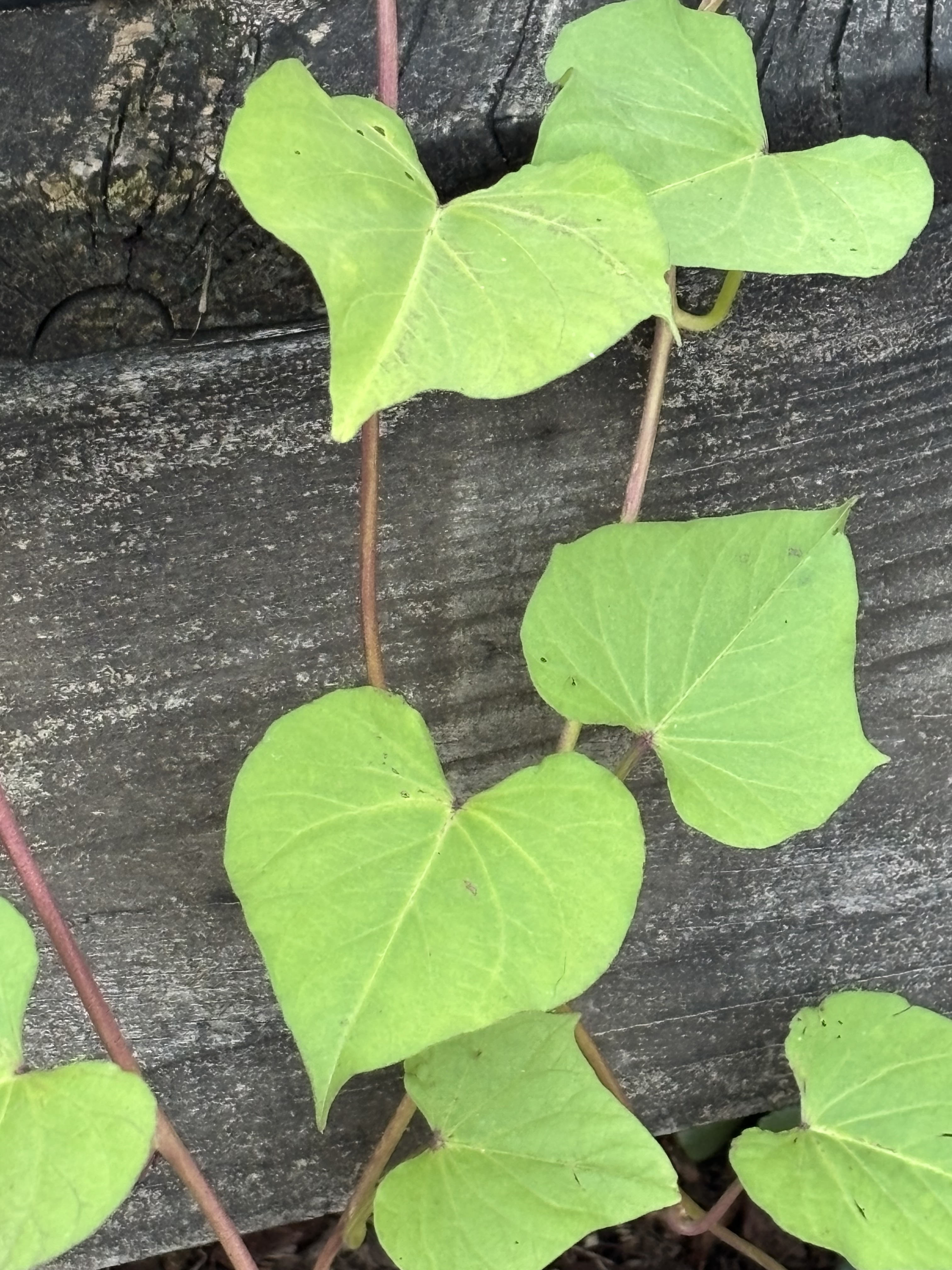
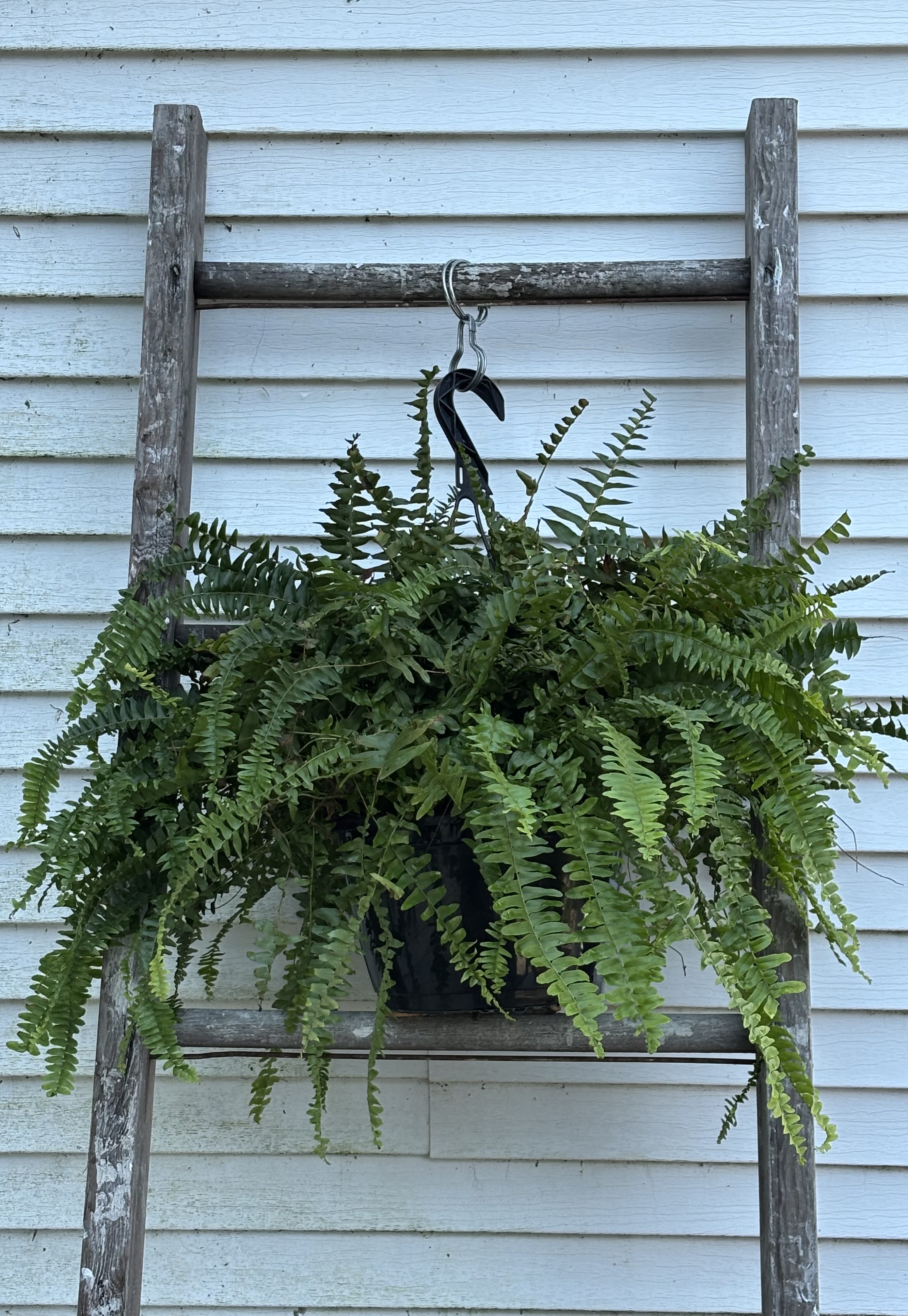
When you say “green,” what exactly do you mean? Each morning I stand in my backyard and marvel at the symphony of greens. The licorice plant, the tomatoes, the sweet potato vine, the ferns, the grasses, the aspen leaves…each wear a unique shade of green. Each green changes with the light. The greens are different in the morning than they are at noon and wildly different during the pre-sunset golden hour. Well…they are not different but the light changes what I perceive. The change is in me.
The change is in me.
My first line of contact with the world is my senses. Everything I know is a product of everything I have experienced and my experiences begin with my eyes, ears, nose, skin and taste buds. And then I make sense of it or at least try to makes sense of it. I build stories like, “Each green changes with the light.” In other words, the greens change while I remain unchanged. I am the center. This is the exact opposite of what happens. It’s a trick of language. I story myself as normal (Kerri will laugh hysterically when she reads that assertion!). I story myself as “right” though I also have great capacity to story myself as worthless or stupid or wishing I had kept my mouth closed.
I story other people as good or bad – a harsh and narrow measurement to be sure.
In my current story I have discovered the depths of my intolerance. I can’t understand how farmers voted again for their own demise. Since we are all suffering the impact of their support of autocracy, I have little compassion for the loss of their farms. They voted for it.
I find my intolerance necessary. And sad. These farmers are suffering accountability for their actions – for their votes – while the people who showered them with false promises and drown them in propaganda are profiting from the farmer’s loss.
I am like all others: I seek and find people and information that bolster my point of view. It feels good to feel affirmed in what I believe. Yet, what I believe – my opinions – are meritless unless grounded in fact. I have worked hard in my life to question my point of view because I was taught, as an artist who could impact the lives of others, I had a responsibility to deal in truth.
Even in writing this mind-wander about the senses and perception, it all sounds schizophrenic: seek support for what you believe and then challenge it. It’s called learning. The senses open and expand, the mind narrows and refines. It is like the tides. Open to the experience, sift it for veracity. It is how we make sense from senses.
The farmers and red-hatted others who voted for fascism would have been well served to ask a few questions before they calcified their belief and cast ballots for their own destruction. The information was readily available. They simple needed to open their eyes and exercise their minds. They only needed to take a moment – for that is all it would have taken – to challenge the gaslight.
Do you see the current scrubbing of our history? The white-washing of our national sense-making, the assault on education and educators? It’s akin to reducing all greens to a single dull shade. Do you hear the fear of the question, the fear of being questioned? Are you aware of the publication of an enemies list? Those who are exercising their first amendment rights are being branded as hostile. Do you smell the corruption? The acrid burn of our constitution? Do you taste the bitterness at the gas pump, the bitter frustration at the grocery store? Are questioning?
There is sense to be made.
Of our nation and our fear of facing our history, James Baldwin wrote: “People who imagine that history flatters them (as it does, indeed, since they wrote it) are impaled on their history like a butterfly on a pin and become incapable of seeing or changing themselves, or the world.”
The morning sunrise sky was vivid mango. It rained overnight so as I stood in the cool morning air marveling at the color of dawn I also breathed deep the newly washed earth. Life is extraordinary.
Dogga was sick again this morning. We are doing what people do when they don’t want to admit that there is nothing to be done that will change what is inevitable. We are preparing ourselves for heartbreak. Life is extraordinary.
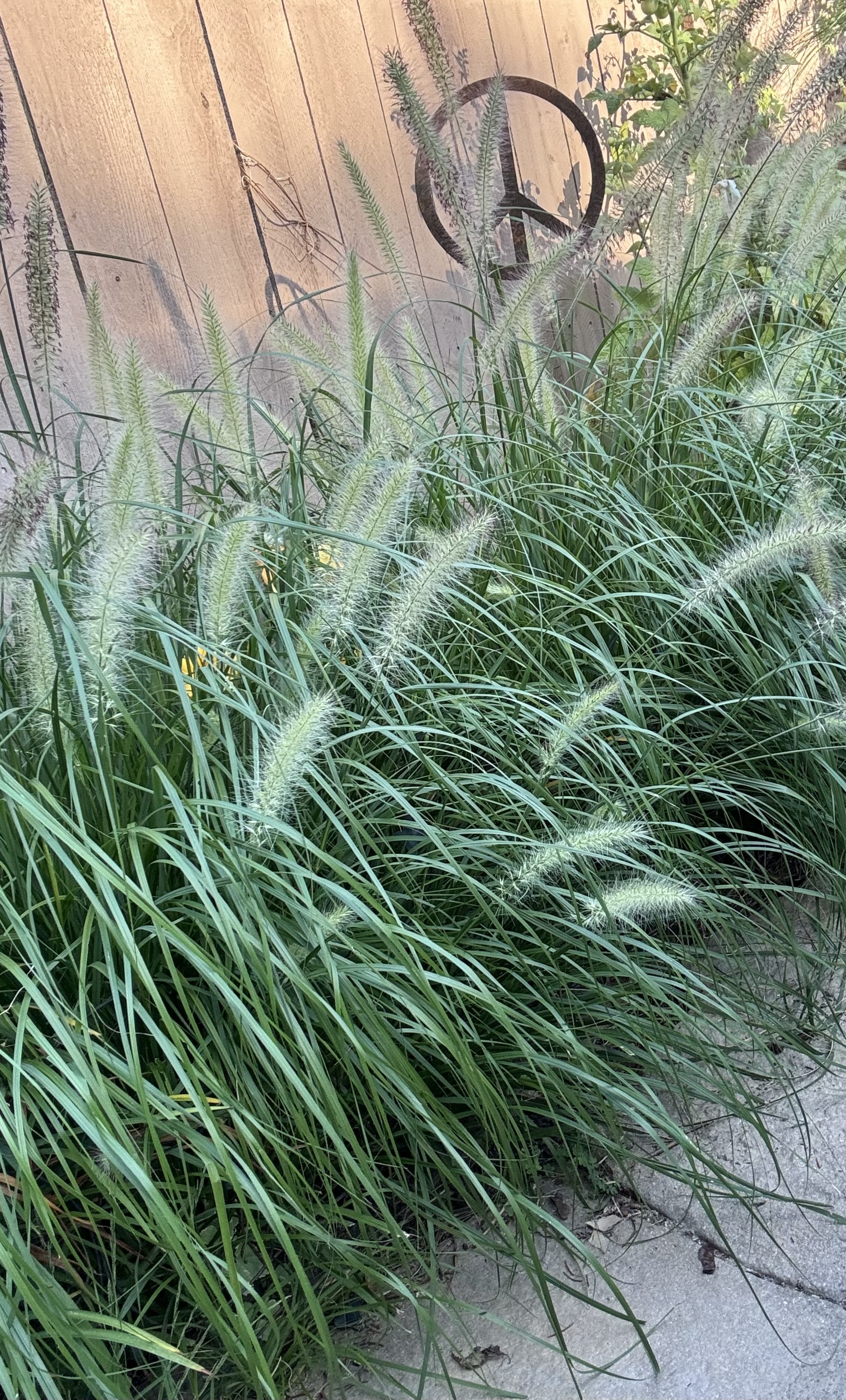
She brought the peace sign from her studio and placed it on the branch on our deck that now serves as a way-station for the finches and the sparrows. “Do you like it?” she asked. The symbol is made of glass and softly glows when the sun catches it. It is a symbol that almost everyone on earth understands. Language is not a barrier to understanding it. Culture is not a barrier to understanding it. Religion or politics cannot cloud its meaning. Common ground. A shared symbol is a shared aspiration. An impossible dream? An invocation? Life is extraordinary.
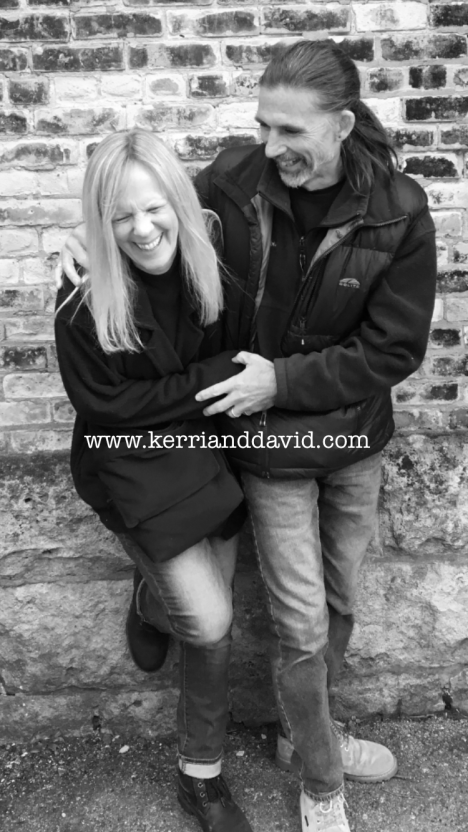
We do not miss an opportunity to say to each other, “I love you.” We’ve both walked life paths that made those words nearly impossible to utter. Scary. We’ve learned that they are not just words to be tossed away, an easy sentiment scribbled on a birthday card. They are fresh water to the garden. We do not speak those words lightly. We are careful to whisper them into Dogga’s ear each day.
Vivid mango sky. Side-by-side writing about reverence in the form of a shared symbol. She takes my hand in hers. Life is extraordinary.
“Education in the true sense is helping the individual to be mature and free, to flower greatly in love and goodness.”~ Krishnamurti
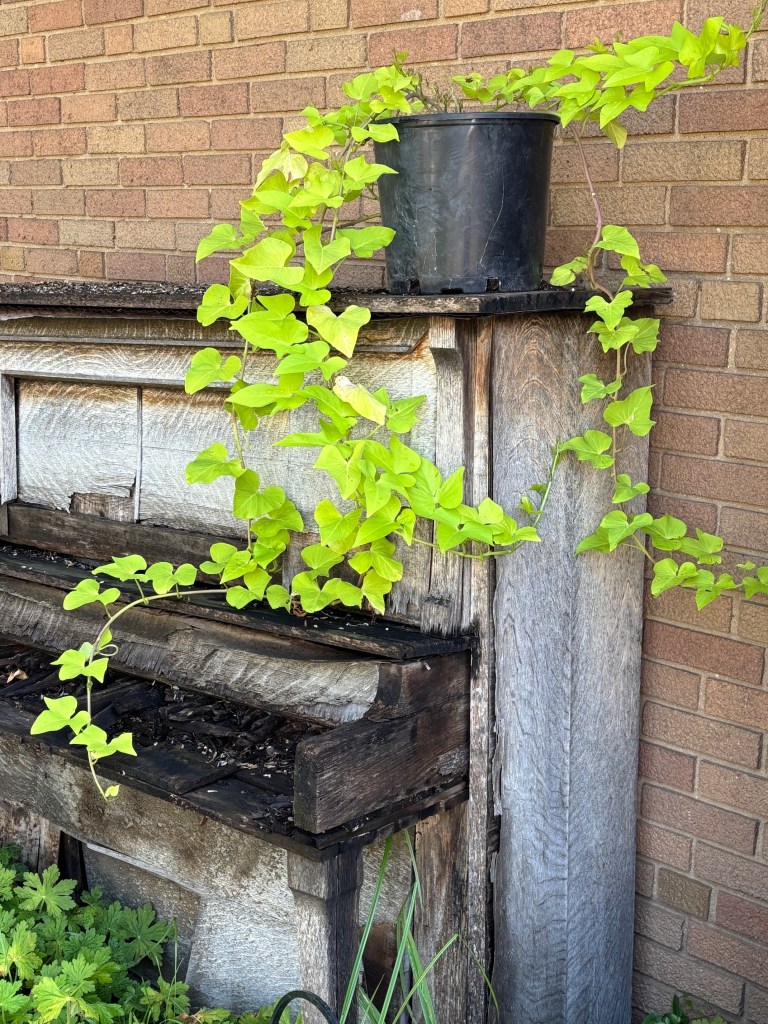
I like to think that Barney-the-piano’s flowering-in-love-and-goodness began the day he was moved into our backyard. For decades he was held captive in a dark church basement boiler room. Not only was he forgotten but the dry heat from the boiler destroyed his soundboard and, therefore, destroyed the purpose he believed was created to fulfill. We caught the junk man just in time. Instead of hauling Barney off to be dismantled and discarded, we paid him to bring Barney to our house.
Barney lived into a second purpose. It took a while for him to settle in, to learn that making music was not his exclusive talent or destiny.
As he lost his keys to weather, as his veneer curled and fell away, he became a refuge, a safe spot for birds and squirrels and chipmunks. The critters rest on his lid, build nests in his sound box. Each day the birds mingle on Barney and sing. Although he himself is not making the music, he knows that the sanctuary he provides gives the birds reason to sing. He inspires a purer music.
We have watched Barney flower-in-love-and-goodness. We have had the good fortune to witness his transformation, no longer resisting the forces of nature but moving in harmony with them. He is free and most certainly mature, no longer bound by a too-narrow definition, no longer invested in how he looks or what others might think of him. He is content. The dark times no longer define him nor does he bother to hold onto those memories. They get in the way of the birdsong. They distract him from enjoying the moment. He knows that distractions of the past interrupt his other newfound purpose: teaching us, his students, the power of letting go of all that we cannot control.
To me it is perfect that wild geranium grows at the foot of Barney-the-piano. The “wild” in wild geranium refers to something that grows without human intervention. Barney has aged without our intervention so I hope he feels wild in his decline. We find him beautiful in his absence of human intervention. Ours is to witness and appreciate. The wild geranium serve as the ideal stewards for Barney’s reclamation of his wild.
Isn’t it ironic that human intervention in nature has been so extreme that we are now in the throes of existential climate change – and the only thing to be done is to intervene on our intervention. Do two interventions cancel each other? It’s possible that our intervention on our intervention is too late and will eventually restore the wild to the planet.
We had a “wild geranium” conversation with 20. It wasn’t about geraniums. It was about human intervention on humanity. How might we protect ourselves from the ills of human intervention wrought upon our fellow humans? How might we protect ourselves from the ick of humans that bomb a girl’s school or round up into concentration camps other humans because of the color of their skin? It is fundamentally inhuman so we cannot claim it is wild. It is certainly is not tame. Perhaps shameful?
Wouldn’t it be wild if we, like the wild geranium, could figure out how to be ideal stewards with and for each other?
Do you wonder, as I do, what has ever been achieved through war? Pick any war from the many, many, many that populate human history and ask, “What was gained?” Really? What was gained? How were we made better?
Certainly there have been useful technological advances. War has been a driver for innovation but I question whether we might have arrived at the same advances without the carnage. Could the advances in medicine been the result of goodwill? The desire to make lives better? And, have all of the technological advances really been advances? Wouldn’t our schools and our children be safer in a world without automatic weapons? Might we solve our differences as readily if war was not an option? Is cooperation and collaboration as potent a force in the world as conflict? Might they be more powerful?
I will be the first to admit that order inspires chaos and chaos necessitates order. It’s a cycle but I wonder if chaos really requires bloodletting?
Putin blames Ukraine for the aggression, Netanyahu blames the Palestinians for the aggression just as the current occupant of the White House blames Iran for the aggression. Hitler blamed the Jews and Pol Pot blamed the intellects. What has any of it achieved? Security? Certainly not. Prosperity? Well, weapons manufacturers are grateful for the business just as oil companies are applauding record profits from the ongoing closer of the Strait of Hormuz. Are we really that shallow? Is it really so impossible to share resources? Do we really need to learn again and again how interconnected our economies – our resources – our planet -our lives – really are?
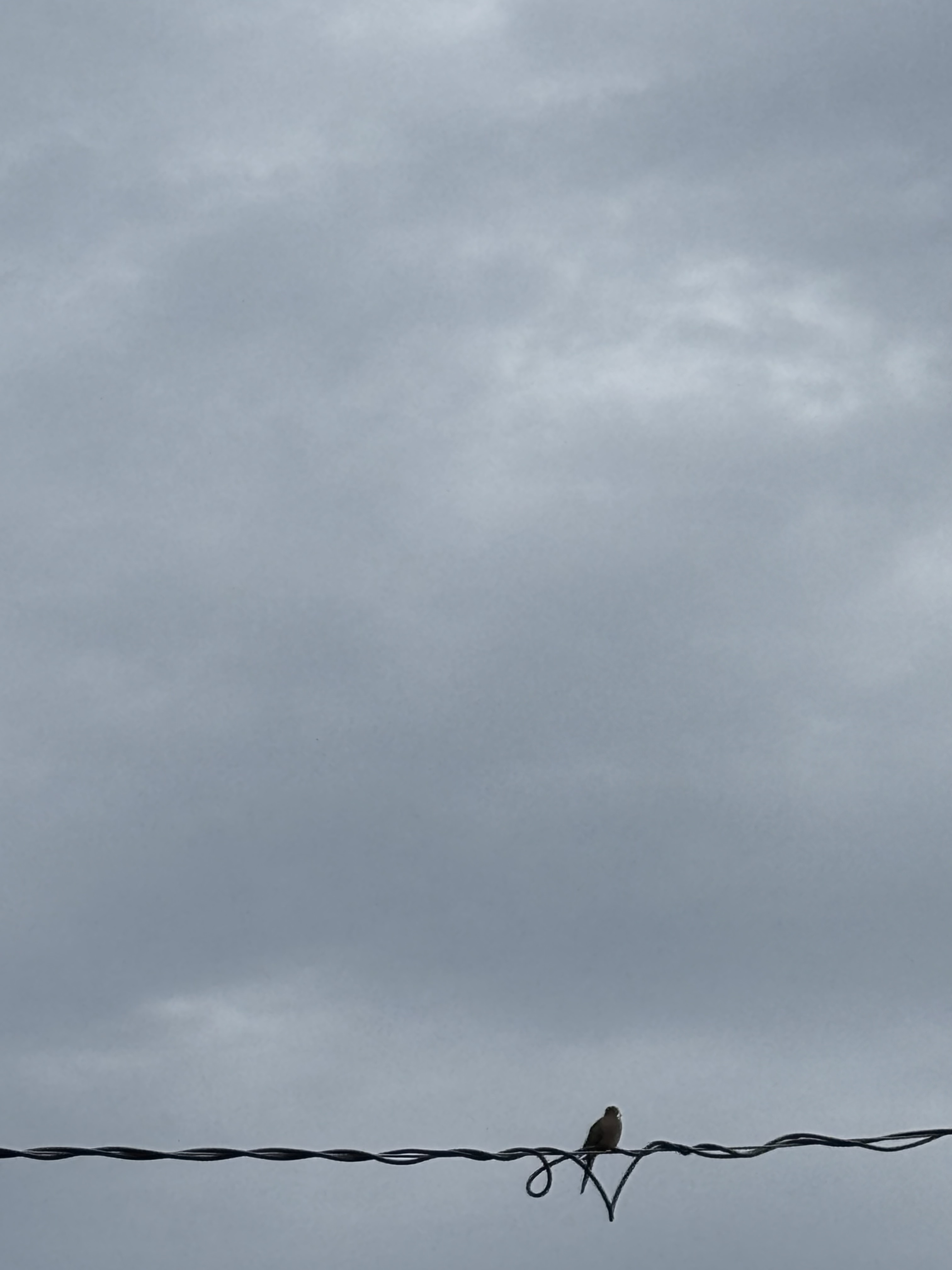
Kerri took a photo of the storm clouds gathering in the sky. It is made beautiful by the safety of home. Home looks like a place but it is in actuality a wide web of supportive relationships. Home does not exist in isolation.
Elie Wiesel wrote that solidarity is essential for existence, “Alone we disappear.” Solidarity: unity, agreement, fellowship. Are these not also essential forces in the world? Martin Prechtel writes of community as “mutual indebtedness”. Is it not incumbent upon me to make sure you have food to eat, and you to ensure that I have fresh water to drink? If I poison the well will not I also suffer? Isn’t the imperative to bridge our loneliness – the necessity to reach across the void to each other – a more powerful force than war? Why else do we send probes into outer space? Rather than war, doesn’t it make more sense to reach across oceans to say, “We are here,” and ask, “How can we get to know you?”
*This song was the first contact I had with a woman named Kerri Sherwood. I’d written a newsletter entitled, “You Make A Difference” and a few days after publishing my newsletter an email popped in my box with this song. She wrote that my words had touched her and she hoped that her song of the same title would touch me. Well…
Kerri’s music-that-can-change-your-life is available on iTunes and streaming on Pandora