All The World [David’s blog on KS Friday]

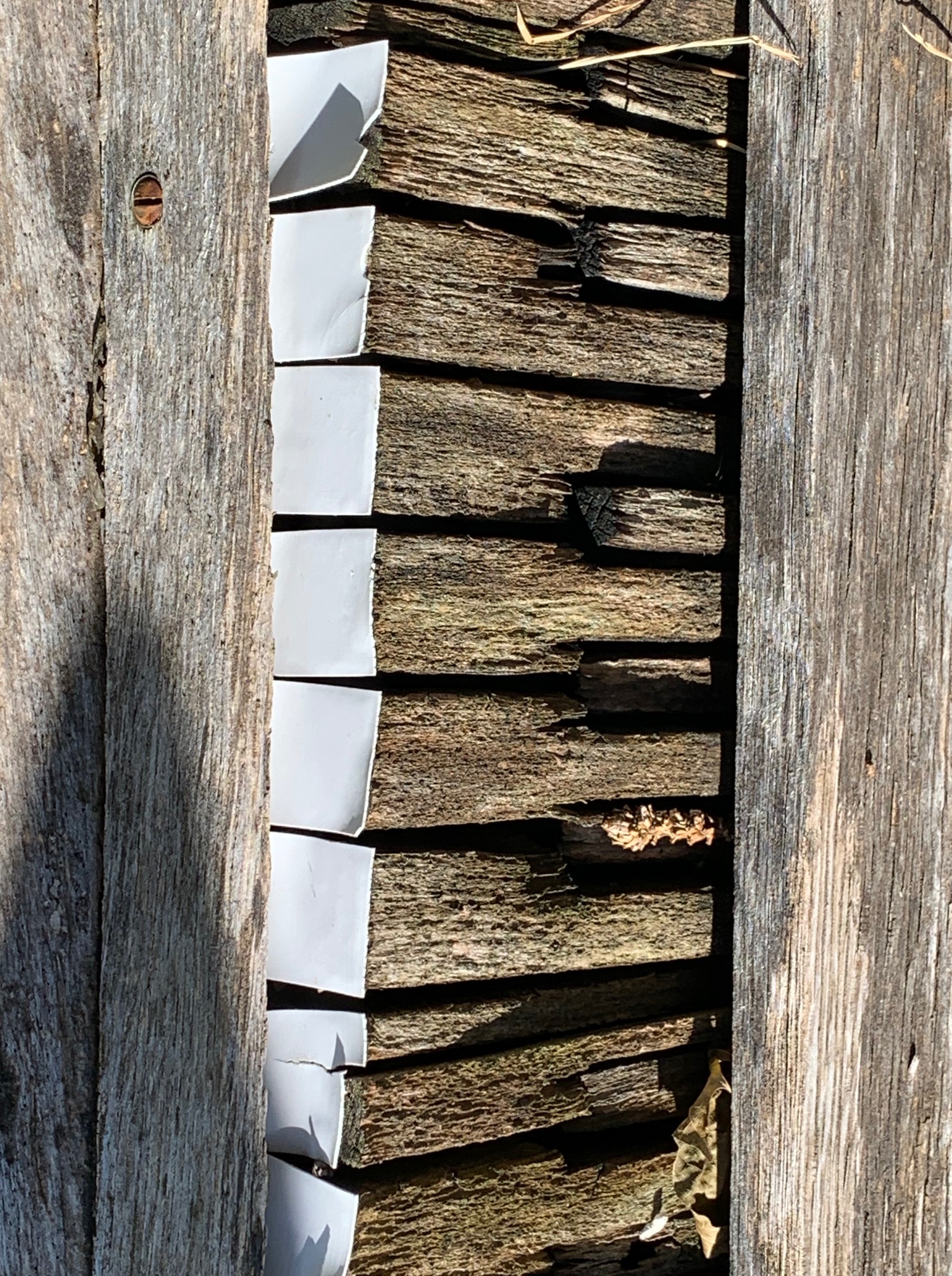
When I was on the verge of realizing my dream of creating an experiential learning school/program, I kept a poster on my office wall – the alphabet in butterfly wings. It was a layer cake of reminders: Nothing is original. Mimicking nature is a really good idea. We project our meaning onto the world and are oriented into a world of projected meaning. In other words: it’s all made-up. So, make it up!

Teachers are meant to follow a student’s questions, not stuff them with a heavy diet of unattached answers. Create a container of hot pursuit and feed the curiosity. Someday they will create and hold their own container of hot pursuit, if they are lucky enough to survive the system. That thought is not original to me. Every great teacher who I’ve known has told me some version of my borrowed-assertion.

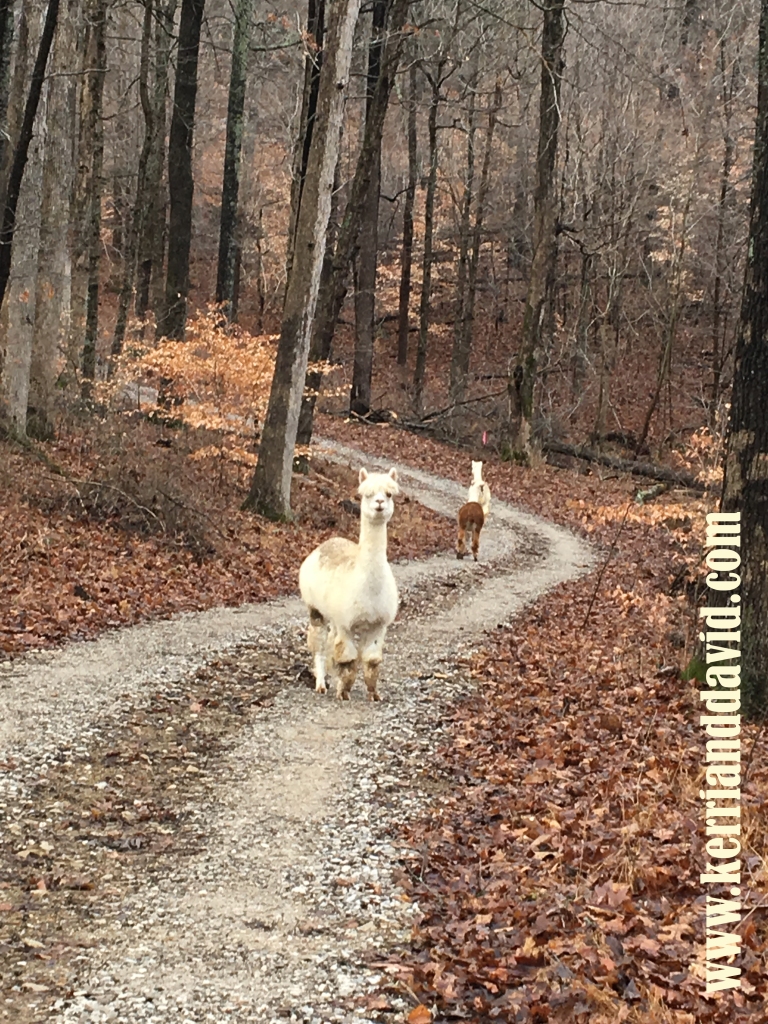
Some day, if you are fortunate enough to take a walk with Kerri, be prepared to stop. Often. “Lookit!” she gasps for the umpteenth time and aims her camera. Stepping off the trail, kneeling in the weeds, tipping her head back to capture the clouds, hovering above an intrepid caterpillar… Catching the miracle is one of her hot pursuits. “I won’t take any more,” she says and I smile, knowingly. My job is to hold the container.

“Lookit!” she said. We were in the lobby of the theatre. Her hot pursuit is also an indoor passion. All the world is her studio. “It’s the letter K!” she smiled. “In lights!” Before I could respond she stepped away, aiming her lens at the ceiling. “It’s so cool!”

From butterfly wings to lights on the ceiling.

It occurs to me (now) that creating or holding containers of hot pursuit is one of my hot pursuits. All the world…

The Box/Blueprint for my Soul © 1996 Kerri Sherwood

Kerri’s albums are available on iTunes and streaming on Pandora and iHeart Radio

read Kerri’s blogpost about K

like. share. comment. subscribe. support. many thanks.

Stand Out [David’s blog on Two Artists Tuesday]

Yesterday, in our basement reorganization shuffle, I moved my paintings. It is not a small task to move the remains of a life’s work. At this point, I’ve moved them hundreds of times: between studios, into and out of shows, within a studio space to make more space. Paintings take up a lot of space. Besides my clothes, my unsold paintings have been the extent of my possessions most of my adult life. During this latest painting-location-change I realized what an oddity I must sometimes seem. It sparked some random recall and minor revelation.

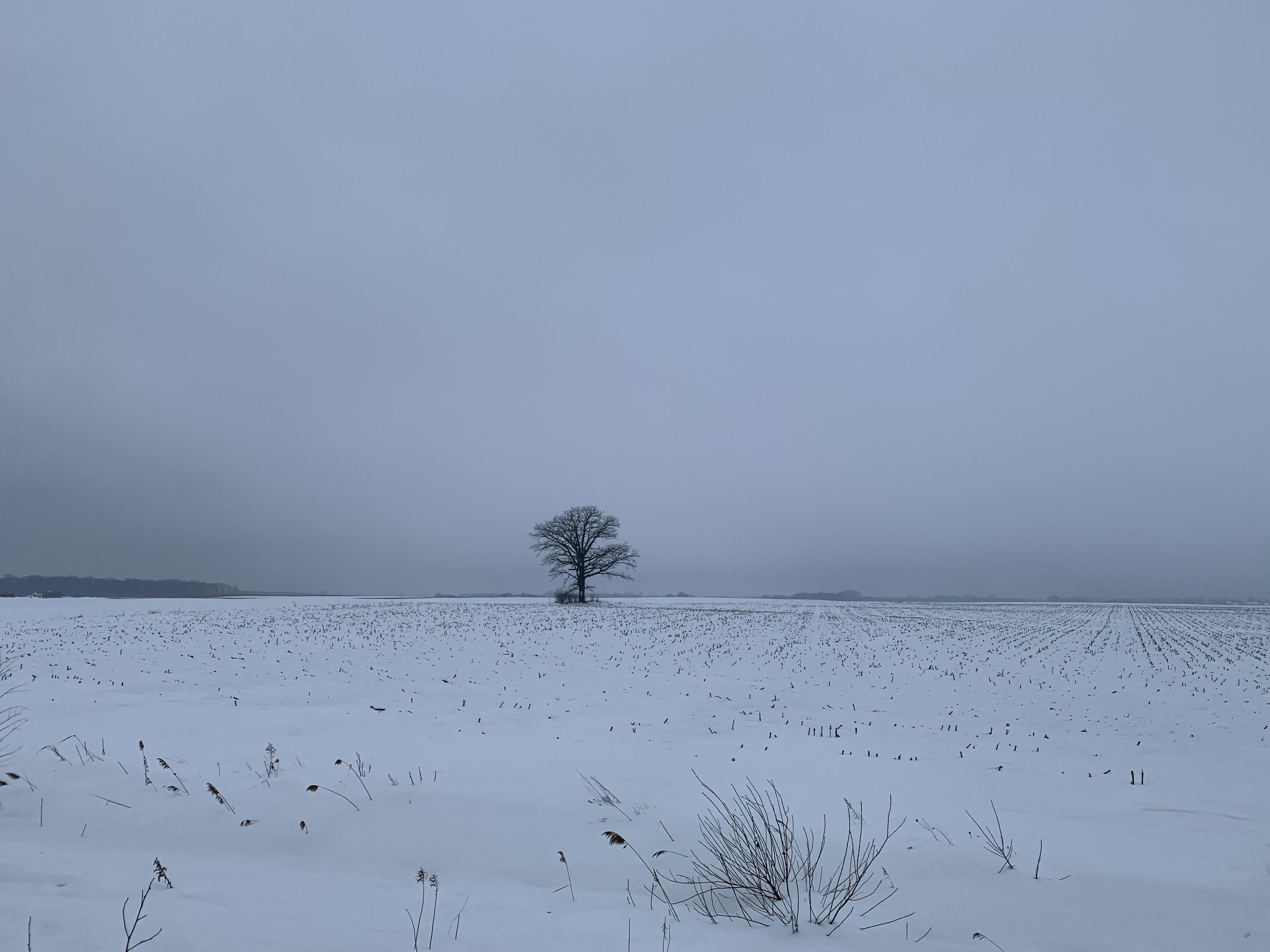
It’s not always easy to be a sore thumb, the one one that sticks out; the one doing life a bit differently than the expected norm. The lone tree in a vast field.

I read this quote this morning from Robert Pirsig‘s Zen and the Art of Motorcycle Maintenance: “Schools teach you to imitate. If you don’t imitate what the teacher wants you get a bad grade…Originality on the other hand could get you anything – from A to F. The whole grading system cautioned against it.”

One of my favorite activities to do with teachers comes straight out of Augusto Boal and the Theatre of the Oppressed. Each teacher “reenacts” for their peers the simple ritual of preparation they do each morning for the upcoming day. The revelation was always the same. “I’m preparing to control my students,” a wide-eyed teacher gasped when the penny dropped, “It’s the opposite of what I want to do.”

We live in the church of the individual yet the message we actually preach is conformity.

I had the opportunity to create a school-within-a-school and I followed the popcorn path suggested by Neil Postman. He wrote that “learning” in our system conditions students to suss-out what teacher wants and regurgitate it. It was possible to kickstart their original impulse toward curiosity but it would require a bloody battle of about six weeks. Hold the line. Don’t fill in the blank for them. And one day, in a fit of anger and defiance, one student would take the brave step and say, “This is what I want to learn!” Support the step of the defiant one and the rest of the students would follow. They would dare to speak their truth and follow their passion. Postman was right! The battle was bloody. It took exactly six weeks.

This is the ubiquitous misunderstanding about originality: it requires the removal of boundaries, the absence of control. A free-for-all. The opposite is true. The most disciplined people I’ve ever known are artists. Their discipline is internal, not imposed. It was the seed of the question I’d ask the teachers after their uncomfortable revelation: “What would it look like if each day you prepared to unleash the student’s curiosity? What, then, would you have to control?” It was an uncomfortable question. It would require them, probably in anger and defiance, to take a brave step. To stand out. To do something different. To expect their students, through the pursuit of their burning questions, to control themselves.

Everyone has a unique star to follow. Sometimes they simply need help to see it.

read Kerri’s blogpost about THE LONE TREE

support. share. like. comment. gracias.

buymeacoffee is sustenance for the journey.

Make A Unique Mark [on Not So Flawed Wednesday]

Take a moment and write your name on a piece of paper. Your name, captured in lines made by your hand. No other hand in the universe will make those lines in exactly the same way. No other hand will have the connection to the scribbled name quite like you do. It’s yours. It’s you, expressing your unique signature, done so often as to be unconscious. Do you remember the first time you made those lines?

Expression. That connects. You.

My parents kept a box for me. It has samples of my first quaky lines. It has crayon drawings, scribbles that had yet to meet the notion of containment. No knowledge of should.

I have many, many times been asked to make a case for the arts. Make a case. Amidst the assumption of no-value. I ask the people sitting behind the big table if they have children or grandchildren. I ask them if they ever giggled with pleasure to watch their child smoosh paint with their fingers. Why? Did they tape the smoosh-mess to their refrigerator? Why? Did they store the first scribbles, the first crayon drawing, the first finger painting in a box? Why? Are they hoping that their someday-or-now-adult children will remember their march to unique expression? What price would they, sitting behind the big table, place on those little hands making prints on paper? What is the value of the infinity that those little hands find?

The freedom of expression. Yet unhindered by a life-message that your unique and personal expression must achieve some-thing. What is the value of finding that freedom again, as an adult? Expression sans hinder. No fences. No expectation. What is available when adult fingers are free-like-a-child to wildly smoosh through paint or sing with abandon? What is the value of expression?

I remember the first time I sat in the audience of a theatre and sucked back my sobs. I was so deeply moved by the performance yet aghast at how freely (and loudly) I was about to express my feelings.

I remember the day the woman came into the gallery, saw my painting, and stood before it as if slapped. She cried. And cried. And cried. I cried seeing her see me-in-my-painting.

Have you ever stood on a mountaintop and felt a part of something bigger? Have you ever closed your eyes and let the aria wash over you? Have you ever, driving to somewhere, turned up the volume and sang loud and passionately, the song stirring your soul? Have you ever watched a child play with abandon and feel with utter certainty life stretching beyond your time-on-earth?

Have you ever not given voice to your questions? Silenced your thoughts? Withheld your voice? What would you give, in those moments, to understand the power of playing the fool? The necessity of not-needing to-know-the-right-answer? What would you give to know the courage of taking a step simply because your footprint, your unique print, might help someone, someday, do as you are doing, take a new path that will guide them back to themselves? Back home? What would you give to smoosh your hands with abandon through the metaphoric paint?

What exactly is the value of making the unique mark on the page? Yours? Or the song played that lifts you out of your despair and fills your heart with light and hope?

read Kerri’s blogpost about ART

If you like this post, pass it on. Or let us know your thoughts. Or buymeacoffee.com. All are greatly appreciated.

See Your Choices [on Merely A Thought Monday]

He began with silence. He looked them all over, one fox at a time, and his eyes looked deep into theirs. Lucy wanted to hide when his eyes came to her but instead she fell into his gaze. He seemed to be listening. Then, he made up his mind, and in a voice that was both powerful and quiet, he said, “Words are strong magic, misused they are tragic, but handled with care they bring insight and good cheer. So listen, dear friends, listen with care.” ~ Lucy & The Waterfox

“Choice” is a very powerful word. Perhaps one of the most powerful.

Lucy was a story I told many years ago at a conference of healthcare workers. Actually, it wasn’t the primary story; it was an addition. The organizers asked if I had a second story in my bag o’ tricks and I’d just written Lucy.

After the conference I illustrated and self-published it. It was the early days of self-publishing so the layout is wonky. I’ve never really liked how the book looks. I’d turn Kerri loose on it if we were bored and didn’t have other things to do. We’re not bored.

Lucy makes two choices in the story. The first is to hide her special talent. To conform. The second is to own her special talent. To take flight.

She achieves both choices through the intervention of others. The first choice was made with the help of social pressure; who doesn’t want to belong, to fit in! To conform. This choice nearly kills her. The second is made with the help of a storyteller, a role model. Who doesn’t want to fulfill their passion! Follow their bliss? This choice fills her with life.

I’d write a sequel but it’s already imbedded in the first book. What happens to Lucy when she chooses the left hand path? She becomes, as all artists do, the carrier of the story, the mythologist and mythology of the pack.

Sometimes it doesn’t feel like a choice. To hide your fire. Bend to pressure. To burn brightly. Follow an inner imperative. Yet they are choices, both.

“Lucy was a red fox who lived as other red foxes do, playing in the fields and forests. But Lucy had a secret. She could fly. Not a run-and-jump-to-this-rock kind of fly. No! She could fly like a bird…”

read Kerri’s blogpost about CHOICE

Lucy & The Waterfox © 2004 david robinson

Drop The Veneer [on KS Friday]

It was common during coaching calls, for clients, especially at the beginning, to self-diagnose. Essentially saying, “This is what is wrong with me.” It was an odd start to a process that is about fulfillment of intention or creation of desire. A coaching relationship isn’t therapy and a good coach – one that knows what they are doing – is careful not to let the relationship become about fixing-what-is-wrong. Moving through a creative block or clarifying a fuzzy vision in not an indication of a character flaw. The post-it note on my desk read, “Nothing is broken. Nothing needs to be fixed.”

The self-diagnosis was a veneer. A protective layer, like armor. People have innumerable strategies for hiding their fire, for blunting their passions. Succeeding or creating often implies exposure. Being seen. Stepping into the light can be scary business.

Rather than deal with the diagnosis, a useful and often surprising question to ask is, “What’s beneath that?” What’s beneath the protective layer?

It was also common, after taking the time to take off the armor, after dropping the I’m-broken-veneer, to hear a voice whisper, “You know what I really want? I want to be a writer.” Or a painter. Or a dancer. Stepping into the light is scary business and hearing your voice say what you really want, even in a whisper – especially in a whisper – is powerful stuff!

I loved those moments. Their world spins. The eddy of “fixing” slips into the current and there’s no turning back. Their path forward may be gnarly and steep but that tiny whisper clarifies the picture, releases the desire.

Careful not to be too effusive, I’d say, “Good. Now, what’s the next step?”

Kerri’s albums are available on iTunes or streaming on Pandora

read Kerri’s blogpost on VENEER

holding on/letting go on the album right now © 2010 kerri sherwood

Stop And Rest [on KS Friday]

At the height of the pandemic she recorded music on her phone and posted it for the community. It was a warm blanket, a comfort sent to people separated by the virus. Yesterday, she stumbled upon the recordings. There are hundreds. She played one for me. Pressing pause, she looked surprised and said, “These were good.”

I appreciated her honesty. I smiled at her surprise. Having been taught that it’s not nice to brag, she rarely acknowledges the scope and depth of her gift. Her pat response when I genuinely gush about her latest composition: “It’s okay.” It is good medicine for a gifted artist to say to herself, “My work is good.”

Also yesterday, she had a “talk” with me. She advised that I be less hard on myself. “Hold yourself softly,” she said. She was spot on. She can see it in me because she can see it in herself. She was telling me that, like her, my work is good. I swallowed my immediate response, “It’s okay.”

“Okay” is a hard word. It comes from a long road of vulnerability and a dedication to getting better and better. Minimizing is both armor and a practice. The path of artistic passion runs through, “Love what you do.” Yes, love it, but don’t get lost in it.

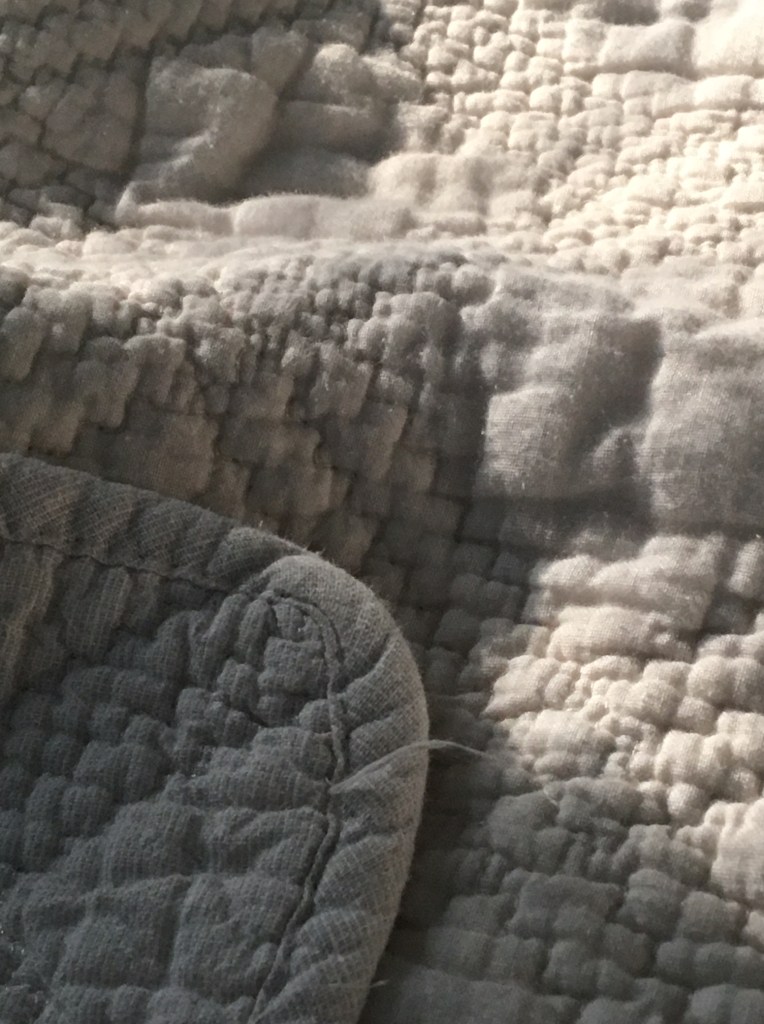
A life of mastery is built upon a mountain-range of mistakes and a dedication to never arriving. Keep walking. Keep growing and opening. Keep discovering ways to say more with less. Every once in awhile, it’s nourishing for the artistic soul to stop for a rest and crawl under the warm generous blanket of, “My work is good.”

Kerri’s albums are available on iTunes and streaming on Pandora

read Kerri’s blogpost about QUILTS

and goodnight/and goodnight…a lullaby album © 2005 kerri sherwood

Step Out Of Line [on Merely A Thought Monday]

“…the fountain of creative work is an intelligent questioning of the rules.” ~Alan Watts, Tao: The Watercourse Way

“If someone tells you they know, they most certainly do not.” It’s not a direct quote from Quinn but it’s close enough. Art school almost snuffed the art in me; there were so many rules and nary a hint of curiosity allowed in the studio. I fled into the theatre after a single year for fear of losing my heart to a book of rules. My theatre professors were explorers of nature. Their refreshing mantra was, “Well, let’s find out!”

What if…? What happens if…?

Nature is boundless expression. Boundless expression is human nature, too, until it is taught otherwise. Boys don’t cry. Be a good girl. Sit in your desk. Follow the rules. There’s a right way. My way or the highway…So much effort to force nature – your nature, your curiosity, to stand on a line.

Einstein revolutionized our world because he dared to posit that Newton had it upside-down. Thank goodness, as Alan Watts observed, “The scientist and the mystic both make experiments in which what has been written is subordinate to the observation of what is.” In other words, they look beyond established belief, expectation and entrenched norms into what is.

What is? Curiosity. A desire to know what’s over that hill. No child begins their life-walk by desiring to color within the lines. Lines are a learned thing. The word “wild” was invented by people whose ancestors emerged from the woods and who have forgotten that they, too, are part of nature – so have become afraid of stepping into the woods. What might they – we – find there?

“It’s not an idea problem,” David Burkus wrote in the HBR, “It’s a recognition problem.” Stepping beyond the known – a great definition of curiosity – is too often seen as an aberration or an assault upon authority. Nip it in the bud. Forcing flow into a fixed state invariably causes idea-blindness and the imperative to think-outside-of-the-box. Innovations are too often smothered in the crib by “What we know,” or “We don’t do it that way.” Coloring in the lines, once ingrained, is a life-long-book-to-follow.

I wish I had a nickel for every time I’ve been invited into an organization or hired by a client to help them “see what they cannot see,” and then subtly or not-so-subtly, been rebuked for opening their eyes to what is in plain sight…or the availability of alternative paths. “We want a vital arts program but we only want art that entertains,” said the school board after the student play asked a serious question of their audience. “…the scholastic theologians would not look through Galileo’s telescope because they considered that they already knew, from Scripture, the order of the heavens.” (Alan Watts)

Think outside the box – as long as you stay within the model or the expectation or the rules. So many models. So many lines. So in love with the struggle and afraid of the simple, natural joy of curiosity. Bend your will to the line. See what you are supposed to see and look no further. What, exactly, are we trying to control?

read Kerri’s blog post about CURIOSITY

Feed It [on KS Friday]

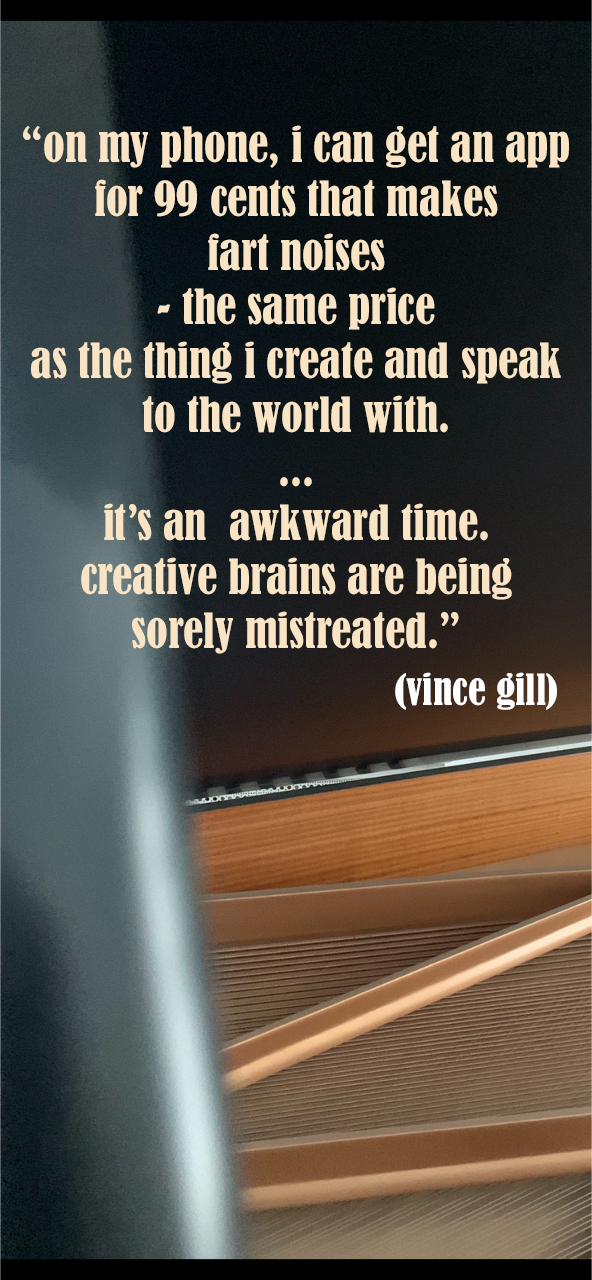
“The devaluation of music and what it’s now deemed to be worth is laughable to me. My single costs 99 cents. That’s what a single cost in 1960. On my phone, I can get an app for 99 cents that makes fart noises – the same price as the thing I create and speak to the world with. Some would say that the fart app is more important. It’s an awkward time. Creative brains are being sorely mistreated.” ~ Vince Gill

I am the first in line to tell you that everyone has a creative mind. Everyone. That river of ridiculousness running between your ears is nothing other than creativity-run-amok. What else? Telling yourself that you are not creative is, in itself, a creative act. Seeds planted early in life grow into mighty obstructions. Creative wastelands are created. If you want to hear a terrific appeal to educators to nurture rather than stifle the creative mind, listen to Sir Ken Robinson’s 2006 Ted Talk. It’s appropriately titled “Do Schools Kill Creativity?”

I’ve listened to numerous school boards tell me how much they truly value the arts – until it’s time to pay for it. Sadly, it’s not a question of whether or not they value the arts; it’s that the arts, the creative minds, do not fit any of the standards of valuation against which all things are measured. They do not know how to value the creative minds that they steward. Arts organizations and artists, mostly, are not money makers. Creative minds, creative acts, do not fit in the boxes and are not measurable on standardized tests. Thinking outside of boxes is, after all, the point of a creative mind. Metrics and goals stop a creative mind and heart in its tracks. The cruelest thing you can ask any artist to do is write a grant.

And yet, an artist has to make a living. Yaki asked me if I had to choose between making a living and making my art, which would I choose? I answered, “Art, of course,” but that it was really a question of Maslow’s hierarchy: it’s hard to make art when you are not surviving. What I didn’t say is that his question perfectly captured the reason schools kill creativity and creative brains are sorely mistreated: it is assumed one must choose between. Making a living and thriving creativity are understood as oppositional.

How many parents have tried to dissuade their children from following their passion for the arts? How many times have I heard Kerri say of the stacks of music on her piano waiting to be recorded, “What’s the use?” How many times have I sat in my basement studio looking at my stacks and rolls of paintings and wondered, “Why bother?” We do it to ourselves, too.

And then, the phony metric falls and we breathe, pick up our brushes and sit at our keyboards. There is a river of riches that runs deeper than money. It is, after all, a creative act to kill a passion. It’s also a creative act to feed and nurture an artistic soul. Both. It’s what the school board doesn’t understand: the choice is not between making a living or living as an artist, the choice is between feeding inspiration, expanding a creative mind, or smothering it.

read Kerri’s blogpost about CREATIVE MINDS

Kerri’s albums are available on iTunes and streaming on Pandora

watershed/as it is © 2004 kerri sherwood

Take Another Sip [on DR Thursday]

I am spending a significant amount of time studying software. An unlikely task for an artist that prefers brushes and canvas over screens and keyboards. This improbable exploration follows a trend in my life: much of my work has taken place in foreign arenas. I love it because I learn. I love it because I am completely prepared to fail: a trait necessary to walk an artist’s path. To learn, it is necessary to begin in unknown places and make big mistakes. The same rule applies to creation. “Make big offers,” John used to say to his actors. “See what happens.”

Yesterday in my software study, I read about Mathilde Collin, the CEO of Front. She inspires me. She believes work should make people happy. She believes people shouldn’t dread getting out of bed in the morning. She believes in balanced-lives and finding each person’s “genius zone” and leaning into it. She knows a healthy culture doesn’t just happen, that it must be created and tended. And modeled. She believes paths to prosperity must include everyone.

I’ve also spent some time with Evariste Galois. He was a French mathematician who died in a duel at the age of 20. The night before he died, so the story goes, believing it was his last night on earth, he compiled and wrote his thoughts, his life’s work. What he left behind has kept mathematicians busy for more than two centuries. I’m not a mathematician but I am a systems guy and Galois’ Group Theory is useful when studying cultural change – or, more to the point, why it often looks like change but doesn’t really change. Rearranging deck chairs on the Titanic. It’s useful to consider when products are being developed – or stories – when they iterate but go nowhere.

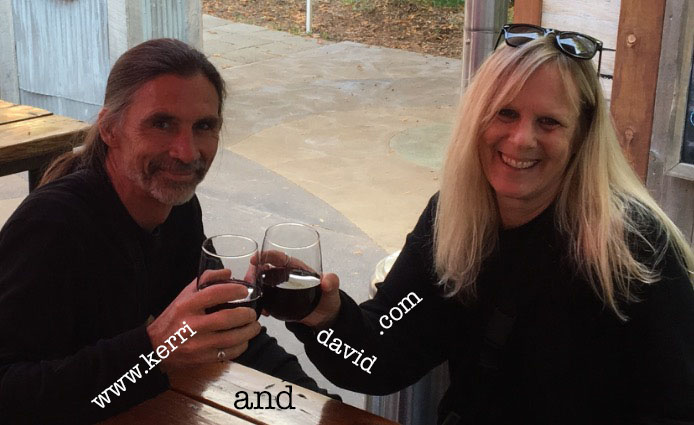
When I come down from the office I am often glazed. Kerri gives me a glass of wine and steers me to the Covid table. While I stare at the bubbles in the wine she makes a snack. Food and wine always bring me back to the land of the living. After a cracker and cheese, a sip or two, I blink my eyes and she says, “Welcome back.” She knows better than to ask what I did at work. A time or two I’ve taken her hand and headed back toward the mind-cave and she’s learned to dig in her heels. “I learned the most amazing thing,” I say. She responds, “Take another sip and we’ll talk about it later.”

Mathilde Collin. Evariste Galois. Both are French and it only just occurred to me that they share the same country of origin. Revolutionaries both, believing that the systems should work for the people – rather than the people working for the system. Life should feed passions. Evoke personal genius. Happiness.

All of this good stuff from a stumble into the land of software.

“Take another sip,” Kerri prompts. I blink my eyes. “We’ll talk about it later.”

read Kerri’s blog post about WINE BUBBLES

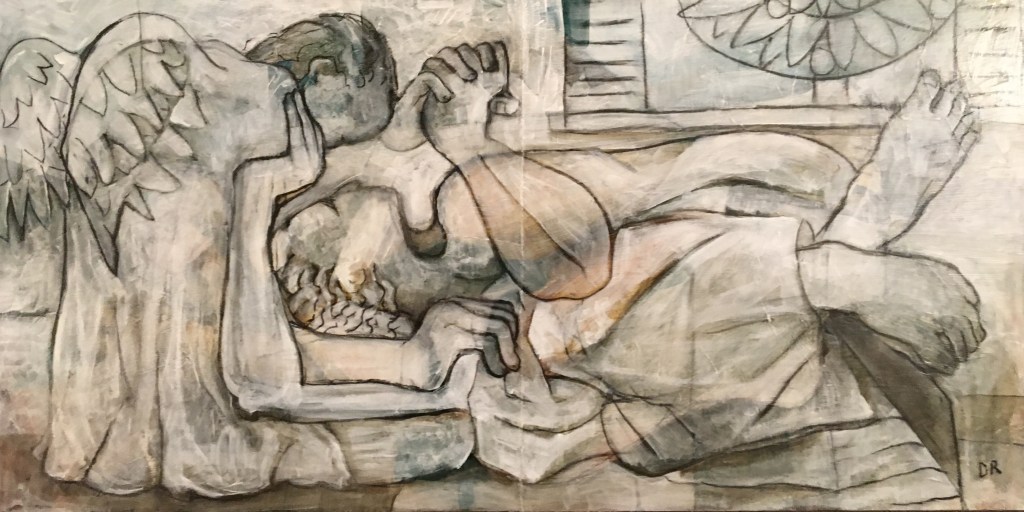
in dreams i wrestle with angels © 2017 david robinson

Count It [on Not So Flawed Wednesday]

187 box framed copy

People like to count things. Kerri and I are people so it only follows that on this melange anniversary week that we’ve been counting all manner of things. 52 weeks. 5 posts a week. 260 posts times two. 520 posts between us. What does it mean? Nothing of consequence.

People like to count things. Isn’t it true that, as the proverb states, a journey of a thousand miles begins with a single step. And, after the thousand miles journey, sitting in the sun by the side of the road, who wouldn’t try to calculate the actual number of steps? Just for kicks? What does it mean? Nothing really.

187. The number of product lines that Kerri designed in the first 6 months of the melange. Not single products, but entire lines. From art prints to bath mats to tote bags to cell phone cases. In our week of counting, it is the single number that astounded me. It was the aspect of the melange that required the most amount of time and effort.

It was also fun. I loved watching Kerri design. She becomes hyper-focused. Passionate. Impeccable. I was mostly beckoned for feedback. “What do you think about…?” Usually, there was no answer required. In asking the question she generally identified her preference and was back to working before I said a word.

People like to count things. It is another way of telling the story. Well, at least a part of the story. 187. 520. What does it all mean? Nothing really.  The numbers are the least part of the story. The simple joy of working together, the river of ideas shared along the way. The heart conversations. The laughter. There is no number capable of capturing what happened in the midst of all those steps.

anniversary haiku copy

read Kerri’s blog post about 187


[Here’s the very first Flawed Cartoon Wednesday. I thought (and still think) these cartoons are hysterical. The number of people who went to the Flawed Cartoon store: 0. What does it mean?]:

wienerdogsledcorrectspellingJPG


if you'd like to see FLAWED CARTOON copy[Do it! Go to the store just for kicks! You’ll be the first!]


standing in vail website copy


flawed cartoon ©️ 2016 david robinson & kerri sherwood