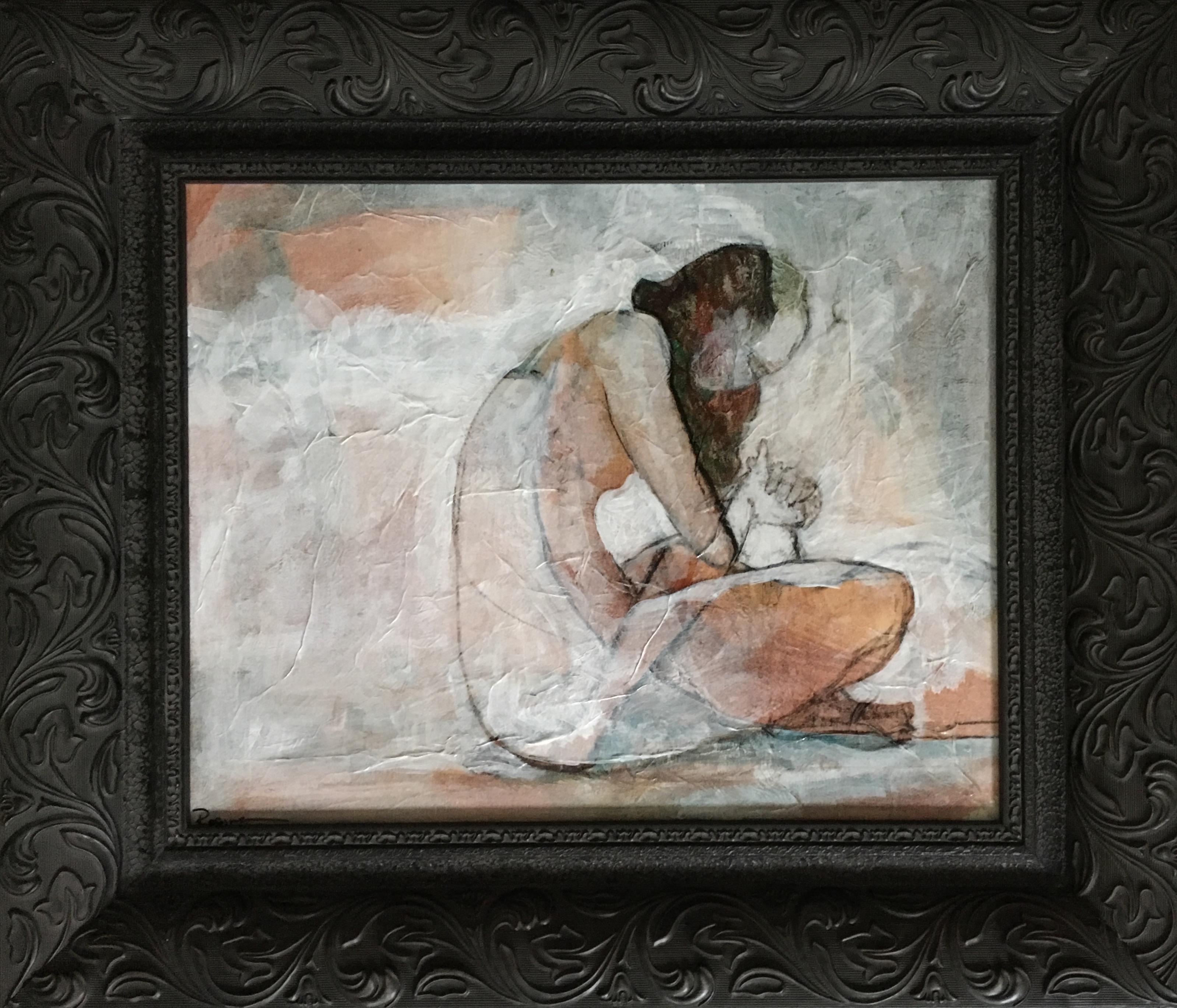
Survival Tips [David’s blog on Two Artists Tuesday]

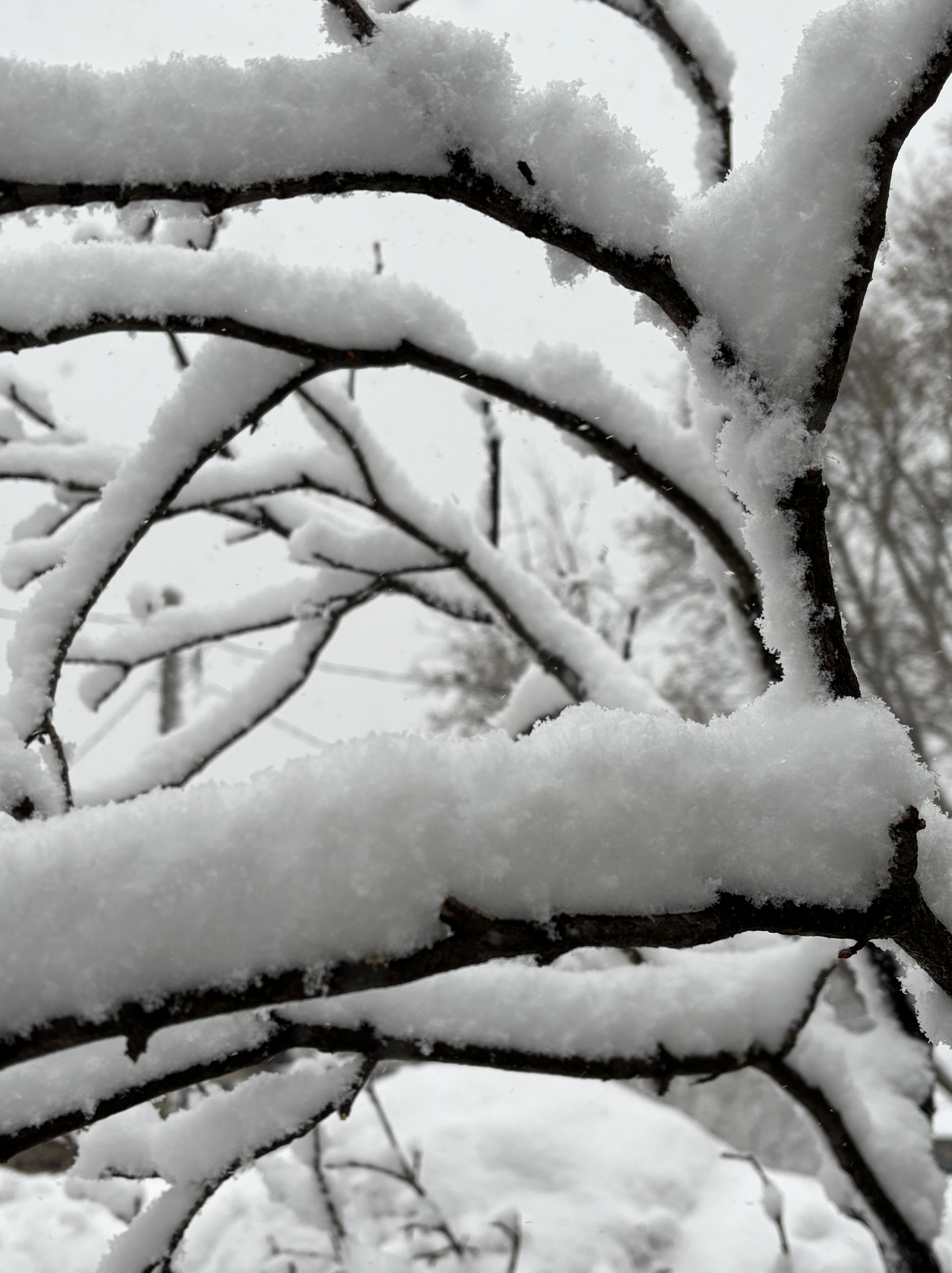
MM asked if we had any snow yet. He lives in California but entered the earth in Iowa so he knows snow. We swapped tales of cars sliding on ice and other seasonably appropriate tips for survival.

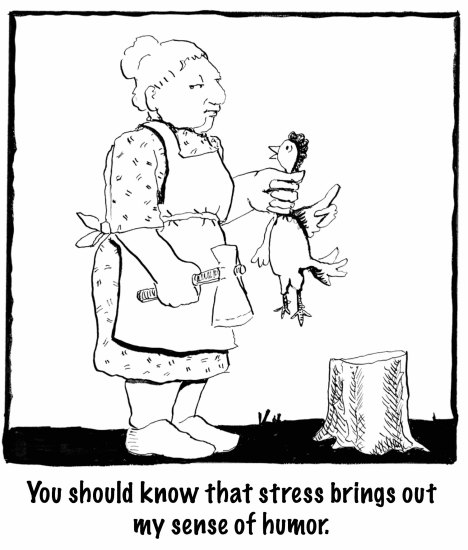
As I write this it’s in the single digits outside. We have more than our feet under a quilt. Consider “write while buried in blankets” a winter survival tip.

Our ice-damming issue is not yet resolved but it’s so cold outside that the water is not flowing. The heat of the house is no match for the polar freeze so nothing is melting. Here’s another survival tip: When there’s nothing to be done about the problem then it’s a good idea to do nothing. Get under the quilt and write. If writing is not your thing then just get under the quilt.

We are fans of Life Below Zero. All too often the people in the episodes ride their snowmobiles down frozen rivers or across the icy tundra when the temperatures are minus-fifty-degrees. It never fails, at the same moment we say, “I couldn’t do that.” Which, as it turns out, is another survival tip: know your limits.

We discovered our ice-damming issue in the middle of the night which meant I was climbing a ladder in the cold-dark-night with pitchers of boiling water to open the gutters and downspout and give the water a path that did not include the inside of the house. After a few hours the aluminum ladder was covered with ice (former boiling water that splashed); my gloves – also wet – were sticking to the ladder. Sometimes it is not enough to know your limits; you must act on what you know. Consider this an important survival tip.

If you know your limits and honor the limit you know, then your chances of living another day are greatly increased. Here is perhaps my best survival tip: when you find the limit but are tempted to cross it with delusions of grandeur or inflated feelings of importance, imagine a mug of hot coffee, pumpkin pie and warm quilts – the simplest joys of survival, the epicenter of thriving. When standing at the bottom of a frozen ladder at 2am with yet another pot of boiling water, it will help put things into perspective.

Having some perspective is, perhaps, the most awesome survival tip of all.

read Kerri’s blogpost about SNOW

likesharesupportcommentthankyou

Cartoon Worthy? [David’s blog on Flawed Wednesday]

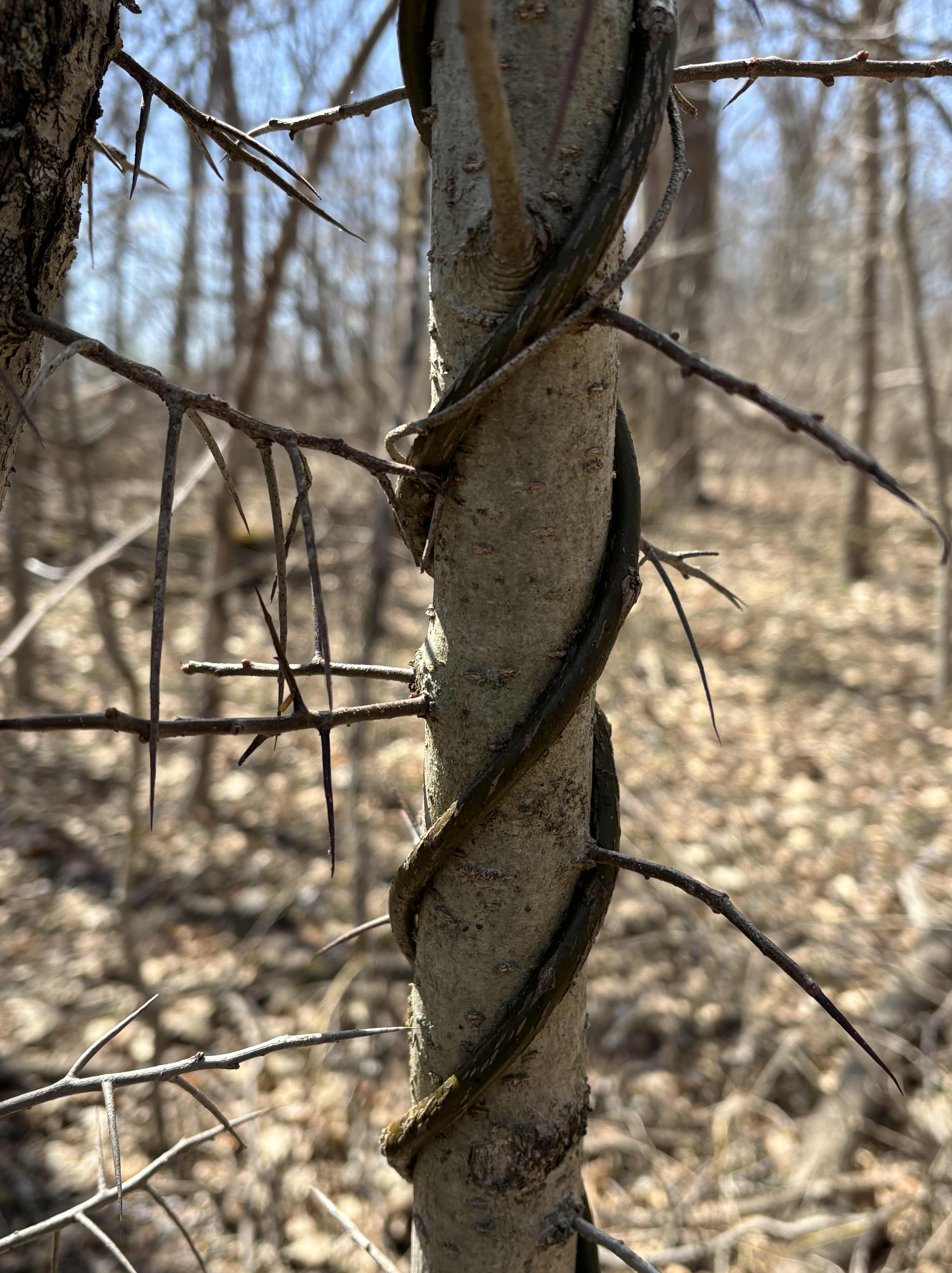
It was unusual. The vine coiled around the tree like a boa constrictor. It seemed in no hurry to squeeze the life from its captive, content with the threat of imminent constriction. “Now, that’s a happy thought,” she said.

I’m bumping into a problem I’ve never before encountered. MM is prompting me with many great cartoon ideas borne of the daily outrage from the baggy blue suit and his clown car cabinet. My problem is twofold. First, they lampoon themselves so completely that every drawing seems like been-there-done-that. Since they are already dedicated made-for-tv-cartoon-characters, a kakistocracy (governance by the least competent), the challenge seems less about poking fun and more about cartooning cartoons. It’s dangerously redundant. How does one lampoon a president who posts pictures of himself as the Pope or a Jedi knight? He’s doing an excellent job of making a fool of himself. As is his cheering squad.

Second, their entire media strategy is meant to keep us outraged. Outrage is a very potent drug. Outraged people do not think clearly. They react. They hunker down in their reptile brain. I’m having an inner debate about my part in fueling the outrage. I’d love to draw cartoons that moved folks forward into their neocortex and engage their higher order thinking. Critical thinking is, after all, the enemy to MAGA, the fox, and this Republican administration. “Stop and think about it” is exactly what this administration and their propaganda machine does not want us to do. We might then see what is actually happening behind their comedy-chaos-curtain.

Stop. And think about it:

We have a Republican party whose characters strut like cowboys (even the cowgirls don bulletproof vests and pull their rhetorical pistols at the least sign of altercation) and yet, day after day we witness events like the vomit-inducing-sycophancy of the most recent cabinet meeting. Really. Stop and think about it: emasculation is the price Republicans pay for playing the role of cowboy for their leader. This lean, mean, destruction machine is all strut and no cajones.

Republican cowboys’ self-castration might be a worthy cartoon.

Hypodermic needles filled with outrage might be a worthy cartoon. A drug den of people screaming at each other while the dealer makes off with their wallets and purses.

Legislators who preach free markets but prohibit free thinking – that might be a a worthy cartoon.

The party that loudly promotes itself up as champions of limited government while imposing draconian limits on the rights of the many to give unlimited privilege to the few – that might be worthy. Imagine armored knights high atop war horses trampling unarmed peasant farmers while patting themselves on the back for their strength and courage.

Oops. I’ve worked a circle back to outrage. Outrageous.

One wonders when the red hats will move out of their reptilian brains and recognize that they are wrapped by a boa constrictor. They, too, strut like cowboys and do not see how they castrate themselves. Cartoon worthy? Or simply too sad to stop and think about?

read Kerri’s blogpost about THE VINE

likesharecommentsupportsubscribe…thankyou.

Yes. It’s Like That [David’s blog on Two Artists Tuesday]

I used to wonder how Emily Dickinson, living most of her life in the isolation of her family home, could write poetry so soul-expansive. Her world of experience was impossibly narrow yet her view into the human heart so broad and deep. I am no longer confused about the limitlessness available in a tiny garden. There is more life teeming in our small backyard than I can possibly comprehend.

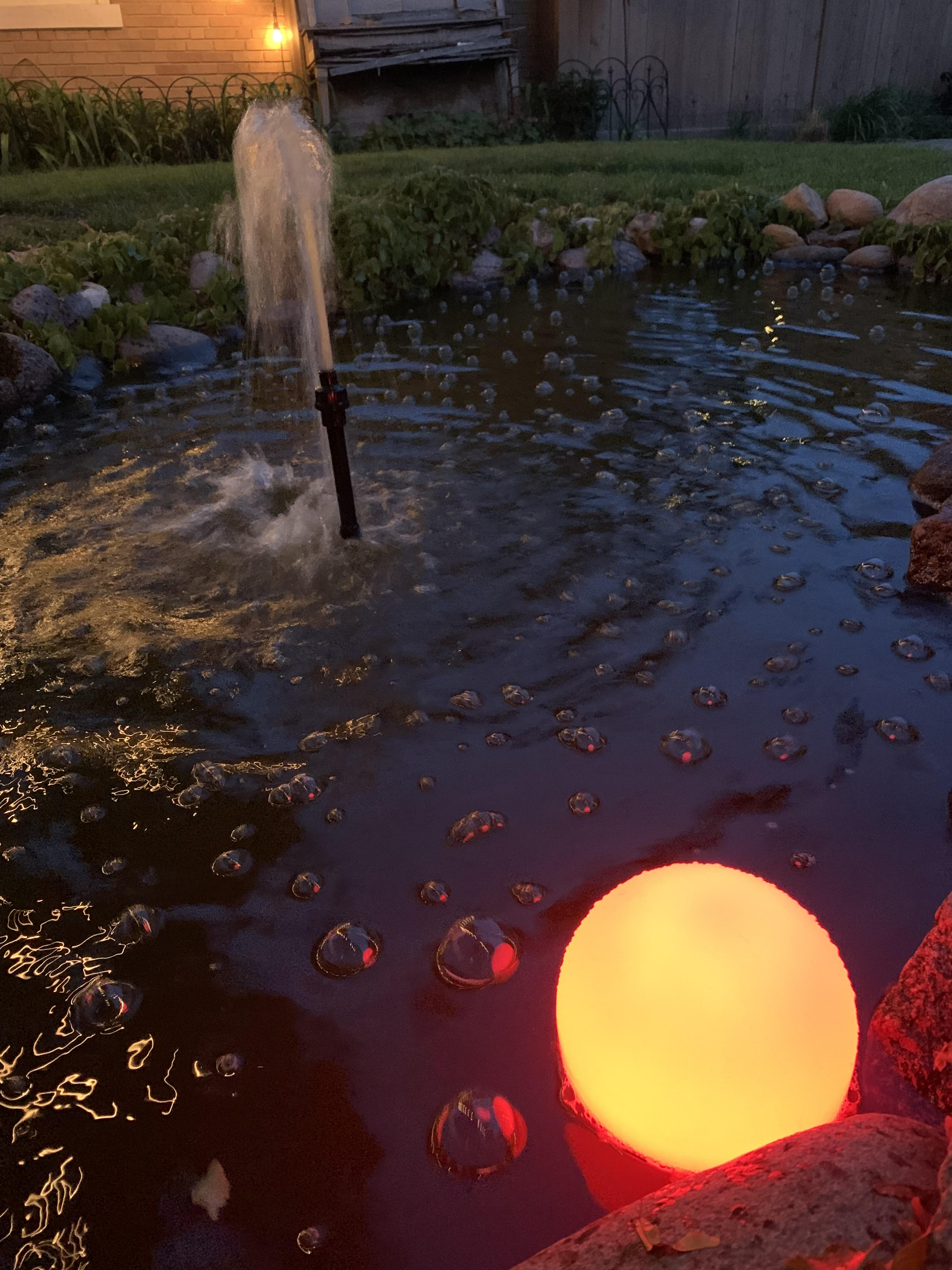
It had been years since we gathered with the Up-North gang in our home. They commented that our yard was “zen”. It’s true. We’ve come to think of it as our sanctuary. A creation borne of Covid isolation, of necessity during the pandemic, we brought our full attention to the only place in the world that seemed safe. Our yard. Over long winter months, sitting at the black table in our sunroom, we stared into the backyard. We watched the patterns of the birds and discovered the nests of bunnies and chipmunks. We watched with awe the subtle changes of seasons and the play of light. We wondered how we could make our safe space more comfortable for us and amenable to the plants and animals. We dreamed. And slowly, throughout our isolation and beyond, we carefully attended to our peace-of-heart. Is it no wonder that we now adore sitting in our yard, daily trying to comprehend the abounding life within our eyesight?

Emily Dickinson wrote her poems from just such an expansive place. Lately I feel an affinity with her. More than once, lost in wonder, I have thought, “How can I possibly describe what I’m seeing and feeling?” I understand, like Emily, it’s not possible to capture, but isn’t that the artist’s job, the poet’s errand, to somehow express that which is beyond our capacity to grasp? To bring hearts and minds together through a poem or play or a composition, so we might together whisper, “Yes. It’s like that.”

read Kerri’s blogpost about THE ORB

share. support. like. comment. subscribe. we appreciate it.

Blur The I [on Not So Flawed Wednesday]

We capture quotes all week. Some we see. Some we hear. Some find their way into the Melange. Most do not. We usually note where we heard or found the quote so we remember the context. It’s a practice. It’s not as if we are perpetually eavesdropping on conversations. We’ve simply tuned ourselves to immediately write the amazing words and phrases that catch our attention.

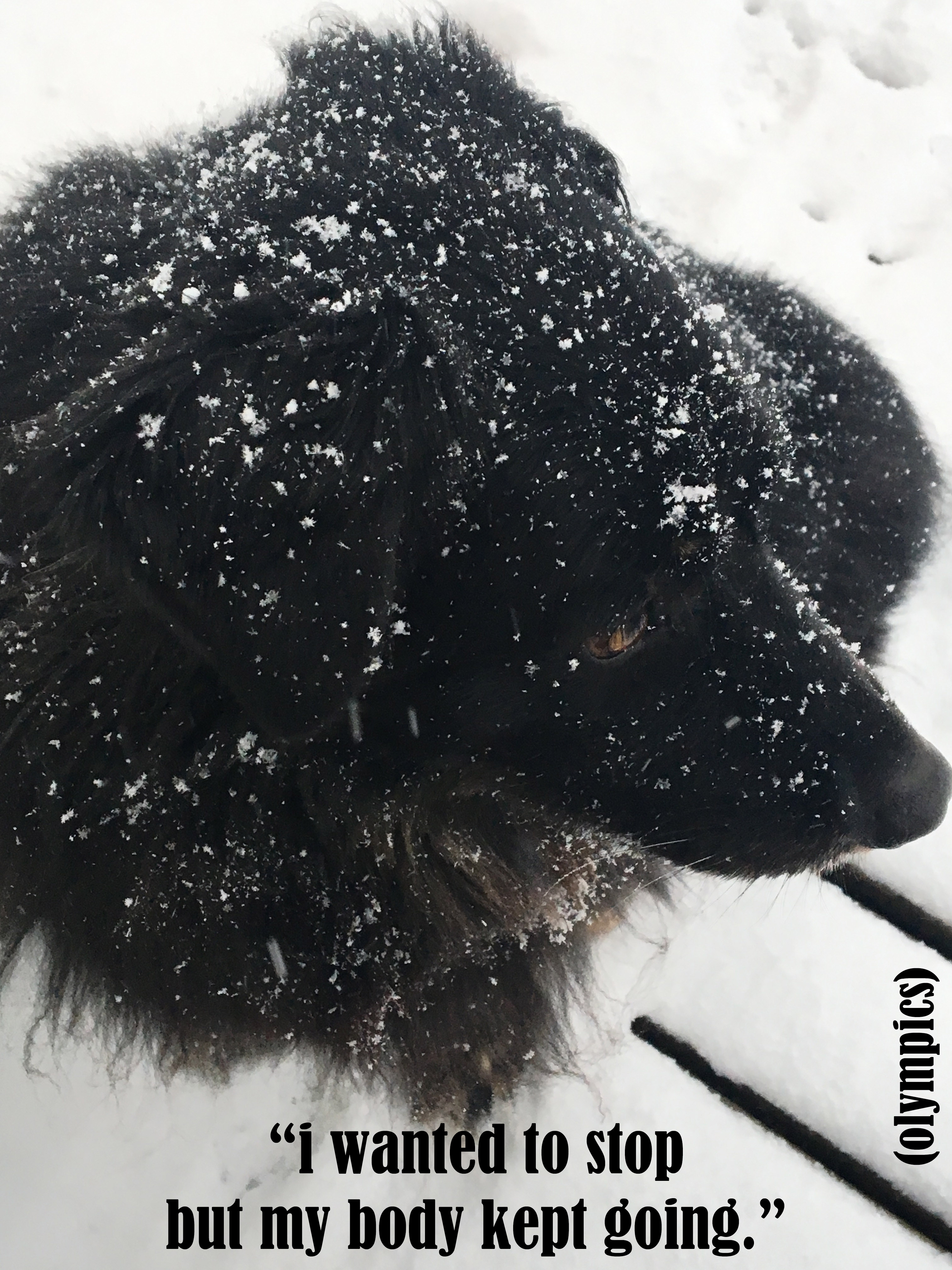
A common phrase is mind-over-matter. Athletes and actors and dancers are conditioned to ignore the limits of their bodies. To keep going. The mind as master over body. I loved this quote because it is the flip side. The mind, the “I”, wanted to stop but the body did not listen. It kept going.

Lately I’ve been reading about – so, paying attention to – the false separations that language necessitates: Mind and body are spoken of, thought of, as separate things. And, the question is this: where does one begin and the other end? Mind over matter. Body did not listen. I made myself do it. Once you start listening for it, it is ubiquitous. Exactly where is the line between “I” and “myself”? When your toe is in pain, isn’t your whole body is in pain? Follow your gut. What does your heart say?

When Dogga gets excited, his little body bounces. He runs in circles. He has to work hard to sit still. Say, “Do you want to go…” and he’s bouncing before the words “on errands?” reach his ears. He knows he won’t actually go on errands until he first sits on the rug. Eventually, he bounces his way into compliance. Control follows unbridled enthusiasm. Control is a means to an end. Rug before errands. Sit before snack.

Dogga might say, while bouncing enthusiastically, “I wanted to stop but my body kept going!”but I doubt it. Given his unified happy spirit, I’m certain the phrase would come out of his muzzle this way: I wanted to stop but I kept going. Watching him is like reading the I-Ching: no separation.

read Kerri’s blogpost about I AND BODY

Harness The Energy [on KS Friday]

boundaries song box copy

Lately, in my new role as co-managing director of a performing arts space, I find myself repeating the same simile/metaphor over and over and over and over… (insert Kerri’s eye roll). This week, my favorite-simile-repetition goes something like this: communication is like a river, it needs proper banks if it is going to flow. Without banks, it spills out all over the place flooding basements and creating havoc.

Needless to say, our job thus far is largely about placing proper banks on this flood plain of communication. Placing proper banks, at first, creates consternation and resistance. No one likes a limit until the limit works in their favor, until the constraint makes life easier.

Boundaries. Limits. Constraints. It is what I adore about the arts: freedom of artistic expression is the result of discipline, technique, and practice. And, the heart-desire of discipline, technique and practice is unfettered play. It is a paradox. It is boundaries placed on a rushing torrent so it can flow. The harnessing of creative energy. Communication is an intentional art and art is communication with an intention.

Kerri’s BOUNDARIES is a bubbling brook, bright with the morning sun, tumbling and playful within its banks. It seems so easy, her flow. But I know the truth. This ease and flow, this call to put your feet in the brook and rest for awhile with the sun on your face, comes from the years and years of hours and hours and hours of practice. Boundaries. A riverbank, a limit that will work in your favor. It is the creative flow through a heart that desires to play and play and play.


BOUNDARIES on the album RIGHT NOW is available on iTunes & CDBaby


read Kerri’s blog post about BOUNDARIES


tpacwebsitebox copy


boundaries/right now ©️ 2010 kerri sherwood

Share Fatherhood [on DR Thursday]

MASTERshared fatherhood II close up copy

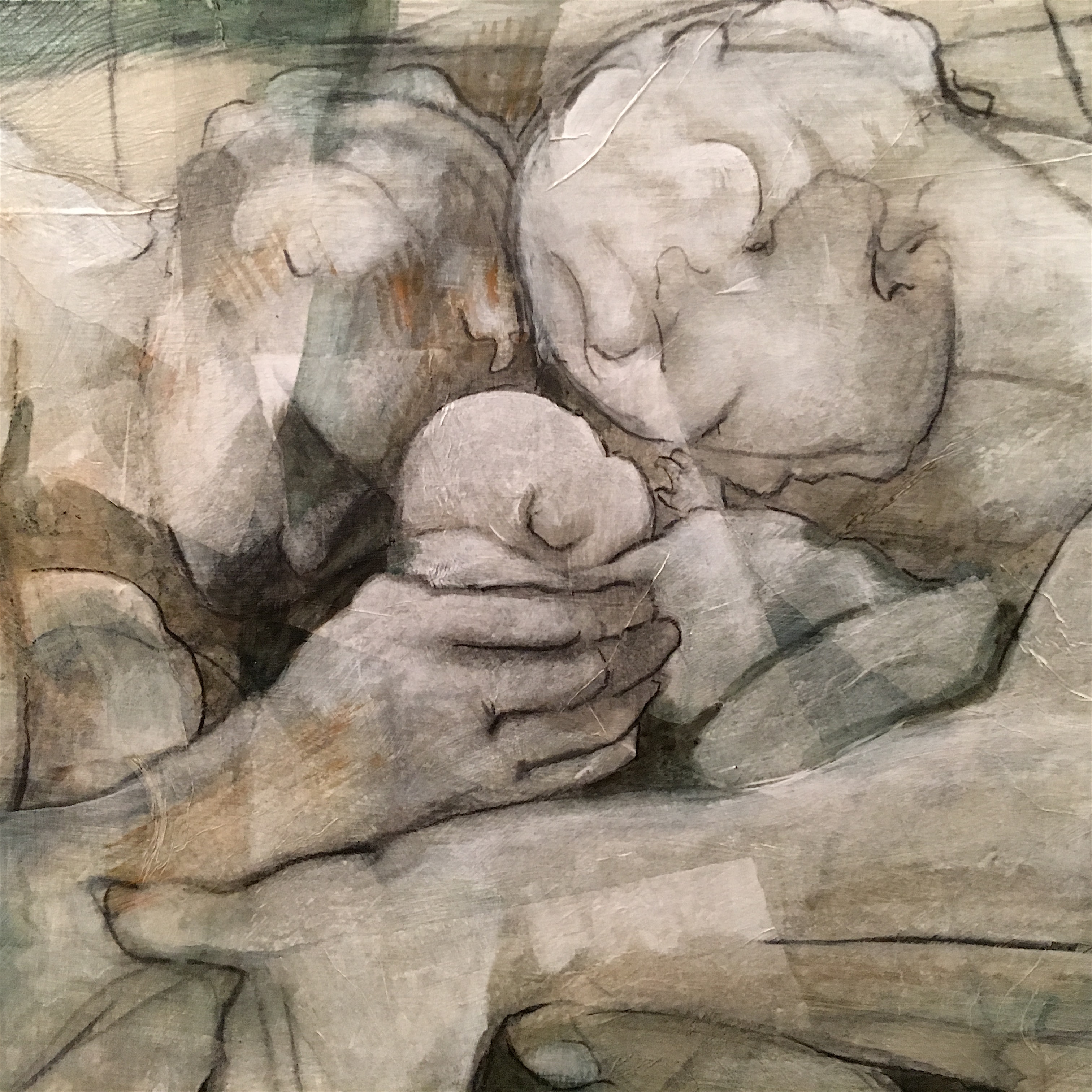
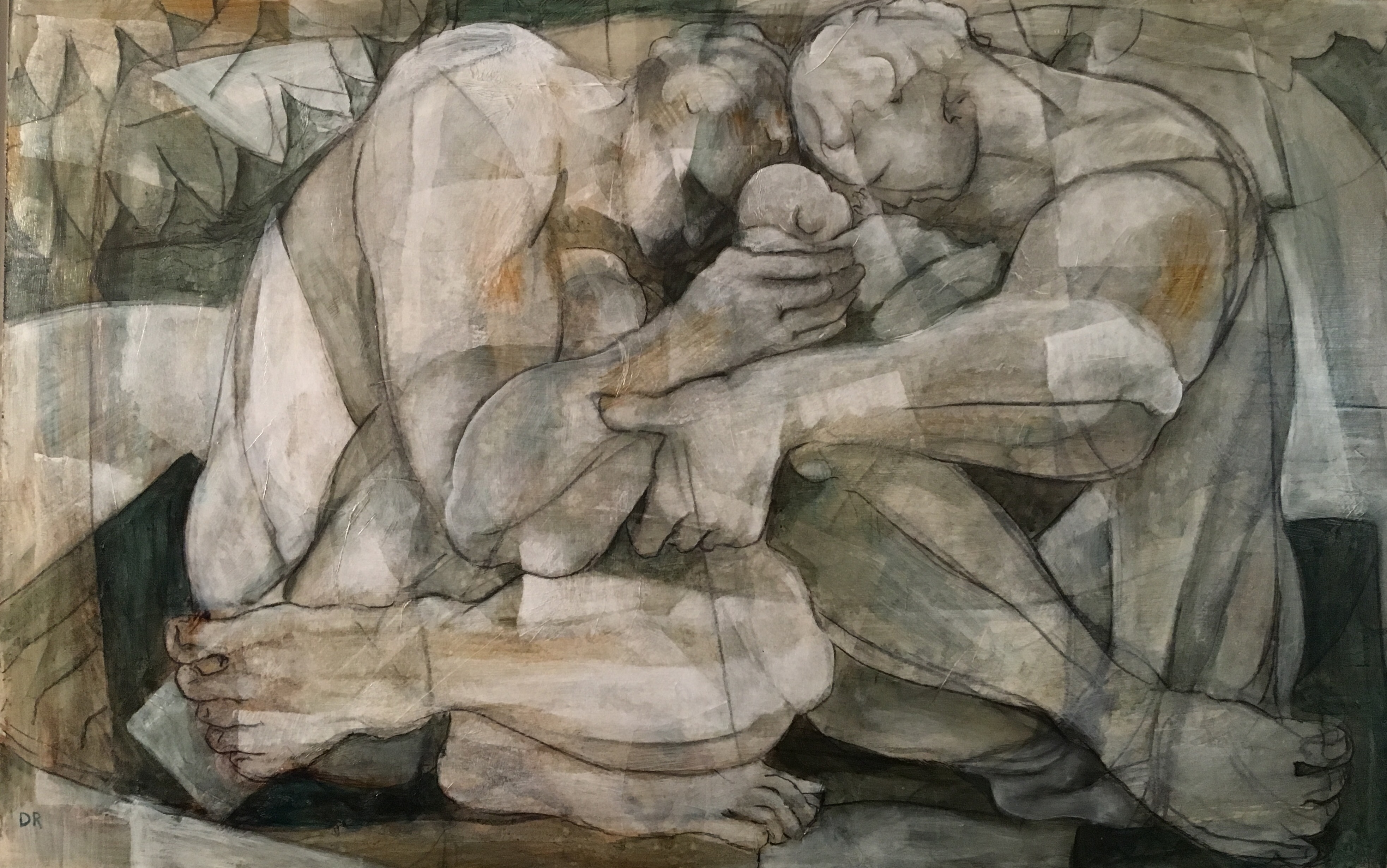
a morsel of Shared Fatherhood II

This is what I believe:

People write words and books.

People make distinctions, create borders, build walls.

People make rules and laws.

People make judgments and justifications.

People make agendas. People make politics.

People exploit other people.

‘God,’ like ‘love,’ is a word we use to point to something boundless. Love, like all the Gods, is beyond comprehension. That is why the two words, God and Love, are often synonymous. They point to that which cannot be defined, contained or limited.

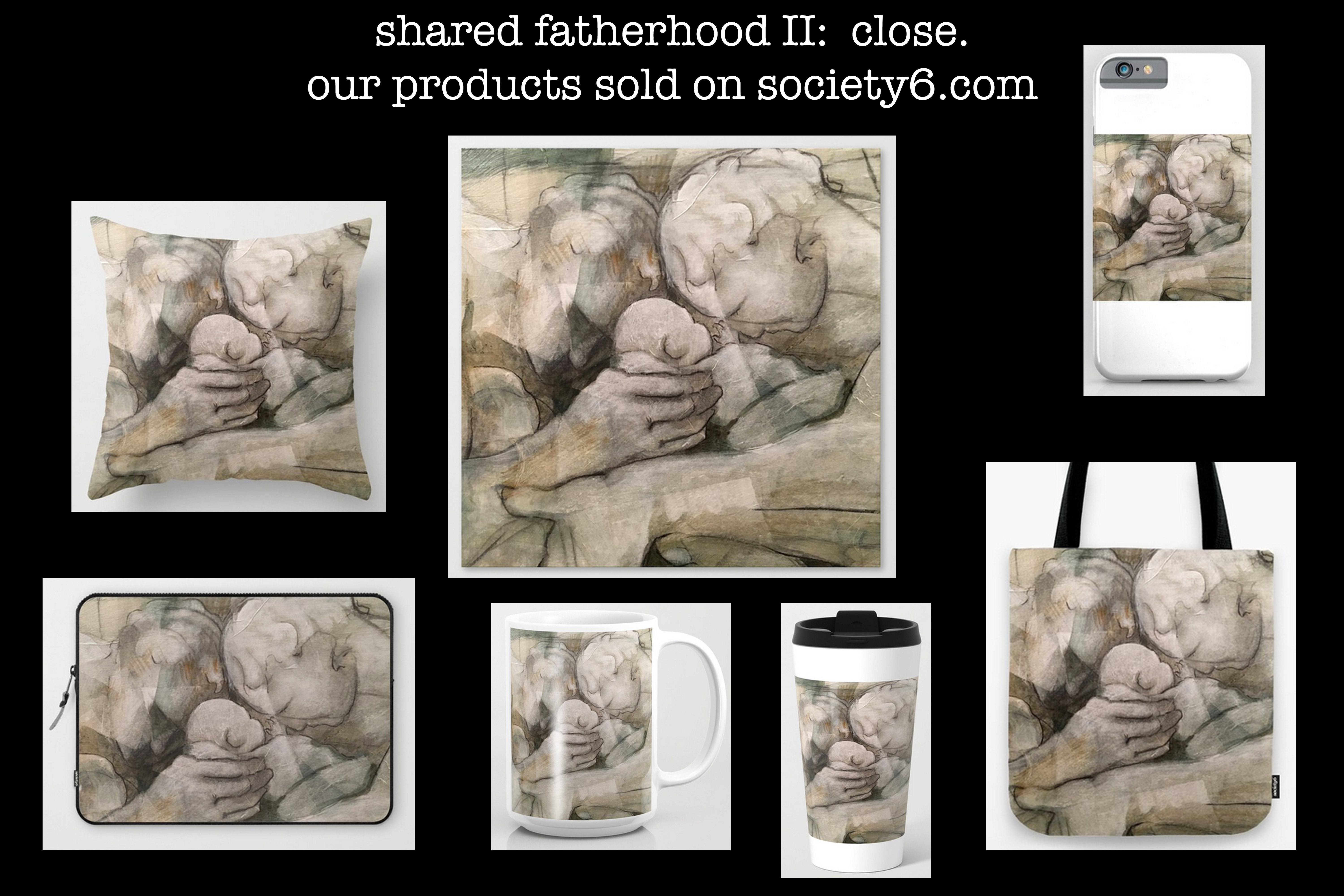
sharedfatherhoodII close product BOX copyIf you hear that ‘God has written’ or that God has ‘placed boundaries’, like gender distinctions, on ‘love’ then you can be certain of one thing: someone has either confused the writings of people for the unfathomable expression of love or there is an agenda in play. Either way, the limit has nothing to do with Love or God.


read Kerri’s blog post on SHARED FATHERHOOD

www.kerrianddavid.com


shared fatherhood II: close ©️ 2018 david robinson and kerri sherwood

shared fatherhood II ©️ 2017 david robinson

Stay Fully Alive

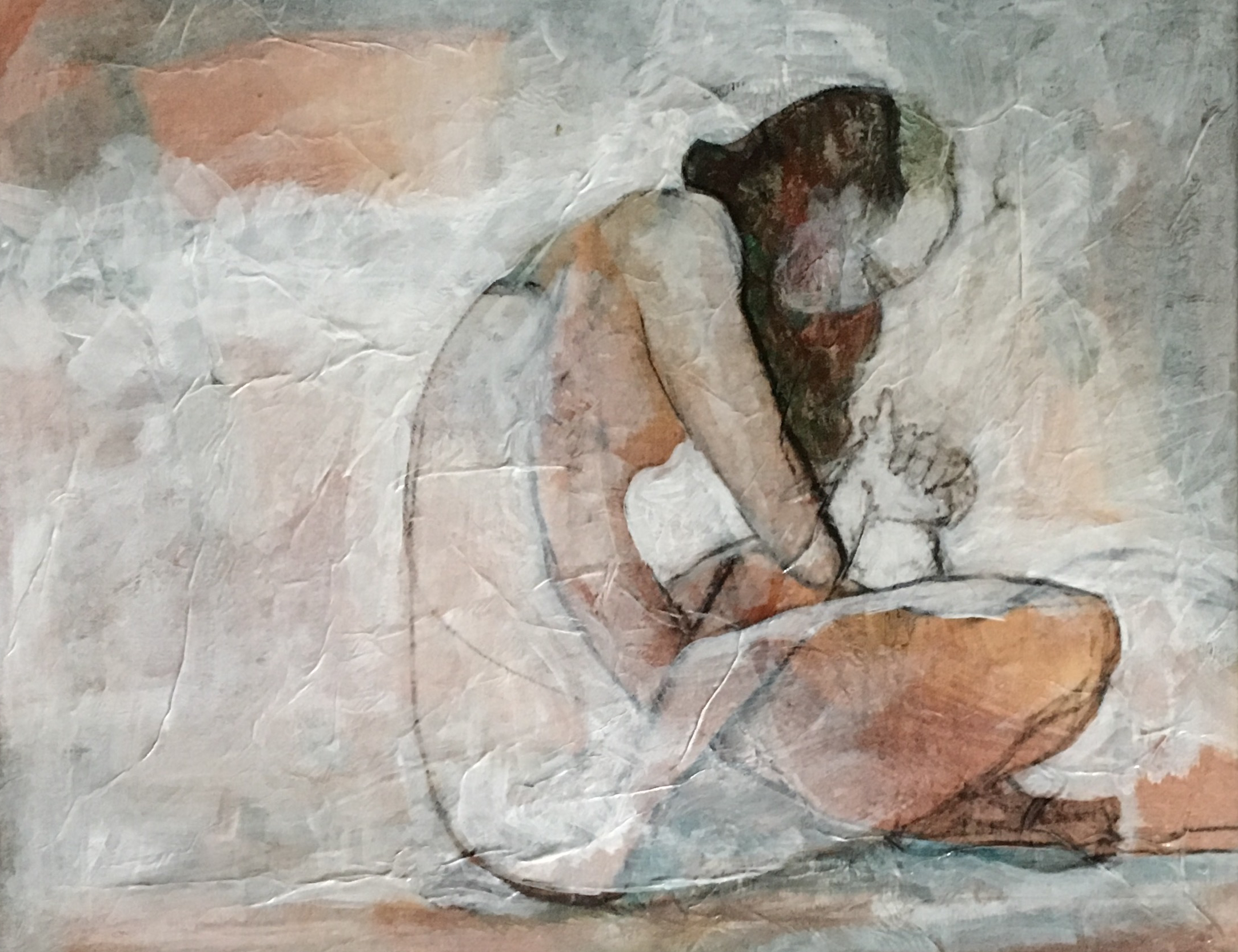
a more recent smaller painting: In Quiet Prayer

Horatio issued me this challenge: do something new, something you’ve never done before. Paint something different, something that boggles you.

I love this challenge. In other words, step out of your comfort zone. Dare to not know where you are going. Make a mess with great gusto and intention. Court chaos and wrestle it into something that resembles order for you and no one else.

Horatio might have said, “Dare to see again, purely, with no filters, knowledge, or preconceptions.” He might have added, “What might you see, who might you be, if you stepped beyond the safety of your ideals, your beliefs, and great mass of weighty and important knowledge?”

The child in me, the one not yet accustomed to sitting in a desk or raising my hand or waiting my turn would loudly sing the answer: You’d be fully alive! I’d be fully alive.

from a few years ago, a larger piece: Meditation

I’ve always appreciated how similar are an artist’s path and that of a spiritual seeker. The aim of the exercise is the same. A meditation practice to still a busy mind is identical to an actor’s training to be fully present on the stage or a painter’s pursuit to see purely (to see without the disruption of interpretation). On both paths, truth is a fluid thing. Truth is what is happening right now. What happened yesterday or may happen tomorrow are distractions at best. They are stories that get in the way. They are of no consequence to this moment of living, this moment of aliveness. It is, an actor learns, a fool’s errand to attempt to repeat yesterday’s performance.

Horatio’s challenge is relevant for every human being wrestling with the big questions or trying to stave off or make sense of the chaos. Dare to dance with what’s right in front of you. Dare to drop the questions.

Picasso famously said that every child is an artist. The problem is to remain an artist once he or she grows up. He might well have said that every child is fully alive. The problem is to remain fully alive once he or she grows up.

playing around with simplicity. This one is hot off the easel and not yet named.

this is how she looks in a frame. Magic!

Save

Save

Save

Save

Save

Save

Stand In It

photo

a detail from a recent painting

A surprise package came in the mail. It was a gift from David, my artist’s artist. He sends me things to feed my artist soul, to stir my pot or help me sort out my dilemmas. This gift is more timely than most; it is especially relevant for me now. It is a book of photographs and essays by Walter Kaufmann called Time Is An Artist. I’ve barely cracked the cover and already know it carries the wind that will fill my becalmed life-ship.

This is a quote from the first essay: We always live at the limits, but we are rarely aware of it.

I woke up this morning awash with gratitude for a man who stood in line behind me at an airport ticket counter over 30 years ago. I was returning from Europe. I had a hundred dollars and some lose change in my pocket. I was exhausted. I’d flown from London and landed in a blizzard. My connecting flight from D.C. to Denver was cancelled. Because I was traveling on a cheap open-ended student ticket, the cancelled flight meant I was stuck with no way home. I didn’t know what to do and was too tired to sort it out. I was desperate and lost in my desperation. That’s when the man tapped me on the shoulder. He was a guy in a rumpled business suit. That’s all I remember about him. He was also trying to get home. He’d just heard someone mention an airline offering a cheap flight to Denver. It was $89.00 ($100 with tax). I ran for the ticket counter and snagged one of the few remaining tickets.

That’s it. That’s what I remember about this man who tapped me on the shoulder. To him it was probably a little thing. To me it was enormous. I needed hope beyond desperation. I was investing in a story of limitless problems and was met with a moment of generosity.

It seems that I am in a life course, a graduate school for detachment. Last night P-Tom shared a quote that was important to him when he was doing his chaplaincy in a hospital: Don’t’ just do something, stand there (a reversal of the known quote). Stand there. Amidst the grief and the loss and the mess, sometimes it is essential to do nothing but offer presence. The man at the airport gave me his presence. Beyond his situation he was listening to my struggle.

Detach from your story and the gift will be gratitude. What rolls through our minds is nothing more or less than a story. Eckhart Tolle tells us the story is a force that pulls us out of the Now. Carlos Castaneda writes that Don Juan taught him 3 steps on the warrior’s path: Detach. Make a choice. Own the choice. One of the primary reasons people meditate is to quiet the mind. In the quiet it is possible to see the story as just that, a story. Detachment, in this sense, is not disengagement from life or cold aloofness from reality. It is the doorway to life. Stand in it and not the story of it.

Gratitude lives in the Now. Where else?

photo-2

another detail from another painting. kerri says this one looks like gratitude

The man at the airport was on my mind because I have learned in this life-course that gratitude is best served in thimbles: the taste of the pear, the sun on your face. The man tapping your shoulder, “Hey, I just heard….” I thanked him before running but the real gratitude came later. Gratitude came again this morning because I was telling stories of the good angels who’ve populated my path.

Real gratitude for this life lived perpetually on the edge is often lost when the expectation-bar is set too high. To be grateful for your life – your whole life – is… an abstraction. It requires a story that pulls you away from this bite. It is a bucket too big. Savoring is a slow affair, available in the smallest taste, right now.


Release The Edge

photo-4

Usually, there is a lake….

Hope begins in the dark, the stubborn hope that if you just show up and try to do the right thing, the dawn will come. You wait and watch and work: you dont give up. ~ Anne Lamott

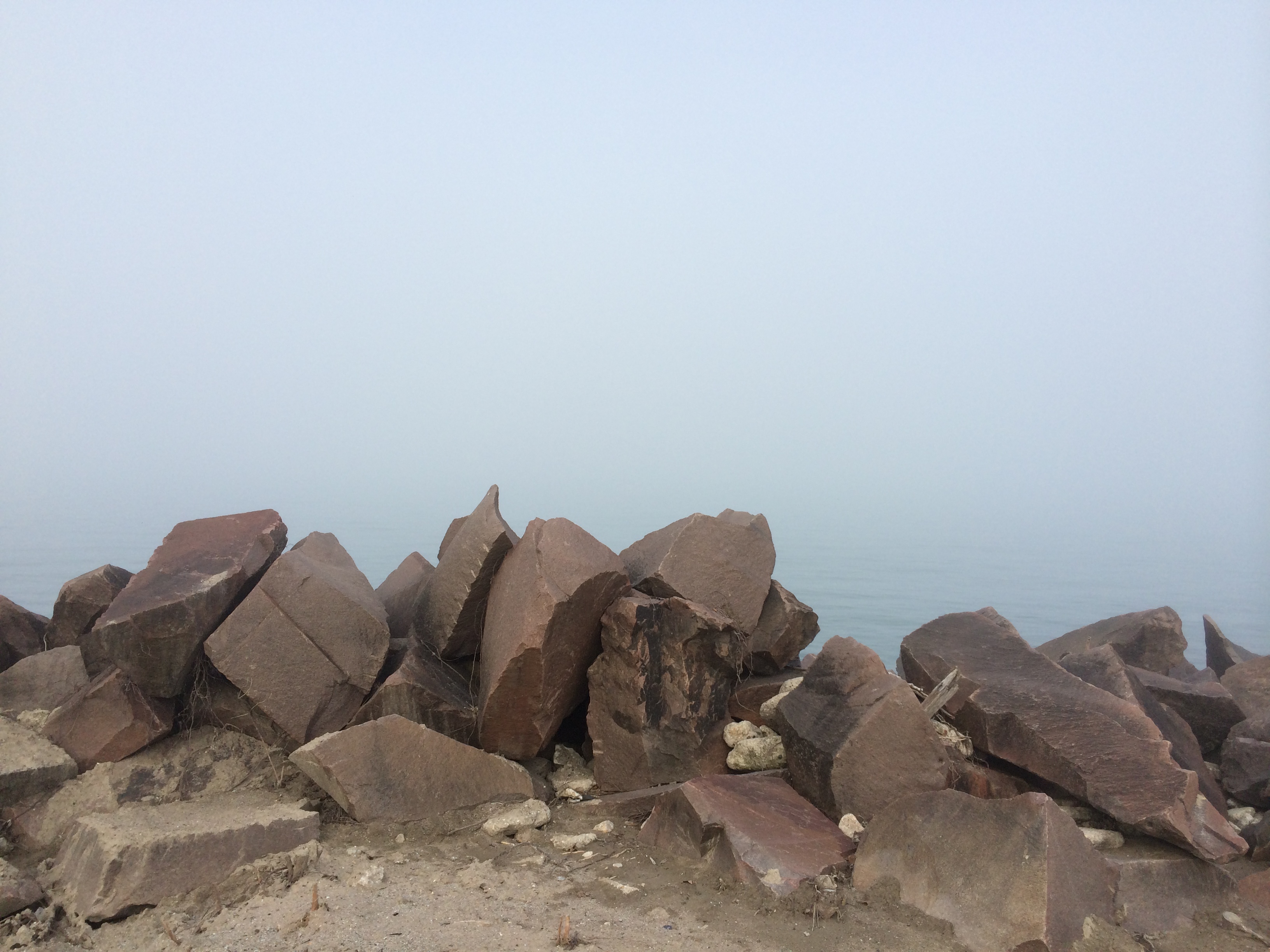
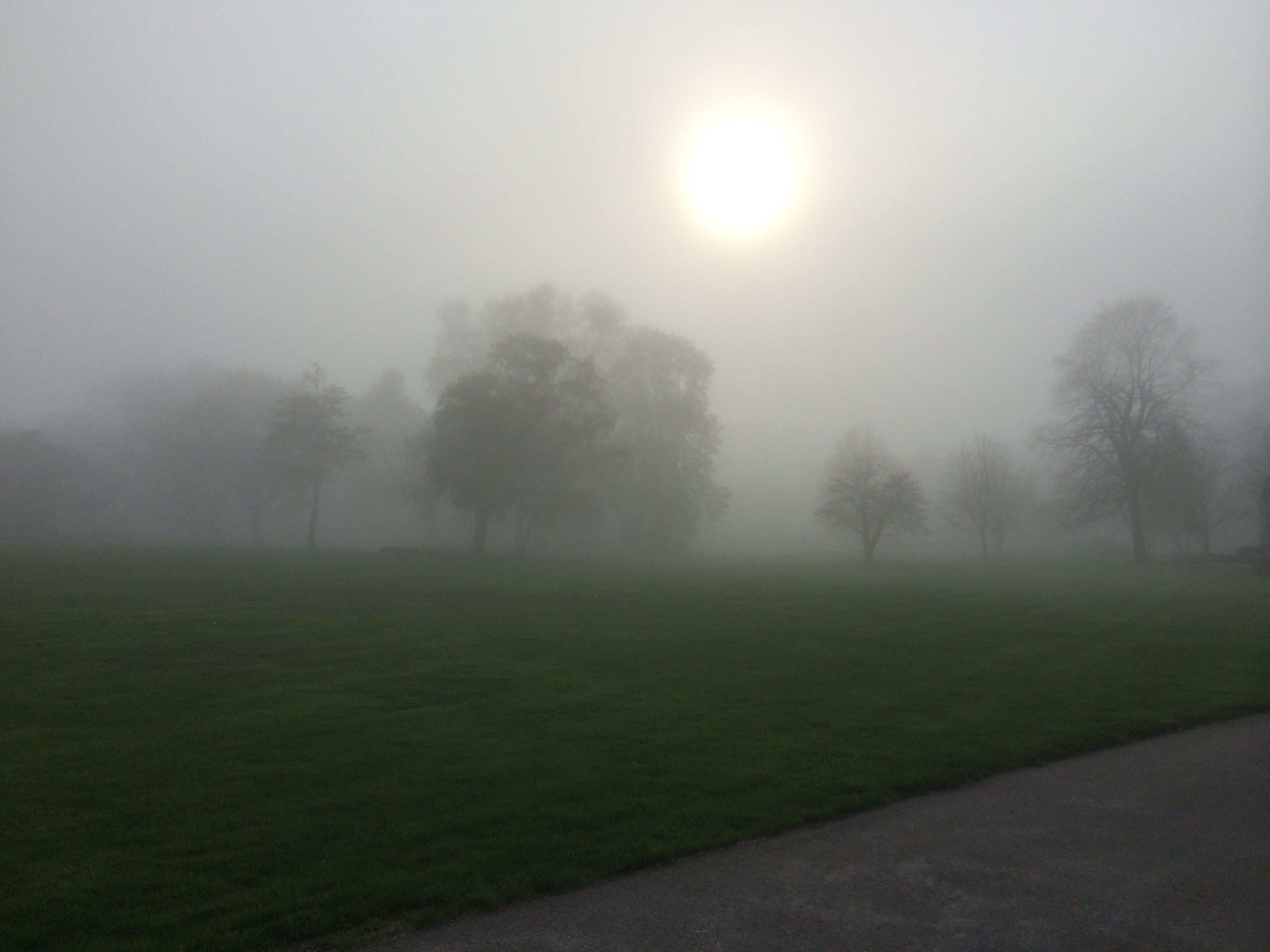
Sometimes the fog hangs heavy all day along the shore of the lake. The sun tries in vain to penetrate the fog so the air glows. When, in combination with the fog, the lake is still, like it was today, it becomes invisible, inaudible; the lake disappears. Standing on the great rock barriers, staring into the void, it feels as if you have arrived at the edge of the world.

photo-5

looking the other direction

All of my life I have been fascinated by edges. What is the line between wild and tame? Most good stories require a stride beyond the boundary, a movement into territories unknown. And, at the end of the story, what was once known becomes unfamiliar. Every ending is a beginning. What is the line that distinguishes the known from the other place? A good dose of reason will assure us that most things can be understood but a walk through a spring meadow or a night spent gazing into the stars will remind us that understanding is illusive or at best illusionary. What do we understand?

Once, working with a group of teachers, we had a terrific discussion about beginnings. Where does a story or a life begin? There is always an easy answer, “Once upon a time,” a birth date, when two people meet, the day the crisis arrived on the doorstep. In fact there is always a multitude of easy answers, of possible beginnings, and none of them are definitive. Which beginning point is the beginning point? At what moment did success arrive? Or, when did failure begin? Does my life begin with my parents or their parents or…? Edges are esoteric!

There is a long tradition in the arts of Dances with Death. Paintings, dances, compositions, plays,…; Hamlet ponders life as he holds poor Yorick’s skull. It passes all too quickly. Most spiritual traditions carry the notion that life cannot be understood, valued, or fully appreciated without first grasping that this life-ride is limited. Living a good life, a fully appreciated life, demands a nod to the edge. It’s the ultimate paradox.

I’ve courted a bundle of trouble in my life because I rarely see the black-and-white of things. Where is the line between hope and hopeless? What wall delineates faith-full and faith-less? Like happiness, edges are made, not found. Ask a physicist if it is a particle or a wave and they will uniformly answer, “It depends upon where you place your focus.” Even in the era when people believed there was a hard edge to the world and finding it meant falling off, sailors supplied their ships and sailed toward the horizon to find it.

 Icarus reached for the sun.

Icarus