Read The Shadow [on Not So Flawed Wednesday]

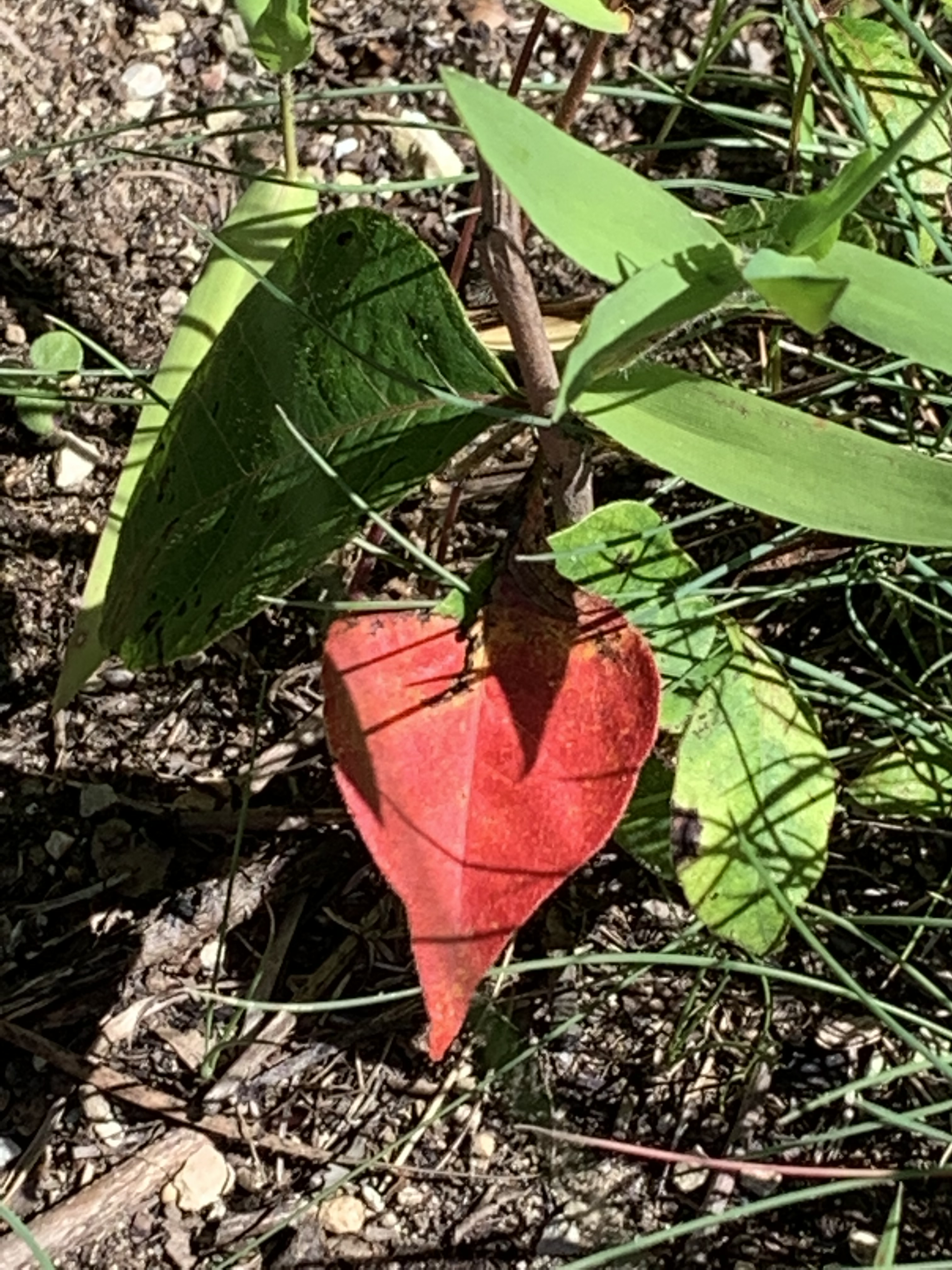
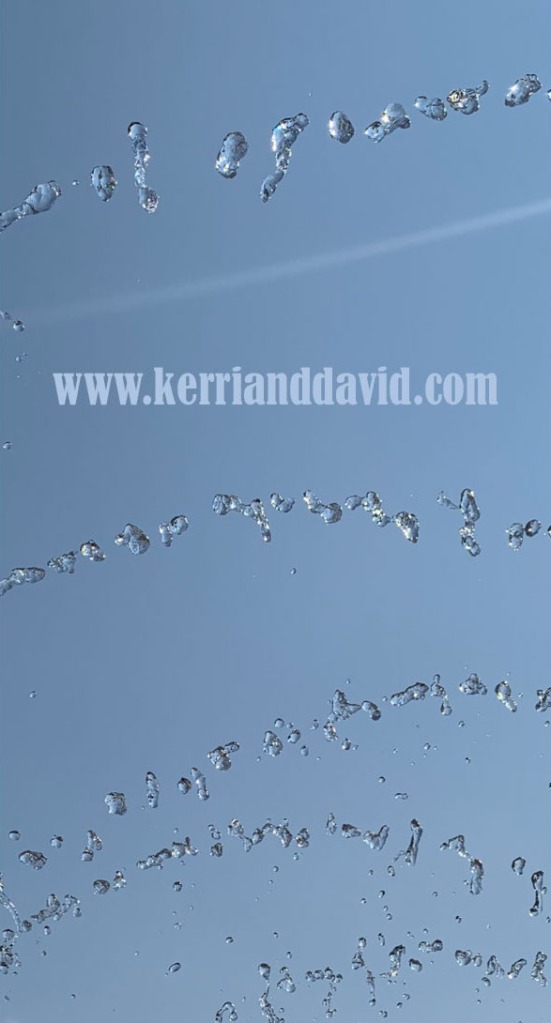
Kerri said, “Look at that shadow! It makes me think of the collar Ruth Bader Ginsburg wore with her robe!”

Ruth’s collar was not my first thought. I went straight for Spirograph. The colorful spiral drawings made possible by the magic of plastic rings and wheels.

I suppose most people would have their moment of shadow association and move on to other topics but not us. Our association led to another association: what might Ruth Bader Ginsburg’s collar and a Spirograph have in common?

The artistry of mathematics. Action scribed from a center of integrity.

The Notorious RBG once said, “I am optimistic in the long run. A great man once said that the true symbol of the United States is not the bald eagle, it’s the pendulum, and when the pendulum swings too far in one direction, it will go back.”

The colorful line scribes an arc all the way to the edge of the ring and then, in perfect pattern form, scribes an arc across the board to the other side. And again. And again. Until a beautiful pattern, a brilliant complex roulette is formed. A single line that, at its inception looked random or out of control, running to the extremes, weaves – in the long run – a unified, inclusive, connected design.

Optimism in the long run. The symbol in a collar. The certainty of tides. The balance point found in all polarities. So much hope! A visit from RBG and a memory of a childhood toy. And, all of this from a single shadow cast on a dresser on an early spring morning.

read Kerri’ blogpost about SHADOWS

Note The Trail [on Two Artists Tuesday]

Our pin-on-the-map lands between two airports: O’Hare to the south and Milwaukee’s General Mitchell to the north. On clear summer days, or unseasonably warm days like last week, we recline in our Adirondack chairs and watch the planes Etch-A-Sketch in the sky. According to our recent 5 minute contrail-count-study, at any moment, there are more planes in the sky than one might believe.

It always makes we wonder if Ben Franklin or Leonardo daVinci joined us on the patio would they calmly count contrails from their Adirondack chair or would their heads explode at the wonder of it all. It amuses me to imagine Leonardo hopping around with excitement and pointing to the sky.

In my recent past the phrase “digital exhaust” was relevant to my work in the wild, wild world of software development. Like a contrail, the output of our incessant tapping of keys leaves a trail marking our arc through digital space/time. The particular characteristic that had me hopping out of my chair was the notion that “reading” the digital contrail not only marks our past but is a great way of foreseeing future action. Past patterns are terrific indicators of future behavior. Just ask the FBI.

Kerri keeps a paper calendar where she records the significant and insignificant details of every day. It’s a behavior she inherited from her mother. Beaky was a great recorder of events and maker of lists. If I want to know if we had dinner with 20 in November of 2016, Kerri flips open her 2016 calendar and hits me with the details: yes we did and we had blackened Tilapia, small potatoes, and roasted asparagus. I’ve lost many a debate to the entries in the calendar. Her calendars are our personal analog contrail. Our unique life arc through space/time.

It’s helped me answer one of Tom’s questions about his great-grandmother Isabelle. He found a box with stacks of daily flip-calendars that Isabelle kept, each day had a notation about the weather. A hardworking ranch woman, standing on the porch of the farmhouse, in the days before airplanes, she stared at the sky and made a note in her calendar: hot sun, not a cloud in the sky. Tom looked at me as we went through the stacks in the box, asking, “Why would she do that?”

Contrails.

read Kerri’s blogpost about CONTRAILS

Listen To The River [on Merely A Thought Monday]

“Have you learned that secret from the river; that there is no such thing as time?” Hermann Hesse, Siddhartha

I’m not sure why I didn’t recognize it before now but Siddhartha and the Parcival grail epic are the same story. A ferryman. A hermit in the woods. A second teacher that appears and teaches presence – by example.

“The river knows everything; one can learn everything from it. You have already learned from the river that it is good to strive downwards, to sink, to seek the depths. The rich and distinguished Siddhartha will become a rower…” Parcival removes his armor. The great and powerful knight loses himself; he chops wood and carries water.

Eileen, 20’s mom, turns 100 today. Her party was last week. 20 made a beautiful photo board of her long life. The child. The sassy teenager. A vibrant young woman. A mother. A keeper-of-the-books. A grandmother. An aged woman. The full cycle of life. Her granddaughters attended the party. Her great-granddaughters, too.

“Age-and-stage,” 20 often says. Age and stage.

“Is this what you mean? That the river is everywhere at the same time, at the source and at the mouth, at the waterfall, at the ferry, at the current, in the ocean, and in the mountains, everywhere, and that the present only exists for it, not the shadow of the past, nor the shadow of the future?”

That is it,” said Siddhartha, “and when I learned that, I reviewed my life and it was also a river…”

Parcival turned and was shocked to see the grail castle standing in the meadow behind him. The hermit smiled and said, “Boy, it’s been there all along.”

Happy Birthday, Eileen. 100 years. A moment.

read Kerri’s blogpost about 100 YEARS

Incant [on Not So Flawed Wednesday]

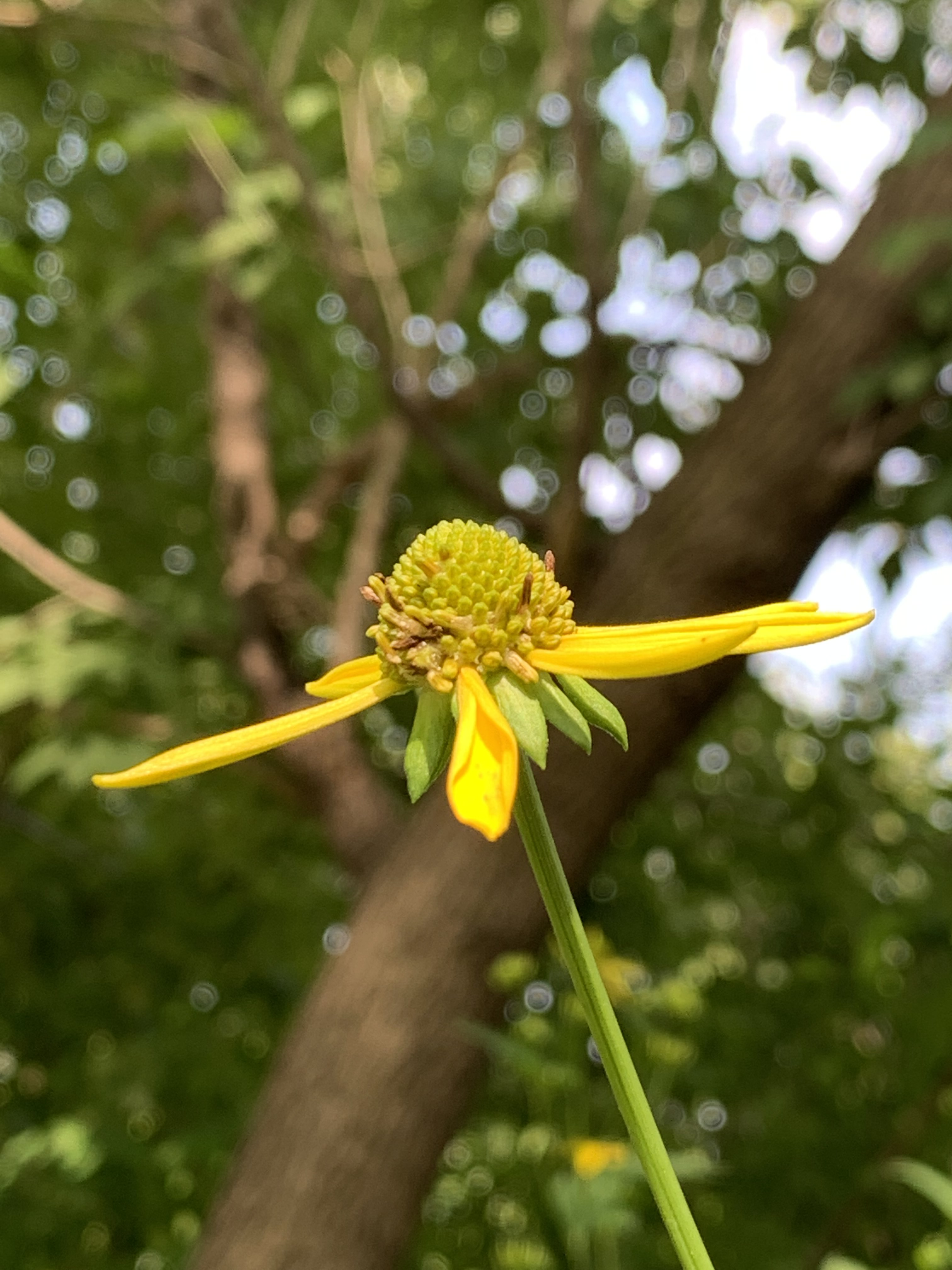
It reads like a love poem. Puschkinia blooms in the empty moment between the fading of the snowdrops and the blooming of Chionodoxa.”

Despite their desire to be understood otherwise, botanists are poets, too. Taste these sounds: siehei, sardensis, forbesii. Spoken together they form an incantation worthy of Macbeth’s witches. There are three witches in the play: Category, Sub-category, and Group. Chionodoxa, we are told, is commonly called “Glory Of the Snow”. The poet-botanist would have us know that, in the empty moment between the fading of snowdrops and the blooming of the Glory-Of-The-Snow, tiny Puschkinia reaches through the soil and fills the void with cobalt and white.

Love poems and incantations. Love poems are incantations. “And because love battles not only in its burning agricultures but also in the mouths of men and women,… Neruda. Ahhhh.

“Double, double toil and trouble; fire burn and cauldron bubble.” What will the future bring? Glory-Of-The-Snow, of course! Shakespeare would have nothing less.

All of this poetry came alive in our front yard this week. It was the empty moment, It was the space between the fading snowdrops and the blooming of Chiondoxa. Had we not looked up from our computers, had we feared the cold wind off the lake and stayed comfy and warm inside, we certainly would have missed it.

Love poems and incantations. Harbingers. Nature quietly whispers its temptation, “Puschkinia blooms.”

read Kerri’s blogpost about PUSHKINIA

Welcome The Muse [on Two Artists Tuesday]

For many years the “sitting room” was a place we passed through en route to the kitchen or our bedroom on the return trip. It was our staging ground while packing for trips. It was the place we put things when we didn’t know where else to put them. I never sat in the sitting room.

And then, one day, a muse-of-calm possessed Kerri. She wanted a space of peace instead of space of clutter. She wanted to sit in the sitting room. She wanted to hang out in the sitting room. She wanted to read and relax in the sitting room. She became a cleaning dervish. She hung meditative paintings. It was a miracle.

I stopped in my tracks the first time I attempted to pass through the sitting room post-transformation. There was air and light. There were comfy pillows and a throw blanket on the couch. I was filled with an overwhelming desire to sit in the sitting room!

I’d heard rumors of the couch in the corner of sitting room. It was one of BabyCat’s favorite nap spots. Kerri assured me that no creature could sit on that couch without falling into a deep relaxed state. I had my doubts. In my time it was the central repository of clothing overflow. I’d actually never seen the couch. Plus, that BabyCat could sleep anywhere, on any surface. BabyCat was a gifted sleeper.

Kerri appeared behind me. She was holding a book. She, too, had transformed! She was the Siren of the sitting room! I nestled into the couch and cooed, the lap blanket covering my feet. The Siren sat on the other side of the couch. She opened the book and began to read. I was like Dorothy in the poppy field. Eyes drooping. Head bobbing. Incapable of concentration. The last thing I remember was thinking, “So this is what it feels like to be a cat…”

Now, we spend hours in the sitting room, reading on the couch. Falling into a deep relaxed state. Each morning, as I pass through on my way to the kitchen, I slow down and breathe-in the calm.

Sometimes I wonder why we waited so long to create this place of tranquillity. The potential was there all along. The good news? The peace of the sitting room is spilling out into the rest of the house. The sun room is filled with plant-love. The living room is beginning a subtle transformation. We gather around our small table in our tiny kitchen and laugh and tell stories. It’s how change happens. Create the space. Grow the space. It’s how peace happens.

This I know: the muse-of-calm is not yet done with us. I can’t wait to see what happens to the rest of the house and beyond.

read Kerri’s blogpost about THE SITTING ROOM

Open And Share [on Merely A Thought Monday]

We have “go” bags packed. One contains our important papers. The other has a change of clothes and the dog’s leash. It’s not that we’re paranoid. During the civil unrest a few years ago – buildings ablaze and murder on the streets just a block or two from our house – the local authorities advised people to be ready to leave on a moment’s notice. We prepared our “go” bags and thought it such a good idea that we’ve never unpacked them. Now, when the tornado sirens wail, we simply grab our bags and the dog and descend into the basement. Easy-peasy in times of scramble.

Each night we watch Youtube videos of people hiking long distance trails. Often the hikers talk about the moment that they “leave” the mindset of the city and enter the freedom of the trail. Everything they need they carry on their backs. They cease dealing with what is supposed-to-be and fully enter life with what is right in front of them. There is a plan and the plan is constantly in flux. There is little to no consistency. What they can and cannot control becomes readily apparent.

What is most important, what is consistent to all of their stories on the trail, is how important other people become to their experience. Leaving the mindset of the city brings them back to the basic tenet of their humanity. They are totally dependent upon the kindness of others. They enter an ecosystem of mutual support. The illusion of “every-man-for-himself” falls away. They open. They share. They fill themselves with gratitude for others. The people who try to go-it-alone don’t make it very far.

I think that is why, at the end of each day, we watch these people on the trail, with their “go” bags on their backs and their hearts bursting with appreciation for their lives and for those who walk with them, if only for a day. They remind us of what’s most important. They cut through the noisy abstraction of news and ratings and likes. They don’t expect their walk to be easy or comfortable or pretty. They remind us to fill our days with gratitude for others, to turn toward our fellow travelers rather than turn away. They offer a hand and accept assistance. They share. They remind us, in our scramble to find safety in the storm, that life in an ecosystem of support is what it’s all about.

read Kerri’s blogpost about STORMS

See The Awesome [on KS Friday]

Our favorite Wander Women posted the next installment of their through-hike on the Arizona trail. They are 300 miles in and passed through a burn zone that impacted a Saguaro cactus forest. Some of the giant cactus had perished. Many were burned yet somehow, survived. New growth pushed through the top of the blackened resilient plants. I was awestruck.

A decade or so ago, when life was hard, when I least believed in human kindness, I set out each day on my walk across the city determined to count acts of generosity. The acts of benevolence were everywhere and by far outnumbered the aggressive honkers and the impatience of frustrated commuters. By the time I reached my studio I wondered how there could be so much kindness, so much benevolence in the world, unseen. I wondered why our shared story was of a scary-angry-world rather than a world of munificence. The evidence did not support the narrative.

Looking for kindness in others inspired acts of kindness in me. Sometimes, after I witnessed a generosity, I approached the person who gave of themselves and acknowledged their act. I essentially said, ‘I saw that and it was awesome.” You may or may not be surprised to learn how impactful a simple acknowledgement can be. People smiled and blushed. People waved it off as if it was nothing.

Kindness is everything.

My walks across the city were more than a decade ago. The shared narrative of scary-angry-world is louder now than ever yet I wonder if I took a walk across my city-of-yore would I see a different result or the same? Kindness flies mostly under the radar, people wave it off as small gestures; it doesn’t pull high ratings like bullying or blood or scandal. We live within the narrative we feed.

I suspect kindness is as pervasive as fear-mongering but kindness doesn’t care if it gets the headline.

A sentinel stands on our trail. A tall stump, long ago burned by fire, perhaps a lightning strike. Perhaps its blackened scars are from a controlled burn. It reminds me of Shel Silverstein’s The Giving Tree. The birds use it for perching. The squirrels burrow at its base. Life teems around and because of the blackened stump. It always captures our attention. I imagine it is kind since so many creatures and living things find support in its watchful presence. New growth will never push through the top of this stump. It is no longer self-generating. It is, however, like a standing nurse log, new life teems around, on top of, and through it. A silent giver. I am always tempted to step off the path and whisper, “I saw that and it was awesome.”

Kerri’s albums are available on iTunes and streaming on Pandora

read Kerri’s blogpost about THE STUMP

transience/right now © 2010 kerri sherwood

Study Flow [on Not So Flawed Wednesday]

Kerri just reflected that, so far this week, my posts have been cynical. “Now that wasn’t snarky at all!” she said after reading my Tuesday post. The unintentional theme of the week has been the silencing of people. That makes me sarcastic. Irritable. Sad. She suggested that I lean over and read my Post-It-note-life-reminder: Grace. Questions not answers.

It’s true. I need daily to remind myself to move toward rather than push against. Flow rather than resistance. I am more of an idealist than I care to admit so resistance comes easy. Seeing what-is-wrong-with-the-world is embedded in my DNA. It’s the dark-side of the idealist moon.

Because resistance is natural, flow has been my study. It is my life lesson. It is why I am drawn to tai-chi. Yoga, the physical art of opposition. Polarity and the other Hermetic principles. Circles and cycles rather than lines and achievements. These are my masterclass of balance: there is a time for resistance. There is a time for flow. Both/And.

Grace is a word of flow. Nimbleness. Poise. Ease.

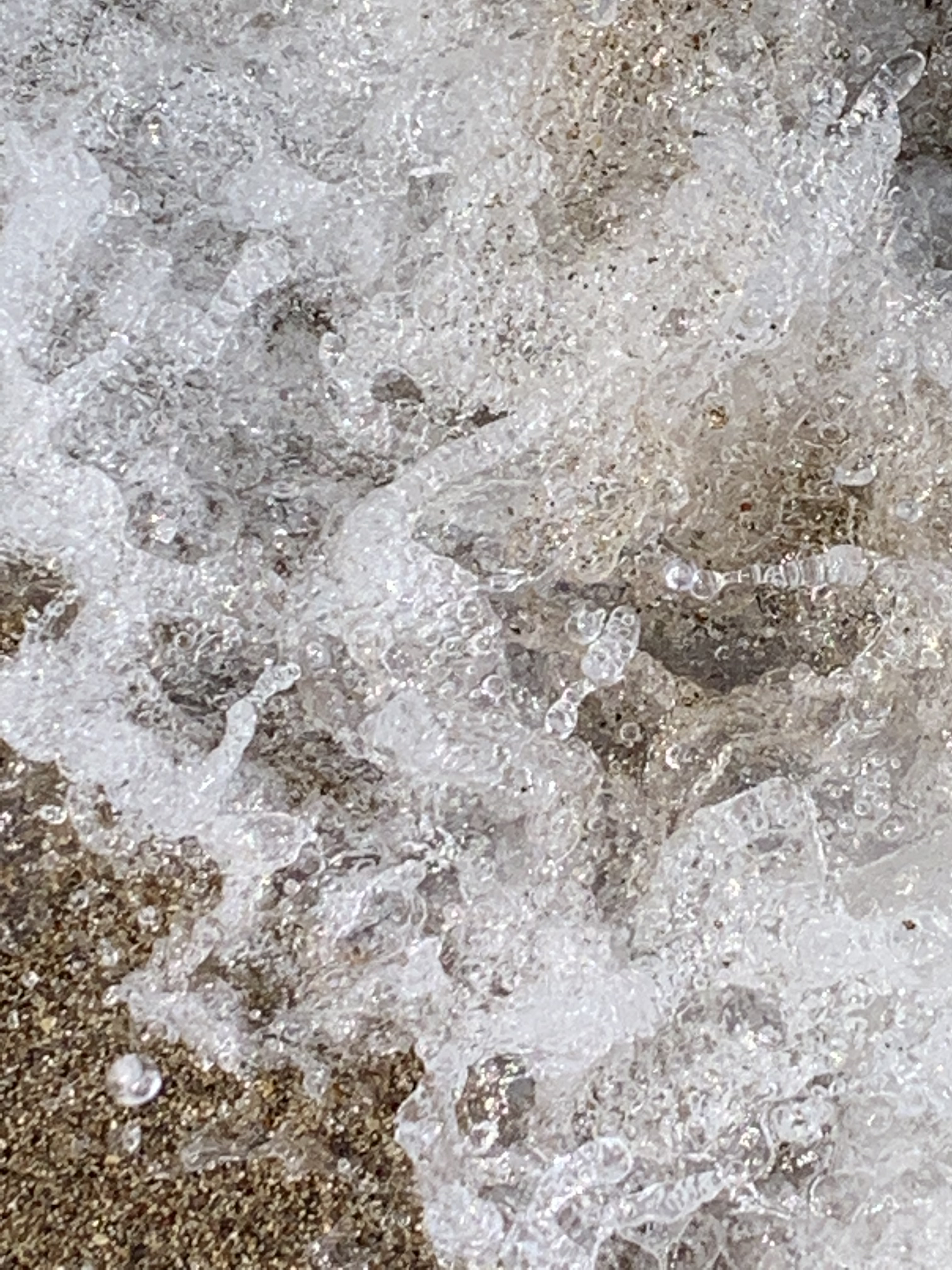
The water flowing off the roof of our neighbor’s garage froze the vines on the fence into a crystal ice chandelier. The watercourse way slowed so we might appreciate it. It slowed so I might understand it: flow and resistance are two forms of the same thing. Ice is water. Water is ice.

Grace. Nature is an excellent teacher. Better than my Post-It note. Sans cynicism. Gorgeous in its lessons.

read Kerri’s blogpost about FLOW

Look In [on Not So Flawed Wednesday]

“I want to stand as close to the edge as I can without going over. Out on the edge you can see all kinds of things you can’t see from the center.” ~Kurt Vonnegut

Yesterday I applied for a job that is all about narratives told from the edges of society. I’m not sure why it surprised me to find such a cool-to-me job; our community seems addicted to shattering so there are plenty of small edges to be found. Small edges are fallacious and serve a myriad of false centers. Our survival will depend upon whether or not we can awaken from the shatter-narrative and make the decision to direct our broken focus toward a common center. No small feat.

It is the role of the shaman, the explorer, the artist, the researcher to stand on the edge and report back to the community what is seen and unseen. The voice from the edge is rarely welcome since the report is capable of popping delusions or pulling the sheep’s clothing from the wolf. Page one of the autocrats’ handbook instructs the elimination of artists and educators. Making an enemy of the eyes-that-see, demonizing educators and thinkers – the people who recognize pattern and metaphor. The game of Us-and-Them necessitates silencing the voices capable of calling out the wolf. Autocrats require blind sheep that follow without question.

Some famous edge sitters: Galileo. Cesar Chavez. Rosa Parks. Nelson Mandela. Susan B. Anthony. Albert Einstein. Frederick Douglass, a former slave and leader of the abolitionist movement, wrote extensively about what we call Critical Race Theory; it was clear in his view from the edge. It’s not a new theory. It’s an old pattern with a new name. I think he might denounce his Republican party affiliation were he alive today; they would certainly silence his voice. He would be fired were he a professor in Florida today. As would Martin Luther King, another famous voice from the edge.

Voices of reason are often voices from the edges. Voices of the future are always voices from the edges. Galileo was silenced for suggesting that the earth circled the sun and not the other way around. Over time, the voices from the edge, when authentic, always make the center better, the community stronger. Susan B. Anthony spent her life on the edge, lobbying the center, to secure for women the right to vote.

Progress. Growth. They are rarely inspired from the tight grip at the center. Silence the edges and the community atrophies. Stop the movement and the body dies. That page was left out of the autocrats’ handbook for obvious reasons.

read Kerri’s blogpost about EDGES

Drop In [on Two Artists Tuesday]

We stopped on the boardwalk. The sentinel tree stood solitary in the field. Its presence stopped us in our tracks. It was a bone keeping watch over the marshes. It felt forgotten. Unreachable. Made beautiful in its dedication. It inspired quiet. Suddenly, we found ourselves witness to the witness. Look-at-me-look-at-you.

Perhaps it was the boardwalk but I was thrust back in time to a pier. Long Island Sound. It was early morning. The sound and vibration called me to the pier’s end. I stood for a few minutes, eyes closed, and listened. Hundreds of birds, pigeons, chattering beneath the boards, their voices amplified by the wood and soundbox of the structure. I felt them through my feet. Kneeling, I tried to catch a glimpse of the cacophony-makers. They, too inspired quiet.

“Hawk!” Kerri said, pointing and bringing me back to the boardwalk. Beyond the sentinel a hawk threaded masterfully through branches.

I used to think that these magical moments took me out of the real world. Stopping time. Now, I believe the opposite is true. These moments snap me out of my mind-chatter and drop me into the real world. Achingly beautiful. Alive. No story necessary.

pigeon pier. 46x46IN

read Kerri’s blogpost about THE SENTINEL

pigeon pier © 2007 david robinson