Meet The Fire

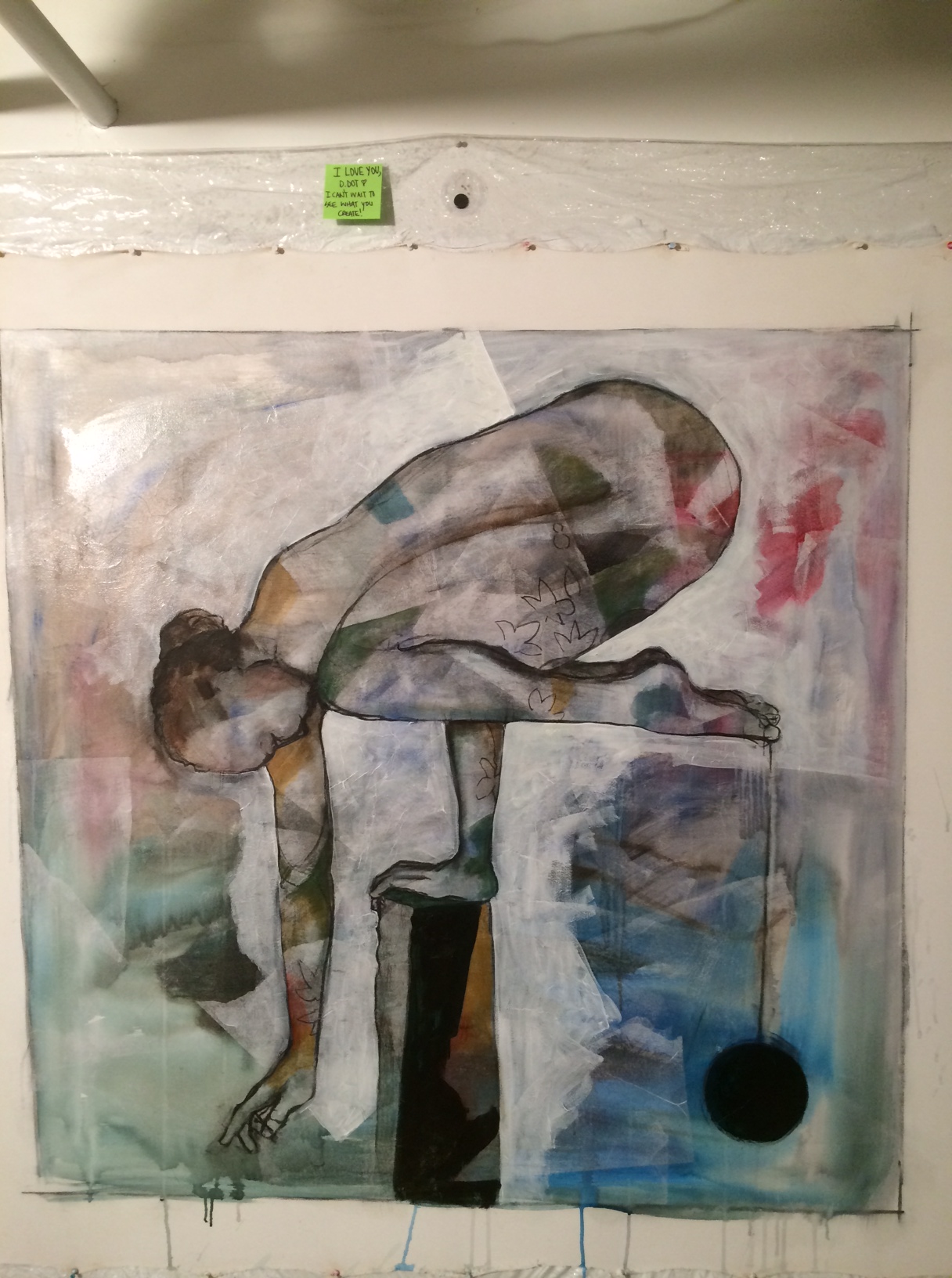
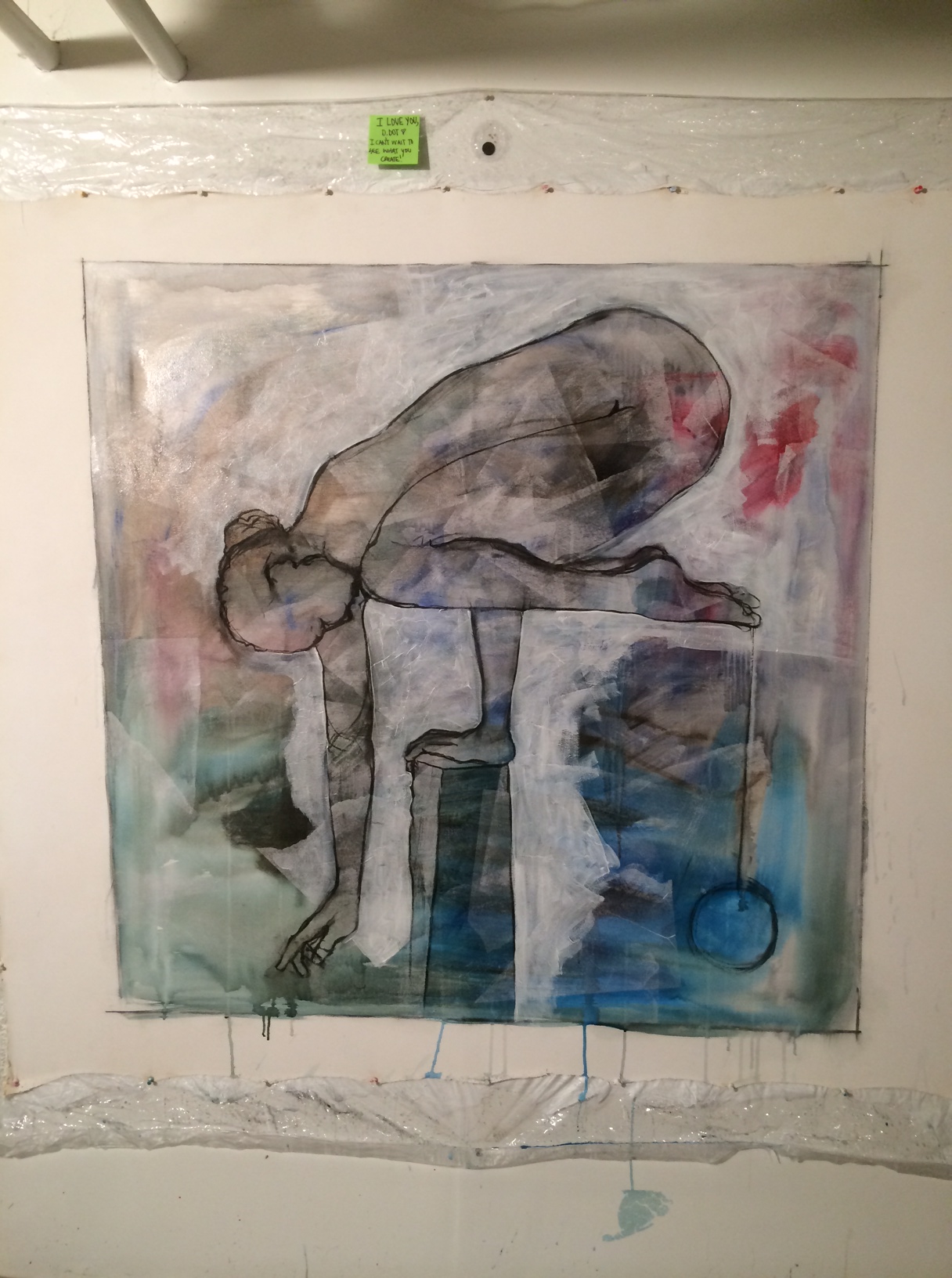
a work in progress. this one is slow going!

a work in progress. this one is slow going!

In order for the phoenix to rise it must first burst into flames and be reduced to ash. Every rebirth requires a death. I imagine the phoenix does not relish the flame but after a few cycles it recognizes the necessity of the fire.

The same image (metaphor) is everywhere: the caterpillar must first cocoon and then be reduced to mush before the impossible happens. The leaves must fall from the tree before the root can replenish, revitalize, and do the impossible: bring forth new life.

The healers in Bali assured me that a wound is necessary to open the door to the gift – and each had suffered a devastating wound or loss en route to fulfilling their healing power. The journey through the wound was necessary to turn on the power. The heroes cycle, the belly of the whale, the quest through the wasteland, finding joyful participation in the sorrows of the world; growth is a fiery, difficult business.

In my life I’ve worked with many, many people in all manner of change and transformation processes. It is surprisingly common for people to want their phoenix without experiencing the flame. It took me a while to realize that people (organizations and otherwise) were hiring me under the guise of helping them transform but in truth they really wanted me to help them circumvent the fire.

People go to great lengths to avoid the flame. No one willingly seeks the wound and no one transforms without it. No one in their right mind jumps out of bed in the morning ready to jump into the abyss and yet the adventure is impossible without it. If a full rich experience of living is the aim of our limited time on this earth, then the fire is necessary. The fire is part of the ride.

Fire avoidance is what dulls an otherwise vital life. Comfort is certainly a worthy aspiration but as the only aspiration it deadens, it limits the life-color-palette to taupe. The trick, as all the stories teach us, is never to avoid the fire, to protect yourself from it, but to be alive in it, to know what it is to be reduced to ashes and know somewhere deep inside that the phoenix will always rise just as spring will always come.

Release The Edge

photo-4

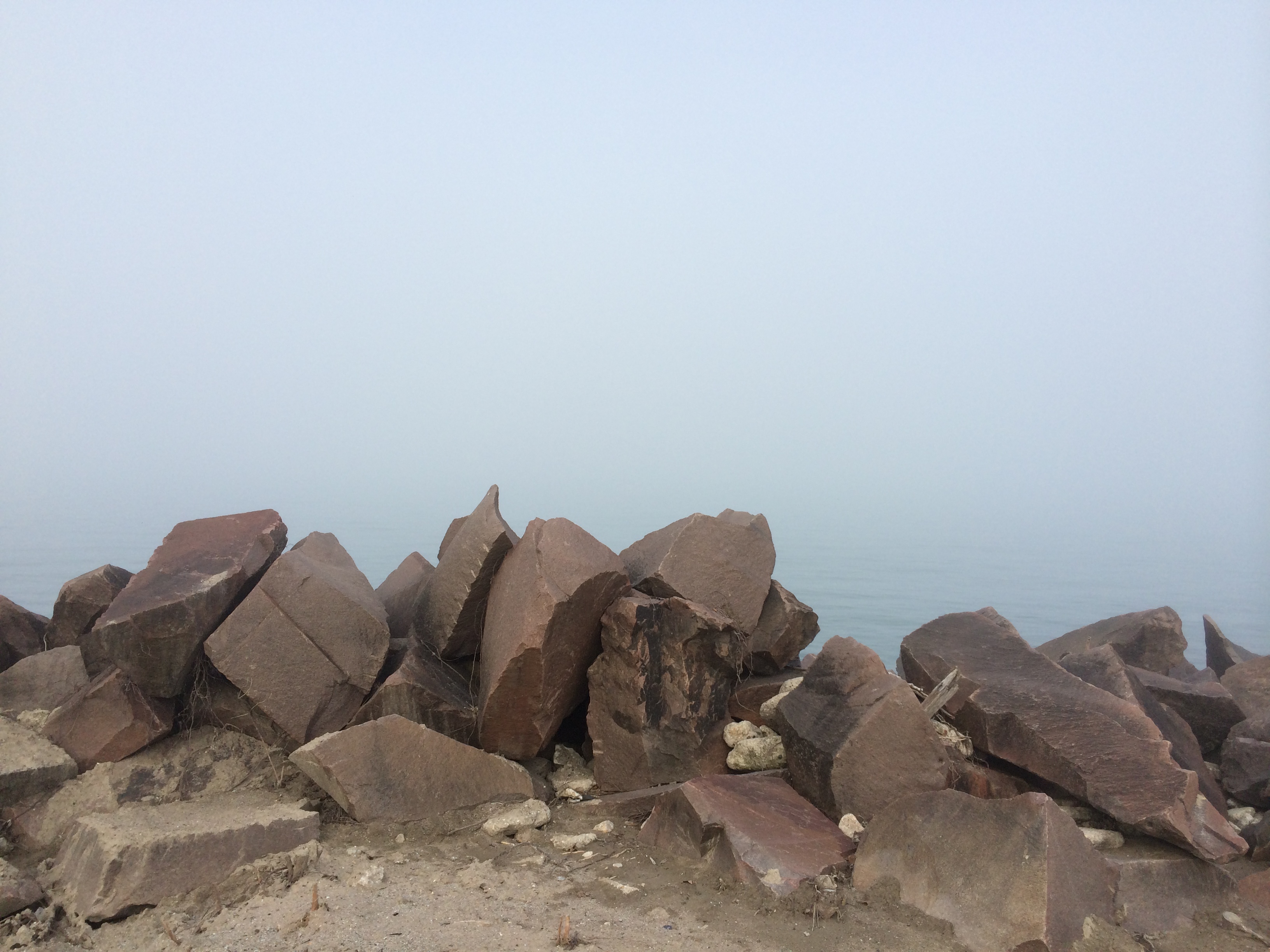
Usually, there is a lake….

Hope begins in the dark, the stubborn hope that if you just show up and try to do the right thing, the dawn will come. You wait and watch and work: you dont give up. ~ Anne Lamott

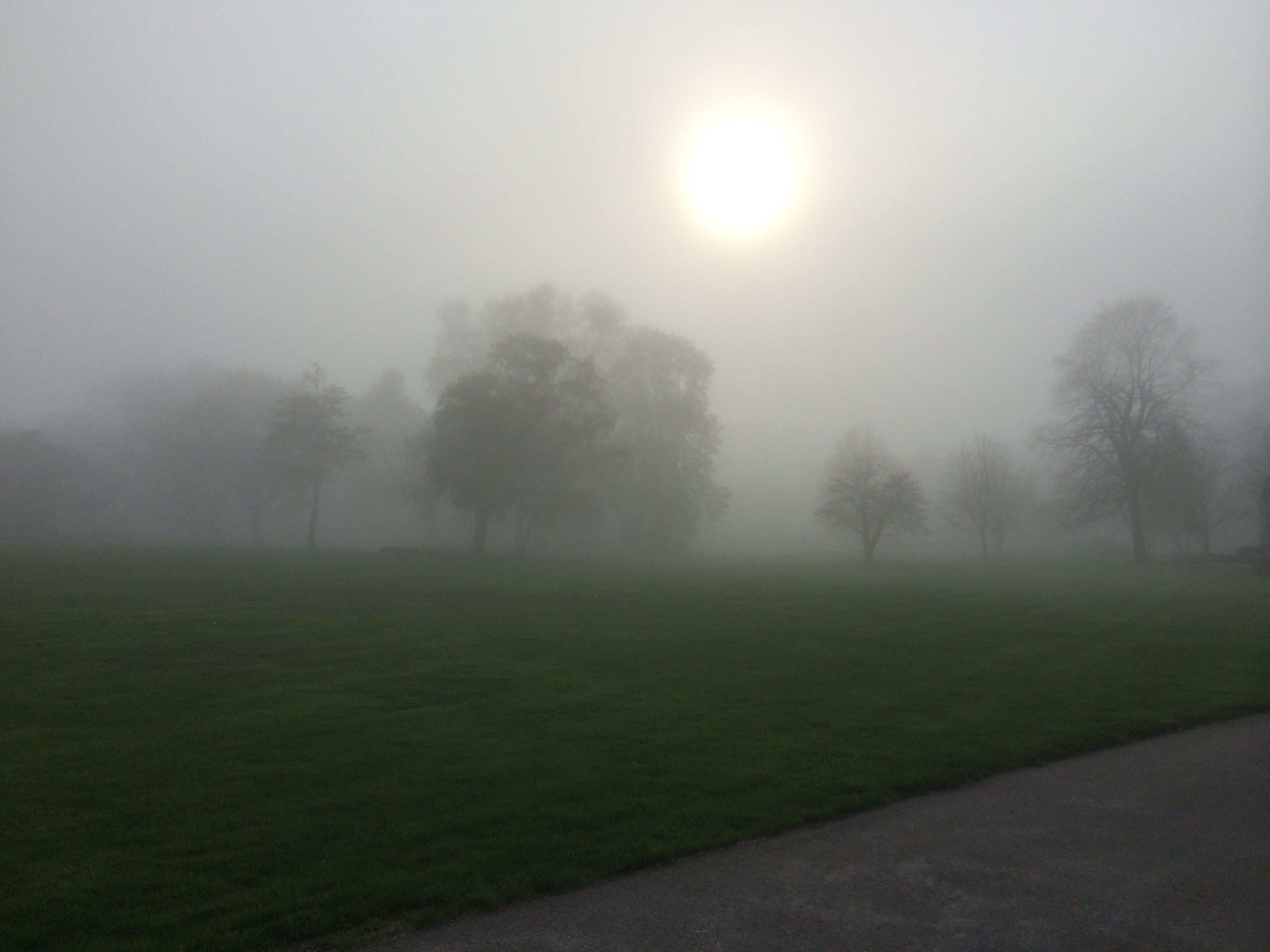
Sometimes the fog hangs heavy all day along the shore of the lake. The sun tries in vain to penetrate the fog so the air glows. When, in combination with the fog, the lake is still, like it was today, it becomes invisible, inaudible; the lake disappears. Standing on the great rock barriers, staring into the void, it feels as if you have arrived at the edge of the world.

photo-5

looking the other direction

All of my life I have been fascinated by edges. What is the line between wild and tame? Most good stories require a stride beyond the boundary, a movement into territories unknown. And, at the end of the story, what was once known becomes unfamiliar. Every ending is a beginning. What is the line that distinguishes the known from the other place? A good dose of reason will assure us that most things can be understood but a walk through a spring meadow or a night spent gazing into the stars will remind us that understanding is illusive or at best illusionary. What do we understand?

Once, working with a group of teachers, we had a terrific discussion about beginnings. Where does a story or a life begin? There is always an easy answer, “Once upon a time,” a birth date, when two people meet, the day the crisis arrived on the doorstep. In fact there is always a multitude of easy answers, of possible beginnings, and none of them are definitive. Which beginning point is the beginning point? At what moment did success arrive? Or, when did failure begin? Does my life begin with my parents or their parents or…? Edges are esoteric!

There is a long tradition in the arts of Dances with Death. Paintings, dances, compositions, plays,…; Hamlet ponders life as he holds poor Yorick’s skull. It passes all too quickly. Most spiritual traditions carry the notion that life cannot be understood, valued, or fully appreciated without first grasping that this life-ride is limited. Living a good life, a fully appreciated life, demands a nod to the edge. It’s the ultimate paradox.

I’ve courted a bundle of trouble in my life because I rarely see the black-and-white of things. Where is the line between hope and hopeless? What wall delineates faith-full and faith-less? Like happiness, edges are made, not found. Ask a physicist if it is a particle or a wave and they will uniformly answer, “It depends upon where you place your focus.” Even in the era when people believed there was a hard edge to the world and finding it meant falling off, sailors supplied their ships and sailed toward the horizon to find it.

 Icarus reached for the sun.

Icarus

Matter.

From the archive: 'Angels At The Well.'

From the archive: ‘Angels At The Well.’

Paul used to tell the acting students at the conservatory that they should never underestimate their power to impact another person’s life. In other words, their work – how they brought themselves to the stage – mattered. Simply by doing their work they had the capacity to open a mind or challenge a story. The caveat, of course, was that, in all likelihood, they would never know the impact that they had.

His lesson applies as much or more in daily life as it does on the stage. What if we lived as if we understood our power to impact others? What if we recognized that the small stuff matters? What if we didn’t need to know – but simply brought ourselves to our days knowing that our actions and attitudes mattered?

Sitting outside at a Starbucks in Wesley Chapel, Florida, a young woman Skyped into a bridal shower happening in Pennsylvania. It was her bridal shower and, because she was starting a new job, she couldn’t get the time off to fly home. So, via Skype, she checked in on the party and giggled at the celebration. Kerri and I sat at the next table listening to the conversation, the love and festivities. I watched as Kerri, stricken with the grief of her mother’s passing, change. Her heart lightened. It changed her focus. The young woman, with no knowledge, eased Kerri’s grief. Kerri ran into the store and bought the woman a gift card. “Congratulations on your wedding,” she said as she gave the card to the young woman.

In coffee-desperation we pulled off the highway in Salem, Illinois. We bumbled into the M&M Coffeehouse on Main Street. Mike, the owner is a master chef. He told us the story of love that brought him to Salem, the story of his love for making food and how he became proprietor of a coffeehouse, the story of how the community was embracing his gift and returning the love; the coffeehouse was now also a catering business. He was teaching cooking classes and volunteering his time to the monthly Elks club hamburger dinner fundraiser. The Elks were raising tons of funds since he started making the meals. “You never know where life is going to take you,” he smiled. Mike never knew the gift he gave us; he was simply being chatty with strangers. We needed a good dose of hope and encouragement to carry us the final 6 hours of our long drive home. He filled our hope-tank to the top.

Whether we know it our not, it matters. Always.


Walk Through The Firewall

from my narrative series: Sleepers

from my narrative series: Sleepers

The text read something like this: There are some things in life you cannot circumnavigate. You can only move through them.

Carol told me that each year there is a growing change in her students. There is a gap between their generation and ours – and it is alarming. She teaches young actors at a college for the arts.

“What’s the difference? “ I asked, “what’s the change?”

“They are increasingly more and more medicated,” she said. “Through their whole lives, since they were small children, they’ve been reinforced through medication that their emotions, what they feel and how they express it, are bad. To teach them to be actors, to be authentic on the stage, to allow that what they feel is necessary and good, is nearly impossible when they are drugged to prevent them from feeling anything.”

She paused for a moment and added, “I can’t ask them to get off their drugs. I can only help them consider that their feelings, their emotions, are not the enemy but the route to truth.”

I offered that the drugs serve as a firewall that keeps them from themselves. It dulls them from the full range of life experiences. Years ago, when I was working in the schools, I experienced the first wave of kids drugged into compliance. It seemed that the solution for almost everything was medication. Their attention was either in deficit or their behavior obsessive and, either way, meds were the answer.

We talked of the other firewalls, the drugs that numb us or distract us from a full range of life experiences. Television in excess is the most obvious. And then there is the downside of social media; disconnection in the guise of connection.

I shared that, on my move to Wisconsin, I decided to unplug from the daily news. For me, it was serving as a firewall against the essentials of life. Too much adrenaline and fear numbs us. It makes us close, shut down. I felt that the noise was doing the opposite of what it pretended. I suspected that I was less informed by listening to the onslaught of opinion-masked-as-news. I realized that I was agitated all the time by the battling correspondents and felt infected by the us-and-them picture they were painting of the world. When minor events are elevated to disaster status the real disasters pass unnoticed. Everything evens out. All colors of life reduce to bland gray.

Now that I’m through the firewall the events of real importance are evident beyond the chatter. If I really need to know it, I hear about it. In unplugging, I am actually more informed. And then there is this: without the incessant chatter, my artistry is coming through with clarity and potency. In seeing more clearly I can see my self more clearly. When not dulled or distracted by the noise, the full range of sound and color has re-emerged. The lesson: this world does not need fixing or changing or improvement. Neither do I.  It is gorgeous and profound when we are able to live unafraid of what we feel.


Gear Down, Baby!

a detail from my painting, John's Secret

a detail from my painting, John’s Secret

When writing The Seer I showed the early chapters to some pals and the response was unanimous: break it down into smaller bites. The conceptual steps were too big for readers to connect the dots.”What!” I exclaimed. “Are you kidding me!” I protested. “Are you telling me that people need me to spell it out for them? Am I supposed to hit them on the head with a hammer?” I cried in disbelief to my bemused pals. Their response to my inner adolescent was, again, unanimous: yes. You need to go slower, take smaller steps, and come a bit closer to earth. The details matter. The job is not to be understood. The job is to create understanding.

After gnashing my teeth and tearing my clothes I took their sage advice. And, it was sage advice. The book that I published was comprised of only the first three chapters from the original manuscript broken into smaller thought-bites. Breaking it down was one of the hardest and best things I’ve ever done. Like Horton the-hearer-of-a-Who, I discovered complete new universes in the details, in the things I’d deemed too insignificant to mention or simply didn’t see with my head so firmly in the clouds. Ironically, while writing a book entitled The Seer, I learned a lesson in seeing.

Skip laughed when we first met. He’s a very-big-thinker and, like me, sees the world from 30,000 feet. He exclaimed, “Oh, No! You have the curse, too!” From 30,000 feet, small steps and details are almost invisible or easy to ignore. From 30,000 feet, everything is inter-related, one great big dynamic flowing motion. From 30,000 feet, the ubiquitous question is, “Don’t they see?” The runner-up question is, “What’s the problem?”

As we learned in school, the devil is in the details so, with my head in the clouds I have often been surprised by the detail-devil. People on the ground plant flags and guard territory. People on the ground choose sides and assume a defensive posture before thinking to ask a single question. Fear drives swifter action than does lofty reason. People are much more complex than they seem from the conceptual heights.

And, the only way of working with a complexity is through a simplicity. Connect the dots. Do not assume that “they” will “know” or “understand.” Do not assume that “they” see what I see or believe what I believe – or that what I see or believe is better or more valid than what they see. Opening a heart is a slow affair. Listening is best done when leaning in. Asking questions before making statements is good artistic process. Be a dot that connects to the other dots. Art, in all of its forms, is meant to serve as the great dot connector.

John's Secret by David Robinson

John’s Secret by David Robinson

Kerri, no stranger to my 30,000 foot rants, has developed a short-hand phrase for those too-many-moments when I need to move slower and pay attention to the details. She is helping me with this life lesson by applying a simplicity to my complexity. Now, when I have assumed that the dots are already connected and am perplexed by the breakdown, she simply says, “gear down, baby.” Move to a lower gear and open your eyes. Connection always happens in a lower gear. What is really there is infinitely more important (and often more beautiful) than what we want to be there. Releasing the “shoulds” opens eyes and hearts for shared experiences. So, gear down, baby.


See It Blaze

text from Krishnamurti as it appears in my painting

text from Krishnamurti as it appears in my painting

Every once in a while the things I read, the experiences of my life, seem to coordinate. Like a thought-confluence, the books, the poems, the errands, the conversations, run into a single thought-stream. It’s as if they called each other last week and asked, “So what are you going to wear?” Often, this is how the universe places its hammer on my head.

A few stanzas from a Mary Oliver poem, Morning Poem (read the whole poem sometime. It’s breathtaking):

each pond with its blazing lilies
is a prayer heard and answered
lavishly,
each morning

 whether or not
you have ever dared to be happy,
whether or not
you have ever dared to pray

Did you catch the word, ‘lavishly?’

Here’s a bit from Carlos Castaneda, A Separate Reality:

What makes us unhappy is to want. Yet if we would learn to cut our wants to nothing, the smallest thing would be a true gift…. A warrior knows that he is waiting and what he is waiting for; and while he waits he wants nothing and thus whatever little thing he gets is more than he can take.

Prayers answered lavishly. Whatever little thing he gets is more than he can take.

For me, there are a few important words that have, from over-use, fallen into the bin of meaninglessness:

presence, transformation

Actually, they are in the bin because we’ve managed to make them (like the word, ‘art’) commodities, marketing terms, something owned or purchased with coin or wile or reason. Something possessed or not possessed. Something available to a few but not all.

Sometimes the words open again, the experience opens again, when said another way. For instance, the phrase, “cutting our wants to nothing,” is another way of saying ‘presence.’ Don Juan would have made a good Buddhist! When present, the ordinary pond blazes, it teems with life and isn’t the experience of teeming life at the heart of any good prayer? The last time you caught your breath, a sunset or watching your child sleep, you were present, you wanted for nothing,  your prayers were lavishly answered.

my latest work-in-progress

not yet finished – maybe never will be – an, perhaps, that is the point.

The message of the hammer on my head: The pond is always blazing. The transformation is not in the pond but in our ability to see it.


Make It So

Pasta. Meat sauce. Warm Bread. Wine.

Pasta. Arugula salad. Wine.

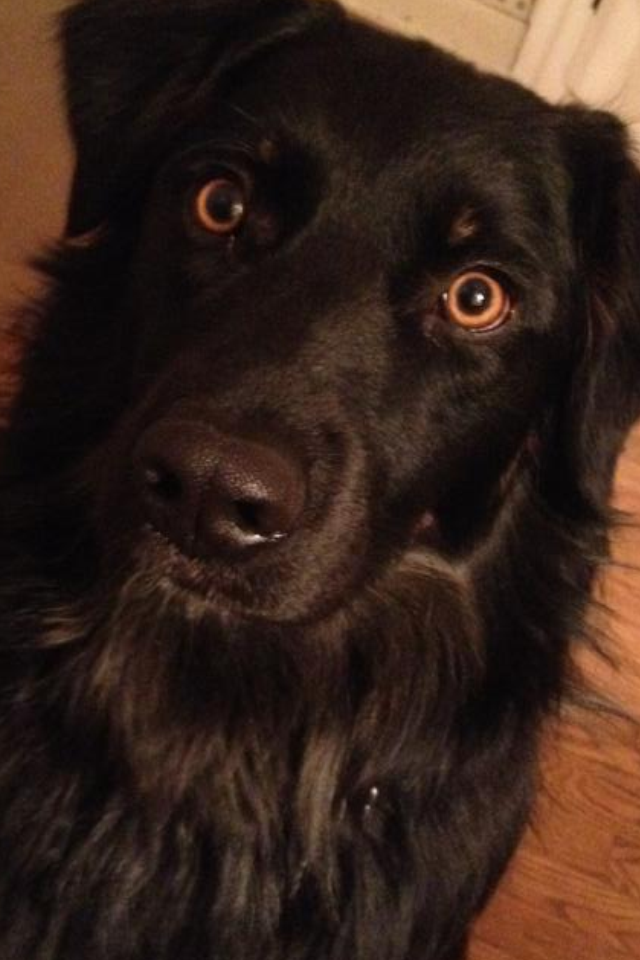
Tripper Dog-Dog-Dog knows the world through his nose. He sniffs everything. It is not uncommon after we finish a meal to come face-to-muzzle with a scent-curious Dog-Dog. Lately, as the objects of his sniffer, we’re given to staring into his amber eyes and offering the menu, saying something like, “Pasta. Arugula salad. Red wine,” or “English muffin. Peanut butter with black cherry jam. Banana. Coffee.” Satisfied with our description, he moves on to the next smell-enticing investigation.

I delight in our Dog-Dog food reports. They’ve become commonplace and matter of fact; “Chocolate chip cookie. Espresso.” Our reports never contain qualifiers, so, for instance, we never say, “A great chocolate chip cookie. Delicious espresso.” We provide the minimum, the noun.

Our Dog-Dog reports have rekindled an age-old fascination of mine: the power of words, specifically, the enormous power of the labels we attach to our experiences.

Language is a sword that cuts both ways. It can liberate and it can imprison. The difference is in how it is used. Language is the primary tool we use to make meaning. Big magic happens the day a person realizes that meaning is not something that is found, rather, it is something that is given and it is given the moment we apply a word-label to an experience. Nothing is good/bad, hard/easy until our label makes it so.

Applying a label to an experience is an act of creation. It is not passive. Take note of the word-judgments you apply to yourself or to others. For a week make a game of flipping them over and applying the label “beautiful” to where you usually apply a judgment. So, for instance, instead of, “I am fat,” why not say to your self, “I am beautiful.” Both are labels. One imprisons while the other liberates. The difference is a single word.

The label determines the possibilities we see (or don’t see). In a past life I used to facilitate organizational change and I came understand that my role was to help my clients ask better questions (use different language). They always came to the table with a “how” question: how do we change without feeling any discomfort? Response: what might you see if you stopped pre-labeling what you might feel as “discomfort?”

The mantra: have the experience first, make meaning second. And then, recognize the great capacity and opportunity you have to make meaning. Why not make a better meaning? Why not take a step and let it be a step merely?

Try this: do the Dog-Dog and, for one week, eliminate the qualifiers so that nothing is good or bad or right or wrong. It just is because you choose to make it so.

Appreciate It

#5

#5 in the process shots

Spring came fast. At this time last week there was a four-foot drift of snow on the back patio; it was Tripper Dog-Dog-Dog’s favorite plaything, leaping in and out of the snow monster. Today, a mere seven days later, the monster is gone, the back yard is snow free. Dog-Dog has already found a new favorite game: plucking leaves floating in the pond and then racing the circumference of the yard as if the newly plucked leaf was valuable treasure.

John’s dad passed yesterday. His passing was both sudden and not a surprise. His dad was an artist, a brilliant painter, and the celebration of his life will include much of his life’s work. “That’s what he would have wanted,” John said. After the call with John, Kerri looked at me and said, “There’s no time to waste.” Life happens so fast.


#6

#6

I went down to the studio and worked (yes, Skip, these are the next two process shots and the sketch;-). While I worked I listened to Kerri’s album, This Part Of The Journey. She came down to see how the painting was progressing and heard her music. She asked me to listen to a moment, a swelling of the strings, and told me of the day she and her producer mixed the track. It is a moment of music that can break your heart or make you yearn for home. “This is a piece I wrote for Wayne,” she said. Wayne was her brother; cancer took him many years ago. We listened in silence, appreciating the fullness of the moment, appreciating the power of her music, appreciating the painting that was emerging; appreciating life happening.

photo-4

from the sketchbook.


Study Your Practice

During his recent visit, Skip wanted to see my latest paintings so we went down to the studio. He is a great studier of people and processes and while flipping through my work he asked if I’d ever taken process shots or filmed my process of painting. Occasionally I take photographs of a painting in process – not to record the stages of development but so I can see what’s there. I’ve learned that a photograph can sometimes help me see what I’ve grown blind to seeing. I agreed to take and share some process shots. Yesterday, I started a new piece and here is the day’s progress:

#1

#1


#2

#2

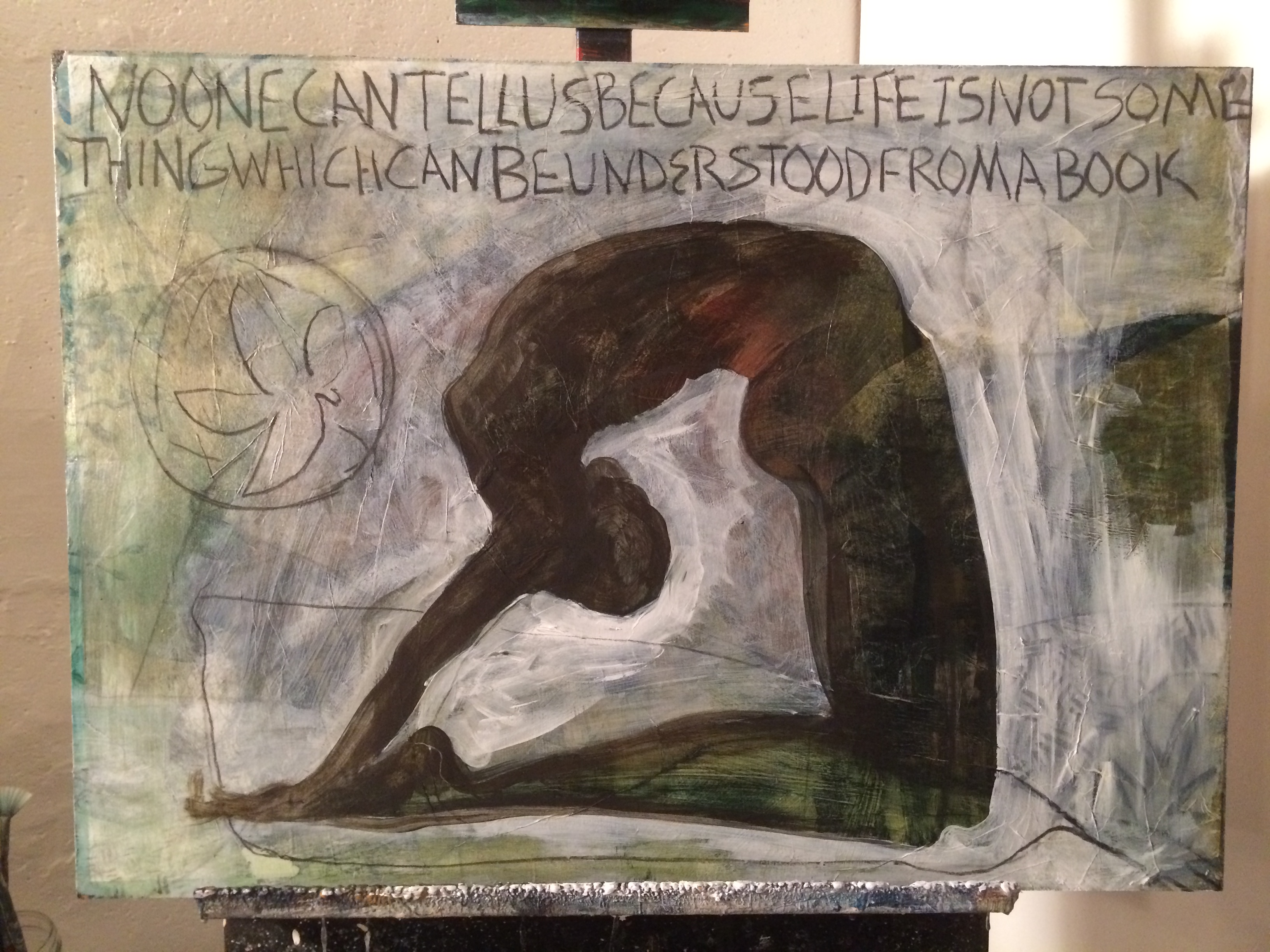
This is the next in my “Yoga series” of paintings. A “yoga” is a practice and I started this series because I was curious about my practices: I was meditating on this question:what is the difference between what I actually do and what I think I do? For most of us the gap is vast between those two points. This series is my ongoing meditation/inquiry into the gap.

#3

#3

A study of your practices will surprise you. What you do and think each day is a practice – it is your yoga; your actions and thoughts constitute the rituals of your life. So, for instance, when I was younger (lots younger) I believed my paintings were “not good enough.” Each day I’d approach the easel and practice “not good enough.” It’s amazing the transformation that becomes possible when you simply change your practice. Practice dropping the judge from your menu. Why not?

Last night I had a conversation with someone who asked, “Why don’t people care?” I suggested that people do care but you have to practice seeing it. It’s all around us if we refocus our eyes. And, in cultivating the practice of seeing the acts of kindness and caring, we become kind and caring (because that is the object of our focus).

photo-5

#4

My yoga series has brought me to this (so far): The world does not need changing; we need, as Doug used to say, to close the gap between what we think we do and what we actually practice doing.

Capture The Essence

Dog-Dog and treasure

Dog-Dog and treasure

Tripper Dog-Dog-Dog gathers his stuff around him. He has two stinky blankets that he pulls from his crate each morning, a red Kong, a blue chew bone with a handy looped rope pull, another blue toy that once looked like a jack but has been chewed beyond recognition, a once-stuffed moose from Josh that is now an unrecognizable shredded mess though he carries it around as if it was precious cargo. There is also a muddy tennis ball, a raw hide bone and usually a sock pilfered from my sock basket. If Kerri and I shift locations within the house, move from the living room to the sun room, Dog-Dog’s worldly possessions will slowly migrate with us. He is subtle and I rarely see the migration in progress; I suddenly realize that I am sitting within a nest of Dog-Dog treasure.

My favorite section in The Lost Boy is a series of questions that Tom asked: 1) if you were given a cardboard box and it was all that was going to be allowed to provide proof that you walked on this earth, what would you put in your box? 2) Beyond proof, what would you put in the box that captured the essence of who you were, that distinguished you from all the others? 3)What are the collections, the things you gather around you that are somehow supposed to tell others who you are? These questions might seem simple but are surprisingly complex. How does your stuff tell the story of who you are? Or, a better question: does your stuff define you? Can your stuff – your car, your house, your granite counter tops, your clothes, your jewelry,…, – capture your essence?

Tom asked two other related and relevant questions: In packing your box, would you be tempted to scrub your life of its messiness? Would you try to eliminate the mundane, the everyday? Would you throw away your rough drafts? Would you ignore the relationships that didn’t work out? Would you explain away the ugliness, the ruthless choices? Would you burn your personal journals so that the future might never glimpse your doubt, your struggles, your frailty?

I would add these questions: What if your essence was only available to you once you value the messiness? What if, in throwing away the mundane, you actually eliminate what is truly special about you? I’ve often taught and touted a tenet from improvisational theatre: drop your clever and pick up your ordinary – most of us diminish/neglect our greatest gifts because we label them as ordinary. They come naturally to us so we don’t always recognize them. In trying so hard to be clever, to be right, to be flawless,…to be other, we regularly overlook the real treasure and relegate ourselves to that most shameful pile labeled ‘ordinary.’

Scrubbing life to a sterile, conflict-less blandness is a recipe for….boredom and, at the end of the day, a very uninteresting box. Of this I am certain: if Dog-Dog had to pack his box today, I would be proud to sit amidst the stinky blankets, blue bones and remnants of moose toy. Dog-Dog hides none of his messiness.