Refresh [on Two Artists Tuesday]

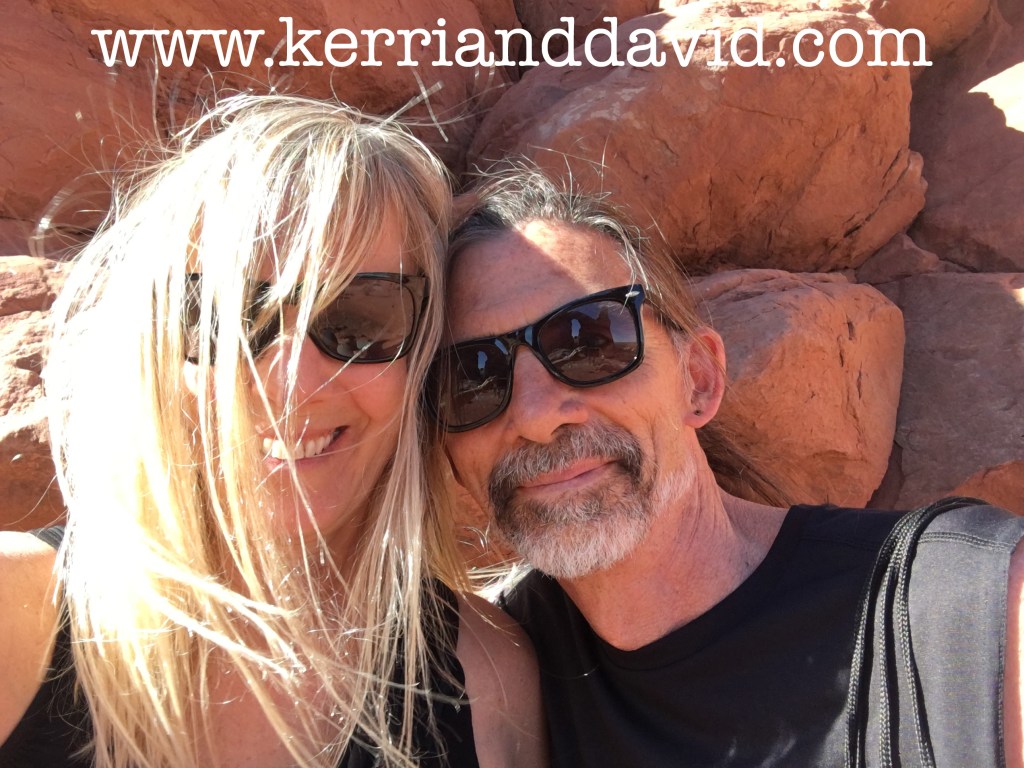
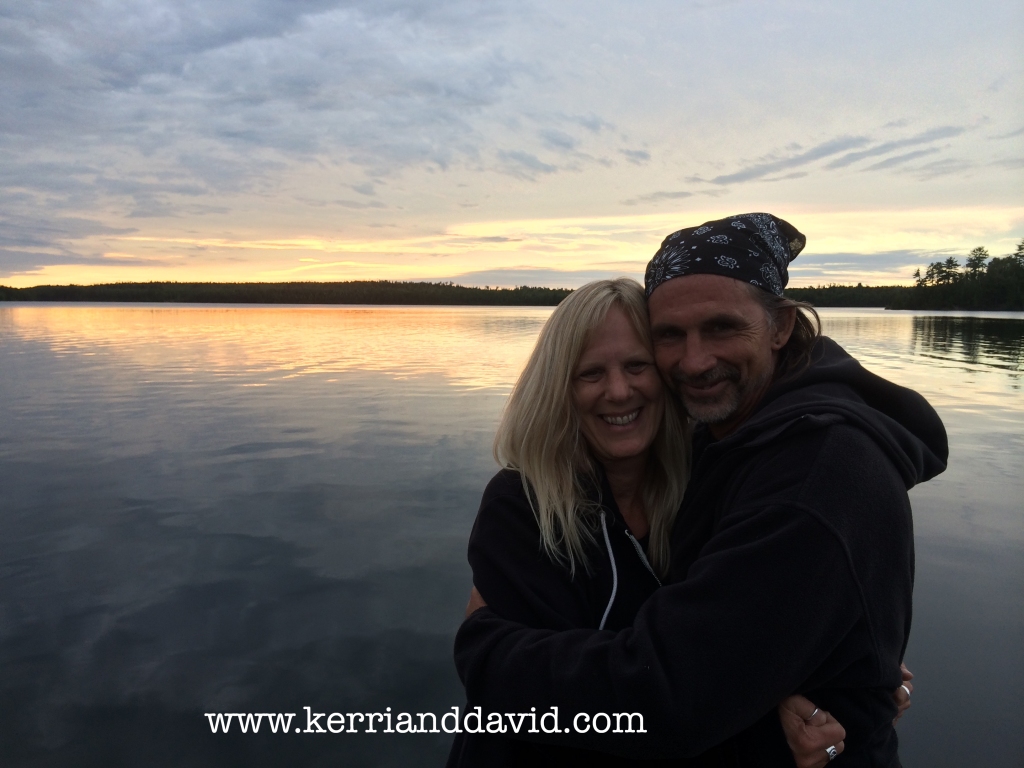
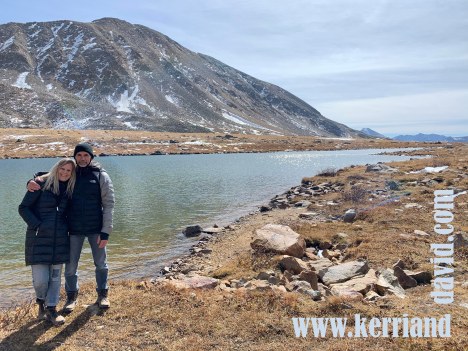
It’s been true since we met. People stop us in airports and on the street, they give us thumbs up or take a faux paparazzi-photograph. They tell us that we are cute or “lookin’ good!” Once, a shopkeeper came out of his store to tell us that we made him smile. When we walk the neighborhood, we are often met with people who tell us that we make their day. It always takes us by surprise and it always makes us smile.

What are people seeing? We are older and link arms when we walk. We hold hands. Our clothes are unintentionally the same. Black on blue jeans. We walk slowly. We talk to each other. We stroll; a walk without a destination. We don’t know what inspires the comments but always appreciate them.

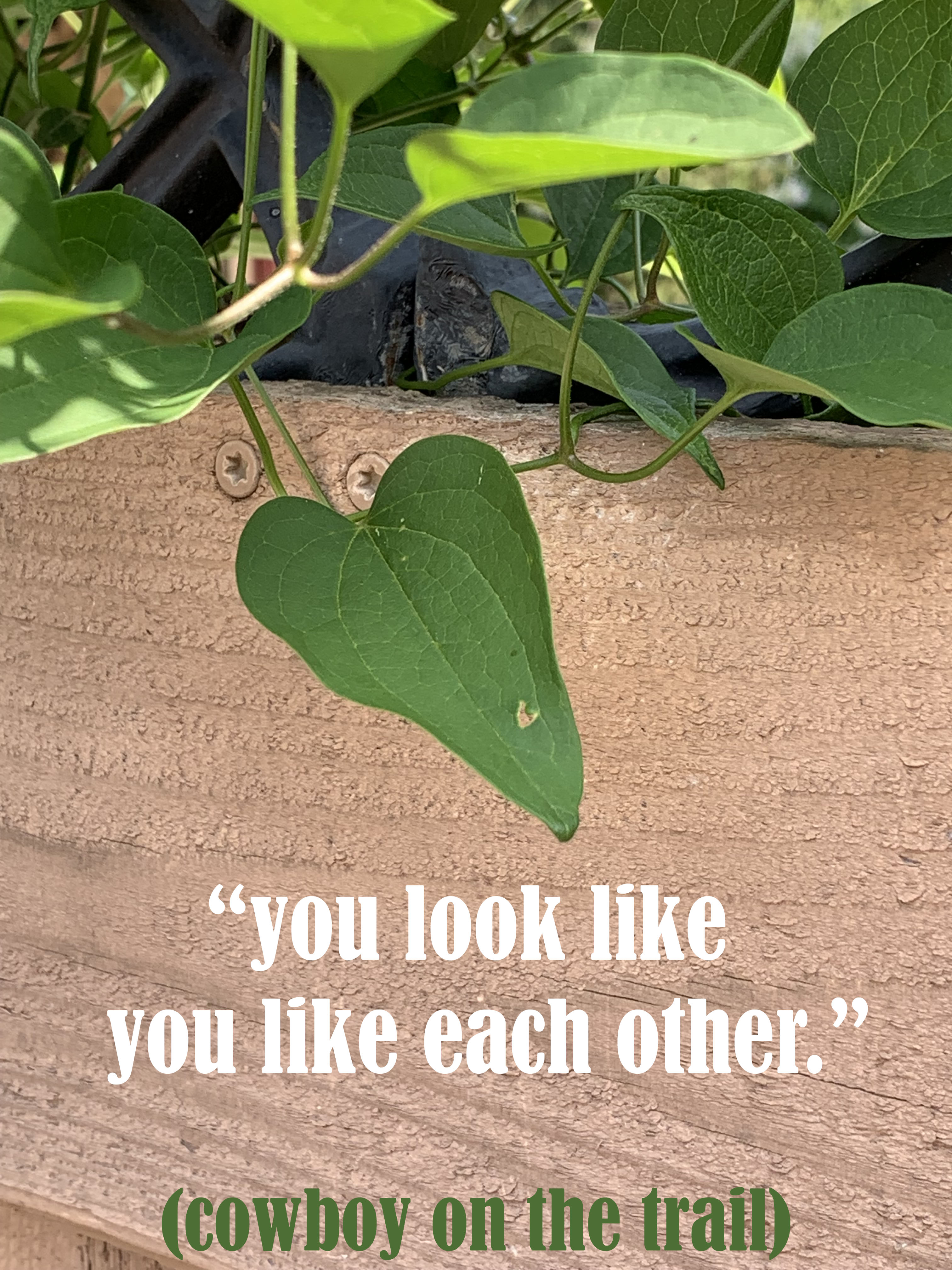
Kerri always coos when she sees a horse. In our imaginary life, she has horses, a donkey, and an old truck. We were walking on the trail in our flip flops (that always gets a raised eyebrow or two) when the cowboy came around the bend. “A horse!” Kerri whispered, and squeezed my arm. The cowboy sat up in his saddle, nodded as he rode passed, then said, “You look like you like each other.”

“We do.” I replied.

Perhaps it is that simple. We like each other.

We’re fortunate. Our work allows us to be together all day. Every day. That would, I’m sure, be the end of most relationships. We like it. When I need feedback on a painting, she is my best wise-eyes. “What do you see?” I ask. We read our posts to each other before we publish. We edit together. We cook together. We create together. Our list of joint projects is growing. Lately, our once-weekly-cartoon about…well…us, Smack-dab., is giving us tremendous energy. It is fun. We poke fun at ourselves. We capture the ridiculous and the poignant. We pay attention to the marvels of simple relationship.

Picasso said that, “Love is the greatest refreshment in life.” He also said that, “Art is the elimination of the unnecessary.” Those thoughts, placed side-by-side, I believe, holds the reason a cowboy sat up in his saddle and a shopkeeper ran into the street. We are refreshed. We practice the elimination of the unnecessary – on canvas, at the piano, and in life.

We didn’t try to make 24/7 togetherness. There was no rule or expectation. It’s what we wanted. It’s what we want.

I am on jury duty this week and was at the courthouse most of the day. When she came to fetch me I got in the car and we said at the same time, “That was weird!”

“Tell me everything!” she said.

“No. You first! What did you and Dogga do?” Our conversation took us deep into the night. There’s so much life and so little time. Perhaps that’s it. We know this day is precious and fleeting and act accordingly. It must show.

read Kerri’s blog post about YOU MUST LIKE EACH OTHER

Smile With Pete [on Two Artists Tuesday]

It is a hot and humid morning as we sit to write. The sky is dark and rumbling. A storm is moving in. Dogga doesn’t like the thunder. He stays close. He studies our responses. Kerri jumped up to close the windows against the rain.

News of Pete’s passing came yesterday. And, although I have not seen him in a few years, it sucked the air from my lungs. His path through life was not easy. He was the first truly free spirit I met in my youth. I’d met lots of pretenders, cape-wearing artists that fancied themselves to be free. Angry activists. Pete was different. His protest against the Vietnam war meant that he simply refused to fight. Peace made him a criminal so he went where he could live as he believed, a hippie, living off the land and off the grid. He understood that his actions mattered. He understood that his choices impacted everyone so he was dedicated to making sustainable, non-violent life-choices. Pete was way ahead of his time.

He was a beekeeper and, occasionally, when he needed help, I rode in his old truck and helped him lift the heavy hives, moving them to the next field. He collected the honey for sale and made beeswax candles. If a puritan work ethic smashed into a Buddhist mindset, Pete was the result. He worked hard. He relaxed hard.

He believed in the illumination of human consciousness. He meditated and practiced presence. We talked endlessly about the nature of…nature and what it was to be of the earth and not on the earth.

One night, after a long drive and a long day of moving hives to a farmer’s field, too late to drive home over the passes, the farmer gave him permission to camp overnight. Pete rolled out his sleeping bag and fell asleep under the stars. Two county ditch riders, seeing a hippie in a farmer’s field, decided it would be great fun to run their truck over the hippie. Pete’s hair got caught in the bumper. He was drug behind the truck for a long, long way before his hair finally released from his head.

No one can explain how he survived. His body was broken, his brain was damaged, but his spirit was unharmed. I’ve never seen another human being go through so much, lose so much, and come out smiling. In my middle age, years after the “accident,” sitting with Pete at family picnics, I’d ask him how he was doing. “Greeeeaaaaat!” he’d say, smiling his famous smile, closing his eyes again, turning his face to feel the sun.

No one I’ve ever known had more reason to be bitter yet had less capacity for self-pity. A peace-lover who became a survivor of horrific violence, an independent spirit who became impossibly dependent, a man of nature who was rendered incapable of doing any more than looking at the mountains and the fields, and his response was to smile.

Pete was rendered present. He embraced a simple gratitude for every day of life. He was capable of being no where else and inhabited his limitation with appreciation.

Even in his wreckage he managed to live fully his convictions. Isn’t that the mark of a great person?

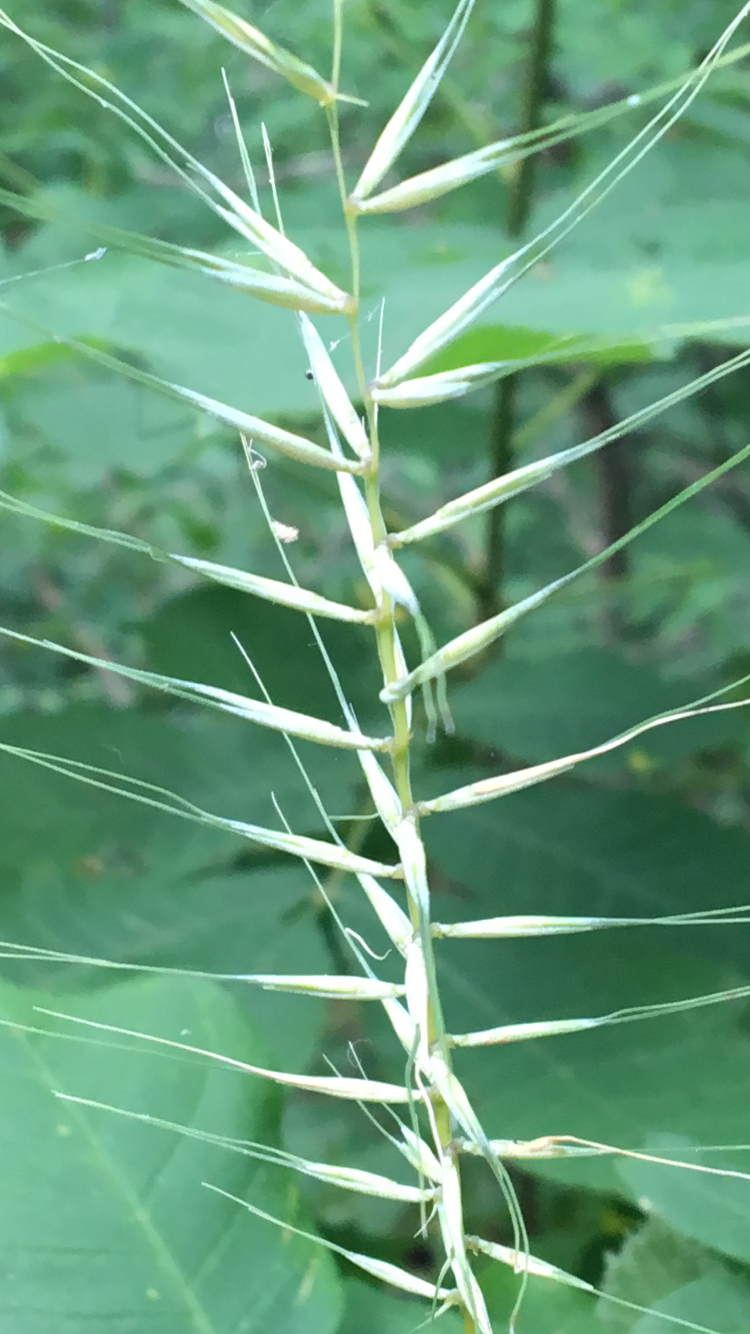
read Kerri’s blog post about GRASSES

Pull The Weed [on KS Friday]

One of my favorite simple pleasures each day is watching Kerri go out in the early morning and tend to her tomatoes. The world is quiet. The coffee is brewing. Dogga makes sure the yard is clear of marauding squirrels so the path to tomatoes is safe. An extraordinary ordinary moment. A tender ritual. A wonderful world.

Put down your clever and pick up your ordinary. It is one of my favorite “rules” of improvisational theatre. It is also a good credo to live by. Trying to be clever will take you out of the game every time. It is as true in all aspects of life as it is in art. The beautiful little secret: power, presence, flow…these live in the province of the ordinary.

When I was learning to scuba dive,Terry tried to teach me one central concept: get neutral. After several dives, fighting for control, trying “to do it right,” burning through my oxygen with my dedicated stress, I simply relaxed. I found the neutral that he advised. It was as if I joined the current. The colors sharpened. Time seemed to slow. My breathing definitely slowed. What was a struggle only a few moments before was suddenly easy. I’d picked up my ordinary. I got out of my way.

I delight watching children draw. They are free in their ordinary, not a shred of clever to be found. They lose that. We lose that, trying to be…something other than what we are. How many of us shudder in the notion that we are inauthentic? How many of us invest in the notion of low “self-esteem?” The circle of ordinary comes back around though it is cloaked in words like “self love” or “acceptance” or “wholeness.” Get neutral. Put down your clever.

Ordinary, not clever. It is a discovery that ought to stick early in life but generally lands much later. There’s very little distance between the child that freely colors and the adult that one day remembers that nothing is broken, nothing needs fixing. It is ordinary to color with abandon. The riches are in tending the tomatoes. “Clever” is merely a weed that needs pulling. In the ordinary, a wonderful world is waiting.

PULLING WEEDS on Kerri’s album RIGHT NOW is available on ITunes or streaming on Pandora

read Kerri’s blog post on TOMATOES

pulling weeds/right now ©️ 2010 kerri sherwood

Sit On The Curb [on DR Thursday]

As much as our wily-ole brains would like us to believe otherwise, we can be nowhere else but in the present. Everything else is imagination.

Years ago I belonged to a support group of independent consultants. We met once a month to discuss our business challenges, insights, and to give and receive some advice. One of the members of the group was a Byron Cady coach. I have no memory of the discussion that prompted her to offer this Byron-thought-metaphor: “If your house burns down, rather than race around in panic, the best thing you can do is sit on the curb and appreciate the moment.”

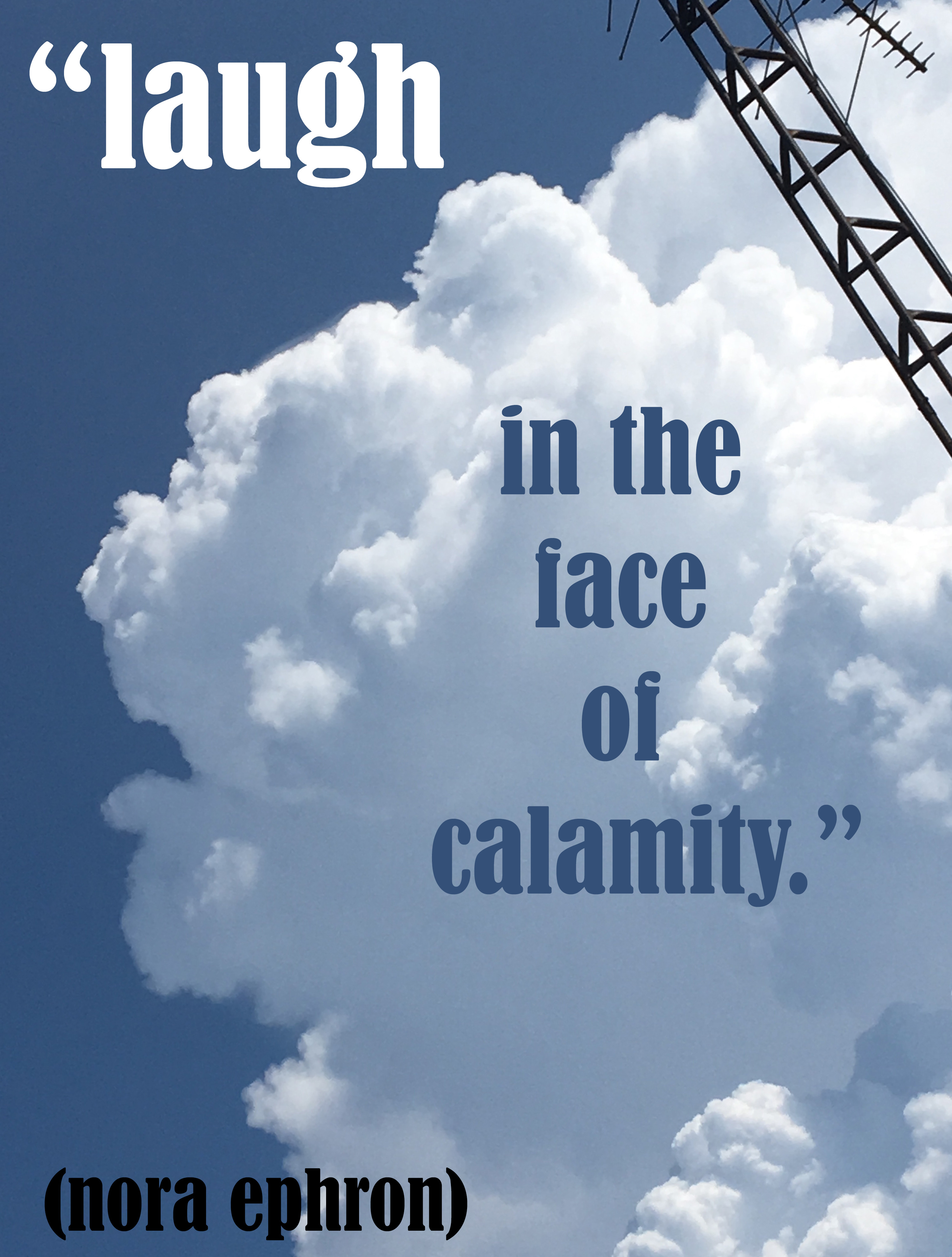
To the consumer-mind, wisdom often sounds like bad advice. That you are alive, that you have this moment, means that no real possession was lost. The question is, in the face of calamity, what will you make of the moment?

Brother Joseph told the story of holding a woman wearing expensive furs, each finger was diamond encrusted, as she died on the street. He was, in the moment, overwhelmed by the worthlessness of her stuff. The illusion of value once life has gone.

Life. This moment. Calamity is certain to come. Sit on the curb and see what is there, beyond what you think is there.

We’ve had our share of adversity these past few years. I would like to report that we laughed heartily in the face of lost jobs and broken wrists and pandemic madness and civil unrest. We did not. We shook our fists at the sky. We made up words and ran loops like Chicken Little. We invested in all manner of fear-of-the-future and ran from monsters-of-the-past. None of our racing around or fist-shaking brought comfort or change.

But, the moments that we took a breath, walked a trail or sat on the back deck and listened to the cardinals and crows, sipped hot coffee on cold mornings, held hands – sat on the curb and appreciated the undeniable truth of our moment: we have everything. We have this moment – the only moment of life that we’ll ever inhabit. We have each other. The rest, the fear of future, demons of the past, are pure imagination. In those moments, wrapped in a circumstance of calamity, we laughed at the beauty of it all.

read Kerri’s blog post about LAUGH IN THE FACE OF CALAMITY

Choose [on Two Artists Tuesday]

“It’s a serious thing just to be alive on this fresh morning in this broken world.” ~ Mary Oliver

Were I to have been born in an earlier century I would not be alive today. Twice on my life-path doctors have declared that, “You are now a miracle of modern medicine.” Leeches and blood-letting would not have cured what ailed me.

This thing called ‘science’ is what gave me more days of life. It is the same science that developed vaccines for a pandemic but also made possible the technology that makes mass-media-misinformation possible. Here is the medicine. Here is the disease. It is exactly as Sophocles wrote: Nothing vast enters the life of mortals without a curse.

One morning, deeply tired, I arose to go do a job that I did not like. It was a means to an end and I dreaded the day ahead of me. Stepping out the door, the cold morning air stopped me in my tracks. It slapped me awake. The air was crisp and clean, the neighborhood was quiet. The light in the sky was brilliant. I drank it in. I vowed never again to dread a day of my life. In truth, I had no idea what the day held for me. Why then, would I story my day with a frame of dread? Why tell myself a tale of just-getting-through-it? Why not open to the possibilities of surprise and miracle? Why not embrace the already-stated-obvious-thing: I had no idea what the day held. That simple fact would be true every single day of my life. Dread was a choice, not an inevitability.

To be alive on this fresh morning. It is a serious thing. In this world, broken by the little story of us-and-them, the tiny tale of power-over. Choices. The miracle of the new day is present whether it is seen or not. We can cloak it in dread or gratitude, in support or division. It doesn’t care either way. The miracle of the new day, the gift of being alive on this fresh morning in a world that is broken or healed, whole or fragmented – it all depends upon the story-frame we wrap around it. The story we tell is a choice, not an inevitability.

read Kerri’s blog post about JUST TO BE ALIVE

Gather And Share [on DR Thursday]

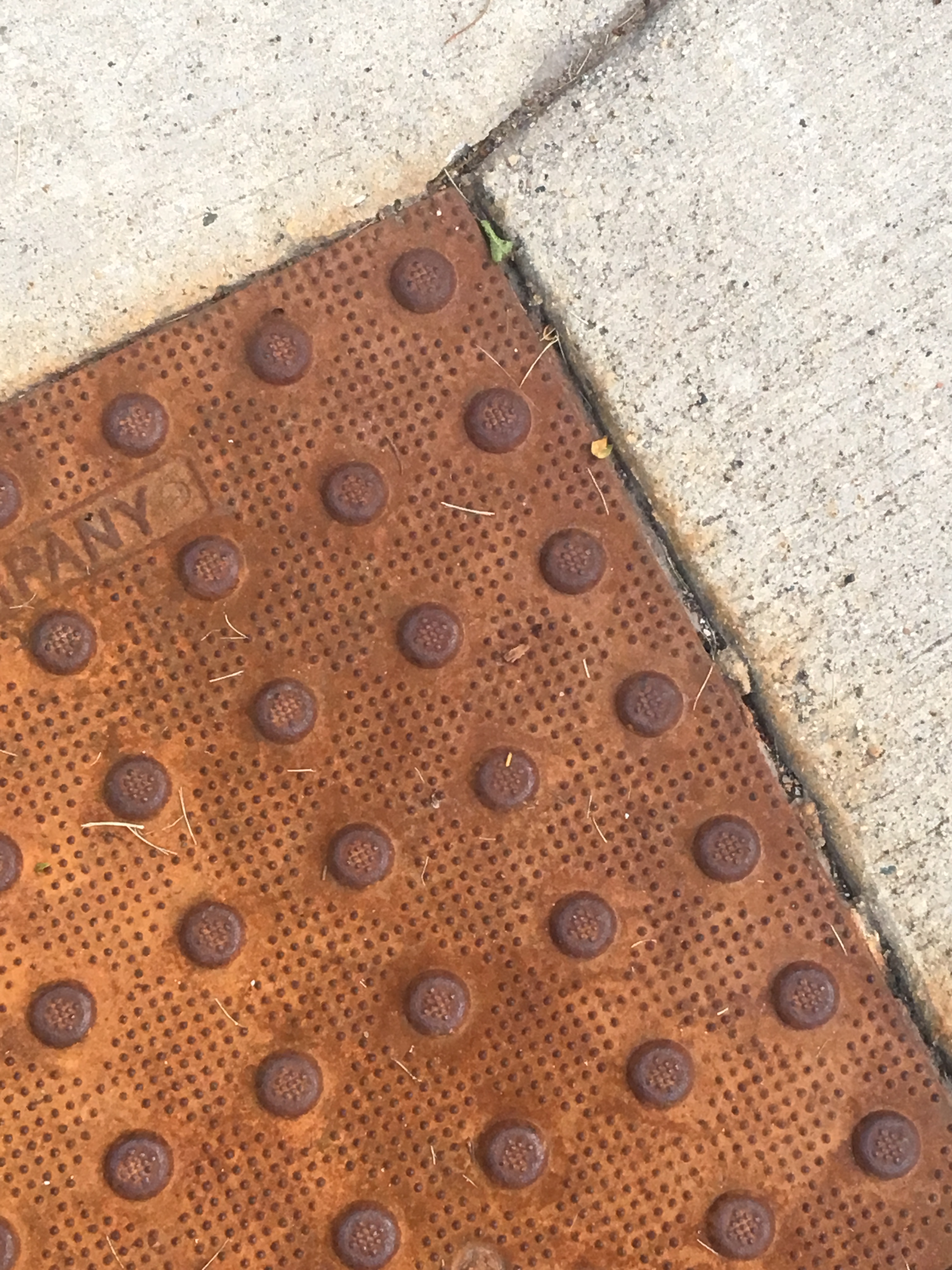
Back in my Don Quixote days, with the onset of a camera in every phone, one of my favorite exercises to give to groups was to send them out in search of textures. Gather texture. Gather pattern. It was quite literally eye-opening. It was also, quite literally, presence-enabling and life-invigorating.

There is enormous power in the simple phrase, “Stop and look.” See.

In “gather” there is no judgment. Consequently, the photos that came back, rich in texture and collision of texture, patterns revealing themselves everywhere, were gorgeous. Dynamic. But, mostly, they were revealing. Otherwise serious adults, who believed that there was nothing new, that life was less-than-exceptional, came back from their texture-gather with open eyes. Some giggled. These people, claiming that they did not possess an ounce of artistry, would show their photos to the group and say, “I pulled that in so we could see it better.” Or, “Don’t you just love how those two things come together?” Or, my favorite, “You didn’t give us enough time! I couldn’t gather it all!”

Ah. Not enough time to see it all. Not enough time to take it in. Now, isn’t that a statement of the-love-of-life? Isn’t that the epicenter of an artist’s life. Isn’t that a more interesting path than, “Same-old-same-old”?

Dots. Diamonds of dots. Lines. Pattern. Texture. Too much to see. Too much to experience. And the best, most simple way to step into vibrancy is to stop and look.

But, there is one more step, the part that made the exercise powerful. The essential part was and is almost always overlooked. Stopping and looking and gathering is great but only has meaning – only becomes artistry – when it is shared. Without fear or judgment. Stop. Look. Gather. Come back to the center and share what you see.

read Kerri’s blog post about TEXTURE

yoga series: meditation ©️ 2012 david robinson

Walk With Dorothy [on Merely A Thought Monday]

I am fond of falling into rabbit holes. For instance, I just wrote the phrase, “racking my brain” and then doubted my spelling and wrote, “wracking my brain.” Was I wracking my brain or racking my brain as I tried to figure out who Lily Tomlin reminded me of? We’ve been binge watching episodes of Grace & Frankie.

This is what the oracle in the temple of google revealed to me: To rack one’s brain is to torture it or to stretch it by thinking very hard. To wrack one’s brain would be to wreck it. This might sort of make sense in some figurative uses, but rack is the standard spelling where the phrase means to think very hard.

After sufficiently stretching my brain on the rack, somewhere in the early episodes of season 2, I realized that Lily Tomlin’s character reminded me of my great aunt Dorothy. Not so much in specific action – but in orientation to life and in appearance. I admired her greatly.

Dorothy lived on the side of a mountain in a small house that may or may not have ever been level. It was a down hill stroll when walking from the kitchen to the living area. She cooked on a cast iron wood burning stove. Her tiny yard, also clinging to the side of the mountain, was a miracle of blue bottles glittering in the sun and brilliant red hummingbird feeders. Poncho, a dog older than god herself, sat in the yard and watched the day go by. My great uncle Del rolled cigarettes and kept his world war 2 army jeep in usable shape.

Dorothy and Del were more interested in living life simply rather than gathering possessions or stacking achievements. The promise of a week with them was a promise of adventure. Catching pollywogs in old coffee cans, building rafts so we could Huck Finn our way across high mountain lakes, bumping in the jeep over ancient gold mining trails, discovering cabins and shelters slowly being reclaimed by the land. There were old graveyards and the hillside that the mountain town considered its dump. Dorothy was famous (to me) for finding treasure there. She had the eyes to see possibilities and potential in the community’s discards.

I often wonder if my love of walking was a gift from Dorothy. I adored walking with her. She was, at the same time, a free spirit and completely grounded. She was dedicated to the appreciation of the moment. No frills. No illusions. The sun on her face was cause for celebration. She never traded simple present joy for some imagined future gain.

When I think of her, I smile. When I think of the many people who have influenced me, Quinn and Tom, Doug, MM, Mark, Judy…they all have a bit of Dorothy in their characters. Outliers. See-ers. Lots of laughter and ideas. The ability to find treasure – or make treasure – in the people and the possessions that society routinely throws away. Appreciators of the moment. Sharers of the riches they find there. Walkers-through-life that pay attention. Each and every one evokes a smile when they wander through my thoughts.

Ask me what makes a good life, what it is I hope to emulate, and leave behind, I will not need to rack or wrack my brain. I will point you to the long river of inspiration and smiles whose headwaters come from a tiny scrappy woman who lived in a tippy house on the side of a mountain surrounded by hummingbirds, colored glass, bacon and wood smoke.

read Kerri’s blog post about SMILE

See The Riches [on KS Friday]

My mom tells me that my dad is becoming a little bird. His body shrinks as dementia takes his mind. He is continually packing for a trip, his clothes wrapped in tight balls or stuffed in odd places. He waits at the door.

Listen to Kerri’s Fistful Of Dandelions. It tells the story of a life cycle. A mother and her small child. The child grows. The roles reverse. The son becomes the giver of care. It is nature’s cycle and, with each passing phase of the cycle, comes the appreciation of the true riches in this transient life: moments together. Holding hands. Picking dandelions. Titanic love. “…all the riches I will need today…” Simple presence chocked full of simple appreciation.

I interviewed for a job last week. The questions they asked were questions designed for a younger person, someone at the beginning of their career. I laughed and replied that their question had nothing to do with me. I no longer climb the achievement ladder. I am at the other end, the son holding tender space for the shrinking bird.

The illusions drop away as the sand runs out. The wall of respect might hold plaques and certificates but they grow more empty over time. Paper in a frame. The car in the garage never really provided the status it promised.

What remains is the real stuff. Holding hands. A fistful of dandelions. Shared time. Beer-thirty on the back porch. A pocket full of memories. Warm days fishing together at the lake. Listening to records deep into the night. Packing boxes and helping with the move. Making sure this tiny bird is safe as he waits with his bundle at the door. Just as he did for me.

all of Kerri’s albums are available on iTunes

read Kerri’s blog post about FISTFUL OF DANDELIONS

fistful of dandelions ©️ 1999 kerri sherwood

Dance In Timelessness [on DR Thursday]

“We cannot struggle to be present. We can only discover that we are present.” ~ Declan Donnellan

The struggle to reach across the divide and grasp hands with the one that you love. It is a universal story. Yearning requires an obstacle to ignite the story.

I painted this for Kerri when we were attempting to bridge the divide. I lived in Washington. She lived in Wisconsin. During a visit, sitting in Adirondack chairs in her front yard, sipping wine and listening to music, we discovered that we were present. We danced in timelessness.

Obstacles become surmountable when love is on the other side of the abyss. We moved mountains and then dealt with the consequences.

It’s a rule that an artist should never tell an audience what a painting means, should never rob a viewer of their response, interpretation, and story of a painting. Sometimes it’s alright to break a rule. I painted this painting for Kerri. It’s about reaching for love across the divide, discovering the present, and the promise of dancing our way through the obstacles.

read Kerri’s blog post about DANCING IN THE FRONT YARD

dancing in the front yard ©️ 2013 david robinson

Walk In Sync [on Merely A Thought Monday]

My Seattle studio was on the 4th floor. It was a corner space so I had windows on two sides. On one side, across the railroad tracks, were the stadiums. Out of the other set of windows I could see the streets that bordered the International district. People scurrying to and fro.

Many afternoons, working on a painting, I’d hear the roar of the crowds, touchdowns or home runs. The light rail pulling into the station. The Amtrak train pulling out of the station heading north. Sirens, car horns honking. I loved my studio because, although I was surrounded by the hustle and bustle of city life, I felt somehow removed from it, a witness.

Sometimes, when I was too much in my head or I could no longer ‘see’ my painting, I’d walk the streets. I’d wander to clear my mind or refresh my vision. I’d walk slowly, people rushing, rushing by. People trying to get somewhere. Trying-to-get-out-of-a-too-active-mind requires a much different pace than trying-to-get-somewhere. They are opposite actions. In my slow walk I’d feel the wind of impatience as people dodged around me. I was an irritant. I was a slow moving rock in a rushing river of humanity.

The wind of impatience.

I’ve always understood the artist’s role to be a witness, to live on the edges looking in. Master Marsh recently sent Wendell Castle’s “My 10 Adopted Rules of Thumb.” Rule # 2 is “It’s difficult to see the whole picture when you are inside the frame.” An artist’s job is to sit on the frame, to see and share what those inside the frame cannot see. Pattern. Movement. Illusion.

One of the first things I noted the day I met Kerri is that we had exactly the same stride. We were walking and our steps were weirdly identical. We strolled in sync. It made us laugh.

There is a special place in Aspen, Colorado. The John Denver Sanctuary. We make a pilgrimage to the Sanctuary when we travel to visit Kirsten. It is a place designed to make people slow down. Babbling brooks. Aspen leaves. Monolithic stones carved with the lyrics of John Denver’s songs, stones that carry the words of writers and artists and thinkers who appeal to the heart. It asks the visitor to sit for a spell. To listen. To breathe and see. To be, as nature teaches, no where other than here. It offers the gift of the artist: to fill-up with quiet before jumping back into the life-of-hurry-up-and-get-it-done. To remember what is natural and walk with exactly the same stride as nature.

read Kerri’s blog post about PATIENCE