Look Down [on DR Thursday]

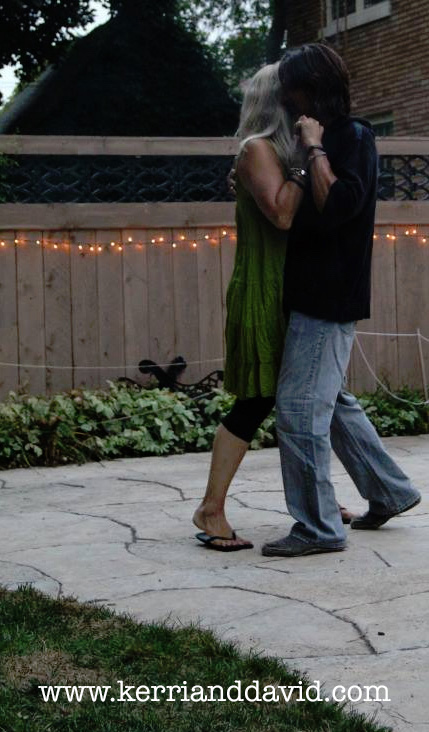
To all the rugged individualists out there living under the grand illusion that you are blazing a new trail, I have only one thing to say: look down. Someone has been there before you. It’s why there’s a path. And, more to the point, someone – a crew of someones – worked very hard to make and maintain the trail you now tread. It’s true in the forest. It’s true in the big-bad city. Every time we flick a switch and the lights come on it might not be a bad idea to recognize how many people were – and are – involved in the maintenance of our comfort and our self-reliance-fantasies.

On the Pink Bed trail there’s a boardwalk that elevates hikers over the swampy sections. I stopped in utter admiration at the section that took a hard left. Someone – a crew of someones – spent a long time making my corner not only easy to walk but beautiful. Certainly there are more efficient ways to build a turn in a boardwalk and they could have chosen any number of simpler solutions but they didn’t. They took the time to make their work functional, sturdy, AND aesthetic.

Daniel was building a house on the lake. He only builds one a year these days, mostly for fun. He invited us in. Far from being finished, the craftsmanship was exposed. The joints were meticulous. The lumber he chose was solid. The materials mattered. There was beauty in the structure and he was proud to point out the love taken in every step, even the roughest stage of the build. The eventual buyers would never see or know the care alive behind the drywall. They might never fathom the depth of effort and design involved in making their comfort – their triumphant lake home – a possibility.

Horatio and I talk often of the deep philosophical divide in these un-united-united-states. The every-man/woman-for-him/herself camp is at odds with the I-am-my-brother/sisters-keeper folks. I understand the appeal of the self-made-man/woman story but I also recognize it to be mostly a fantasy. Sir Edmund Hillary understood that standing atop Everest, celebrated as the first, was only made possible by the efforts of hundreds of Sherpa, months of expedition planning by John Hunt and team, financing, travel arrangements, government officials, 8 previous unsuccessful expeditions, and the good graces and guidance of Tensing Norgay.

We’d be better off if periodically we stopped and simply looked down.

read Kerri’s blog post about the BOARDWALK

prayer of opposites © 2003-4 david robinson

Note The Beautiful [on Not So Flawed Wednesday]

There is a genius in simplicity.

Lately, one of the conversations swirling around me, a conversation I very much appreciate, is about beauty. What is a beautiful building? What makes a software beautiful? Certainly, beauty is subjective though I suspect a sunrise over the ocean is beautiful to all. A baby’s smile. A first kiss.

We are surrounded by noisy advertisements telling us what is (and what is not) beautiful. By this standard, most of us fall into the not-beautiful category. Though, deep down, we know, that the real test of beauty is not in what is concealed but in what is revealed. A warm heart is more potent than skin creme or make-up.

My niece had a birthday yesterday. She is on this earth to help people. She is creating a beautiful life. She probably doesn’t know it – and, that’s a mark of true beauty – it doesn’t need to call attention to itself.

Every collaboration I’ve had with MM was beautiful. We had fun. We explored ideas. We have nothing but respect for each other. We’ve made each other better people, better artists. When I revisit any one of the many projects we created together, I smile and feel rivers of gratitude and pride. A memory that inspires a smile is the very definition of beauty. It brings the goodness of the past into the present moment. Light travels.

20 is a master of the beautiful because he knows the power of simplicity. A heart shape torn from a piece of paper – acknowledging grief that goes beyond words. A construction paper bow. He’s not forgotten the lessons he learned in kindergarten. Laughter, he knows, is the most beautiful gift of all and we receive it from him weekly.

What makes a design beautiful? Aspen leaves shimmering in fall. I’ve stood in front of paintings by Picasso, Matisse, John Singer Sargent…and cried. They were so beautiful. I’ve held Kerri’s hand, walking on a trail, and wanted the moment to never end. Simple.

read Kerri’s blog post about THE BOW

Attend To Beauty [on Two Artists Tuesday]

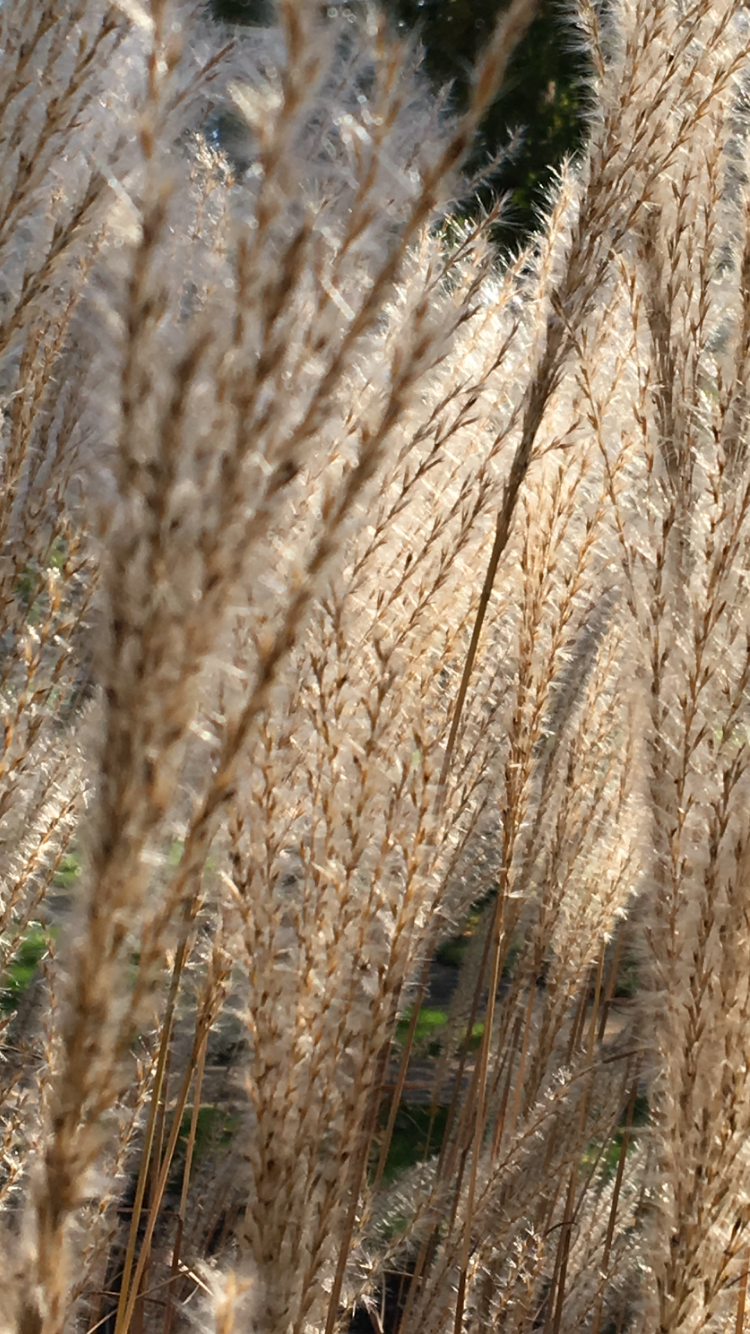
We are fans of ornamental grass. They line our walkway and populate the area along the fences. DogDog’s round-about sign is now nearly obscured, standing in the middle of tall grasses.

Some folks cut back their grass plants at the end of the season but we let ours stand through the winter. The reason has nothing to do with the health of the plant and everything to do with aesthetics. There are few things more beautiful than ornamental grasses aglow in the winter sun. I have been brought to tears watching the dance of the grasses, alight in pink and orange against the cold blue of a snowy afternoon. Magic beings swaying. [My grass-inspired-tears brought Kerri to consider that my heart just might not be made of cardboard (single ply) after all].

We attend to beauty, not because we are artists but the other way around: we can’t help but attend to beauty and that is what makes us artists. Yamaha paid Kerri a great compliment when she said of our home, “Everywhere I look I see something beautiful.”

Saturday, while raking the leaves, the air was crisp and birdsong, so unexpected, called to me to listen. As I stood listening to the birds, a breeze caught the grasses and they bristled, caught the wind and swayed. I dropped my rake and watched the performance, birds singing to the modern dance of grasses.

Our mail carrier broke my revelry with a greeting. She said, “I’d rather be doing my job than yours. I hate raking leaves!” I laughed. The color of the leaves, the sound, the fall smells. The performance. At that moment, I felt like the luckiest person alive.

“Oh, I don’t mind it,” I replied. “Actually, I’m enjoying it.”

“Well,” she said, “It’s a good thing then. I think I’ll stick to the mail.”

Yes. It’s a good thing. A very good thing, indeed.

read Kerri’s blog post about GRASSES

Walk With Samuel [on DR Thursday]

“The end is in the beginning and yet you go on.” ~ Samuel Beckett, Endgame

When is something finished? Beckett wrote Waiting For Godot in 1953; characters waiting for what will never arrive. A finish. A completion. Beckett’s life spanned both wars-to-end-all-wars, Korea, Vietnam. He wrote about humanity’s dedication to nonsense. His work has been called bleak and dark. His work is shelved with the canon of The Theatre of the Absurd. And, yet, given the news of the day, these days, who doesn’t feel as if they are living in a Beckett play?

What is often missed in his absurdist plays is the beautiful human capacity to keep walking, to keep trying. Waiting and walking through tragedy, mostly of our own making, with unwavering hope. We story ourselves with nobility even when wrapping ourselves in a lie. We make rules and laws that apply to some but not to all and then we set about to justify the inequality. Money and morality are not the same thing though there’s plenty of storytelling meant to have us believe that wealth only flows to the worthy.

Art is not supposed to make sense because life doesn’t make sense. We make sense of life through the stories we concoct. Emperor’s buried with thousands of statues to keep them company in the afterlife, an artist painting the ceiling and walls of the Sistine Chapel, gods and angels and saints. How many people died building the great pyramids, tomb for a pharaoh? Who would possibly spend their life in abject poverty smearing color on canvas? Van Gogh. A legion of others not known. Are we better for it? I cried the day the Taliban blew up the Buddhas of Bamiyan, 6th century statues that I had not seen in person and was likely to never see. Were my tears more or less absurd than the Taliban’s animosity toward carved stone?

Matters of the heart. When are they finished? Where do they begin?

It was a gorgeous day, perhaps the last warm day of the season. We met our pals at the Chicago Botanical Gardens. Throughout the gardens, preparations were being made for the annual holiday light exhibit. A tree of shiny stars. Giant flowers. Faux candles floating in the waterway. Strings of colored lights were being placed along the walkways. Even during the light of day it was impressive.

In this time of transition, many of the gardens were being prepped for the winter, the pathways were packed with people cooing at the wave of the grasses, the shape of the trees in the Japanese garden. I was gobsmacked by the color of the moss on trees, the shock of red leaves against vivid green. No matter which direction I looked, someone, some special gardener and designer, had crafted beauty. They knew that their work would stop me in my tracks and allow me to whisper, “Unbelievable.”

Winding our way back to the Visitor’s Center, I told Brad that, seeing so many people out enjoying the gardens, excited to walk in beauty, filled me with hope.

To walk in beauty. Dollars and cents can’t reach the reason. Data can’t touch the impulse. There is so much light in this theatre of the absurd. Beckett knew it, writing about the stories we tell, the relationships we create, waiting for something – a beauty – that by definition, will never arrive because we are surrounded by it each and every day.

read Kerri’s blog post about RED SCULPTURE

www.davidrobinsoncreative.com

Listen To Claude [on Two Artists Tuesday]

In his 60’s, the famous Impressionist painter Claude Monet went blind. Cataracts were removed, restored his sight, but also changed his capacity to see color. He painted in blues because he couldn’t perceive red and yellow. He was not fond of the paintings that he produced. He painted what he could see. Historians, on the other hand, credit his blue paintings as an important link to abstract painting.

We never really know the impact of our actions or our work.

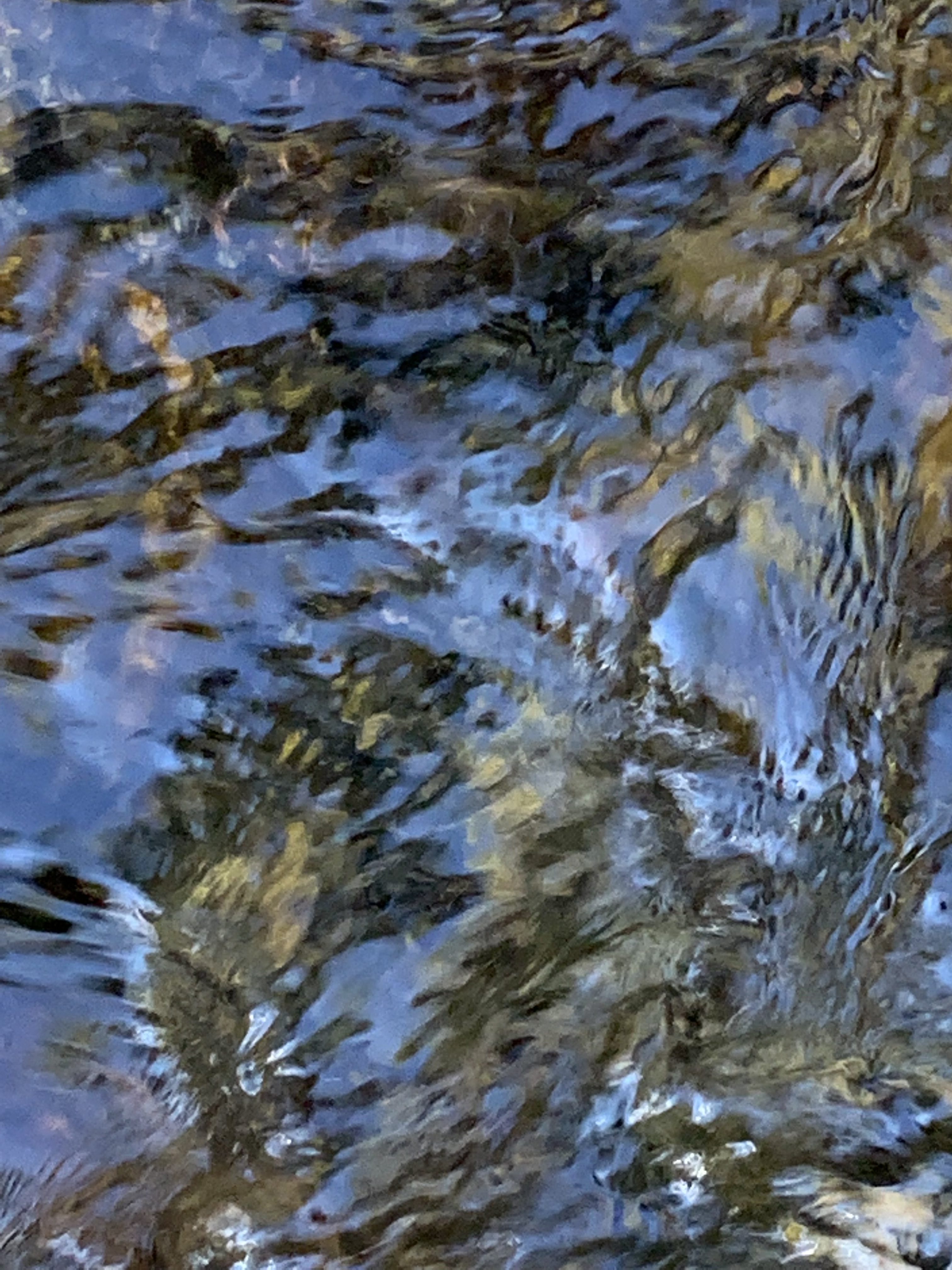
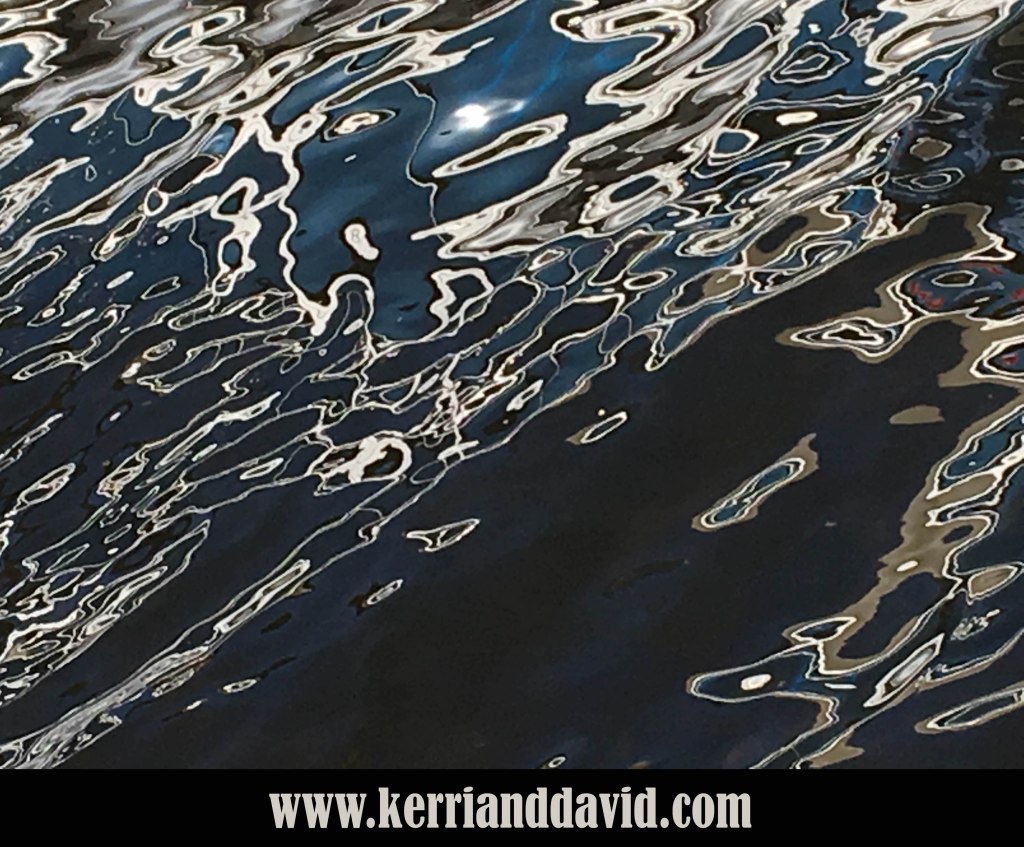
The path paralleled a stream. As we walked up the mountain, she stopped often and took photographs. The sun on the water was enticing so she aimed her camera at the stream. “Look!” she said, showing me. “These look like abstract paintings!”

“They look like Monet,” I said. “Gorgeous.”

Whether they know it or not, artists are always having conversations with their artistic ancestors. I was amused at the idea that Kerri and Claude were having a chat. The world of a master painter, living before ubiquitous photography, meets they eyes of one who sees and quickly captures.

I was also amused that, through Kerri’s picture, Claude and I were having an exchange. “I love your blues,” I say. Claude responds, “Ah, but it’s the reds and yellows that make the blue so vibrant. Contrast principle,” he winks.

Excited, she returned to the stream to take more photos.

I turned my face to the sun. I breathed in the mountain air, the aspen leaves fluttering. I have not finished a painting since the pandemic began. “I feel empty,” I say to Claude.

“We paint what we see, ” Claude whispered. “Sometimes we simply cannot see.”

“Yes,” I said, “I am blind. But my cataracts are not in my eyes.”

“No,” Claude replied. “You are not blind, you see well enough. You’ve closed your eyes.”

“Lookit!” Kerri smiled, “These are so cool!” She shows me more water close-ups, a symphony in orange, blue and gold.

“Don’t worry,” Claude smiled. “When you are ready, you’ll open your eyes again. You’ll see a whole new world. New colors and shapes. More than blue.”

“You think so?” I ask.

“Isn’t it beautiful!” Kerri glowed.

“Do you see?” he smiled and faded into the photograph.

“Yes,” I laughed and nodded, “It’s really beautiful.”

read Kerri’s blog post about MONET WATER

images of water © 2021 kerri sherwood

Honor Yourself [on Two Artists Tuesday]

“There’s a trailhead,” Loida said, “It’s just up the road.” She could see that we needed some quiet time. Some space. Some nature. We dropped our other plans. All errands went out the window. More importantly, all obligations, made-up and otherwise, fell to the wayside. Or, said another way, we honored ourselves, our needs. We ran to the hills like thirsty people running for an oasis.

“Why is that so hard?” Kerri asked. “Why should I feel guilty for taking a few moments for myself?” Later, deep in the night, we’d express intense – not an overstatement – gratitude for having given ourselves a short hike into the foothills. The sun. The deer. The hawk. The cyclist who cried, “Snake!” There were signs warning of rattlesnakes so we walked with caution. We laughed at our imagined-snake-paranoia.

Those few moments allowed us to be present with family when we needed to be present with family. Our short hike refilled our people-gas-tank. Kerri’s question was spot-on. Why is it so hard to do the thing you most need to do? Why is it so hard to put your needs above the demands of others – especially when attending to your needs is the single action that ultimately enables you to attend to the needs of others. To be present with and for others.

We are both introverts. Quiet, not cacophony, recharges the battery.

Kerri gasped, “Look at this!” she knelt and carefully took a photograph of the autumn blossom beside the trail. “This is exactly what I needed,” she sighed. Face to the sun. Awash with an awe-some blossom discovery, we took a moment, a necessary moment, to drink in the beauty and the sage mountain air.

read Kerri’s blog post about AUTUMN BLOSSOM

Remember The Single Story [on KS Friday]

If you truly love Nature, you will find beauty everywhere.” ~ Vincent Van Gogh

When Kerri took this photograph I thought Van Gogh would have loved to paint it. I read that most of his 860 paintings date from the last two years of his life. The romantic in me wants to believe that he knew his time was short and he let all of that imperative spill out onto canvas. He died never knowing success or imagining that his work would in any way impact the world. I doubt he cared. His frenzy was not driven by success or status. He painted because he had to.

Waning time brings retirement to some. To others it brings fire and fuel. The need to bring what is inside to the outside. To compose, to write, to dance, to paint, to build, to design. Michelangelo was driven by his waning time. Some of his final sculpture was 500 years ahead of its time. At the end of his life, his work would have shown well with Picasso.

There simply isn’t enough time to say it all, explore it all. Last night, sitting in a circle with my family, multiple conversations resonating throughout the activity hall, my conversation pod began talking about regrets. When we were younger, we made vows to live lives without regret and now, at this end of the road, we see how foolish was our vow. Life is a series of choices and choices always leave unexplored paths. We laughed at our folly and relished the beauty of a life full of regrets. Paths not taken seed gratitude for the paths we ultimately chose. There is intense beauty in regret.

The morning dawned cold. Autumn has arrived in Colorado. The energy abandons the leaves and goes to the root. Columbus’ passing has brought energy to the root. He would be pleased. There are members of my family that I have not seen for years. In gathering, we bring together our separate stories and for a few days remember that we are also a single story.

A single story. The beauty of regret. The gift in loss. The waning of one season affirms the promise of the new.

All of Kerr’s albums are available on iTunes & streaming on Pandora

read Kerri’s blog post about WANING SEASONS

part of the wind/blueprint for my soul ©️ 1997 kerri sherwood

Read The Walk [on Two Artists Tuesday]

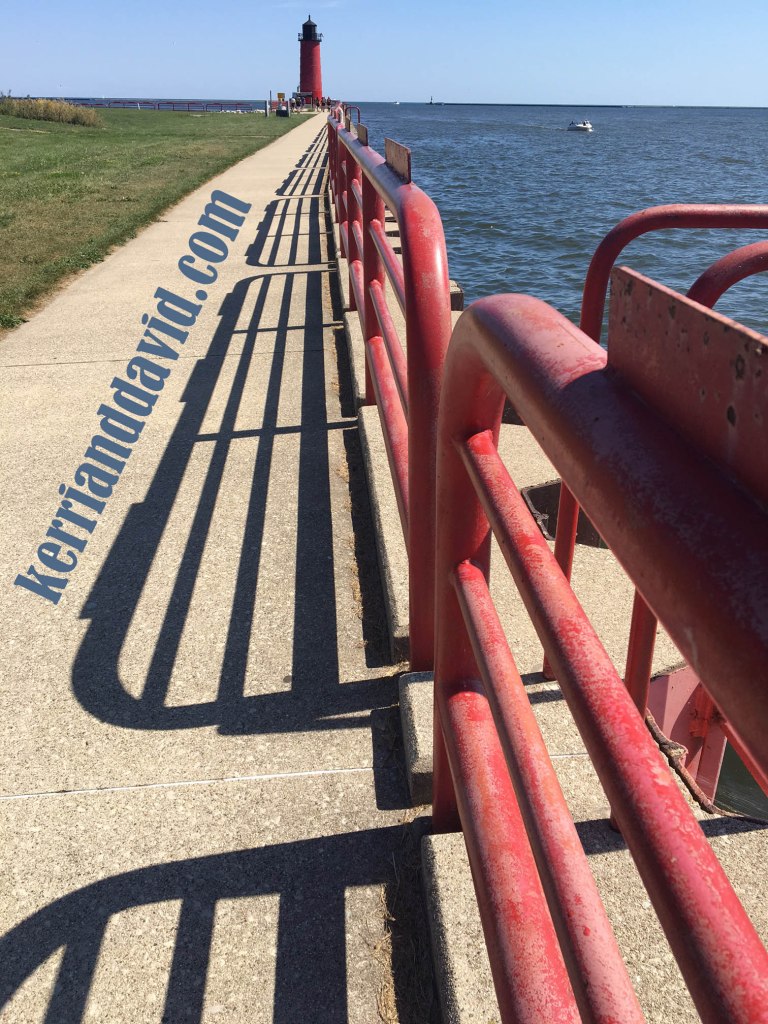
Between the morning rehearsal and the evening wedding, we had several hours without commitments so we did the thing we most like to do. We walked. It was a gorgeous September day. We were in Milwaukee’s Third Ward, a miracle of reclaimed and converted warehouses, shops and condos that line the waterway. We followed the Riverwalk, Kerri snapping photographs, ambling our way to Lake Michigan.

It’s odd in this age of pandemic, to be in a city on a beautiful weekend day. The rules of engagement are different. The rules of enjoyment are different. Be out in the day but avoid the crowds. There was an art fair, a crush of people, so, as artists, normally pulled toward art gatherings, we walked the other way. In years past we would have waded in to the fray, talked to the artists, enjoyed people enjoying art.

Instead, we found a bounty of art on our walk. The shadows playing on the walls. The flowers. The finials. The sculpture. Everywhere we looked we found riches of intentional design. People dedicated to creating beautiful spaces had a field day re-imagining what had once been an industrial wasteland on the water.

Chiseled into the the boards upon which we walked was a narrative history of the city. We stepped on top of important dates of the Civil War. We walked across innovations, breweries arising in a city of beer, World Wars and the changes they wrought. Sports victories. We walked across the story of a previous pandemic, a hundred years ago. A few thin boards, markers of a tragic toll.

For a moment I stood and watched the kayaks paddling, the pontoon boats cruising the channel, the diners seated beneath umbrellas, the strollers, like us enjoying the day with no destination calling. Full moments in lifetimes that someday might be told in a few thin boards of narrative highlights.

I wondered how many people, how much dedicated action, it took to make this moment beautiful and possible. The architects. The artists. The artisans. The craftsmen and women. The laborers. The florists, The gardeners. The shopkeepers. The waiters. The chefs. The suppliers. The mail carriers,…Dreamers all, stretching back through time. Interconnected and interdependent in ways that only few recognize.

That’s the challenge, isn’t it? Were I to chisel the story of our pandemic in a boardwalk, or create a sculpture meant to capture our moment in narrative time, my theme would be interconnection and interdependence unnoticed. Unmasked. A myopic madness, a messy delusion of every-man-for-himself, a sure-fire way to perpetuate a pandemic or warm a globe.

There is, of course, no evidence for life thriving in a vacuum. On the other hand, there’s plenty of evidence, apparent on a stroll in a city on a beautiful sunny September day, killing some time before a wedding, that it takes all of us, every last life, to thrive. An artist needs an audience. A developer needs a supplier. A doctor needs a patient who wants to be healthy. Who wants to do more than survive. Thriving is, after all, a group sport. A careful reading of the boards tells a very specific tale: no one does this walk alone.

read Kerri’s blog post about OUR WALK

Recognize The Greater [on DR Thursday]

strange sky

“Can a shallow mind appreciate beauty?…When the mind is merely concerned with itself and its own activities, it is not beautiful; whatever it does, it remains ugly, limited, therefore it is incapable of knowing what beauty is.” ~Krishnamurti, Think On These Things

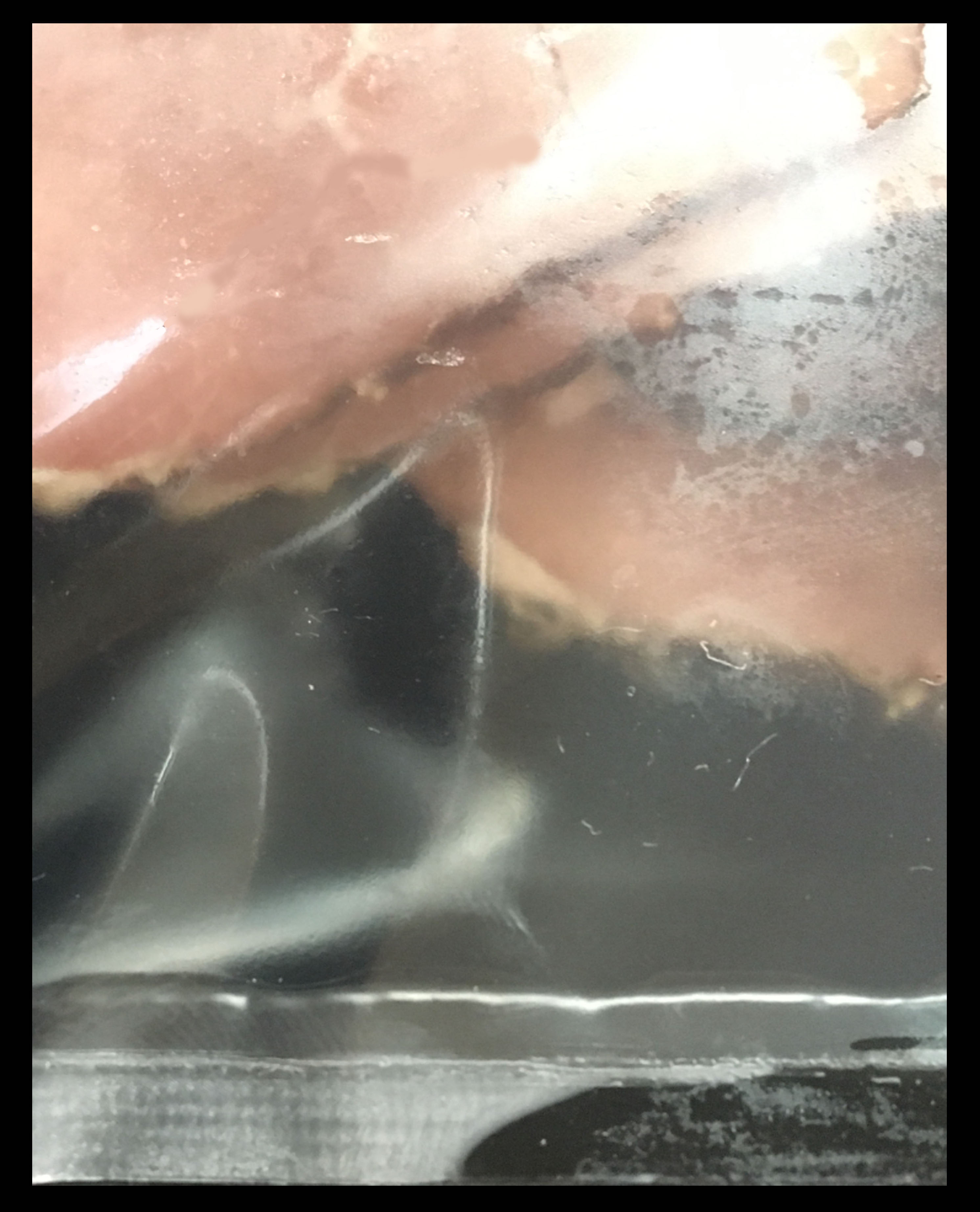
What accounts for the strange color of the sky? Smoke from the fires? A coming storm?

The quote above is only half of the thought. It is the set up for the real point to be made. A shallow mind is concerned only for itself. And, while consumed with the lesser, it misses the greater. It is the unintentional theme that emerged for me this week: losing the greater for the lesser. The baby goes out with the bathwater.

It is a matter of perception, of focus placement.

Yesterday I wrote about the judge questioning the potential juror about his capacity to experience hardship in order to keep the system going and growing. The juror entered the exchange with a self-focus and exited, admonished, with perhaps the possibility of seeing something beyond his own agenda. Perhaps.

I read that Rome fell when the luxuries became more important than the essentials. Societies fall when they can no longer discern between what is important and what is not, when the lesser is protected at the expense of the greater.

Years ago, during a facilitation, a young woman pulled herself from and exercise. She sat on the sidelines and brooded. After the exercise, during the debrief, she claimed that she was discriminated against because her team did not listen to her ideas. Initially, her team scrambled to apologize – one does not want to be accused of discrimination. We asked the team to explore the situation a bit further. Because the young woman’s idea was rejected, was she truly a victim of discrimination? It was an illuminating conversation. The problem – the real problem – arises when we can no longer discern between what is discrimination and what is not? There is terrible discrimination in our world and needs to be addressed. It can’t be seriously confronted if we are incapable of distinguishing between the rejection of an idea and laws that prevent citizens of color from voting.

In a pandemic, a mask is not a breach of personal freedom. It is not the state ripping away control of your body. It is a minor inconvenience to ensure the mitigation of a virus that is killing scores of fellow citizens. Despite the rhetoric otherwise, the fearmongering and tribe-building, wearing a mask is something done for the health of the whole. It is not unlike jury duty.

It is a matter of perception. Of focus placement. Self or other? Lesser or greater?

The rest of the quote: “Whereas, a mind that is not concerned with itself, that is free of ambition, a mind that is not caught up in its own desires or driven by pursuit of its own success – such a mind is not shallow, and it flowers in goodness. Do you understand? It is this inward goodness that gives beauty, even to a so-called ugly face.”

Pay attention to the verb. Beauty is given. Concern for the well-being of the other is a sentiment expressed and championed in every corner of the world, by all the figures we quote, elevate, and sometimes emulate. Martin Luther King, Ghandi, Abraham Lincoln, Mother Teresa,…it’s a very, very long list.

Communities thrive when they are capable of enduring hardship for each other, for the benefit of the whole. They also thrive when they hold boundaries and protect the rights of the individuals. Those two seemingly different actions are, in fact, one and the same.

Societies fall when shallow minds prevail, when they can no longer discern between essentials and luxuries, privileges and responsibilities. When personal comfort takes precedence over enduring ideals.

It’s a matter of perception. Of focus placement, and make no mistake, focus is easily led. Just like a package of pastrami mistaken for a strange colored sky.

read Kerri’s blog post about PASTRAMI SKY

shared fatherhood ©️ 2017 david robinson

Say It Anyway [on saturday morning smack-dab.]

And so, we age. Together. Our bodies are changing. Our minds are changing. We met in our 50’s and often say, “I wish we’d have met when we were younger.” I wonder if that is true. I am a better person now than I was then.

She is Teflon when I tell her that she is beautiful. My words slide right off. I tell her anyway whether she can hear it or not because it is so deeply true within me.

My body aches. I am looking more and more like my grandfather and less and less like the man I expect to see in the mirror. But I know that the essential thing will remain intact through our entire apple-doll-becoming: jowls or no, she is beautiful to me. All the time.

read Kerri’s blog post about JOWLS

smack-dab. ©️ 2021 kerrianddavid.com