Accept The Invitation [David’s blog on Merely A Thought Monday]

Master Marsh once asked me why I was compelled to run and jump off every edge I found. His question was rhetorical which was a good thing since I had no answer. I wasn’t really aware of the compulsion he was asking me to consider. I knew I was a restless soul. Most of my life I felt as if I was a suffocating man in a desperate search for air to breath. His question served to slap some consciousness into my wandering nature. His question introduced the idea that I might actually catch my breath if, instead of moving, moving, moving…, I sat down and took a breather.

Edges are invitations into the unknown.

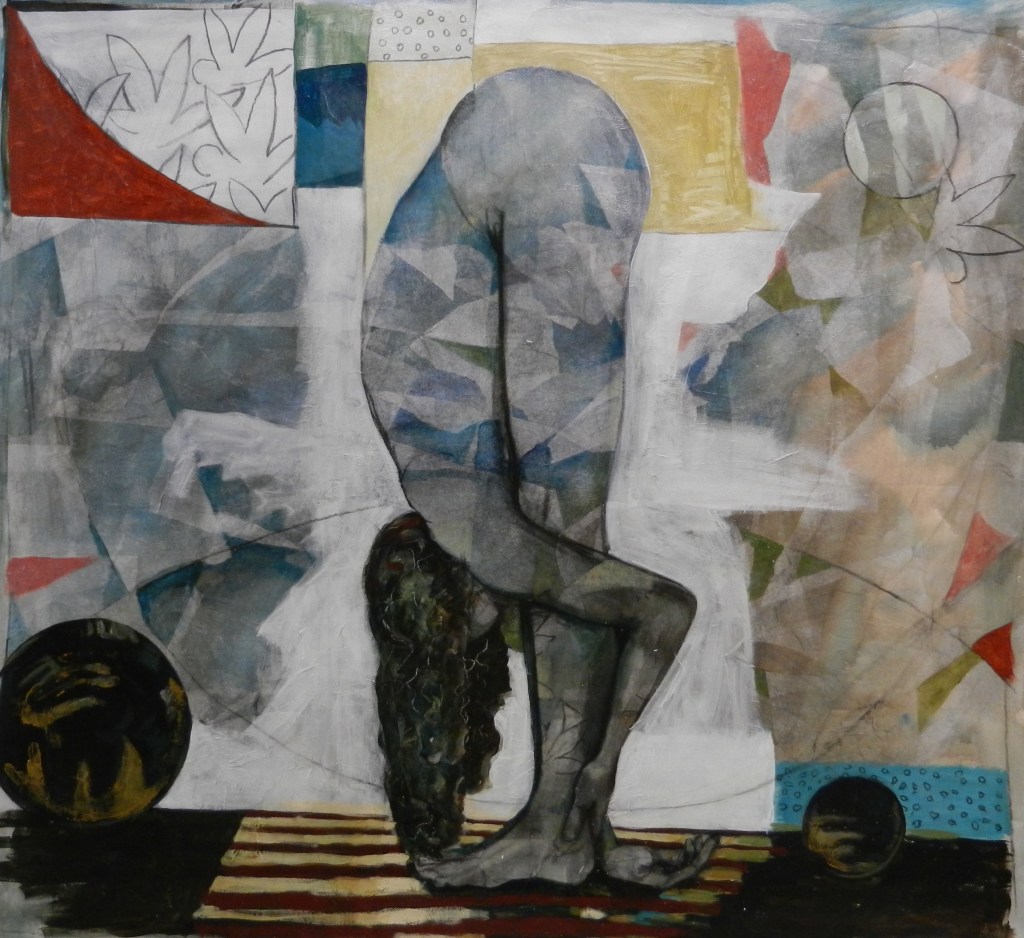
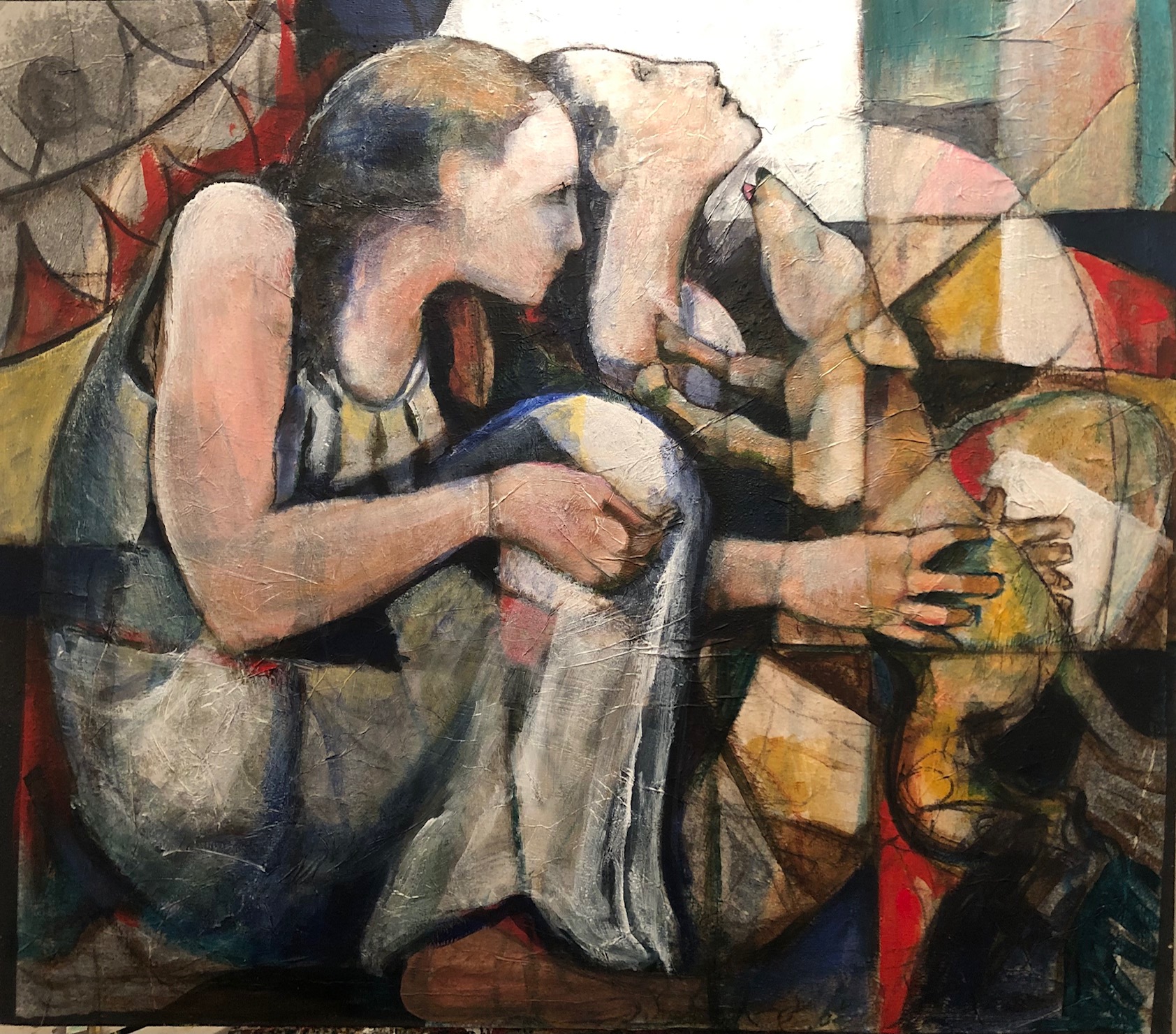
Paintings, writing plays or this blog- any creative process – is an invitation into the unknown. To see what is as yet unseen. To open to something beyond. I’ve come to understand that opening-to-the-unknown is the essential practice of an artist. It is air-to-breathe. And the opportunity presents itself every single day, on the move or sitting still.

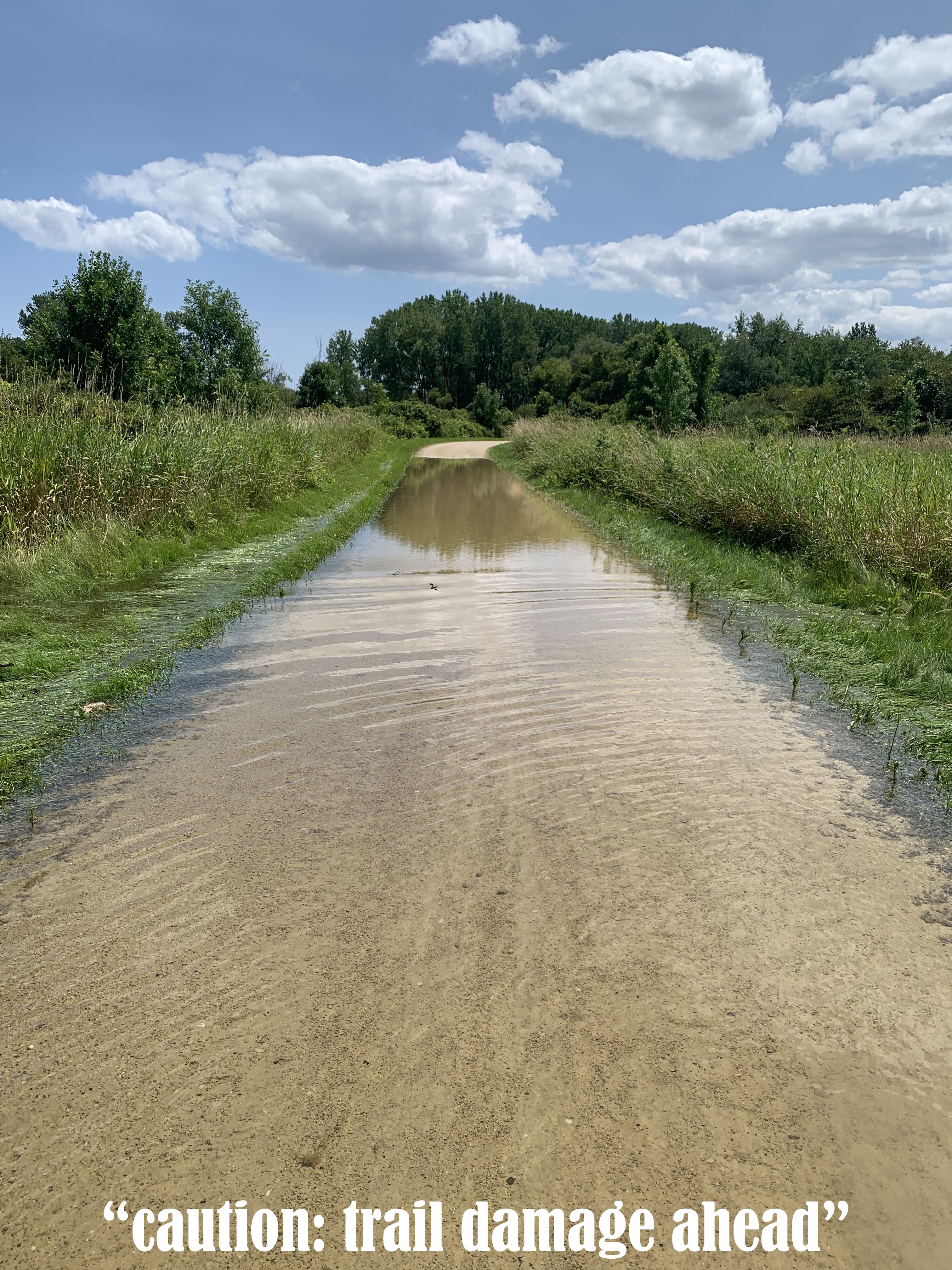
I thought of Master Marsh and his question the moment we stepped beyond the caution sign into the water. After so much rain the river spilled out of its banks and onto the floodplain, it overwhelmed portions of the trail. We could have turned around and returned to the car. We could have kept our feet dry. We’d walked this trail many times and could see that the water crossings were not dangerous. Calf deep with a smidge of current. And so we looked at each other, smiled a “why not” smile, and stepped.

I thought of Master Marsh and his question because this trail was known to us and, on this day, was completely unknown. We saw it again for the first time. Master Marsh is a great steward and studier of nature. His drawing of plants and trees and rivers and birds and…are first class. They’d make John Muir proud. For many years he cared for a stretch of the Calaveras River. Each day there was something new. Something previously unknown discovered.

The water crossings, I counted six of them, made us feel remote. Distant from civilization. We saw fish swim across the trail, heard sounds we’d never before encountered. The meadows exploded with color. A lone deer watched us and then disappeared like Merlin.

Edges come in many forms. On this day, it looked like water spilling over the trail. It was a welcome bonus to step beyond the sign, to spend some time in an unknown-known and have a quiet memory-walk with one of my favorite people.

read Kerri’s blogpsot about WATER ON THE TRAIL

like. share. comment. subscribe. support…thank you.

Ever And Anon [David’s blog on KS Friday]

“Our moments of inspiration are not lost though we have no particular poem to show for them; for those experiences have left an indelible impression, and we are ever and anon reminded of them.” ~ Henry David Thoreau

This morning, like a leaf in the stream, a painting by Richard Diebenkorn flowed across my screen. I was completely taken by it. It stirred a possibility about the painting that is currently on my easel. I felt as if I was jogging beside the stream so I might study it before it disappeared into the media-confluence.

And then it was gone and I was left filled-to-the-brim with giddy inspiration.

I used to worry my muse might disappear when the circumstances of life kept me from the studio for extended periods. Over time, I’ve learned what Horatio expressed so purely: artists have “pilot lights.” The flame may reduce to a flicker but it never goes out.

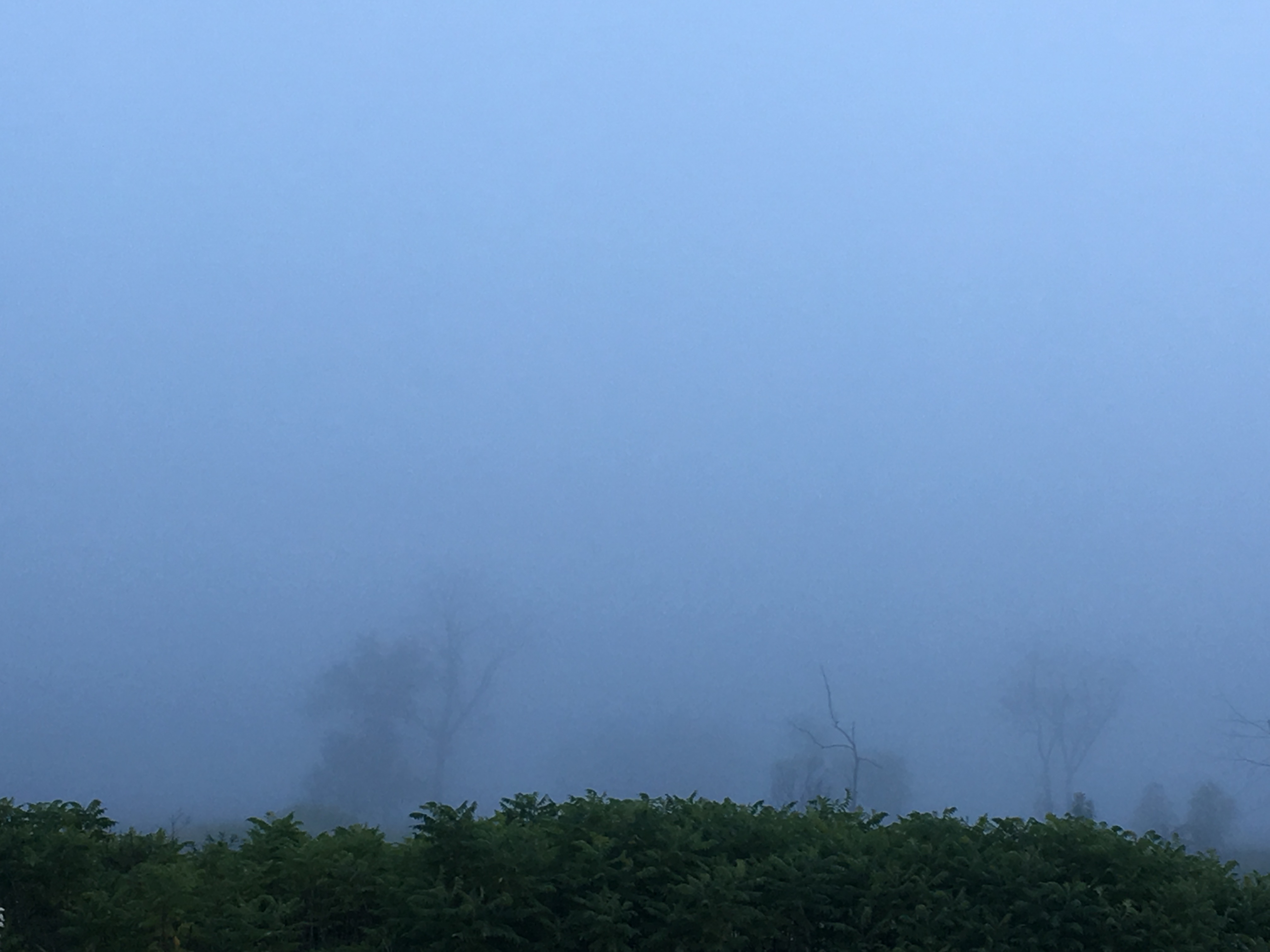
“I don’t have enough colors in my paintbox,” Jim said the first time he performed King Lear. He is a world-class actor and I wonder what he might do with Lear now that life has put more colors in his paintbox. His words inspired me. I am working on a play that I started twenty years ago and put in a drawer. I had not yet lived long enough to know what I was attempting to write about. I was stumbling around in the fog and hoped that I might someday revisit it, when I had lived into a greater perspective.

The fog is still with me but I’m no longer stumbling. Instead of chasing I’m letting the play come to me. Greater perspective has taught me that inspiration is a wild thing. It will emerge like Michelangelo’s David in full form when it – or I – or both – are ready to step into the light.

WHEN THE FOG LIFTS on the album THIS PART OF THE JOURNEY © 1997, 2000 Kerri Sherwood

WATERSHED on the album AS IT IS © 2004 Kerri Sherwood

Kerri’s albums are available on iTunes or streaming on Pandora and iHeart Radio

read Kerri’s blogpost about THE FOG

share. support. subscribe. comment. like…thank you.

Stroll With Alexander [David’s blog on DR Thursday]

20 knew we needed a get-away. He suggested a stroll through Milwaukee’s Third Ward. Knowing it was our favorite, he offered to treat us to a bowl of gumbo and a glass of wine at The Public Market. It was a successful temptation. We chose a beautiful day and drove into the city.

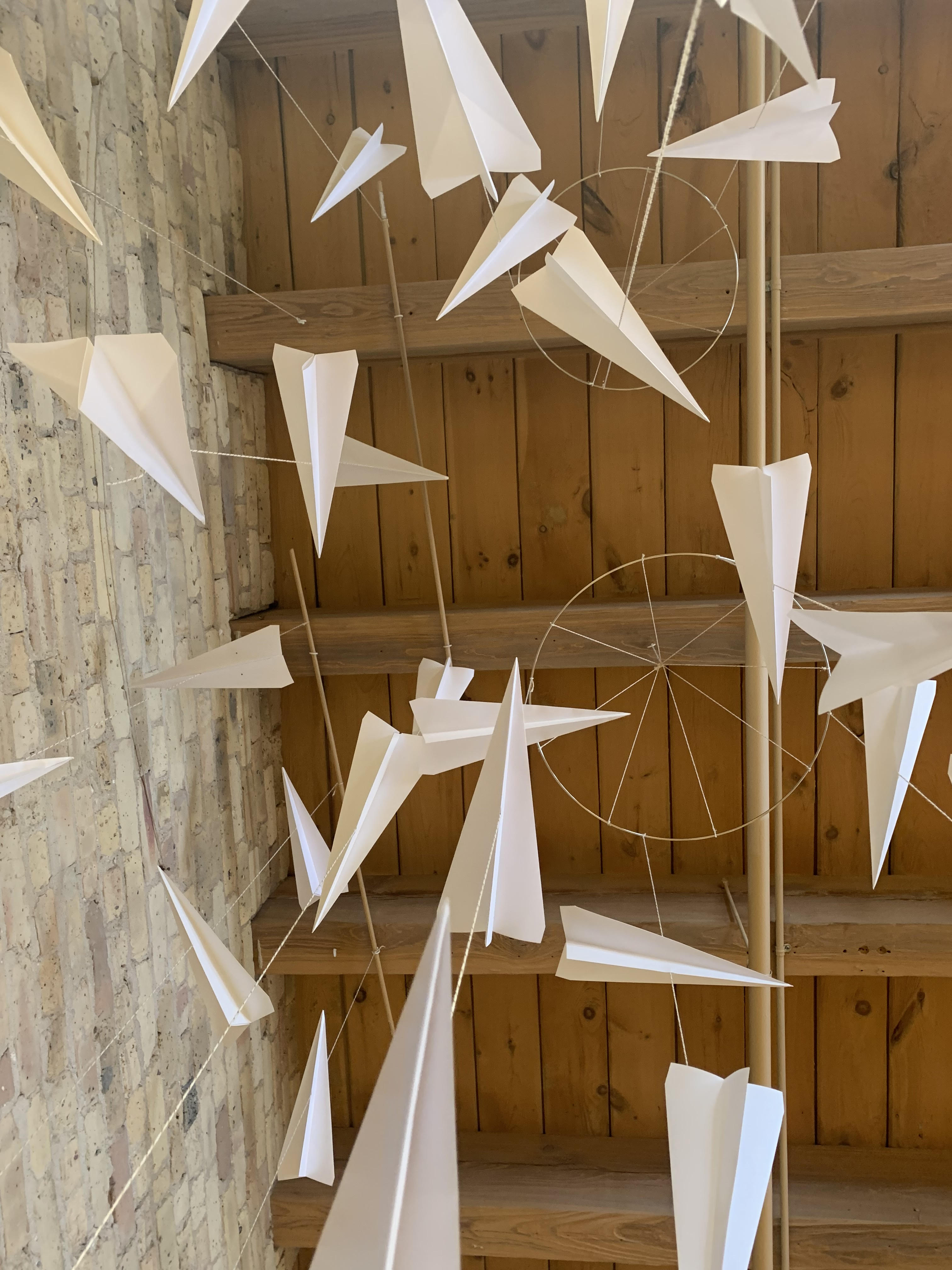
Among the many gifts that day as we strolled in and out of shops was the very present spirit of Alexander Calder. Almost every shop we entered featured a mobile or some variation of sculpture suspended from the ceiling. Paper planes, vibrant lemons in tidy lines like a Sunny-Roman-legion on parade, colorful shapes and orbs delicately balanced and dancing in the air, casting shadows. All paying homage to the art work of Calder. My bet is that few of the shopkeepers knew the origin, the ancestry of their twirling displays.

Calder’s mobiles were radical when he made them. He changed our understanding of sculpture and opened a new world of possibilities. Nearly 50 years after his death, his innovation is commonplace. Incorporation into the norm is the hallmark of profound innovation. Computers are ubiquitous but when they first hit the scene they were revolutionary. Electric light, the telephone, automobiles, televisions, cameras, elevators, air conditioning…They change us. They change our expectation.

So, too, the work of artists. The Impressionists shocked and appalled their contemporaries when they initially showed their paintings. They did not know that they were Impressionists. They were reacting to the latest innovation-of-their-day known as the camera – a device that could easily record reality, important events, make portraits of royals… the job of painters – so they either had to explore new avenues of painting or become irrelevant. To our eyes, 150 years later, their work is anything but progressive or shocking. It is everywhere.

Artist not only change what we see, they change how we see. They challenge us to see what we do not yet see.

A-I is currently stirring our dust and is already being incorporated into the daily grind. The pace of change compresses the distance between the moment of profundity and incorporation into the everyday. The realities of the pace-of-change are, like the camera, changing the nature of what it means to make art.

It’s good to remind ourselves that it hasn’t always been this way. What’s twirling over my head is clever and is the ripple of a revolution. It’s why I loved my stroll with Alexander Calder through the Third Ward. 20 didn’t know it, but he gave me so much more than a getaway, a bowl of gumbo and a glass of wine.

a page from an old sketchbook

visit my gallery site

read Kerri’s blog about MOBILES

support. like. share. subscribe. comment…thank you.

How Utterly Good [David’s blog on KS Friday]

I’ve been pondering something Horatio said during our call yesterday. “Circumstances change but that doesn’t change how you have to live.” he added, “You still have to live a good life.”

It is not a new concept. How many times have I said to groups, as if I knew what I was talking about, “You are not your circumstance.” In the school of hysterical irony, I am constantly catching myself teaching what I most need to learn. I heard in Horatio’s comment something often spoken but discerned for the first time: You still have to live a good life.

What does it mean to live a good life? What does it mean to me? To you?

In a broad sense we were discussing the many changes we’ve experienced over the past decade. Decades. Aging. Climate. Loss of loved ones. Pandemic. The politics/division of our times. Technology. A flurry of fast moving circumstance. What seemed so important a decade ago is now barely a shadow memory. Aptly, an illusion.

You still have to live a good life.

Horatio spoke of going into his studio. “Immersing in the tangible,” he said. Painty fingers. Music. Charcoal dust. The smell of coffee and conté crayons. Exiting the noise and inhabiting the now. That’s a good life. I recognize that place.

Inhabiting the now. Kerri and I walk the trail arm in arm until she spots the next photo-op. “Lookit!” she chimes, showing me her new image-capture. “Green on green,” spoken with the enthusiasm of a five year old. Our walks are immersions in the tangible. We’ve had so much rain lately, there is an explosion of green in our world. We walk slowly so we might see it. Sense it. The shapes are as extraordinary as the many shades of green.

Horatio’s comment struck an ancient chord in me.

Sitting in our stream in the mountains of Colorado, Kerri and I talked about the next phase of our lives. A intentional creation. “The Sweet Phase,” she called it. It is inaccurate to suggest that we will create The Sweet Phase as much as we will inhabit it. The tangible. The now. Just like entering the studio. We’ve already started. Our practice is to not get swept into the swirling drama of circumstance. “…that doesn’t change how you have to live.”

It’s a question of recognizing it. Regardless of the circumstance, how utterly good living life really is.

I Didn’t Know/This Part of the Journey © 1997, 2000, Kerri Sherwood

Kerri’s albums are available on iTunes and streaming on Pandora and iHeart Radio

read Kerri’s blogpost about GREEN ON GREEN

support. like. share. comment. subscribe. thank you!

Very, Very [David’s blog on DR Thursday]

Last night, sitting on the deck enjoying the waning light, I had a great idea for this post. I didn’t write it down so, of course, I have no idea what my great idea was. All morning I have tried to retrace my mental footsteps but alas, they, too, are lost in the mist.

It would be just like me to write about perception. This is a curtain separating the backstage V.I.P. area from the raucous dancing audience. Kerri tried to take a photo through the curtain. Cameras and purple permeable curtains might serve as metaphors for all manner of my blah-blah. Focus placement, assumptions, obstacles, yada-yada! But, none of that well-worn blather was my great idea.

I’m rarely in V.I.P areas since I am rarely a V.I.P. In fact, this particular V.I.P. area was my first and I have to admit I liked it. I didn’t get crushed in the crowd. I wandered freely. There were drinks had I wanted one. And chairs. Security didn’t blink when I walked up and stood at the apron of the stage. I adored watching the dancing furries and acrobats prepare to take the stage. To me, backstage is magic precisely because it’s behind the curtain: the furries take off their furry heads and sip drinks through straws; the acrobats smoke a joint, laugh and talk politics. Now, backstage magic might be a fun post but it wasn’t my great idea.

I did ponder the designation (of course). It wasn’t just an I.P, important person section, it was a very important person section. Wow. Very. More important than important. Since Craig was performing and we are his parents, I suppose we earned the adverb. Kerri did for sure. I didn’t give birth to Craig (thank goodness! I’ve heard stories…). She did so is most certainly a very. I’ve only moved his stuff a few dozen times but was happy to don the extra designation.

That we were fortunate enough – from a place of privilege – to watch our son perform on a BIG stage, and perform well, – also was not my big idea. He wanted us there and made it happen. There’s nothing better on earth than having a son who wants to share his artistry and successes with his parents. The V.I.P. was icing on the cake, an experience everyone should have once in their life.

That was big but it wasn’t my great idea.

I suppose half the fun of losing a great idea is the search-and-rescue effort to find it. I know it’s in there somewhere. As I grid my recent past in search of some great abstract idea, I couldn’t be happier to have found so much actual-beyond-greatness. Heart experiences. New experiences that resurface all the stages and backstages of my past. A son in his bliss. A mother in her bliss. A crowd of adoring people sharing their bliss.

Maybe writing about bliss was my big idea! If it wasn’t, it should have been. People who I love in their bliss. Nothing better. Very. Very, very.

read Kerri’s blogpost about THE CURTAIN

like. share. comment. support. subscribe. many thanks!

What if? [David’s blog on DR Thursday]

A few months ago Horatio told me that I needed to paint. Lately I’ve been mostly writing. He suggested that it would be good for me to get back into the visual part of my brain, the part that isn’t reliant on words. Horatio is wise. This morning I went down stairs and spent some time in the studio. As is usually the case, he was right.

Weeks ago I sketched a painting on a canvas. It’s been sitting on my easel. Waiting. For today.

It took a few minutes for me to let go. Standing and staring at the sketch, I felt locked up. I grabbed a small brush which is always a signal that I am thinking too hard. I was trying to “solve” the image through a linear sequential process. I put down my little brush, opened a jar of paint, and dunked my fingers in the jar, and began to spread the red paint just like I did when I was 5 years old. I used a rag to smear and pull and shade some of the globs. I reminded myself that I didn’t need to know where I was going. In fact, I needed to “not know” where I was going and dance with the image.

After a while I stopped thinking and started responding. I sighed a deep sigh of relief. I lost track of time. I felt a wave of spaciousness roll in to my too tight mind. Energy restoration.

Horatio must have seen it in me. My grief.

It’s a question of balance. I have lately of my artistry been asking the question, “Why?” As I roll into the next phase of life I am revisiting my roots. Why did I start doing this anyway? Why, as a child, did I paint through the night. If you’d have asked the child version of me the question “Why?” I’d have answered, “Because I have to.” There was no choice. There was no “Why?” There was a driving imperative. A siren call to “What if?”

An aging Daisy. Kerri’s photograph brought to mind Tom Mck. He told me when he entered his sixties, he became invisible. He felt as if he was stepping into the prime of his creative years yet the people he’d mentored or directed or coached – the people whose careers he had informed, shaped and helped launch – the people he reached out to after retiring from his “real” job – no longer considered his artistry valid or valuable. They never told him that he was no longer viable in their eyes but he knew. They either didn’t return his calls or it was months later that he’d get a dodgy response to an inquiry or a question.

I am experiencing some of that.

Today in the studio I realized that I have been asking the wrong question. I already know why. Asking “why” is like picking up a little brush, it is to think too hard. The truth is that I’ve always known: Because I have to. The five year old version of me was not concerned with value and validity in the eyes of others. That version of me thought nothing of dipping his fingers into paint and swirling them across the page. Because it felt good. Because it felt right. This version of me – after I stopped thinking – knew just what to do. I “thought nothing” of opening the jar, dipping my fingers into the paint… What if?

My visibility or invisibility is, in fact, irrelevant. As Tom Mck drilled into me: A writer writes. A painter paints. The rest is simply out of my hands.

County Rainy Day. Underpainting the sketch with painty fingers

visit my gallery website

read Kerri’s blogpost about DANDELION

support. like. share. comment. subscribe. many thanks!

Yes. It’s Like That [David’s blog on Two Artists Tuesday]

I used to wonder how Emily Dickinson, living most of her life in the isolation of her family home, could write poetry so soul-expansive. Her world of experience was impossibly narrow yet her view into the human heart so broad and deep. I am no longer confused about the limitlessness available in a tiny garden. There is more life teeming in our small backyard than I can possibly comprehend.

It had been years since we gathered with the Up-North gang in our home. They commented that our yard was “zen”. It’s true. We’ve come to think of it as our sanctuary. A creation borne of Covid isolation, of necessity during the pandemic, we brought our full attention to the only place in the world that seemed safe. Our yard. Over long winter months, sitting at the black table in our sunroom, we stared into the backyard. We watched the patterns of the birds and discovered the nests of bunnies and chipmunks. We watched with awe the subtle changes of seasons and the play of light. We wondered how we could make our safe space more comfortable for us and amenable to the plants and animals. We dreamed. And slowly, throughout our isolation and beyond, we carefully attended to our peace-of-heart. Is it no wonder that we now adore sitting in our yard, daily trying to comprehend the abounding life within our eyesight?

Emily Dickinson wrote her poems from just such an expansive place. Lately I feel an affinity with her. More than once, lost in wonder, I have thought, “How can I possibly describe what I’m seeing and feeling?” I understand, like Emily, it’s not possible to capture, but isn’t that the artist’s job, the poet’s errand, to somehow express that which is beyond our capacity to grasp? To bring hearts and minds together through a poem or play or a composition, so we might together whisper, “Yes. It’s like that.”

read Kerri’s blogpost about THE ORB

share. support. like. comment. subscribe. we appreciate it.

Only With The Heart [David’s blog on Not So Flawed Wednesday]

I just re-read The Little Prince. Our imaginary child, Chicken Marsala, made me do it. He’s lodged an idea into my heart and suggested I revisit some classics. Kahlil Gibran’s The Prophet is on Chicken’s short list of recommendations.

“One sees clearly only with the heart. Anything essential is invisible to the eyes.” Antoine de Saint-Exupery, The Little Prince.

I suppose it might seem odd that our imaginary child makes book recommendations but before you leap into full-blown judgment, I would ask you to ponder this: why might you consider anything borne of imagination as odd? This device that I am typing upon was once a figment of someone’s imagination. Consider this: there is power in imagining kindness. Peace will come first to the world through our capacity to imagine it as possible.

This past weekend we were at Pride-Milwaukee watching our amazing son perform on large stages and small. I loved being in a celebratory mob that embraced difference, that celebrated the divergent, that held an all-inclusive understanding of love. There was not a hint of body shaming, in fact, there was the opposite. Can you imagine that? “One sees clearly only with the heart.”

I had a minor epiphany standing behind the stage at the street fair. Watching the revelers, strangers dancing with strangers, people fearless in their acceptance, reaching one-to-the-other – these people unashamedly promoting acceptance-and-love-of-others are regularly branded as deviant. Our world is upside-down. Or perhaps it simply lacks imagination.

read Kerri’s blogpost about HEART LEAF

share. like. subscribe. support. comment.

Just Gorgeous [David’s blog on DR Thursday]

It wore a small plaque, a designated historical landmark. Even so, it’s a study of contradiction in decay. The building is a little worse for wear. Like an old skin, weathered tar shingles crack and peel from the corners. Pieces are falling off. And yet it is beautiful in its collision of textures. The weather-beaten wood carries the same green and orange as the copper hinge.

And, oh-the-hinge! Made in a time when function was an opportunity for ornamentation, now grown more beautiful with the patina and wreckage of age. It’s missing part of the pin. It’s crudely screwed into the wood, an after thought. Still, it is the first thing we noticed when we walked by the decaying structure. “Look at that hinge!” she gasped, reaching for her camera. Its imperfections make it a siren, a luring call to an aesthetic eye.

There’s a beauty that only age and imperfection can muster. Wabi-sabi; the riches of imperfection. The glory of transience. The building was happy to be noticed. It was more than patient with our photo shoot and made no attempt to hide its bumps and barnacles. “You see me!” it seemed to say, so used to people passing-by with nary a glance.

“You’re gorgeous,” she sighed, her lens focusing tightly on every intricacy, reveling in the smallest detail. “Just gorgeous!”

All My Loves (newly reworked), 24″ x 41 3/8″ mixed media on hardboard

read Kerri’s blogpost about THE HINGE

comment. like. share. support. subscribe. many thanks!

The Way Home [David’s blog on Two Artists Tuesday]

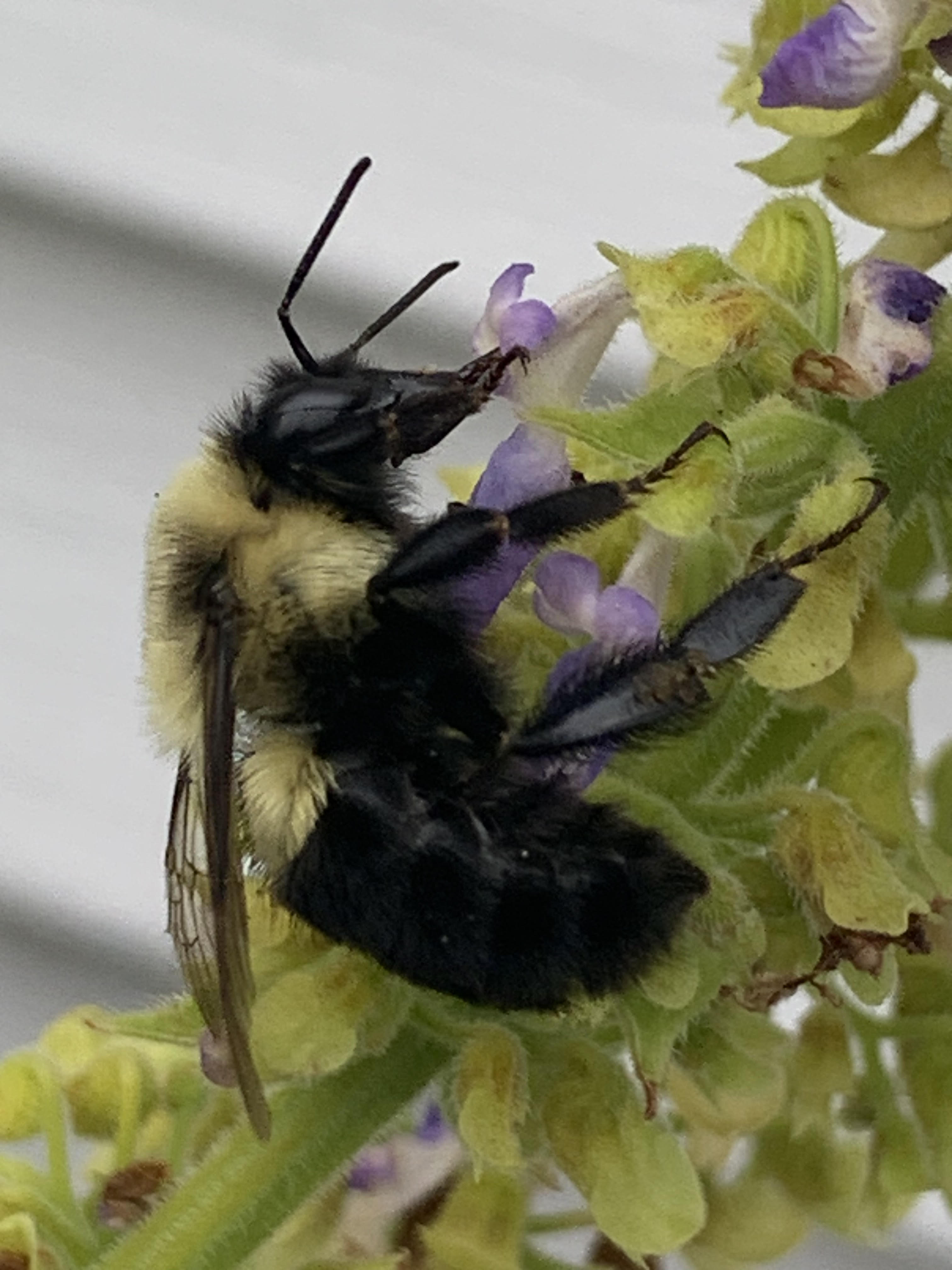
This peony-perspective begs to be the inciting image of a children’s book. I imagine the main character comes from a world where people are smaller than flowers. Where bumblebees are happy Ubers delivering their small human riders to distant neighborhoods when they need a lift. Where nature is magical, playful and esteemed.

Not all ideas make it to the final draft so it’s important to stack up the ideas and have fun with the images. The main character sleeps inside the peony. The Uber bees are chaotic fliers and one never knows where they land; in this world, destination is always a surprise. Spontaneity is the norm.

In this world where people look up to flowers, “Home” is everywhere for everyone – so people, unacquainted with ownership or territory, have evolved as intrinsically helpful. Generosity of spirit is a highly prized character trait. Survival is not of the fittest but of the kindest.

Hummingbirds know the secret of finding sweet treats, caterpillars know the secret of patience.

Since this storybook is evolving as a sweet utopia, it begs the question, “What’s the conflict?” Stories do not work without obstacles. The bigger the better. What is the lesson our main character must learn? What gets lost that must be found? Maybe our little person, like Adam and Eve, falls out of their garden? Perhaps an Uber bee unwittingly flies our hero/heroine through a magic portal, to a place where people are bigger than flowers? In a world that seems sad and upside-down, the question becomes, how does our little person, lost in the land of big, find their way home?

read Kerri’s blogpost about PEONY PERSPECTIVE

Bonus! Perhaps this amazing composition will be the theme for the animated version of the story book once it garners a world-wide audience!

The Way Home/This Part of the Journey © 1997/2000 Kerri Sherwood

like. support. share. comment. subscribe. many thanks!