Be-Longing [David’s blog on Two Artists Tuesday]

“Be yourself; everyone else is already taken.” ~ Oscar Wilde

I am spiraling down a rabbit hole of thought. This morning I read that many Indigenous languages have no verb form of “to be”.

It might seem like a small thing but it is not. We make sense of our world – and ourselves – through the language we use.

“To be” is a verb of separation. It is a verb of identity, placing primary emphasis on the individual, emphasizing difference rather than similarity. It places the identity-accent on “I”. A present tense of “to be” is “I am”. To be is to be alone.

“To be” fosters “be-longing“; the longing to find and express the unique self, and then “to be” accepted, paradoxically through differentiation. Our “to be” imperative requires us “to be” removed, above it all, accenting the ego, so that the highest achievement, the most celebrated “being” is the one who rises above the crowd. The one who successfully separates.

Is it no wonder that the three “great” western religions place humans atop a hierarchy, high above and removed from nature? Our notion of original sin stories us as born bad to the bone; we kick ourselves out of the garden of our own nature so we might strive “to be” better than we are.

Our language, rooted in “I am”, is incapable of storying us as belonging to nature, being a part or expression of nature. We must strive to return to the garden in order to find the tree of everlasting life.

Our language requires us to story a god living remotely in the sky. The god promises an exclusive resort called heaven if-and-only-if we elevate ourselves above our original nature. Separate to belong.

To this day I ponder a conversation I heard again and again in graduate school: people, living in a city of 1.8 million, yearning for community, discussing over and over the need to create community. How is it possible for nearly two million people to live together in a city without feeling a sense of community? It was not community they yearned for, it was belonging. Connection. An identity of inclusion.

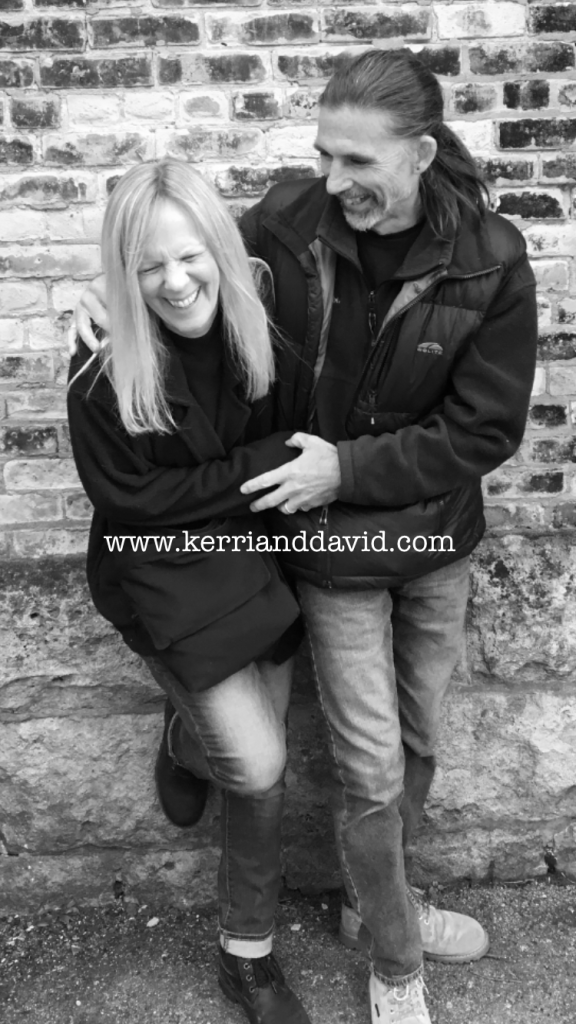
Recently Kerri asked me, “I wonder what it would feel like if…?” I carried her question into our hike. I wonder what it would feel like if I did not story myself as separate? What would it feel like if I knew belonging as a given? Not just belonging to a community of people but intrinsically belonging to all of creation.

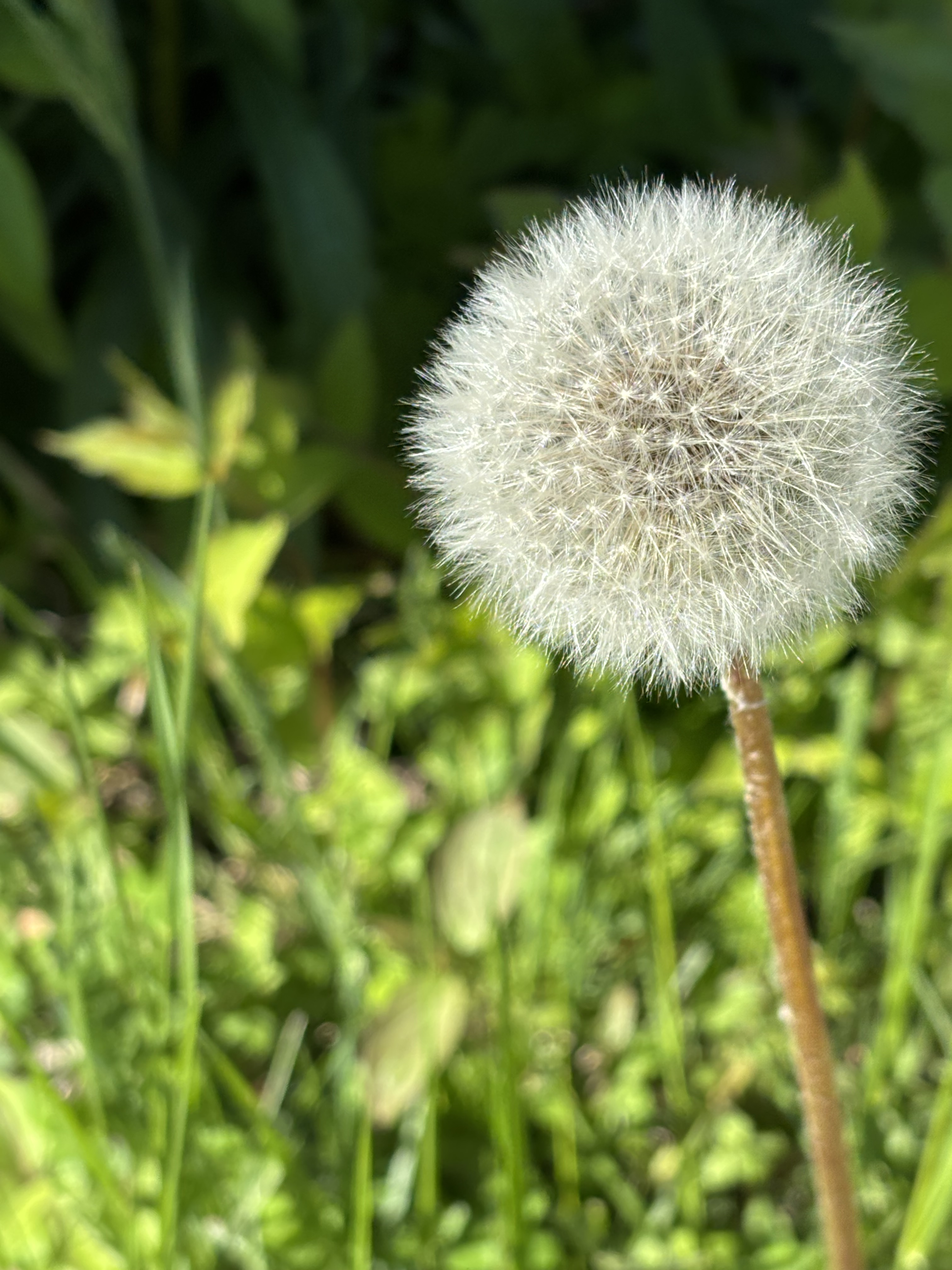
“Lookit,” she said, showing me the photograph that she’d just taken of the dandelion. “Isn’t it perfect?”

Perfect (adjective): flawless. ideal. magnificent. A word of unity. Belonging.

“Yes,” I said, aware of the story-limits of my language. I wondered what it might take for us “to be-ers” to see ourselves as perfect – as a given- to be as perfect as the dandelion.

read Kerri’s blogpost about THE DANDELION

likesharesupportcommentsubscribe…thankyou.

Context [David’s blog on Merely A Thought Monday]

“The world and I reciprocate one another. The landscape as I directly experience it is hardly a determinate object; it is an ambiguous realm that responds to my emotions and calls forth feelings from me in turn.” ~ David Abram, The Spell of the Sensuous: Perception and Language in a More-Than-Human World

I sometimes wonder if we are capable of presence, of being somewhere. With our faces aimed at screens, gaming or doomscrolling every few minutes, lost in Facebook or Instagram, awash in advertisements designed to makes us feel as if we are lacking, perpetually breaking news, worshiping at the biz-altar of efficiency and effectiveness. Do-more-faster. Is it any wonder that we, the citizens of the USA, lead the world in drug-use disorders?

I suspect that we are not trying to escape reality but are trying to find what, if anything, is real. Or meaningful.

“Humans are tuned for relationship. The eyes, the skin, the tongue, ears, and nostrils—all are gates where our body receives the nourishment of otherness.” ~ David Abram, The Spell of the Sensuous

I had a revelation the other day about our current national mess. During my stint in software development we periodically discussed the context/content reality flip-flop. Essentially, our grandparents lived in a world in which their reality (context) was stable and consistent. They made sense of the news of the day (content) by sifting it through their mostly shared context.

We live in the opposite circumstance. Our context is fluid, volatile. With an average of 100 new emails coming in overnight, with a never-ending-rushing-social-media-stream, with tweets sending shock waves through the system, our context changes every day. Our content now defines our context. We are perpetually trying to arrive somewhere stable. We are constantly trying to find sense in the stream.

We do not sense-make together because we do not share an agreed-upon context.

It’s why we doomscroll. It’s why we have impenetrable information bubbles. It’s why we are impossibly divided. It’s why the phrase “alternative facts” wasn’t cause for hysterical laughter. It’s why there was nary-a-blip this week when, to avoid being held accountable for their participation in the nation’s demise, …Republicans just passed a measure saying that for the rest of this congressional session, “each day…shall not constitute a calendar day…” [NYTimes.com as quoted by Heather Cox Richardson, Letters From an American, March 12, 2025].

A day is no longer a day. No-shared-context. Reality avoidance. Content defines context. It’s upside-down. It’s insanity.

My revelation? An angry people with no actual shared context are easy marks for a content creator like Fox News. Anger becomes a shared context when people are fed a steady diet of outrageous fabrications meant to exploit their fear. Anger-driven victimhood is the identity-glue that binds maga. It’s a powerful drug. There can be no other explanation for a group so willingly swallowing obvious lies, so readily and eagerly participating in their own demise, so completely and deliberately unplugged from verifiable fact. An overdose of anger gives them a shared sense of belonging. A context.

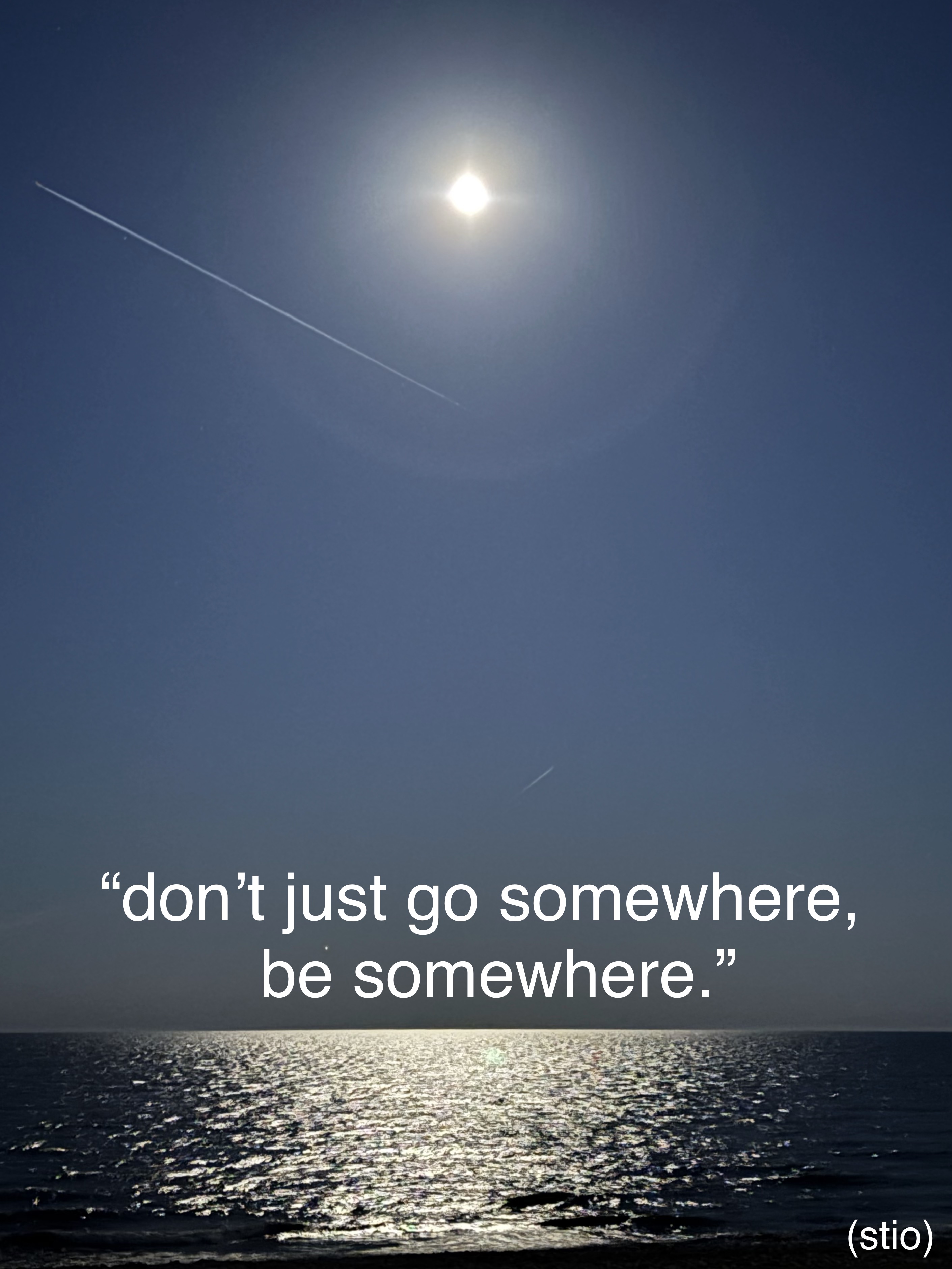
Kerri and I walk in nature to regroup. We purposefully step out of the noise. We consciously practice being somewhere instead of racing, racing to get somewhere. We return to the trail again and again to reclaim – even for a few moments – a stable context. A known. A natural rhythm.

We might do better as a nation if we turned off our devices for awhile, looked up from our screens and stepped outside. We’d do better if we took a nice walk together in nature in a place (context) that calls forth something other than anger, a context that is easily shared, a context that is undeniably real.

read kerri’s blogpost about BE

likesharesupportcommentsubscribe…thankyou.

As If [David’s blog on Two Artists Tuesday]

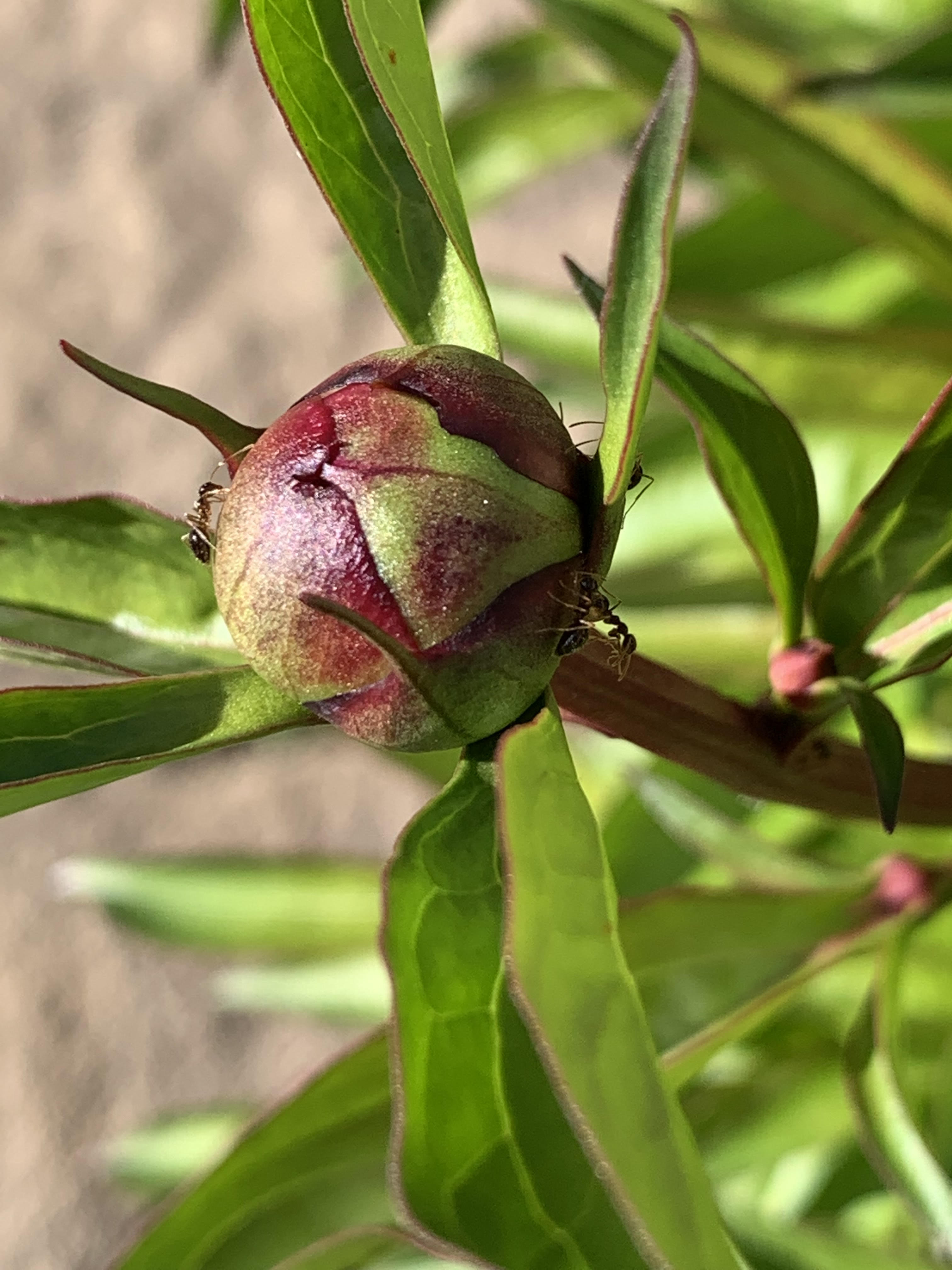
In a festival of irony, the moment we sat down to write about our peony, our harbinger of summer sun and the return of good weather, the sky darkened, the lightning flashed, the thunder clapped, and the rain is now dropping in buckets. The weather alert screeched with a warning for hail and possible tornadoes.

I delight in how readily my superstition-gene leaps out of the murky depths of my subconscious pond and concocts fabulous explanations about current circumstance. That is, as a human-being, a maker of stories – I am quite capable of connecting the rush of the sudden storm with our attempt to write about peonies. As if our attempt to write about peonies somehow invoked the storm!

This is not surprising. It is nothing new. My ancestors – and yours – created all manner of rituals in an attempt to appease the angry thunder-hurling god. To influence the powers of dark and light. To invite good fortune. To bring rain to crops. We have always personified nature and then imagined it is responsive to our behavior. Our behests. All around the globe, in many varied and culturally diverse forms, we do it in houses of worship to this day.

It might seem that I am making fun – and I am – but more than that, I am marveling at our genuine desire to be connected to “something bigger” and yet how rarely we recognize that we already are. We are as the peony, not separate from but a part of the pulse of life. We are of nature – not separate from it. My theory is that we have a hard time recognizing it because we imagine that we can control it. We use it to explain what we experience. We use it to justify our abuses to each other. Chosen people; Manifest Destiny and all of that ugly business. The personality we project upon it is at once beatific and horrific. We wonder why it blows our house away. We thank it for our good fortune.

In truth, we do influence Mother Nature and Father Sky, just not in the magical ways we imagine. Carbon emissions. Tapping mighty rivers dry before they reach the sea. Dumping our trash in the oceans. Fracking. It turns out that our behaviors are powerful and, perhaps, our destiny is in our hands. We need not pray to the gods for intervention and salvation, perhaps we need to be the gods of intervention that we desire to be, recognize and behave as if are not above it all, giver of names, but integral, intrinsic, no more or less essential than the peony.

read Kerri’s blogpost about THE PEONY

like. support. share. subscribe. comment. or not – it’s all good.

Belonging [David’s blog on DR Thursday]

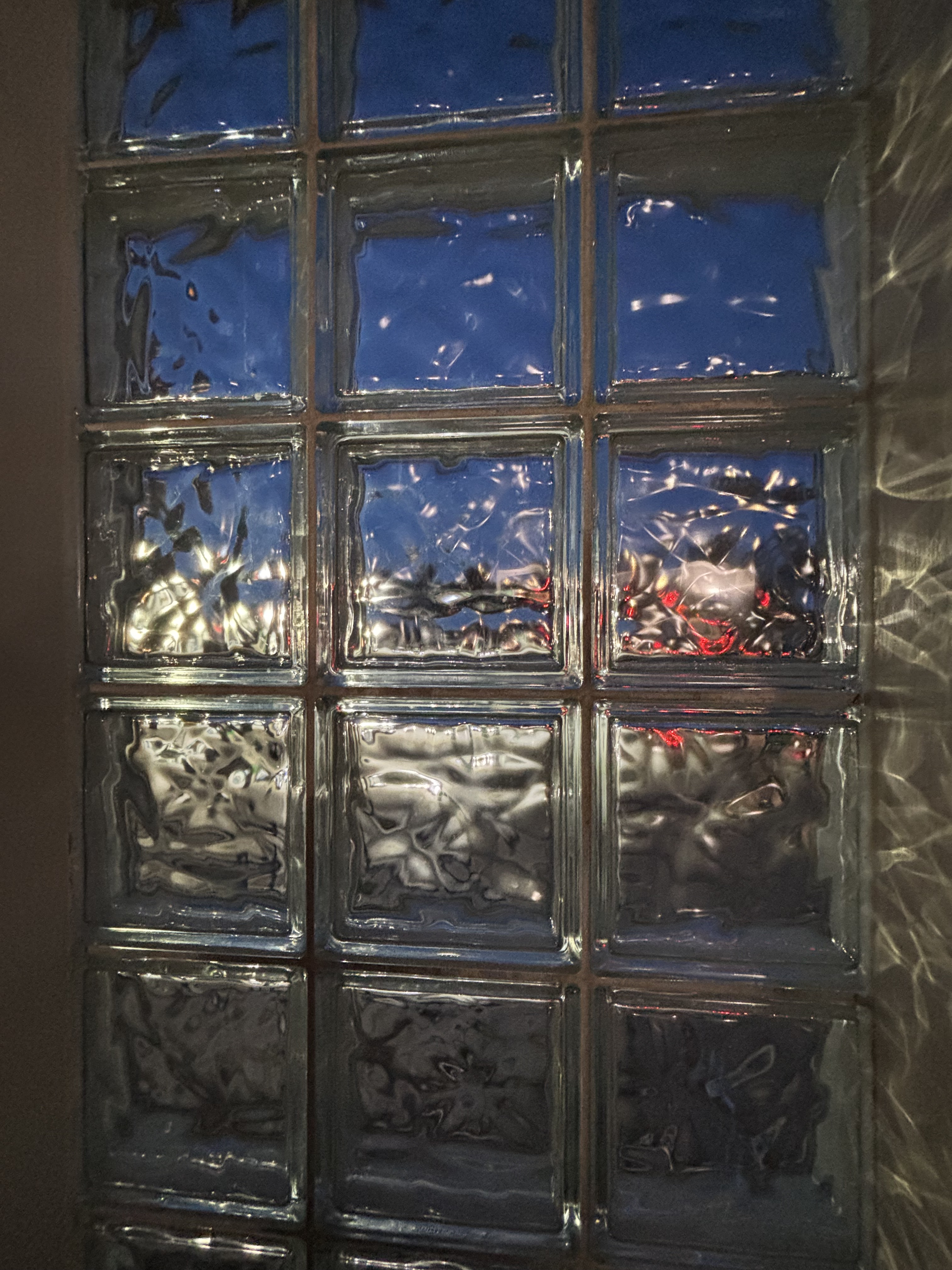
It’s hard not to imagine the light-circles dancing on the far wall as a visitation of spirits. Ancestors or angels come to check-in, to let us know that we are not outside but within the circle of their warm embrace.

Last year Kate took us to a cemetery where many of our ancestors are buried. It was a revelation. Although right along the road, this graveyard was hard to find. It was hard to see. Yet, once inside, it opened wide; a bluff overlooking cornfields. As we walked from stone to stone, she told us what she knew of the life of each person. Of how we are connected.

I felt rooted in that place, surrounded by those lives. Like the light-circles dancing on the wall I felt inside the warm embrace. That’s a rare feeling for me.

Many years ago I had a casual conversation with a psychic. I told her that I didn’t feel as if I belonged anywhere and she laughed. “Belonging is not an issue,” she smiled but did not elaborate. Standing on that grassy knoll on a warm Iowa day, the psychic’s words came back to me. Belonging is not an issue.

Belonging is a word with both a horizontal and a vertical plane. There’s the circle that is seen. There is the circle that is felt. There is the circle of warm embrace that is today. There is the greater circle that reaches back and back and back. Those are the light-dancers, the surprise visitors who, on a sunny morning, show up for a moment or two, twinkling to remind us that all is well. We can rest easy knowing that, no matter what, we are and always will be surrounded by their love.

an oldie: Embrace, acrylic

read Kerri’s blogpost about MAGIC LIGHT

like. support. subscribe. share. comment. thank you.

Share and Renew [David’s blog on Merely A Thought Monday]

As additions-to-traditions go, the bauble-on-the-tree is a relatively recent inclusion. People have decorated their dwellings with pine boughs, a symbol of renewal and rebirth (of the light), for many, many centuries. Placing ornaments-on-trees only began in the 1800’s.

We decided this year – for reasons that reach beyond words – to bring out Beaky and Pa’s ornaments. We are minimalists mostly so in the decade of my Wisconsin life these ornaments have lived in a box in the basement. We look at them every year but have never – until now - hung them on a tree. They are glass and fragile so we worked slowly, placing them with care.

Having them with us this season has been more powerful than I imagined. Having them with us this morning is more meaningful than I thought possible. Family is with us. And, isn’t that, after all is said and done, the point of it all? Given family and chosen family. To feast our long line of belonging and celebrate our brief time on this earth together. To honor that we are, as Jean Houston wrote, “…the burning point of the ancestral ship.” To gather, adding to the rich bank of shared memory. We reach back in time with gratitude. We live forward through our children and their children and their children…

This morning we sit quietly, sipping our coffee, sharing stories, hanging out with Beaky and Pa, in our recognition and deep appreciation of this time of life’s Renewal.

read Kerri’s blogpost about BAUBLES

like. share. support. comment.

buymeacoffee is…

Color It Red [David’s blog on Not So Flawed Wednesday]

Red is the color of anger. Unless it’s not. It’s also the color of Santa suits and fire trucks. It’s the color of embarrassed cheeks, burning bushes and carpet pathways for the glitterati when bubbling with the anticipation of receiving an award. Red is associated with the base chakra. It’s the lowest vibrating color-energy on the spectrum. It’s easy to see. Male cardinals want their perspective mates to see red.

Red is the color of fall. And orange. And yellow. We walk toward it on the trail. Sometimes it’s too much to comprehend.

Horatio just told me of a trip he took through Canyon de Chelly. Red Rocks. He told me that he always feels that something is “right” when he’s there. Like humans and this big universe belong together. Timeless. Ancient. Mystical. Impermanent. Not separate. Red is the color of belonging.

That’s how I felt standing before this sumac. A staghorn sumac on fire with the season. My only purpose: to appreciate. To witness. Red is the color of awe.

read Kerri’s blogpost about RED SUMAC

like it. or not. support it. or not. share it. or not. comment on it. or not. find your red. or not.

buymeacoffee is…

Sip It [on Merely A Thought Monday]

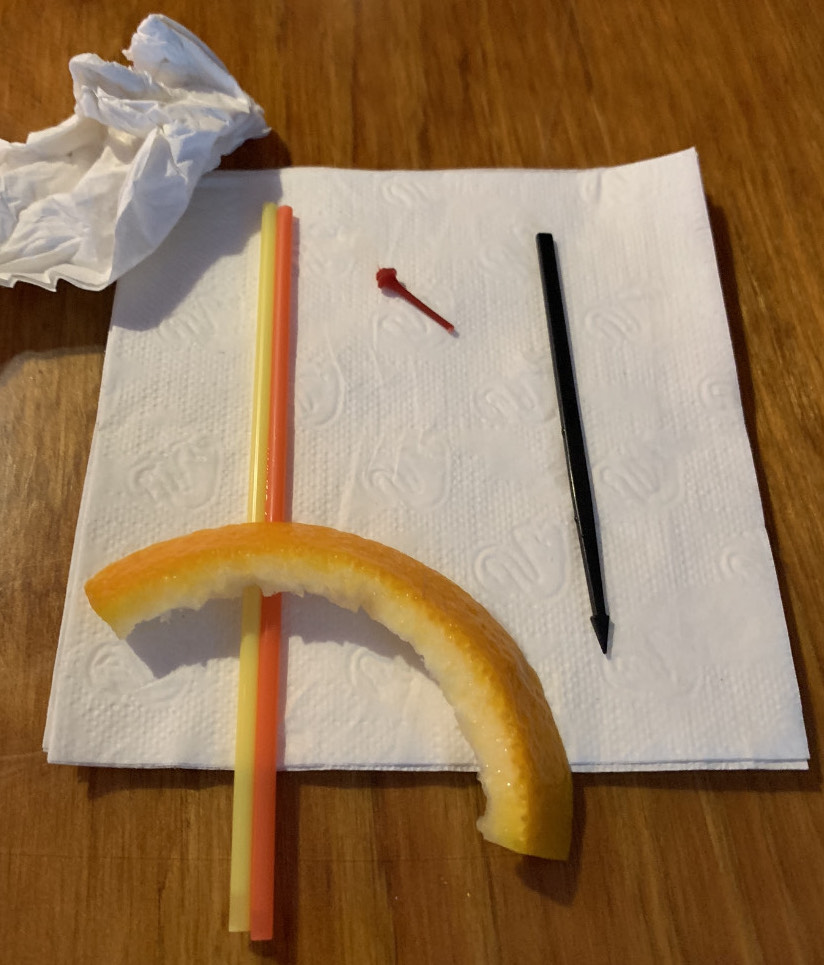
There are deep, meaningful layers to this story-image. The first is an answer to the all-important-question, “How do we entertain ourselves at a bar?” We make fun contemporary art, of course! Or, we make fun of contemporary art. I’m not sure since the line of distinction is blurred in real life so it is more blurred at the bar, where life isn’t really real and escapism is to be expected.

Have I confused you? It’s simple really. Limit your palette to two bar napkins, two sipping straws, and the fruit remnants from a brandy old-fashioned. Arrange a composition. Snap a photo for posterity. Ask yourself and others, “What does it mean?” And, when you find yourself concocting answers to the great amusement of your friends, you might recognize that the actual art-of-the-moment is the performance of the improvisational play entitled What Does It Mean?

You’ll conclude – if you are honest – that it – your art work – has no inherent meaning – and all supposéd meaning is projected onto the image. It can mean many things or nothing at all. Just like life outside of the bar [that sneaky escapism always loops back to the real stuff!] The composition might simply be appreciated for its clever arrangement and varied texture. It might conjure up fond memories of old-fashioned’s past.

Here’s what it means to me: I could not be considered a local Wisconsinite until I had a palette of experiences, like eating cheese curds or attending a fish boil. On the tippy top of the list was to enjoy a brandy old-fashioned. More, to know whether I preferred my drink sweet or sour. This composition, the scattered remains of the drink-of-the-state, reminded me of the day I ascended to the top of the list and sipped my first ritual old-fashioned. I would anoint this piece with the worthy title BELONGING AT LAST.

read Kerri’s blogpost about POST OLD-FASHIONED

278 weeks and counting of daily posts. Like it. Share it. Tip it. Tell us to stop or keep going.

Ask A Familiar Question [on Two Artists Tuesday]

I’ve asked this question of clients a thousand times: What’s beneath? What’s beneath the fear, the yearning, the resistance, the denial, the dream? Asking, “What’s beneath?” is one way of “getting to the heart of the matter.”

The-heart-of-the-matter is rarely visible on the surface. The engine room, the place of power and life, is usually hidden at the bottom of the ship. It makes a lot of noise and is generally deemed “not pretty.” Getting to the-heart-of-the-matter usually requires a trip to the lower decks, a willingness to take off the mask or the armor, at least for a little while.

There is a stop on the way to the-heart-of-the-matter. This stop holds two contradictory options and both are misunderstood as the heart. Option #1: To stand out. Option #2: To fit in. To be valued and to belong. Both are wildly important and provide fuel for the trip but neither is the heart, yet it is a common stopping place for most people in their search for the heart-of-the-matter.

The real work of a heart is never dependent on the opinions of others. To get to the heart, one needs to press on.

When my job fell to dust, my first action was to let go of my symphony project. That choice surprised me. A younger version of me would have held onto that performance as if it was a life buoy. A way to stay afloat. A way of knowing who I am. This version of me knows the folly in that way of thinking: my artistry is not a flotation device. It is not a separate thing.

This time, near the bottom of Maslow’s hierarchy, I find myself in a wide open space, with an abundance of love and belonging and no absence of esteem. I am at the top and bottom of the pyramid at the same time! It’s a great opportunity to ask myself an all too familiar question: What’s beneath?

In this life, what is the heart-of-the-matter?

read Kerri’s blog post about BENEATH

See Your Choices [on Merely A Thought Monday]

He began with silence. He looked them all over, one fox at a time, and his eyes looked deep into theirs. Lucy wanted to hide when his eyes came to her but instead she fell into his gaze. He seemed to be listening. Then, he made up his mind, and in a voice that was both powerful and quiet, he said, “Words are strong magic, misused they are tragic, but handled with care they bring insight and good cheer. So listen, dear friends, listen with care.” ~ Lucy & The Waterfox

“Choice” is a very powerful word. Perhaps one of the most powerful.

Lucy was a story I told many years ago at a conference of healthcare workers. Actually, it wasn’t the primary story; it was an addition. The organizers asked if I had a second story in my bag o’ tricks and I’d just written Lucy.

After the conference I illustrated and self-published it. It was the early days of self-publishing so the layout is wonky. I’ve never really liked how the book looks. I’d turn Kerri loose on it if we were bored and didn’t have other things to do. We’re not bored.

Lucy makes two choices in the story. The first is to hide her special talent. To conform. The second is to own her special talent. To take flight.

She achieves both choices through the intervention of others. The first choice was made with the help of social pressure; who doesn’t want to belong, to fit in! To conform. This choice nearly kills her. The second is made with the help of a storyteller, a role model. Who doesn’t want to fulfill their passion! Follow their bliss? This choice fills her with life.

I’d write a sequel but it’s already imbedded in the first book. What happens to Lucy when she chooses the left hand path? She becomes, as all artists do, the carrier of the story, the mythologist and mythology of the pack.

Sometimes it doesn’t feel like a choice. To hide your fire. Bend to pressure. To burn brightly. Follow an inner imperative. Yet they are choices, both.

“Lucy was a red fox who lived as other red foxes do, playing in the fields and forests. But Lucy had a secret. She could fly. Not a run-and-jump-to-this-rock kind of fly. No! She could fly like a bird…”

read Kerri’s blogpost about CHOICE

Lucy & The Waterfox © 2004 david robinson

Look Up

Eve, by David Robinson

Eve, by David Robinson

The nights have been bitter cold and clear. The cold always seems to make the stars sharp like crystals. Standing on the back deck, looking at the stars, I remembered a conversation I had years ago. I was working with students and we strayed into a discussion of human beings connection to the stars. It was cosmology in a nutshell.

Here was the gist of the conversation: something happened to human consciousness when they (we) understood that our patterns of life on earth were (are) oriented to happenings in the sky. For instance, our impulse to worship is intimately connected to the solstice and equinox: the disappearance and return of the light. Our migration habits, planting habits, daily rising-and-shining habits are relative to the movement of the sun. The tides in the ocean and the waters in our body are responsive to the pull of the moon. With the awareness, we crossed a line from chaos to order, from unconsciousness to consciousness. There was a relationship, a pattern, a belonging, a participation. There was something bigger.

During that same period in my life I also worked with a group of inner city students who had never seen the stars. It was a revelation for me. For them, there was no sense of relationship, there was no “something bigger.” There was a load of anger and existential separation.

This holiday season, I was struck by two things: 1) how many times I had conversations with people, glued to their televisions, who are frightened and feeling helpless by the happenings in the world, and 2) how many casual family photos crossed my path featuring a gathering of individuals, alone together, faces to smart phones. Everyone was looking down.

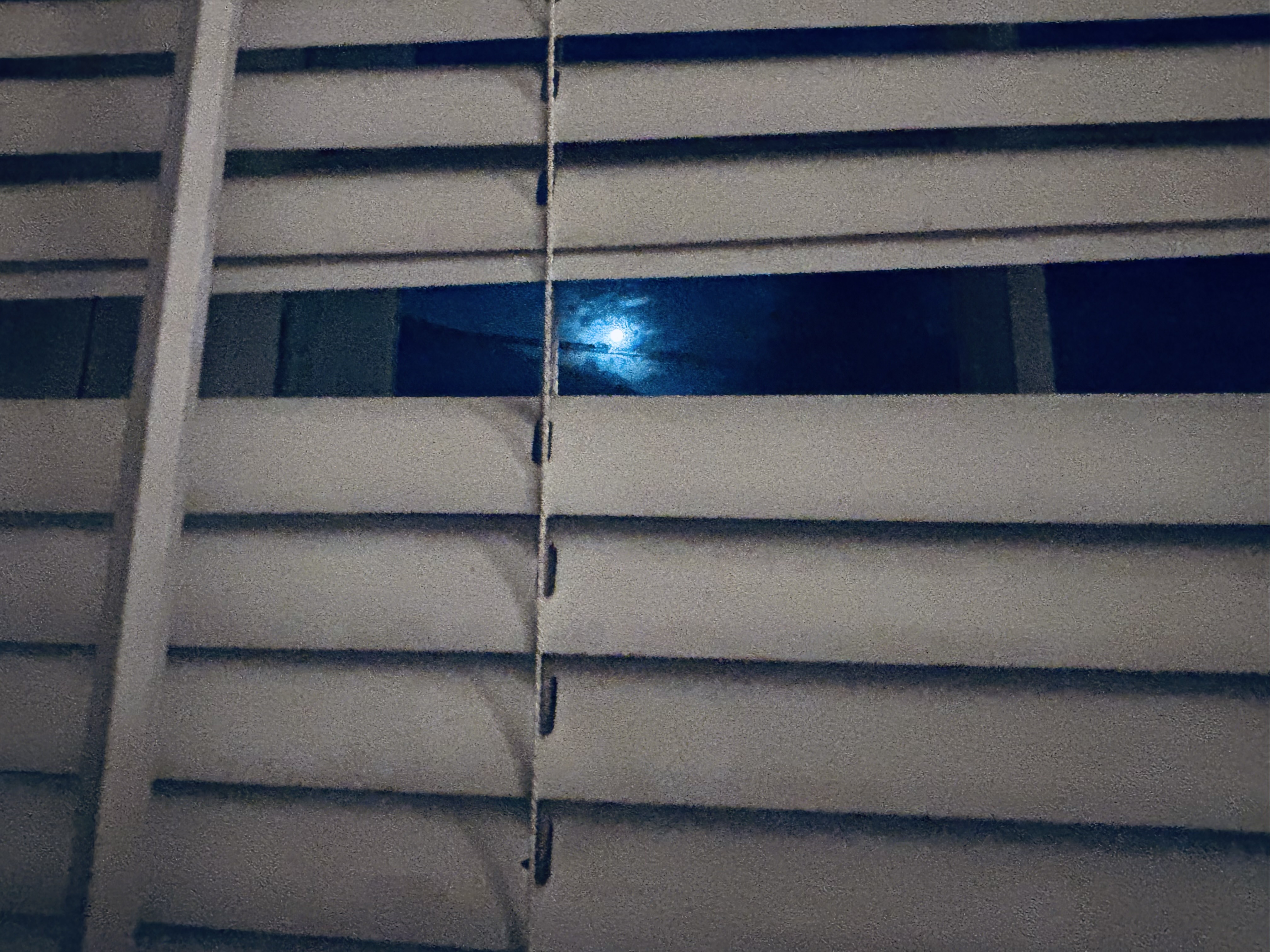
Standing on the back deck on a dark and starry night, wrapped against the cold, I wonder what some distant teacher in the future will tell his or her students about what happened to human consciousness when they (we) ceased looking up.

title_pageGo here to buy hard copies (and Kindle) of my latest book: The Seer: The Mind of the Entrepreneur, Artist, Visionary, Innovator, Seeker, Learner, Leader, Creator,…You.

Yoga Series 7Go here for prints of my paintings