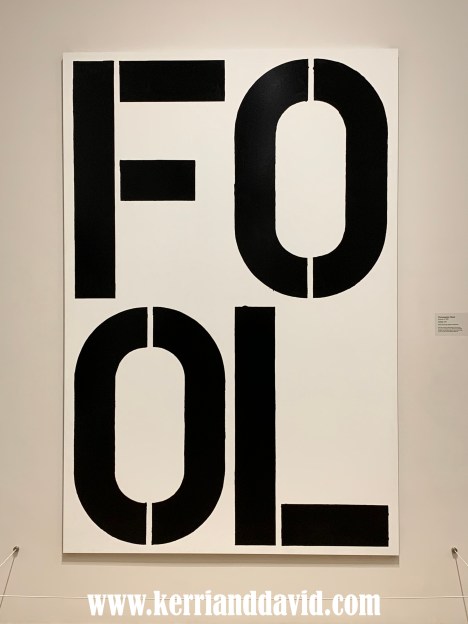
Learn The Dance [David’s blog on Merely A Thought Monday]

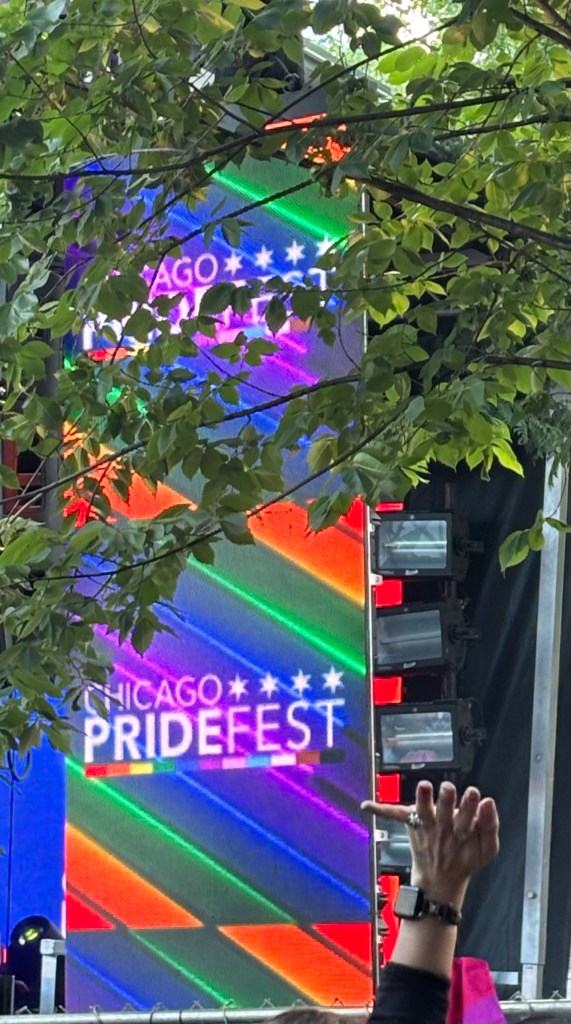
In a confluence of wonderment, local celebrations for Juneteenth, the summer solstice, and Chicago Pride all landed on the same day. And it was a gorgeous day, ideal for uplifting and honoring the most marginalized people in our society. This merging of revelry had an air of push back: as the powers-that-be might try to scrub the rich color from our history, our diversity runs deeper than skin color or sexual orientation, our desire for equality dwarfs their white supremacy. The people took to the streets to parade and sing and dance.

We took the train to Chicago to see our son perform at Pride. It was a mass of humanity, packing the streets, surrounding the stage, pulsing together to the beat. It was impossible to stand still.

In a moment I was struck with a thought: looking across the crowd, bodies of every shape, size, color and preference, rejoicing together. There was no judgement, no emphasis on difference. There was complete support for and acceptance of individuality and unique expression. People proud of their bodies and their choices. A community that has – and still has to – fight for every inch of equal rights and recognition. My thought? “This is what morality looks like.” All of those who pull verses from a bible and claim moral superiority are, in fact, interested exclusively in superiority. As we are witness to again and again, there is no morality on their pedestal.

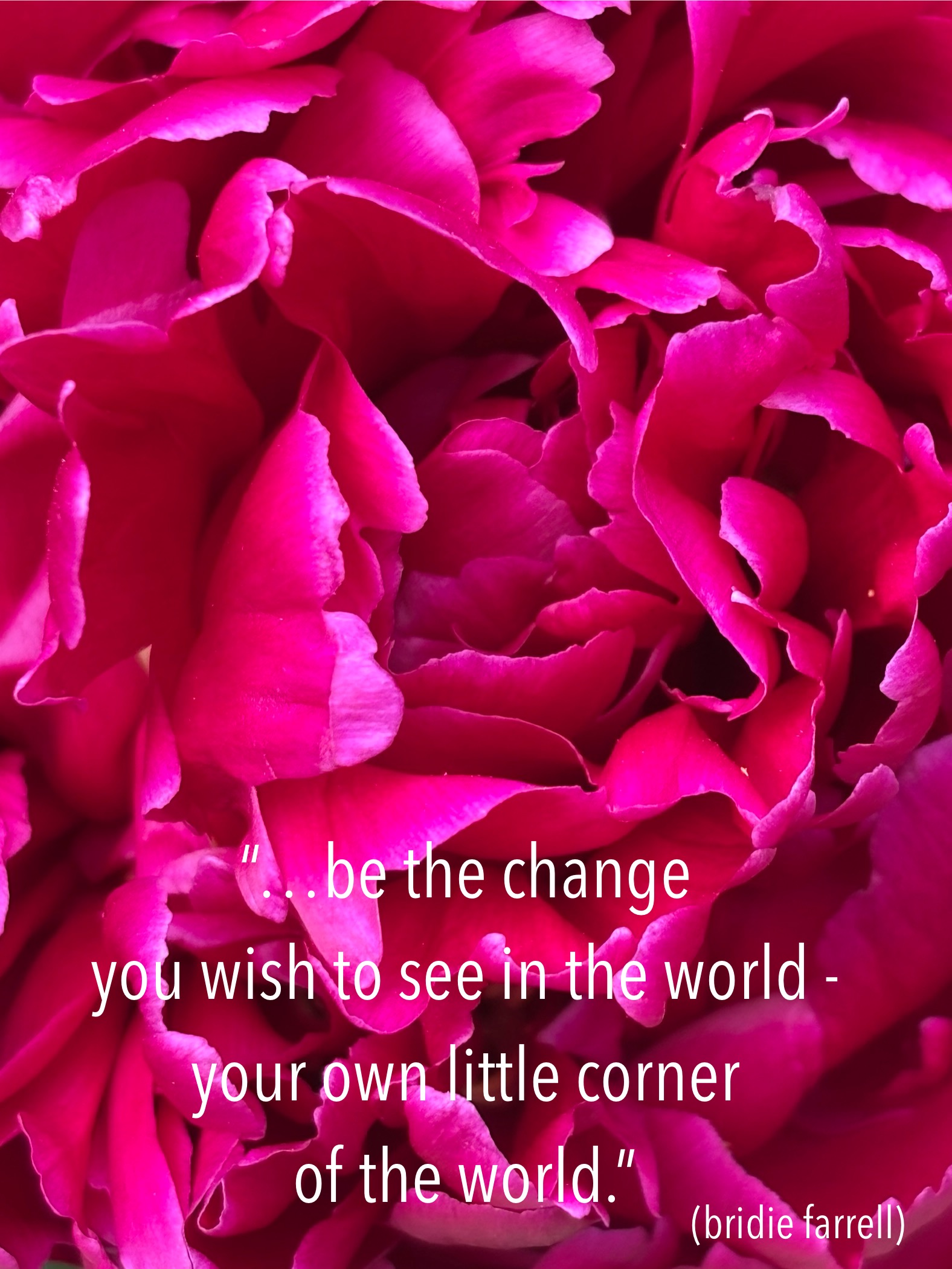
The people dancing and sweating and reveling and making way for each other to BE WHO THEY ARE, as they are, in a world with love enough to hold an ideal called equality – and live it – they are the keepers of the promise and the light. They are a community, forged by hot prejudice, that cares for each other, protects and serves each other. They are the change, dancing together in their own little corner of the world, hoping someday those living in fear and judgment on the false safety of their pedestals, step down, join the party and learn the dance of humanity.

read Kerri’s blogpost about BE THE CHANGE

likesharecommentsupportthankyou!

Unconditionally [David’s blog on Not So Flawed Wednesday]

We spent the morning watching dog adoption videos. There’s nothing like watching the explosion of love from a forlorn and forgotten pooch finding a home to remind us of the good in the world. It was an intentional diversion. We were exhausted from the immorality and incompetence of the current administration, the blatant lies sold whole cloth as truth.

Last night Mark Elias cautioned his viewers to stop pretending that we are on the road to authoritarianism. “We are already there,” he said.

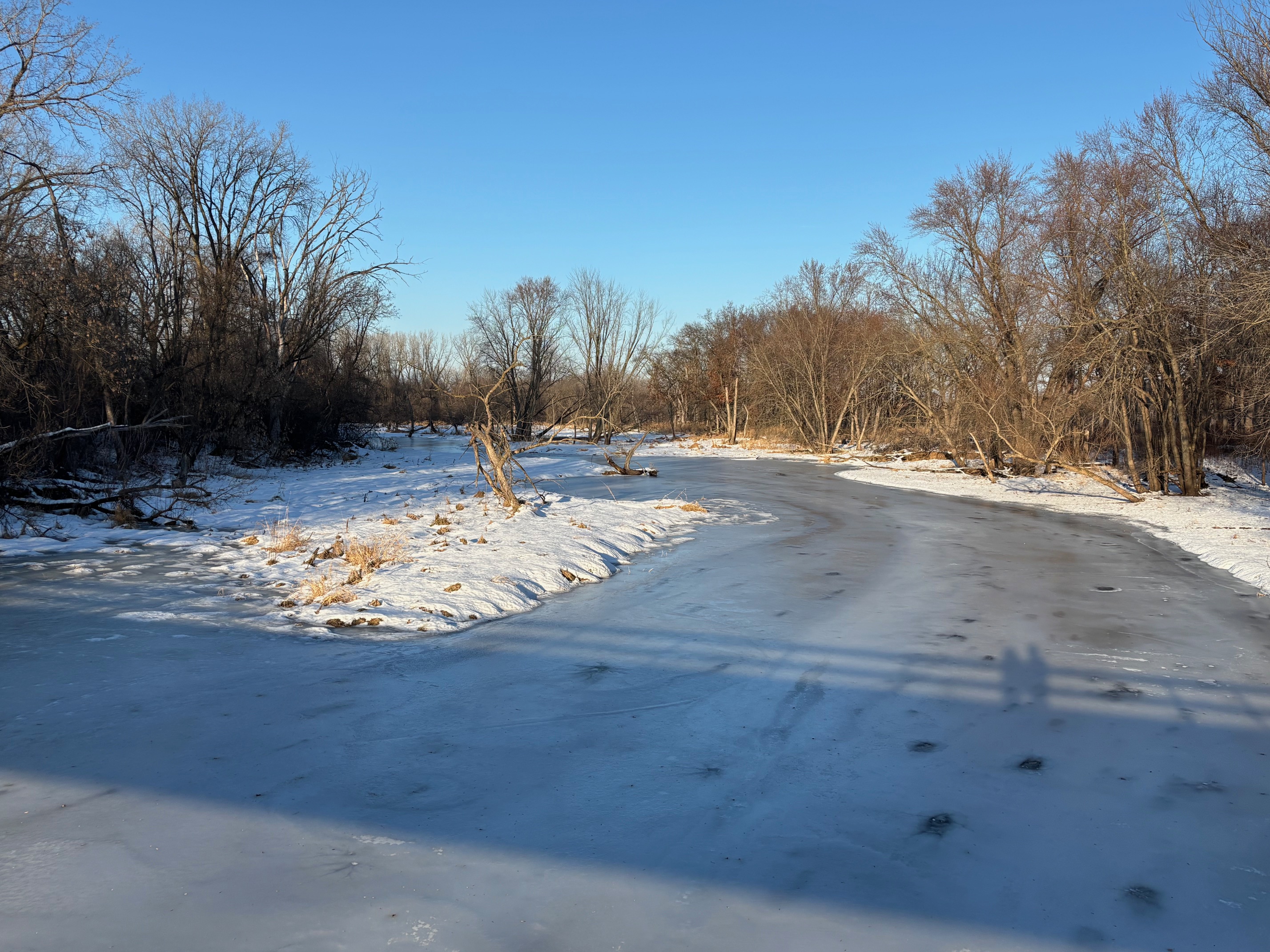
During the summer months we walk the bridge spanning the Des Plaines River so we can watch the turtles. They crawl onto the banks and fallen trees to soak up the sun. At first glance they are not easy to spot. We know where they congregate so we take the time necessary to locate them. In the winter we visit the bridge to marvel at the changing contours of the frozen river. Stand on the bridge long enough and what seems barren soon reveals abundant life. Actually, the signs of abundant life don’t magically appear, rather, our eyes adjust, moving beyond our barren expectation so we can see what was actually there all along.

In her latest installment Heather Cox Richardson recounts how Abraham Lincoln met the near authoritarian takeover of the nation by the Southern Democrats. “We’ve been here before,” Kerri said, adding, “We seem incapable of dealing with the problem,” I thought but did not say, “It seems we just kicked the can down the road.”

I am lately haunted by a quote from Jiddu Krishnamurti:It is no measure of health to be well adjusted to a profoundly sick society.”

I wonder what it would take for us, for this generation, to deal once-and-for-all with the ugly white supremacy, a remnant of colonialism, so tightly woven into our nation’s history? It is our disease and we are currently testing whether or not our disease is fatal or can be treated. Can we be cured in mind, body and spirit? Can we grow beyond our dedicated and persistent division? What if we refuse to kick the can down the road?

What is required to close the gap in our rhetoric so that when we utter the word “equality”or speak the phrase, “Freedom and justice for all” – we actually mean ALL THE PEOPLE. Unconditionally. Is it so hard to imagine that the words, “We The People,” so sacred in our story, might apply equally to ALL of the people?

read Kerri’s blogpost about THE RIVER

likesharesupportcommentthankyou

Bill Moyers’ Question [David’s blog on Two Artists Tuesday]

I wish someone could explain to me how diminishing our position from global superpower to a regional hemispheric bully makes us great again.

I wish someone would explain to me how isolation in the world is preferable and more powerful than global alliances. Especially given that our prosperity is a function of a global economy.

I wish someone could help me understand how learning and education has become anathema to our national identity. How is it that ignorance is preferable to inquisitiveness?

I’d like to understand how so many of my fellow citizens doubt what is obvious, apparent, what is right before their eyes, and fervently grasp onto lies (also obvious) as their chosen reality. For that matter, where-oh-where has our free press gone?

I want to know why science, data and fact are eschewed in favor of quackery, falsehoods and spin? When did we sign up to be the poster-nation for penny-wise-pound-foolish? As Kerri says everyday after surveying the latest wreckage, “Well, at least our Froot Loops are gonna be safe.”

Although I am curious how we managed to elect and assemble a kakistocracy (government by the least suitable or competent citizens of a state), I really wish someone could explain to me why they have not yet been tarred-and-feathered and run out of town. Protecting pedophiles, murdering citizens, threatening war both north and south, making a mockery of justice, profiteering, dismantling our constitution, weaponizing our data…why are they still being protected?

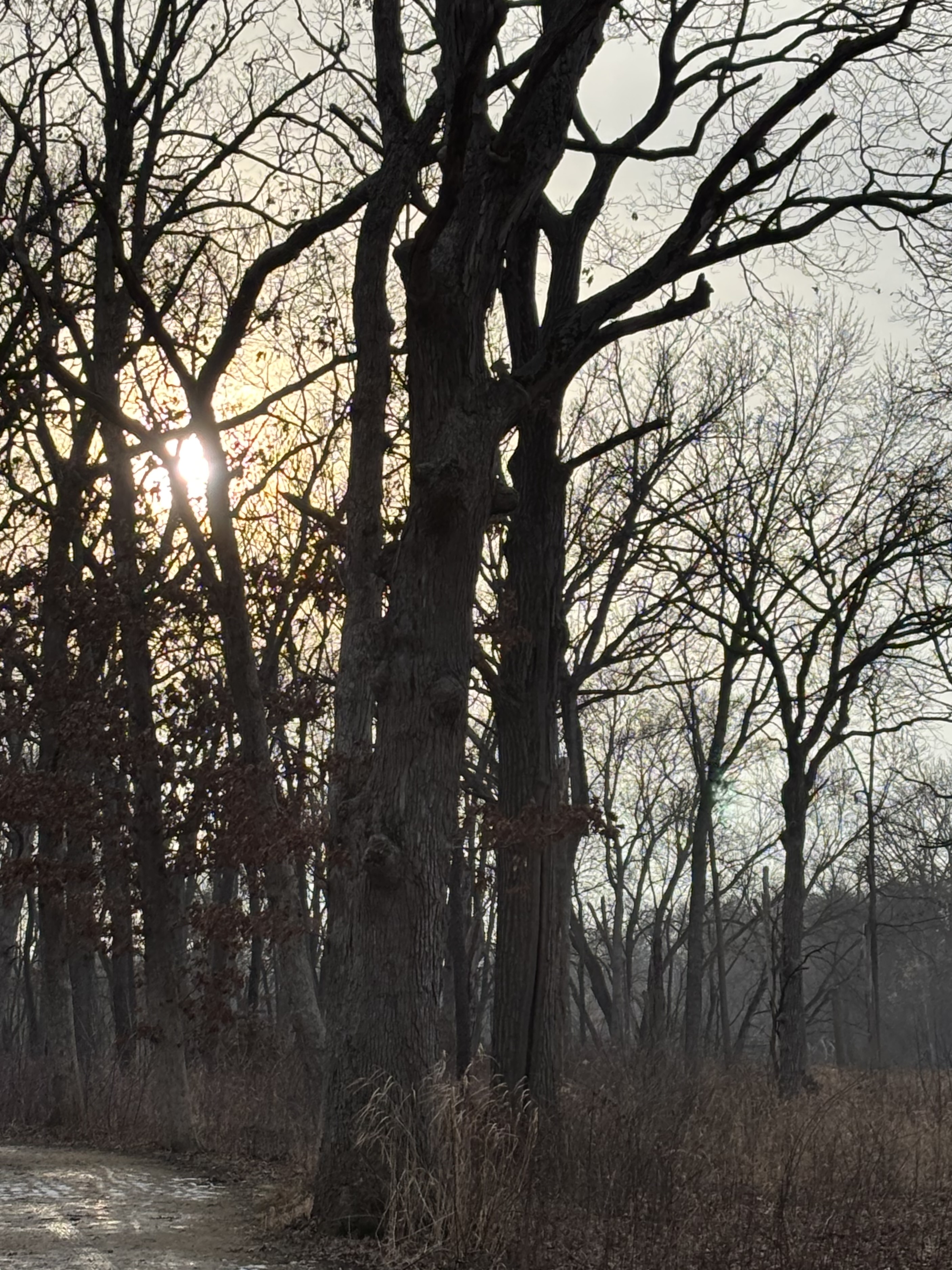
Lately, we walk our trails to unplug. To clear our minds from the latest horror of the nation-run-amok. To sort. To reclaim our attention span from the sharp fragments flying across our screens. To reaffirm what is real and what is not. To ground again in what is important.

On our latest loop I recalled, years ago, Joseph Campbell said that our mythology was dead. “You just have to read the newspapers,” he said as proof. Crime. Business-as-exploitation. A government increasingly protecting big business at the expense of the people.

A mythology is more than a cute story. Living mythologies reaffirm and reinvigorate the values of the people. They are the glue of society. Mythologies are “living” when the community lives the values reinforced in the stories. The Boston Tea Party is part of our national mythos. Paul Revere. Washington crossing the Delaware River. Rebels fighting for their freedom against an authoritarian king. Think about the value sets implicit in our founding story. We do not assemble on the 4th of July simply to coo at the nice fireworks. Or do we?

I wish someone could explain to me where our values have gone. We did not fight a world war against fascists only to become fascists. When did e pluribus unum, unity through diversity, become exclusive, ugly white nationalism? When did the shining city on the hill, a beacon for all, a land of promise and an aspiring moral exemplar, become the neighborhood thug?

Bill Moyers asked Joseph Campbell if a dead mythology could be revivified? Campbell paused and answered, “I don’t know.”

I guess it’s up to us to answer Bill Moyers’ question.

read Kerri’s blogpost about THE WINTER TRAIL

likesharecommentsupportthankyou

Fall Into Togetherness [David’s blog on KS Friday]

“We have fallen out of belonging. Consequently, when we stand before crucial thresholds in our lives, we have no rituals to protect, encourage, and guide us as we cross over into the unknown.” ~ John O’Donohue, To Bless the Space Between Us: A Book of Blessings

What does it mean to fall out of belonging?

This season brings us Christmas and Hanukkah and Rajab. Since they are rituals of identity they are cycles of renewal. They affirm these are my people and with them I know who I am and what I value. Each year, through our rituals, we reaffirm who we are and what we believe. It is one way – perhaps the most important way – of understanding the return of the light.

To fall out of belonging means that the rituals are enacted but their purpose has collapsed. They are no longer the glue that binds but have dissipated to become merely economic. To fall out of belonging is to be alone together. It is to be valueless since value is an aspect of relationship-with-the-whole. To fall out of belonging means there is no whole – and no way personally or communally to be whole.

That seems like an apt description of this nation once again at war with itself, dismantling every value, trying to sort out whether belonging is inclusive or exclusive. Are we equal under the law or unequal members in an ever uglier caste system? Who are we and where are we headed?

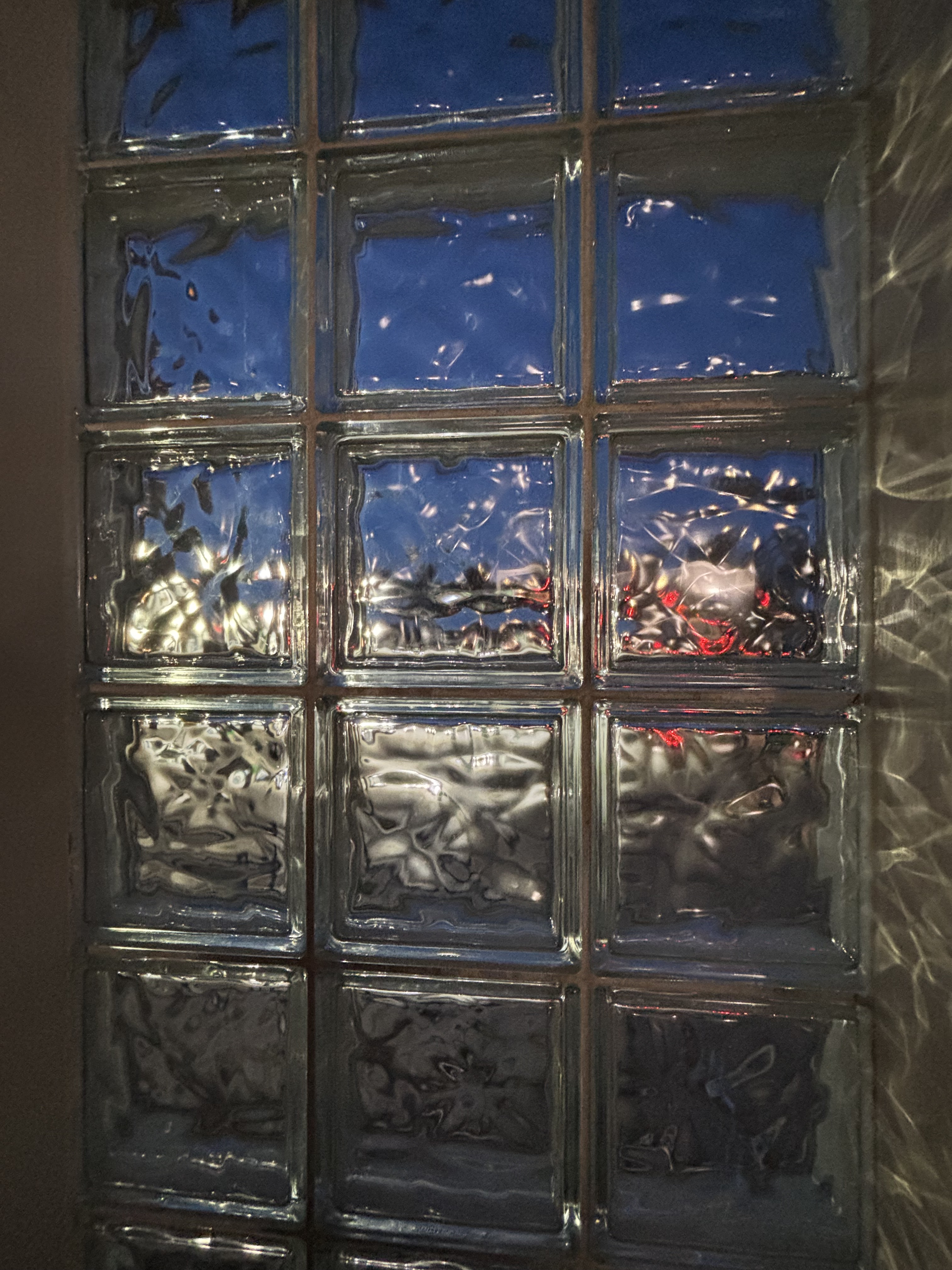
The glass blocks on the stairway seemed an appropriate metaphor for this threshold we are about to cross into the new year. The image is murky at best.

I used to be certain that I did not belong until an unlikely voice challenged my certainty. “Belonging is not an issue,” she said. I realized how wedded I’d become to my story of not-belonging. Not belonging was central to my identity as an artist. My culture defines artists as deviant. I laughed aloud when I realized that my place on the margin was my role in the society, it was how I belonged.

I also realized that It was not so much that I didn’t belong to my society but that I did not want to belong to it. It frightened me, this community that regularly conflates money with morality. This society that fears facing the totality of its history.

What I learned then is more true now: belonging is not the issue. The issue is to what kind of society do we want to belong. It’s the relevant question – the only relevant question – we need to ask ourselves as we stand on this threshold, preparing the ritual parties and fireworks, as we decide where we will be and what we will do at midnight of the 31st, as we make resolutions that will carry us into the new year and into who we want to become.

Belonging is not passive. It is not a given but requires our participation and commitment to renewal of what we value.

To what kind of society do we want to belong? The answer to that question will determine the society that we will create. It is up to us to determine which unknown we will cross into, whether we will continue to fall out of belonging and further into the dark divide – or whether we will choose to fall into togetherness, as our rituals of renewal, when truly valued, have always aspired: out of many, one.

TIME TOGETHER on the album THIS PART OF THE JOURNEY © 1998 Kerri Sherwood

Kerri’s music is available on iTunes and streaming on Pandora

read Kerri’s blogpost about GLASS BLOCKS

likesharesupportcommentthankyou

Scratches On The Wall [David’s blog on Two Artists Tuesday]

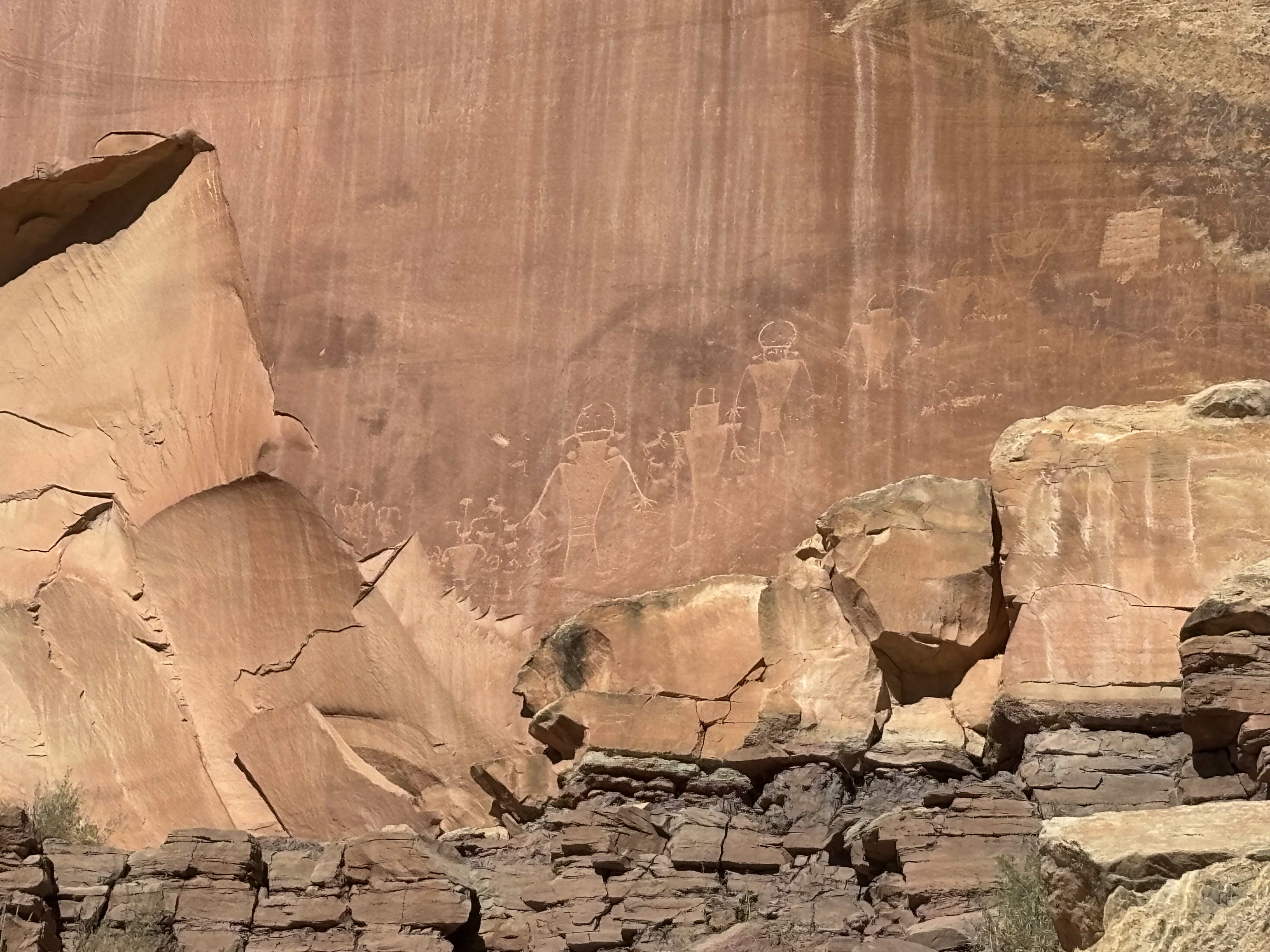
Scratches on the wall. Petroglyphs, the only evidence that remains of a people who once lived in these canyons, who lived by the river we’ve named Fremont. We do not know if they had a name for the river. We do not know if they had a name for themselves. We call them the Fremont, after the river. A location name.

The Fremont River is named for an American explorer, John Charles Fremont, so the people who scratched pictures into the rock over 1,000 years ago also carry his name. As is the nature of history, we locate them from our point of view. We build an identity-structure and civilization-story about them based upon our story of them. We’ve placed them in our narrative timeline, 1 – 1300 CE. We have no idea how they thought of or marked their time.

We have no idea what became of them. They disappeared into time. We have no idea what the petroglyphs mean or why they scratched them into the canyon walls. We wonder at the semiotics, the inner symbolic life that produced such strange (to us) images that remain on the red rock walls.

This morning, through my COVID aches and chills, I watched the news. I would like to say that I am mystified by the civilization-story currently being spun and supported by half of my nation but I am not. I would like to say that the hatred and fear-mongering of the red hat tribe is as much a mystery to me as the way of the Fremont, but it is not. The concurrent xenophobia and wild-eyed-creation of an internal enemy (anyone not in a red hat) has roots that are all too easy to see. It’s a fascist popcorn trail, a page from Hitler’s handbook. The language is identical. The images, scratched into the red-fox-walls of our time are all too easy to interpret. A frightened and misinformed populace is easily manipulated. Fooled.

What is a mystery to me is the inner symbolic life of my nation’s conservatives that seem so ready to trade our sacred democracy for a populist authoritarian. What scratches on the walls of their minds are so easily storied into hatred. What has so hardened their hearts that they embrace with cheers the repulsive bile spewed by their candidate? It is as incomprehensible to me as the petroglyphs of the Fremont.

All societies disappear into time. Ours, relative to the Fremont, is still in its infancy. We can only hope that an explorer in some distant future finds our petroglyphs – and although a mystery to them, we will have known that we transcended the authoritarian threat and overcame the fox-fear-fantasy, manufactured hatred and dark lies. And, over the next thousand years, our scratches on the wall tell the tale of how we matured to fulfill the promise of our sacred ideals. Out of many, one.

read Kerri’s blogpost about PETROGLYPHS

like. share. support. comment. subscribe…thank you.

Upside Down [David’s blog on Merely A Thought Monday]

We saw the sticker on the back of a traffic sign. “What’s the definition of hippy?” she asked.

Since she is a detail-girl, I Googled the definition. I am famous for making up definitions and she’s on to my game. I read aloud: “usually a young person who rejects the mores of established society (as by dressing unconventionally or favoring communal living) and advocated a non-violent ethic.” Or, “having very large hips.”

She frowned. “Do you have to be a young person to reject the mores of established society?”

“Are we young people?” I responded and she smiled. Always the rebel.

As we strolled away from the sticker I wondered about the mores of our society that so assumes violence as conventional that non-violence is considered – by definition – unconventional.

Sometimes this world seems upside-down.

The moment was made more ironic because, just moments before, every phone on the busy street rang with an alarm: there was an active shooter just six minutes drive away, a fifteen minute walk, and the police were locking down the area. Everyone stared at their phones and continued with their business.

What was the most unnerving? That there was an active shooter close-by or that no one was surprised?Everyone continued shopping. Violence as a convention.

“I think I want to be a hippy,” she said. Me, too.

read Kerri’s blog about HIPPIES

like. share. subscribe. support. comment. many thanks.

Find Hope [David’s blog on Two Artists Tuesday]

To say our weather has been weird is an understatement. It is February in Wisconsin and I’ve not yet used my snow shovel. I know that a mile or so inland there has been some substantial snow – some – but here, by the lake, not so much. We’re having rain and fog. Seattle in Wisconsin. The world just recorded the warmest January on record.

We just finished watching a three-part National Geographic series, Arctic Ascent with Alex Honnold. A scientific expedition across remote Greenland with two objectives: to gather data on climate change from arctic glaciers, and for Alex and his climbing team to make a first ascent of Ingmikortilaq, a wall 1000ft taller than El Capitan in Yosemite. Beautiful, extreme, unimaginable. Breathtaking. The lead scientist on the team, Heidi Sevestre, much to her surprise, finds hope in her research. Although the glaciers all around are melting at an rapid rate, the Daurgaard-Jensen glacier remains stable. “This glacier is holding on,” she said.

Holding on. Across time, human being have been brilliant at spoiling their nests. Societies disappear when they either pollute or exhaust their resources. Historically, we’ve rarely demonstrated the wisdom to change our behavior before losing it all. We are on track for a repeat performance, this time on a global scale, so it was curious that this single glacier, to date, was somehow impervious. Hopeful. “All is not lost,” Heidi Sevestre suggested.

Resilience. Tom used to tell me that he was often stunned by the resilience of some children. They were capable of transcending unimaginable odds, emerging from their fire with humor and balance and wisdom. “They give me hope for all of us,” he said.

Alex Honnold and Hazel Findlay, against all odds, climb an impossible wall. Heidi Sevestre finds impossible hope in the movement of a single glacier. “These are the people I want to emulate,” I tell Kerri. They are upbeat. Positive. Generous with each other. Generous because of each other. “These are the people who give me hope.”

read Kerri’s blogpost on FOG

comment. share. like. support. thank you.

buymeacoffee is a bit of hope in a steep upward climb.

Keep Your Nickel [on Merely A Thought Monday]

The second part of the quotes reads like this: “The ability to observe without evaluating is the highest form of intelligence.” It’s another way of saying, “Be in the moment.”

Being in your moment is harder that it sounds. Lately I’ve been pondering two Buddhist practices that came by way of Quadzilla. First, develop the capacity to discern between the fear raging inside and what’s actually happening outside. Unless there’s a tiger chasing you, the fear is most-likely manufactured. Second, learn to discern between what-you-feel and the story you layer on top of what you feel. Feel the feeling, chuck the story. Develop these two practices of discernment and arrive at equanimity: “mental calmness”, the ability to observe without evaluating.

The first part of the quote reads: “It is no measure of health to be well-adjusted to a profoundly sick society.”

Each time I scroll through the news-of-the-day I hear Tom’s voice in my head: “When I was a kid and the circus came to town I paid a nickel to go into the tent to see the ‘freak show.’ Cows with two heads, etc. Now, all I need to do is watch what’s on tv.” In his final years, Tom retreated to his ranch and spent his time cutting the grass and tending the land. He watched baseball games. For a time I was concerned with his isolation but now I understand it completely. He was a deeply sensitive man, a gifted theatre artist, and rather than grow numb to the “freak show,” to try and make sense of the sense-less, he put his hands in the soil. He watched the sunrise and sunset. He found his health in the quiet place beyond the sickness of the society.

Pasting the quote back together in proper order: “It’s no measure of health to be well-adjusted to a profoundly sick society. The ability to observe without evaluating is the highest form of intelligence.” ~ Krishnamurti

The lessons keep coming. Late in life Tom made the choice to keep his nickel and stay clear of the world concocted inside the tent. The world inside the tent is manipulated. It’s meant to rile, to confuse. He discerned between where to place his focus and where not to place his focus. Stay out of the tent. Focus on the soil. The movement of the sun. Family. Ancestry. Helping. Chopping wood. Carrying water. The real stuff.

Outside the tent, outside the made-up-horror-story, there’s no reason to evaluate [to judge]. It’s another way of saying “Appreciate your moment.”

read Kerri’s blogpost about KEEP YOUR HEAD UP

like it. share it. support it. comment on it. we appreciate it.

Find The Universe [on DR Thursday]


“There is nothing more truly artistic than to love people.” ~ Vincent Van Gogh

I don’t know why but Van Gogh is lately on my mind. He died at age 37. Most of his paintings came through him in the last few years of his life.

He wrote letters to his brother. That’s why we have so many of his words. His contemporaries thought he was mad. They had plenty of evidence of his mania so that was what they saw. Crazy Vincent making crazy paintings. Nothing serious. Swirls of color in an age of dreary.

Only a crazy man would assert that artistry is to love other people, right?

As a young man he was an art dealer and his experiences in the market drove him to become a missionary in Belgium. The art market drove him to religion and he found religion so depressing that he started to paint. This, of course, is my telling of the tale.

Like Vincent, run to the edge of society. Run to the very margins, turn around and look. What do you see?It’s enough to make anyone turn away from sane society and start painting swirls of color. You’re certainly crazy if you consider society and its politics sane. Right?

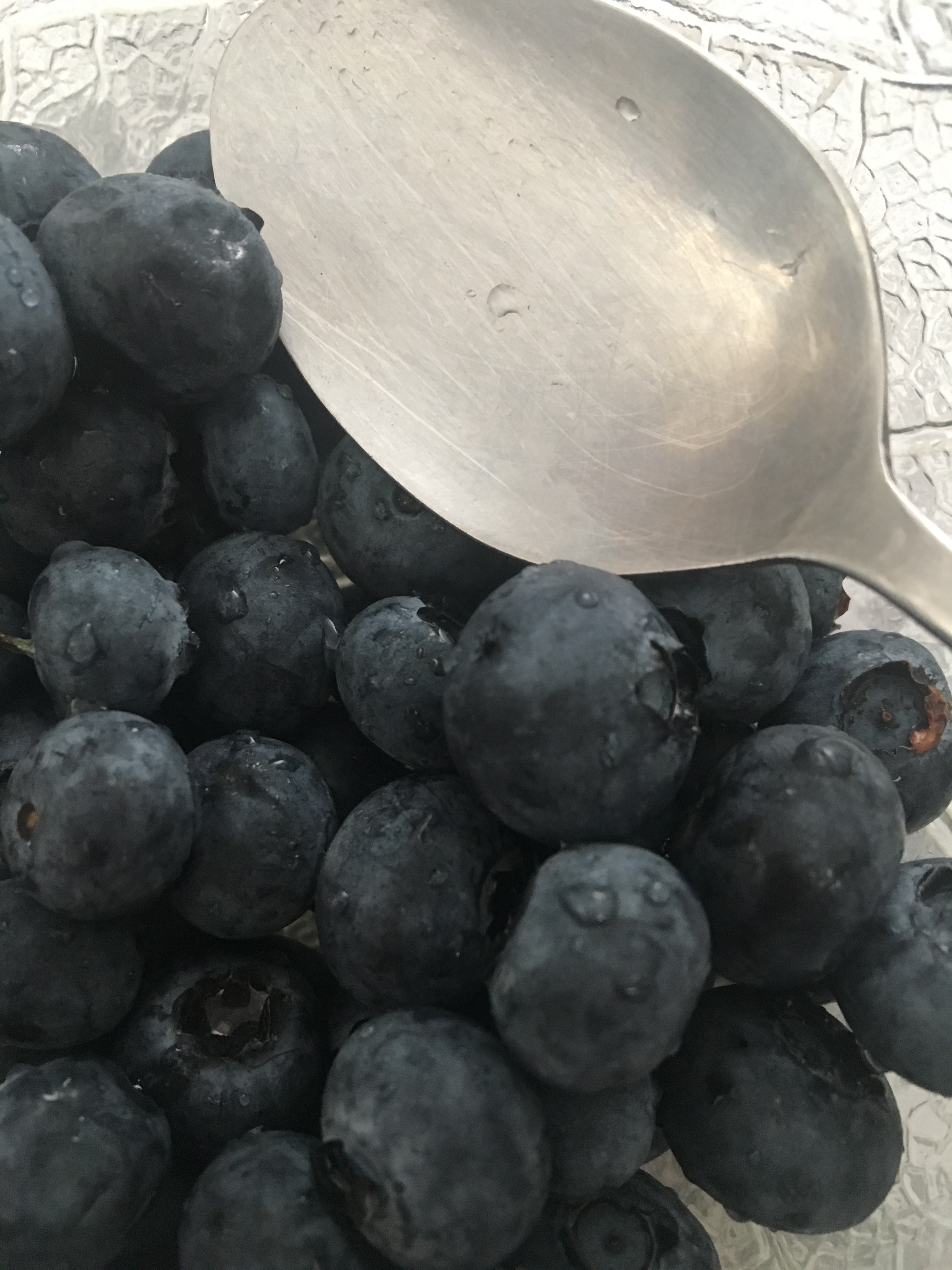
Vincent painted and moved further out, beyond the margins. Beyond the power games and posturing. The pretending-to-be. He left behind the Joneses. He found entire universes in simple things: sunflowers, the night sky. Bowls of blueberries.

He must, at the very end, have turned and looked back, again. This time seeing through the eyes of a painter. Was it wishful thinking that he saw artistry as love? Was it a prayer for humanity?

Oscar Wilde, Vincent’s contemporary, a man brutalized by the society that once adored him, wrote, “Art is the only serious thing in the world. And the artist is the only person who is never serious.” Oscar tried to live on the margin and in the center, all at the same time.

Love makes us giddy. It helps us drop our pretense and gaming. I think Vincent saw, not through the lens of madman, but life without a lens., into pure life, pure love. Swirls of color. Entire universes in bowls of blueberries and in other people. Artistry.

read Kerri’s blogpost about BLUEBERRIES

bass player © 2002 david robinson

Imagine It [on Flawed Wednesday]

Malidoma Somé wrote that a society with locks on its doors is a sick society. Something has broken down when a home needs protection from the other members of the community. Acquiring stuff takes precedence over honoring your neighbor. Can you imagine living in a community built upon mutual respect and trust, that valued and protected its members over its acquisition of stuff? Pie-in-the-sky? That might be the problem: we can’t imagine it.

Societies betray themselves. Despite the values inscribed in library cornices, despite the commandments we hold up as sacred ideals, we lock our houses against each other. We turn away when we see a person in need, their cardboard sign an appeal for help. The gap between the espoused and lived value-set is wide. In a society that claims greatness but practices mediocrity, is it no wonder that so much energy is dedicated to perpetuating a big lie? The lie is not the exception, it is the norm. The lock on the door.

Apparently, there is so much road rage on a particularly beautiful stretch of road rolling into Aspen, Colorado, that signs are posted giving travelers the number to call when the need for help is dire. Societies betray themselves. Why would a road through so much beauty, a road that dead ends in to some of the world’s great ski areas, a place where the elite retreat for some peace and quiet, why would there be so much rage on the road to such a place?

It must be a metaphor.

We tell a good story, that all are created equal, but we fight like hell to keep the full story untold. It’s happening now. Again. Still. Why are we so afraid to tell the whole story of a nation touting equality but built upon slavery and a rolling metamorphic racism? Like an individual, a society can’t address its problem until it admits it has one.

Gaps between espoused and lived values usually fill up with rage. Our gap is textbook. So many guns, so many locks on the door, so many patterns of violence and suppression that repeat over and over again.

Can you imagine living in a society that was proud of its story and need not dunk it in a lie? Or feast on an orgy of guns in order to feel potent and protected? Or post signs warning of the ubiquity of rage? That just might be the problem: we either can’t or won’t imagine it.

read Kerri’s blog post on ROAD RAGE