Dance [It’s Two Artists Tuesday]

From studio melange a touch of goodness for your Tuesday.
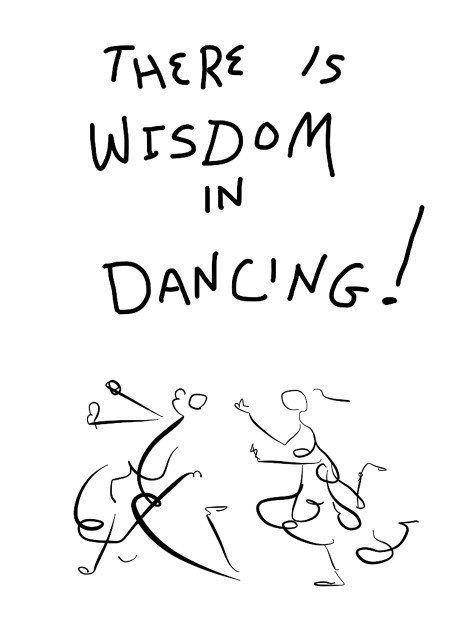
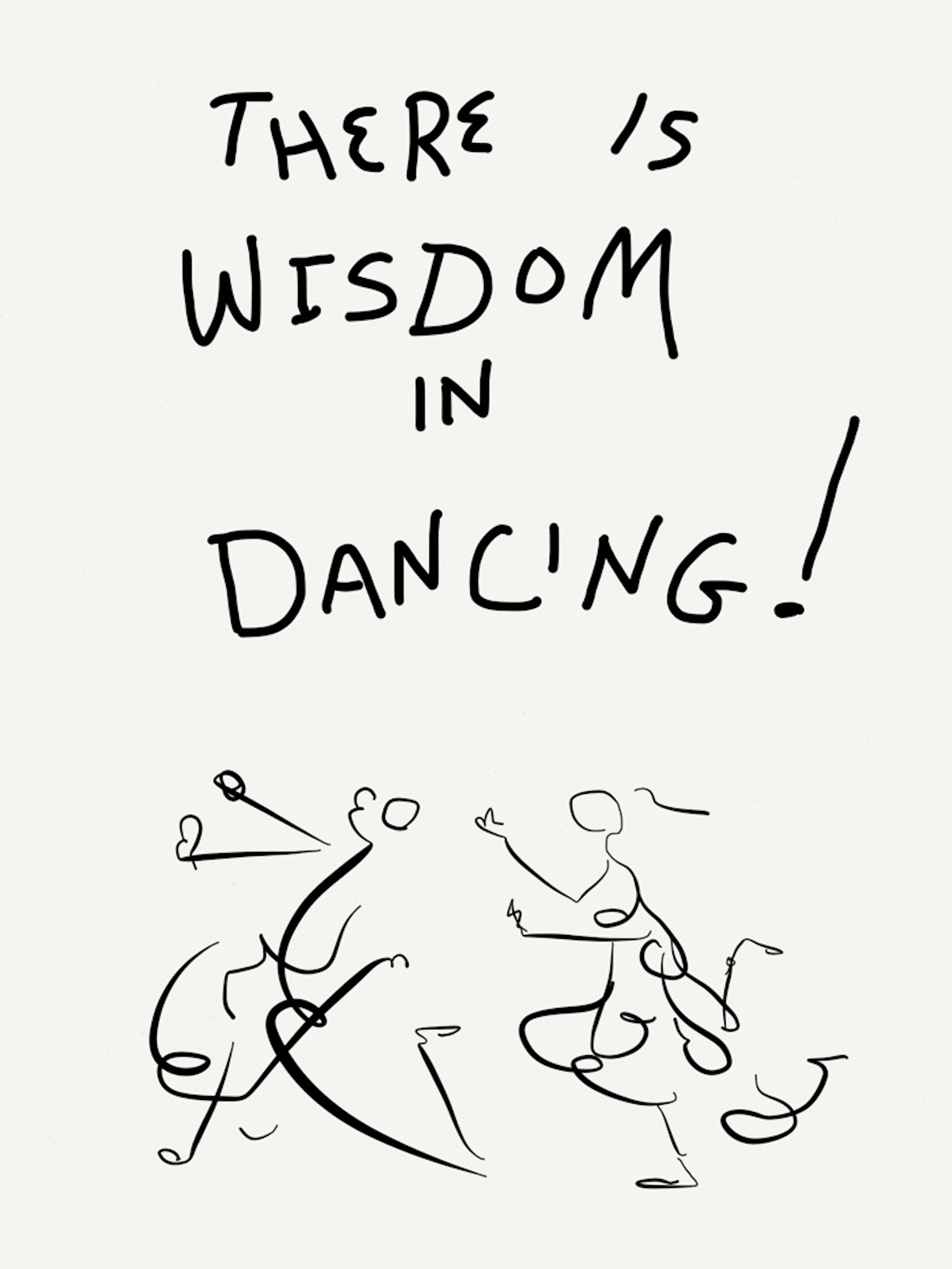
There is wisdom in dancing copy 3

Had you attended our wedding you would have found yourself dancing. Even if you where a committed dance-a-phobe, your limbs would have over ruled your noggin and that deep river of wiggling that flows through us all would have broken through your protective surface layer and you’d have gyrated and twirled. You would have had no choice. The reason is simple. We call her Linda.

Linda is a muse of dance. A maker of enthusiastic merriment. She understands the world through movement. She understands that everything is in constant motion. The earth is moving, dancing. It IS dance and she dances with it. Academics would call her kinesthetic. Invite Linda to even the most stodgy of gatherings and soon everyone will be swaying en route to a raucous Irish folk dance. She knows how to help others dance with earth, too.

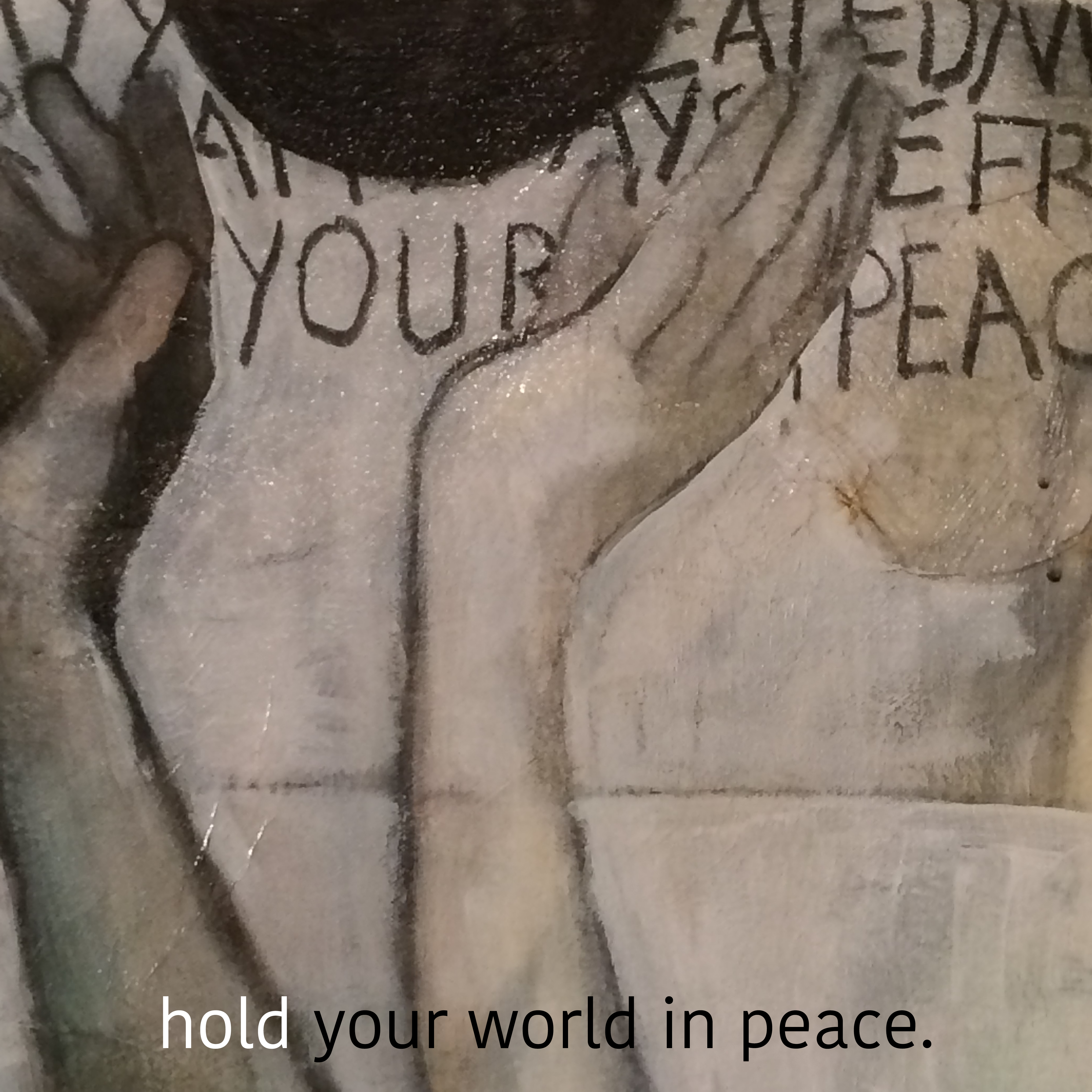
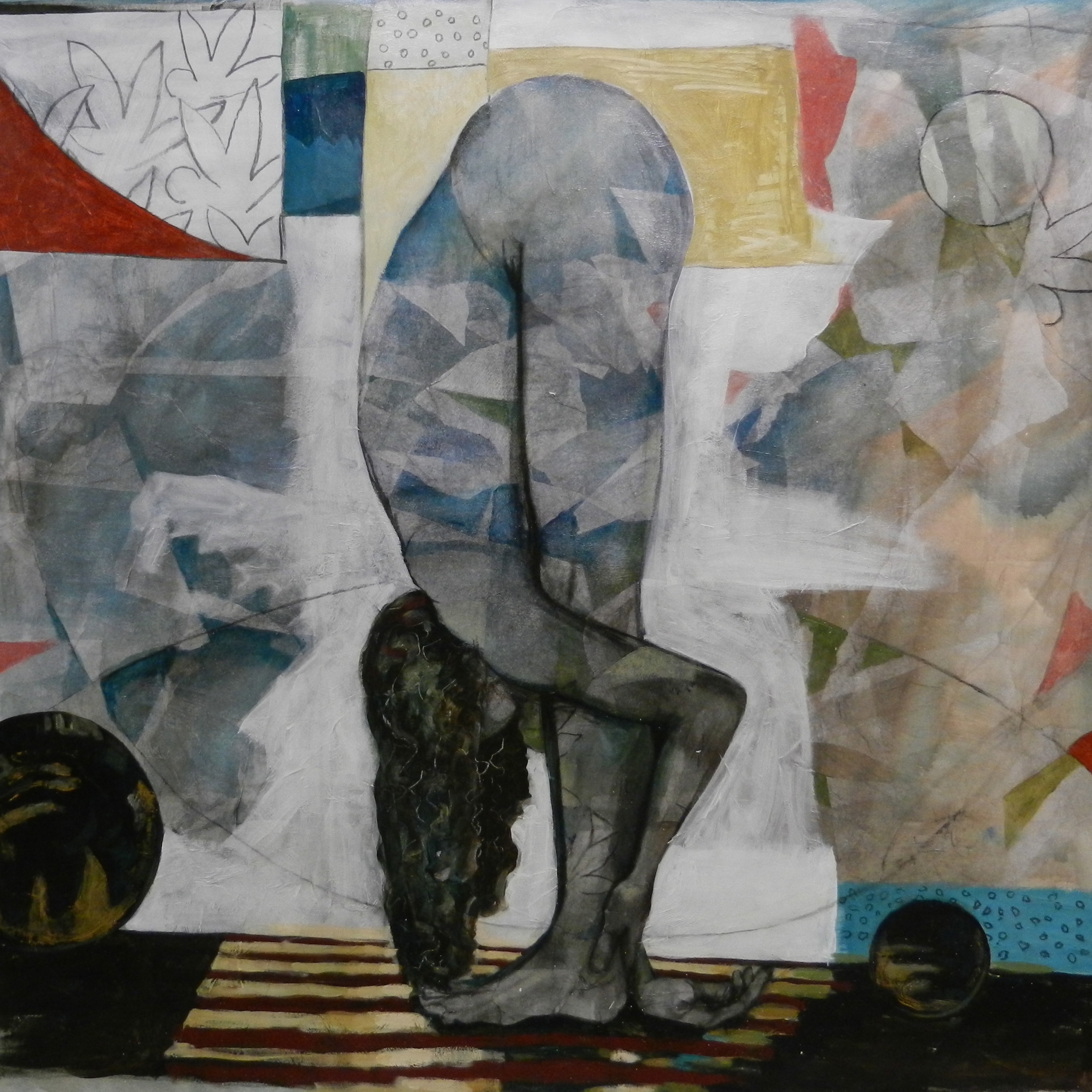
There is wisdom in dancing and it is this: it is only possible to dance WITH others – and deep down everyone wants to dance. And, in the merry motion of common movement comes laughter, surprise, and heaps of generosity. From studio melange on this Two Artists Tuesday, we offer what Linda knows: sometimes wisdom looks a lot like dancing.


THERE IS WISDOM IN DANCING – products we design are sold at society6.com

THIS dance product box jpeg copy

read Kerri’s blog post about WISDOM IN DANCING

www.kerrianddavid.com

there is wisdom in dancing ©️ 2016 david robinson & kerri sherwood

KS Friday

It is one of the great pleasures of my life to be down in my studio painting when Kerri, upstairs in her studio, begins to play. I always stop and appreciate how rich, how utterly fortunate I am. There is more than just music in our house. There is a source, an amazing composer, a gifted musician. She plays like most people breathe and I marvel at the enormity and ease of her gift.

From the melange on this Valentine’s week comes a Slow Dance. It is from Kerri’s album As Sure As The Sun. Friday belongs to Kerri’s music. I am particularly fond of Slow Dance. It is visceral and reminds me of a summer evening, sitting in the adirondack chairs in the front yard, sipping wine and talking. We were listening to music and without really intending it, we began to dance. Fast dances, silly dances, rowdy-run-around-dances, and finally, laughing and exhausted, there came a slow dance. The neighbors still talk about it….


ASATS

Slow Dance from AS SURE AS THE SUN

KERRI SHERWOOD

[a note to consider: the links will by default take you to apple music – apple’s streaming service. With respect to artists everywhere, please consider downloading your music on itunes rather than streaming your music. It requires one additional click. Downloading means the artists get paid for their work. Streaming guarantees that they don’t.]

kerrianddavid.com

Slow Dance from As Sure As The Sun ©️ 2002 kerri sherwood

Dance With Parallax

My favorite word of the week is ‘parallax.’ Horatio pulled it out of the word bin during our latest conversation about art and artistry. We were discussing the difference between what an artist sees in their work and what others see – and how artistic “sight” changes over time. I scribbled the word along with the phrase, “the difference in what you see and what others see. Perspective over time.” After our call I looked up the word in my dictionary:

paral-lax (noun) 1. Apparent change of position. 2. Angle measuring star’s distance from Earth.

Many years ago in a fit of vulnerability I showed my mentor, a great theatre and visual artist, my paintings. I lined them all up for him to see. I followed him around the room as he quietly studied each piece. Finally, after taking in all of my work, he asked, “What’s the meaning of the spheres?” I was dumbfounded and had no idea what he was asking. “Spheres? What spheres?” So he led me back around the room, revisiting each painting, showing me the three spheres that appeared in EVERY single painting.

“What’s with the spheres?” he repeated, knowing that there wasn’t an answer but there was certainly a vast new question. My universe spun a bit that day so astounded was I at my inability to see the unifying principle in my own paintings.

I needed his eyes to see my work. Isn’t that the point?

When I think back on that day, on that younger version of my self, I revisit the fear, the raging vulnerability I felt in sharing my paintings. I feel again the deep doubt I held against myself. I recall the nausea of inviting someone I admired into my house of doubt. I somehow believed that, to be an artist, I had “to know” what I was doing – yet knew with certainty that I had no idea what I was doing. I knew with certainty that he would see through me to my lack of knowing.

And, he did. Thank goodness. “What’s with the spheres?” Such a simple question yet it spun my universe and pitched me through the portal of a new perspective.

I learned that day that artistry has nothing to do with knowing. Life has nothing to do with knowing. Knowing is an illusion, temporary at best. Knowing has everything to do with hiding.

Making a life, as Master Marsh just reminded me, is an engagement with the unknown. It is to have experiences. It is to make meaning of the experiences. If you are lucky, you learn to have the experiences first, and make the meaning second. It is to understand that, in this dance of knowing and not-knowing, sight and blindness, chaos and order, consciousness and unconsciousness, there are no fixed points. There is dance:

dance (noun) 1. An act of stepping or moving through a series of movements.


fine art prints available at society6.com

my original work on zatista.com

Save

Reach Out Of Inner Space

Richard Diebenkorn, Ocean Park #68

Richard Diebenkorn, Ocean Park #68

Several days ago on a muddy trek through the state park, the dials in my brain spun ever so slightly and I had an epiphany. It was an epiphany that I’ve had before which, to some, might disqualify it as an epiphany but for me the important stuff seems to occur repeatedly, a new layer falls off, and I see a bit more each time. Clarity is movement to a core, a simplicity emerging from what used to seem complex. So, I had a repeating epiphany.

Last year I attended The Chicago Art Expo. To my shock and surprise, rather than being challenged and energized, I ran screaming from the building. It was disconcerting. It was disorienting. Rather than having direct experiences with art that opened my eyes or challenged my world, I had experiences with curators who were compelled to tell me why the work had merit. They felt the need to locate the meaning and value for me. There was, in each booth, an art-high- priest standing between me and the experience. In fairness, I often felt that, without the interpreter, there was no experience to be had. It was a mental exercise.

In the grand scheme of things, Art serves a purpose. It carries the common story, the cultural identity. It is necessary, not luxury. In that sense, for it to serve its purpose, it requires no interpreter. When it no longer serves its intrinsic purpose – or there no longer exists a common center – an interpreter (marketer) is inevitable.

As Quinn once told me, “If someone has to tell you that they are good, they probably aren’t.”

Joseph Campbell wrote a book called The Inner Reaches of Outer Space. Art (theatre, visual, dance, music), for me, has deep value when it serves the outer reaches of inner space. It is immediately accessible, touching a universal nerve. It has to reach. Standing in the mud and muck of the park, we took a break by the shore of a lake and listened. The wind moved the trees, the limbs clacked and groaned. Crows chased an owl. The sun warmed my face. A layer fell off and a core came closer to focus.

This is not a diatribe against abstraction. We recently saw a Sam Francis exhibit at The Milwaukee Art Museum that left me in tears. I’ve spent hours in front of a Diebenkorn, one of his Ocean Park series, and I can’t get enough of it. I visit it often, like a pilgrim on a pilgrimage. It moves something deep within me. It speaks to something bigger than me and makes me want to be better and better. Standing before it I feel a part of a conversation of hearts and imaginations and deep space calls. I feel a part of a bigger story.

Dance!

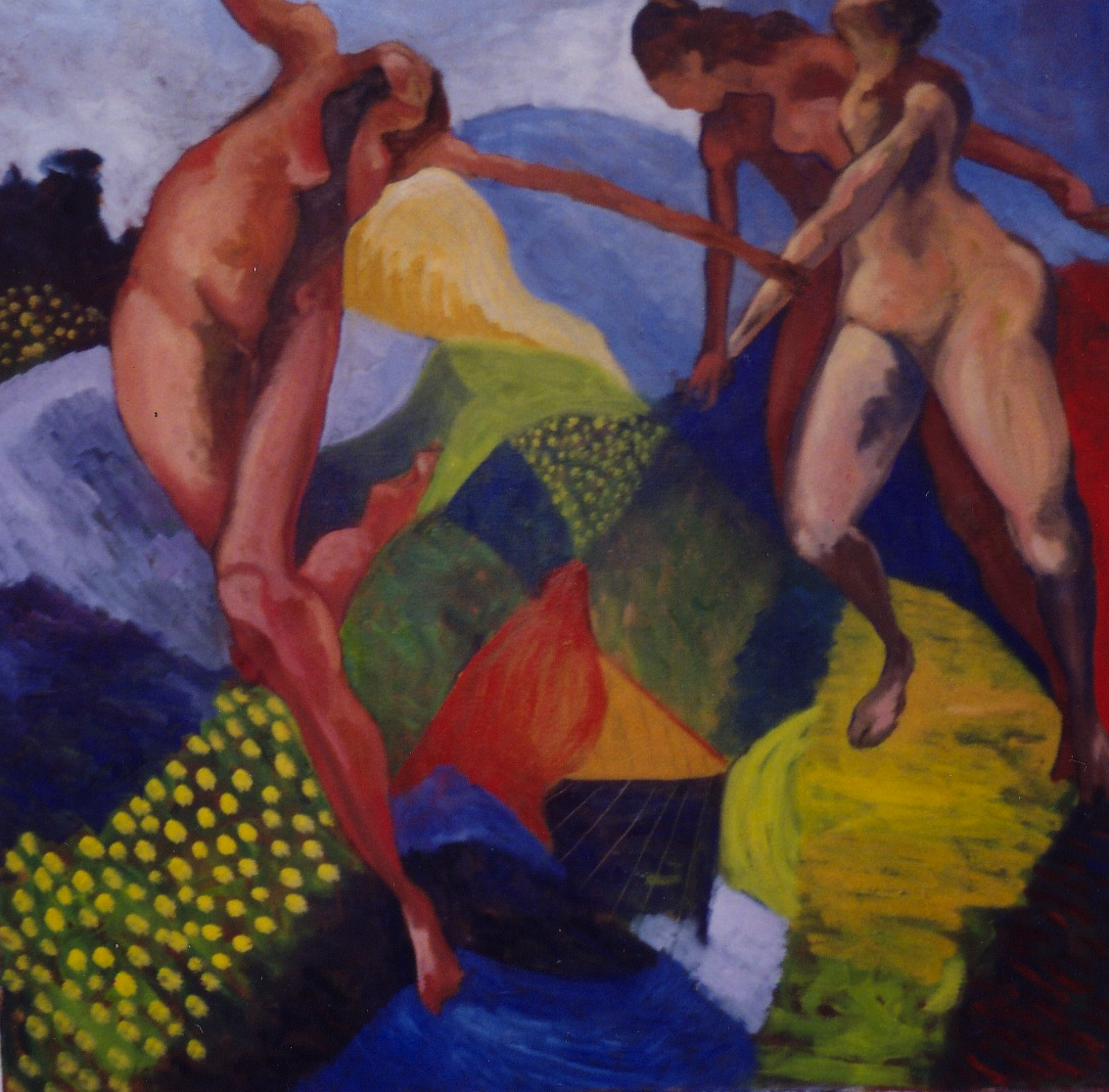
A painting called JOY

A painting called JOY

“A dancer’s body breaks down,” she said, “Painters can paint all their lives. Musicians can play until they are old, but a dancer’s instrument, her body, gives out.”

To be a contrarian I responded, “And then there is Martha Graham. She danced into her 80’s, didn’t she?”

She wrinkled her nose and said, “Not very well.”

The lights dimmed, the movie started, and our conversation ended.

She was, in her youth, a dancer, classically trained. She’d spent the bulk of her adult life teaching and choreographing. And, as she told me, “Those things are all you can do when you can no longer dance. They are what’s left.” Had our exchange not bothered me so much I might have felt sadness for her.

Like an art-mantra, Tom used to say, “A writer writes and a painter paints.” I wanted to say to my seatmate, “A dancer dances.” I thought immediately of Linda who dances even when she is not dancing. She is a riot of movement, joy-in-motion; her need to dance is infectious. Even non-dancers find themselves jigging across the floor when Linda is dancing at the party. I once told her that she is my secret weapon for throwing a successful party.

I imagined my seatmate as a young girl. Before all the training, before the technique and expectations, there was enthusiasm. There must have been joy. There must have been lots of joy. She must have known the world by moving, twirling, spinning in it. Artists – before they call themselves artists – make sense through sound, through scribbles, through spinning. They only way forward in life, the only way to make meaning and to learn, is to scribble more, to engage and translate through movement. Lazy educators write off this imperative as self-expression.

The great artist deathtrap is called technique. It is a paradox. It is necessary. It is a kind of language mastery. It is, at first, a struggle of control. How do you say what you need to say when your language is visual, aural, or kinesthetic? Training is necessary. The path to full expression is always paradoxically through constraints, control of breath or brush. Yet, too often, as is the case with my seatmate, technique replaces the enthusiasm. It can turn joy into judgment. It can make an artist forget their WHY and replace it with a too rigid HOW. It is how artists limit themselves with their artistry. It made my seatmate, a healthy ambulatory woman, believe that she is not capable of dancing.

Later, I told Kerri about my conversation at the movies. She said, “That’s why fewer and fewer people are going to symphonies or galleries. People draw lines. Artists not only limit themselves with their artistry but they also limit access to their artistry.” Joy is infectious. Artistry without it is not very interesting (and, arguably, not artistry).

There Is Wisdom In Dancing

TODAY’S FEATURED THOUGHT FOR HUMANS

There is wisdom in dancing

To restate an old notion: knowledge is not wisdom. And, often times, our reliance on knowledge blinds us to wisdom (for instance, passing a test has little or nothing to do with learning). My mentors taught me that the toughest thing in life to master is relationship. The reason: relationship is at the heart of everything we do whether we acknowledge it or not. Life IS a relationship. Education, business, art, spirituality, leadership, management, self love, economics, agriculture, kindness, gratitude… are all relationship skills. Wisdom is found in the fields beyond your thinking. Get onto the floor of life and dance.

TO GET TODAY’S FEATURED THOUGHT FOR HUMANS, GO HERE.

Dance Without Effort

my mud-slog

my mud-slog

Last night I painted badly and I did it intentionally. I went down into the cool of the basement studio to escape the heat and humidity. A new canvas was stapled to the wall, gessoed and ready to go. I picked up my brushes, squeezed paint onto the palette and began working.

Many years ago I made the switch from oils to acrylics because the fumes were making me ill. It was a happy accident. Acrylics required me to work fast and fast meant I had no time to think. I learned by default that I am a much better artist when I’m not laboring over the details. Sometimes the process feels like an invocation. Sometimes the process feels like a rolling mess that morphs and morphs until the final moment when, like focusing a telescope, the image becomes crystal clear.

My paintings are generally big. They demand a full-body engagement, painting-as-dance. I know I am working well when I lose track of time, when the dance overtakes me, and the line between painting and painter disappears. It is pure magic: a place free of thought-obstacles.

Last night there was no magic. When I was younger the slog sessions would depress me. I believed I had to have magic all of the time and felt despair when, instead of magic, I danced knee-deep in mud. It took a long time for me to appreciate the necessity of the mud dances. Painting badly is, of course, necessary to paint well. In fact, I now know that there is no such thing as painting badly just as there is no such thing as perfection. Saying more with less is a life-long learning process for all artists. Freedom of expression is a yoga, a practice. It has as much to do with muscles as it does with minds. It is a yoga of brevity. It is as efficient as breath. It is a paradox of stepping out of the way so that you can fully step forward.

I once saw an exhibit of the hundreds of sketches and studies John Singer Sergeant did before painting El Jaleo. I loved it. He drew the same thing over and over again. He painted again and again the smallest detail. He was putting the image into his body. He was teaching his muscles to flow without tension. The finished painting (the last thing in the exhibit) was thrilling. It is a celebration of brevity, free motion without mental intervention. It made me dizzy. It made me cry because I knew how devoted he was to his practice to say so much with so little. I knew how many hours of effort it took for him to dance so effortlessly.


Move Your Words

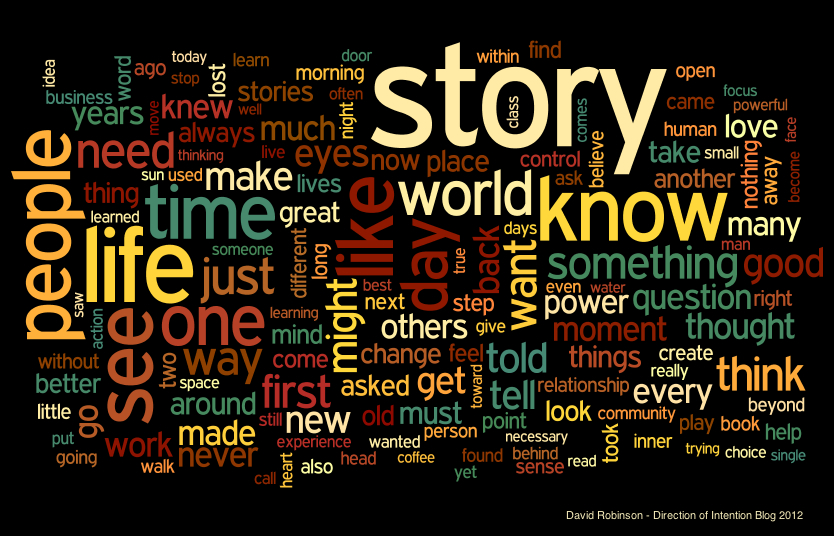
My friend, Mark, made this Wordle of my blog

My friend, Mark, made this Wordle of my blog

I am working with words again today but in another aspect entirely. Now that The Lost Boy has the minimum funding necessary for a production I am working on the play in earnest. Tripper Dog-Dog-Dog cocks his head and wrinkles his brow in wonderment as I talk to myself or dance the words. Sometimes he confuses my work method as an invitation to play and he leaps, catching the cuff of my shirt and pulls me to the ground. “Not now!” I cry out as Dog-Dog stretches my sleeve so that it might fit a giant (a side note: Dog-Dog has altered all of my shirts – he regularly mistakes my work for play. If I do not roll them, my shirt sleeves look as if I am small child wearing an adult extra-large).

I am a kinesthetic learner and realized years ago that working on a script was easier and more productive if I moved or danced the words as I worked with them. To borrow a phrase from a lost friend, my years at school were “fresh hell” because sitting in a desk was painful, it hampered my learning. If I want to have an insight or gain an understanding of something, the best thing for me to do is take a walk. If I move it, I can break down a script in no time. I can memorize anything if I can physicalize the intentions. For me, language, word use, and sense-making are a physical affair.

It is a physical affair for everyone. Try to speak without breathing (an impossibility); breath is movement. Speech is physical. For a real laugh, try to communicate without gesturing. Limit your movements and you will inhibit your capacity to communicate. For more fun, Google the latest statistic about how much of our communication is really non-verbal (we primarily read body language; listening to what is being said is a distant second). The deep mastery of a storyteller is found, not in the words, but the punctuation of a moment: the turn of the head, the intake of breath, the smallest of gesture, the connection made through the eyes; the fire of imagination is fanned when the storyteller, no matter how subtle, dances the story.

Last night I was reminded again of the power of language – the real kinesthetic of it. B is disturbed by the violence and darkness she sees in the world and asked, “How do we push back on it.” I challenged her verb. When we choose our language we also choose a “metaphor path”. Language choices come with images and images are not passive. They define what we see. They define the available options. They are a root for movement. To push back is a verb of resistance. It is counter force, a choice of aggression. “Why push against what you don’t want?” I asked. “Why not put your energy, effort, and imagination into creating what you actually want?”

To push. To create. Which verb will move you?

title_pageGo here to buy hard copies (and Kindle) of my latest book: The Seer: The Mind of the Entrepreneur, Artist, Visionary, Innovator, Seeker, Learner, Leader, Creator,…You.

The PoetFor fine art prints of my paintings, go here.

Dance With Sherry

A painting from the archives. I call it 'Revelry!'

A painting from the archives. I call it ‘Revelry!’

Sherry was killed in a car wreck many years ago. It was ironic. She had a severe food allergy and was pronounced dead more times than she could count. Every time she went out to eat she rolled the dice. And, because she had been back and forth over that dark line so many times, she never took a day (or a meal) for granted. Death walked with her so she was awash in the appreciation of life. Sherry never missed an opportunity to laugh or dance or shock people. She was a one-person party and her enthusiasm was infectious.

She was a true friend and a colleague and took the plunge with me when I wanted to start a communications academy (teaching core curriculum through experiential processes; with students we made movies, plays, performance art pieces, poetry slams and ran businesses. It was not only a blast but hugely successful. We created things as opposed to studied things. The only trouble I ever had was getting the students to go home). Initially, the academy was a risk but she was quick to throw herself into the chaos and brought her friend Linda kicking and screaming with her. Both were extraordinary English teachers looking for a better way to teach. We were like adventurers in the wilds of education, blowing up old models and exploring new territory. It would be impossible to do today; innovators are nailed to the floor by the standardized master-tests that they must serve.

The last time I saw her she said, “This is the last time you’ll ever see me!” She had a Cheshire grin and I protested, “Why? Are you planning on avoiding me!” She leaned in so no one else might hear and said, “I doubt I’ll be alive when you come back.” I told her not to be stupid but, as usual, she was right. She also asked me to not come back for her funeral. “Let this be our goodbye,” she said.

Kerri and I have been cleaning out the house, purging years and years of boxes, clothes, and…stuff. We are making space for new things. Each load that goes out the door is matched by an opportunity or insight that flows in. Not only are we cleaning out but we are reaching back in time and visiting old friends and extraordinary moments. More than once we’ve sat to share photographs or letters, “This is what I used to look like,” or, “Remember I told you about my friend…., this is us 20 years ago.” For some reason, Sherry has been with me today. I have no photos of her and no letters but I have terrific memories. I’ve been meditating on joy all day and she was the embodiment of joy. She was the queen of mischief and bold leaps of faith. “Life is never sure!” she’d giggle. “You only have today so dance it or get off the floor!” she’d shout, punching me, her Cheshire grin breaking across her face before erupting in gales of laughter.

title_pageGo here to buy hard copies (and Kindle) of my latest book: The Seer: The Mind of the Entrepreneur, Artist, Visionary, Innovator, Seeker, Learner, Leader, Creator,…You.


Yoga.MeditationGo here for fine art prints (and other stuff) of my paintings.

Catch A Glimpse

741. Join me in inspiring truly powerful people. Each day I will add a new thought, story or idea to support your quest and mine.

Deep in the alcove of the side entry to an old building lurked a man wearing a faux bear hat and a too big worn out raincoat. He was doing a slow dance, in invocation and I stopped to watch him. Our eyes met for a moment, just long enough for me to know that he did not mind my witness. His slow pushing and pulling of the air seemed out of joint with the pace of commuters racing to get somewhere. This man seemed to come from another era. He was not of the city; his dance was a nature dance. After a while I left him dancing in his alcove.

I passed a family hunkered down in a doorway. They were tourists. They were dressed for Florida and seemed surprised that it was cold in Seattle. They were confused by the rain; their map of the city was dissolving into mush. “What do you want to do now?” the father asked his kids, trying to buoy their wet spirits. There was no reply. They wanted to be warm. “How about finding that glass blowing place?” he asked.

As I crossed Pioneer Square I saw, laying near the memorial to firefighters, an empty jacket, pants, socks and shoes. It was as if someone had lain on the ground and disappeared, leaving their clothes behind. I wondered if this was the work of faux bear hat man. No one else seemed to notice so I walked on.

A man stepped in front of me and asked if I was up to doing a good deed today. Then, he asked me for a quarter. I imagined he must be a genius marketing executive gone destitute. As it turned out I was up for a good deed this day and thought his ask was too low so I gave him all of the change in my pocket. I had a lot of change in my pocket. He looked at me like I was a slot machine when I handed him a fist full of coins. He smiled when I said, “Great pitch!”

Worlds collide. I once saw Stephen Hawking talk about multiple universes, like bubbles that sometimes brush against each other. In those moments of bubbles touching, we catch a glimpse into the reality of the other universe. Today it seems that we are, each of us, a bubble universe. How else can I explain these strange and wondrous glimpses?