Look The Other Way

notalone-jpeg

I am working on a project that requires me to read through a passel of old emails. I find myself cringing every time I read my former email address. It was the name of my business. It made sense to me at the time I used it. Now it seems like a little chunk of hubris. david@trulypowerful.com. Yikes.

I came to the name honestly enough. One day while facilitating a workshop with a group in Chicago, we bumbled into a conversation about power. I was surprised to learn that I had a lot to say about power, both personal and communal power. My contention was that people most often confuse control with power. They feel powerful when they feel in control and, in fact, true power is the opposite of controlling. The investment of someone who is truly powerful is to empower, not to control. Think about the best teachers, managers, leaders, or friends that you know. Their commitment to you is to help you grow and learn, to become the most powerful person you can be. Unless you are trying to control them, your commitment is the same: to empower them. The same ideal is at the epicenter of any good relationship, work or otherwise.

Discerning between control and power – not always an easy task – was the guide star of my budding business. The study of power over others (controlling) versus true power (power created with others) – that’s how I arrived at the moniker Truly Powerful. I believed that, with awareness, change usually soon followed.

There is a growing list of words that once had potency for me but these words have been so overused, over-applied, or misused that they are now fairly meaningless: paradigm, paradigm shift, story, transformation, purposeful, presence…power, personal power. A few years ago my move from Seattle to Kenosha prompted a life inventory, a deep gander at my motives and motivations. Being a lover of words and believer in the power of words, I paid careful attention to the words I used to define my self and my work. They seemed a façade, a skin that needed shedding. I have called myself life-coach, facilitator, teacher, director-of-plays, performer, artist, and, no matter the word I applied, I felt I had no business assuming I knew or understood any other person’s route to power, personal or otherwise.

In workshops I often used to say, “You are not broken, nothing needs to be fixed,” and I wondered who I would be – and what I would call myself – if I actually believed that about myself and others. Nothing is broken. Nothing needs fixing. A remarkable thing happens when we assume wholeness instead of brokenness. Like a time-lapse camera focused on a busy urban street, the coordination and synchronization of individual movement becomes apparent. We are much more connected than we realize. Look for wholeness and you will see wholeness. Look for connectedness instead of individualization and all the power, fulfillment, purpose and transformation you desire will become available to you.

I also used to say (and still do), “No one creates alone.” No one walks this path alone. No one is powerful by themselves. Power and fulfillment are group sports. Whether we experience it or not, whether we see it or not, truly powerful is a given.

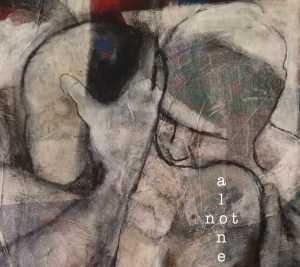
The second in my Held In Grace series: Surrender Now

The second in my Held In Grace series: Surrender Now. The original is available at zatista.com

art prints/bags/cards/notebooks of this image
screen-shot-2017-01-17-at-2-36-19-pm


Find The Way Home

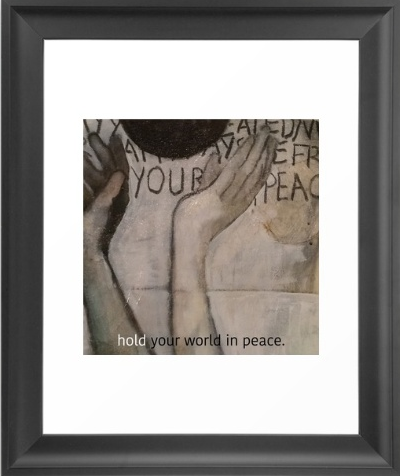
holdtheworldinpeace-lowerfontcopy-jpeg“Our search for truth must be wide open, even when it takes us in directions we preferred not to go. This is the difference between propaganda and truth. Propaganda has a certain end in mind, and so it marshals and manipulates the ‘facts’ to support its conclusion. Truth weighs evidence, seeks proof, is appropriately skeptical of authoritarian claims, welcomes questions, and doesn’t fear dissent.” Philip Gulley, The Quaker Way of Living*

Kerri and I often read books aloud to each other. On cold winter days we sit beneath a blanket, Dog-Dog at our feet, BabyCat snoring by our side, sip coffee, and read. We like to discuss and compare perceptions, ask questions, and re-read passages for clarity or the simple poetry of the language. Sometimes we savor a book, moving through it slowly. Sometimes we devour a book and go back to reread especially potent sections.

Propaganda resists close inspection and must continually be defended. Truth welcomes doubt and skepticism; indeed it is best served by questions, suggestions, and corrections.”

I am guilty of burying my head in the sand. My move to Wisconsin came with an intentional unplugging from the news. I was tired of pundits shouting each other down. I was weary and wary of conversations with family and friends that seemed to be territory-guarding regurgitations of our news-channel-of-choice. I was using the language given to me by my news sources and rolled my eyes at the predictable language leveled by the “other” side. One day as I raged at family members to pay attention to how they were being manipulated by their news source, I thought that it was probably a good idea for me to do the same. At the time, unplugging, stepping out of the toxic stream, seemed the only option to clear my mind.

The search for truth begins within the seeker, for if we are not honest with and about ourselves, we will find it impossible to be honest with and about others.”

On a recent trip to Indiana, Bill and Linda suggested a book for us, The Quaker Way Of Living by Philip Gulley. They read it with their church group and found it compelling, especially given our corrosive political climate and collapse of civil discourse. We bought it when we returned home and a few days ago started reading it together. We couldn’t put it down. It asks some powerful questions. It doesn’t pretend to have answers [that, I’ve learned, would be the antithesis of the Quaker Way] but it does speak directly to the quandaries of personal and communal integrity in a climate of self-righteousness, blame, and distrust. It is hopeful and funny and places the onus of creating a better world squarely on the shoulders of each and every one of us. It reminded me that burying my head in the sand is not very useful while also affirming that their are options beyond planting a flag in the sand.

“To say a person has integrity means several things. Most commonly, we mean the person is honest, that his or her word can be trusted…. But there is another level of meaning that has to do with the integration of our values and lifestyle. In that sense, to say we have integrity is to say the separate parts of our lives combine to form a unified whole. What we believe is consistent with how we live. Our beliefs influence the work we choose, the way we use our time and spend our money, the relationships we form and the goals to which we aspire. This integration is critical for inward peace.”

While reading, I’ve been thinking a lot about a conversation I had a few years ago with Jim Marsh, one of the people I most admire in this world precisely because he walks his talk. He told me of an issue in his community that had deeply concerned him and that he’d been grousing about for long time. One day he’d had enough and to move forward he recognized that he had three options: First, to stop complaining (he said, “to just shut up.”). Second, to move away. Leave. Get away from the source of his irritation. That didn’t seem like a healthy option. The third was to strap on his boots and do something about it. To act instead of complain. But, (and here’s the reason why I adore him) not to act against, but to work to create what he wanted. His responsibility was not to fight or resist. It was to create.

“We preserve our integrity and wholeness when we are aware of what threatens it and then choose to act deliberately and prudently when tempted. When we fail to do this, we disintegrate, creating a chasm between who we are and who we wish to be.”

I practice tai chi and had the good fortune to have, for a few years, a master teacher, Saul, whose teaching transcended the specifics of tai chi. He was teaching me how better to live. One day, while I was in a fit of resistance, he quietly showed me the power of looking beyond my “opponent” and placing my focus, instead, in the field of possibility. I understood (intellectually) that the opponent was always of my own making and my dedication to having an opponent (inside or out) would always pull me off balance. In other words, as long as I invested in resistance I would always pull myself off balance.

“Integrity isn’t conditional…There is a seamless nature to integrity that transcends situations and relationships. Integrity does not present one face in public and another in private. It delights in transparency, having nothing to hide.”

Now, with my head freshly out of the sand, I understand Saul’s teaching beyond my thinking (I’ve had a lot of time to meditate on things with my head in the sand) and, taking my cue from Jim, I recognize that I have three options but only option-number-three holds the promise of integrity. The best news: no one creates alone…

*all quotes in this post are from the chapter on Integrity from The Quaker Way of Living by Philip Gulley

screen-shot-2017-01-13-at-4-42-11-pmprints/bags/mugs/cool stuff

kerrisherwood.com

THE WAY HOME on itunes – Kerri Sherwood-Track 13 on THIS PART OF THE JOURNEY

Save

Save

Live Your Metaphor

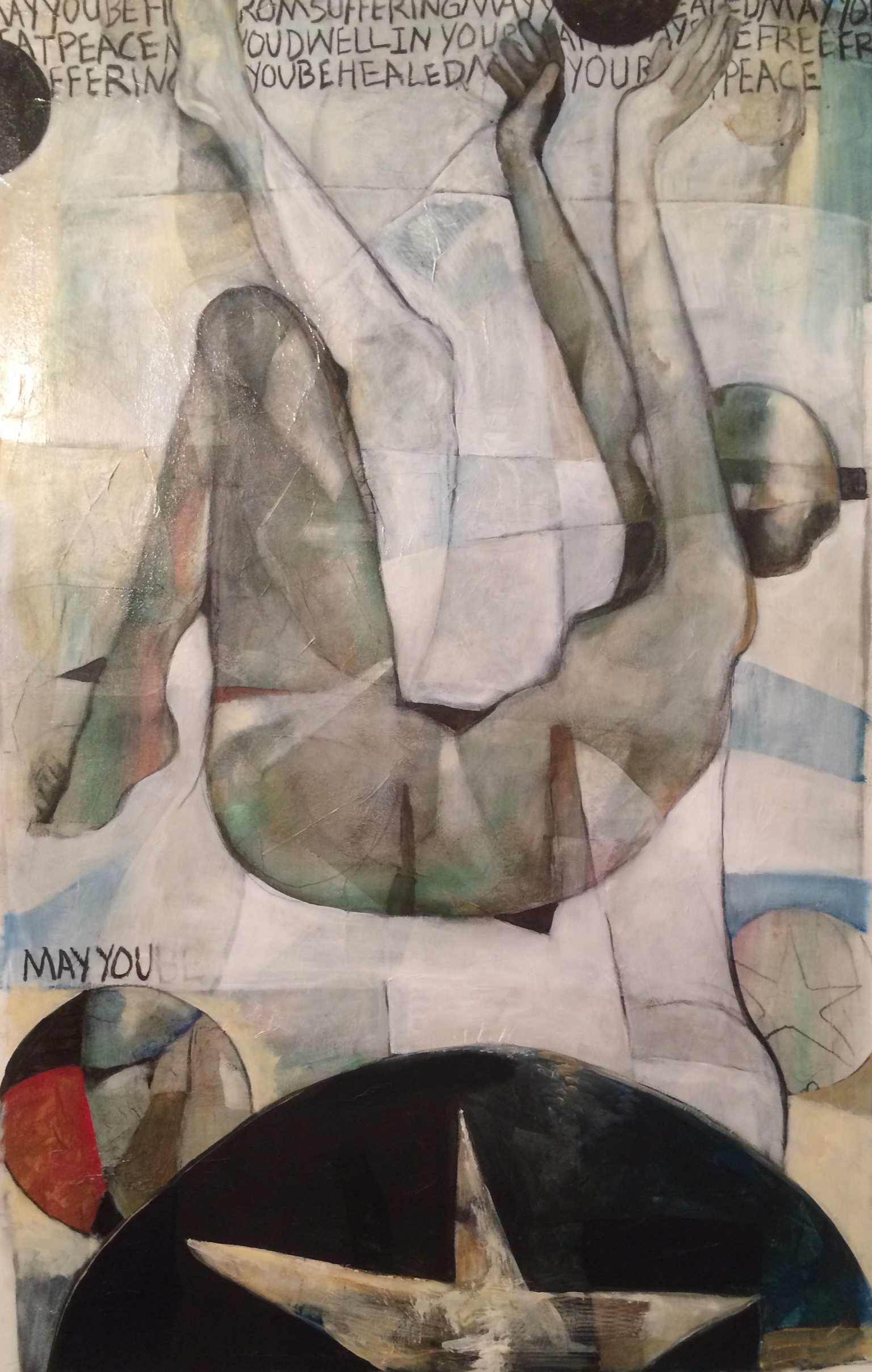
2mayyoubepeace-jpegA view from 30,000 feet (a meditation on metaphor):

Joe used to say that the universe tends toward wholeness. “Tends” is a precarious word of movement, like a tree that leans. Still, to me, Joe’s sentiment – his metaphor – is hopeful. He might have said that the universe tends toward confusion.

Chris and Janelle are starting a new theatre company, The Seadog Theatre Company. They are dedicating their work to exploring stories of alienation and reconciliation. Both alienation and reconciliation are words of movement. The first, alienation, is a movement away from wholeness (toward confusion?). The second, reconciliation, is a movement toward wholeness. Push away. Reach across.

Chris and I agree that all stories, from the deepest mythology to the most whimsical lampoon, are explorations of alienation and reconciliation. It is the human journey, it is humanity’s journey. It is the human experience. Journey is a word of movement, from here to there.

The Big Bang is science’s great narrative of alienation and reconciliation. Out of nothingness (formlessness) in a violent explosion of energy, all forms took shape. Stars, meteors, planets, atoms and oceans and daisies and Dog-Dog. Energy expressed in form. And then, so the narrative goes, form returns to energy. Like the tides going out the energy of the explosion will eventually turn, exhausted, and fall back toward the center in the Big Merge.

The eye blinks open, a universe comes into being. The eye blinks closed, a universe disappears. The tide comes in. The tide rolls out. It’s a cycle of movement. Metaphor.

“Your words are alienation and reconciliation,” I wrote to Chris, “mine are separation and unity. Same thing, yes?”

I’ve never been comfortable with religions because they often claim their metaphors as fact – and that freezes movement. For instance, Adam and Eve were Big-Banged out of the Garden of Eden for eating an apple from the tree of knowledge. One bite of the apple blew their minds open to differences. Separation. It is the experience of birth into this whacky world of duality and confusion. And just like all the stars and planets and oceans and daisies of the field hurtling through space and time, it is a story meant to help us seek wholeness as we stride though this field of opposites.

The universe may tend but we can intend. We can create. We can choose. We can point our ships toward alienation, we can cleave our world into us-and-them, run in fear and separation. Or, we can make conscious our stories (as Chris and Janelle intend in their theatre), we can walk the middle path (a potent metaphor), and recognize that the separation is at best temporary and arbitrary. Like the stars and planets and oceans and daisies, we will also exhaust the force of our explosion into form and fall back into the Big Merge.

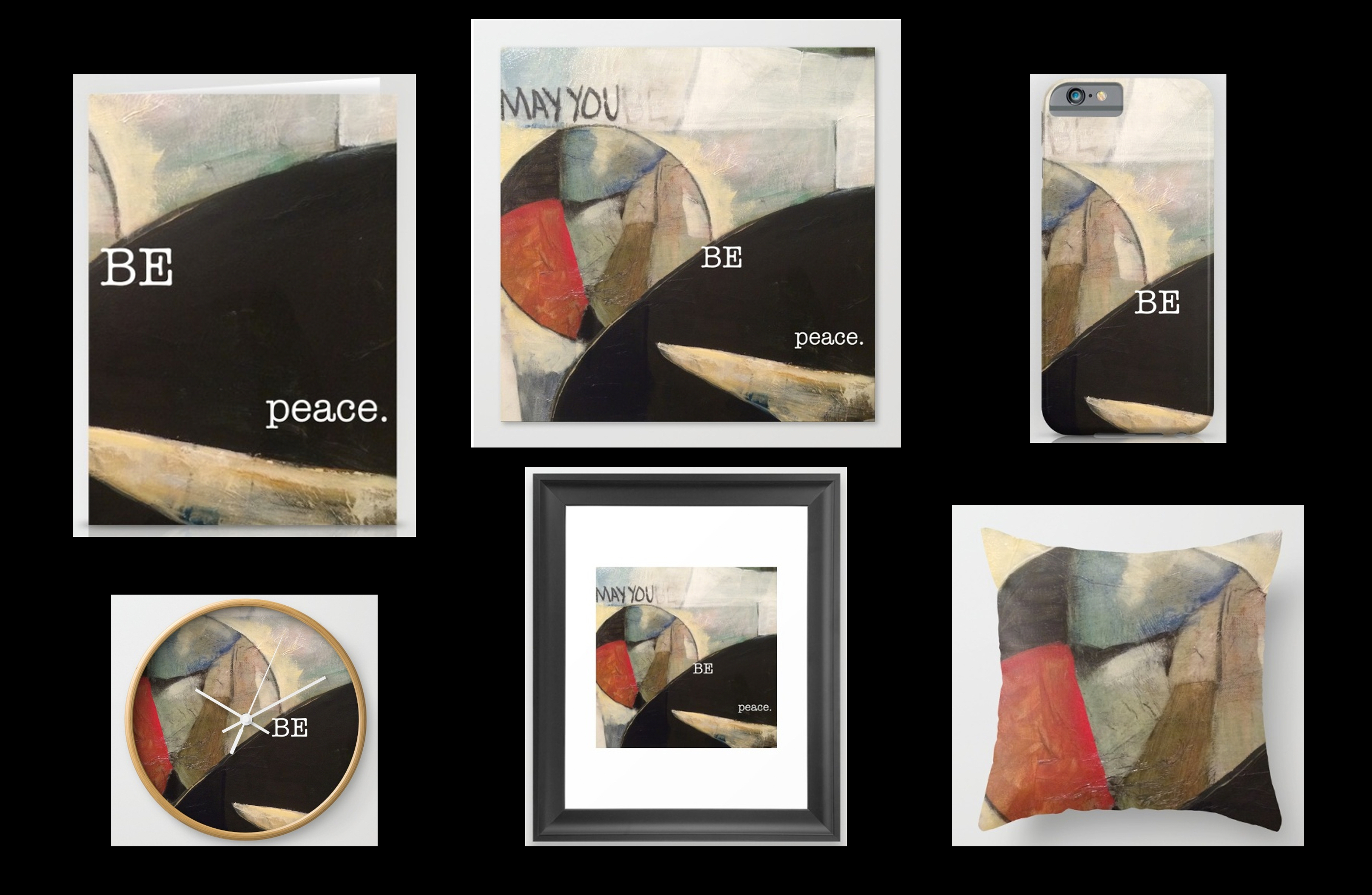
products-may-you-be-jpegcool stuff like prints/mugs/pillows/cards/iphone cases/clocks


Peace.

kerrisherwood.com

PEACE on iTunes:  kerri sherwood – track 5 on AS IT IS


Save

Save

See Your Angels

angelsallaroundyou-jpeg

Products with this and other images available at society6.com

One of my favorite rituals is the reading-of-the-calendar on the last day of the year. It is no ordinary peruse through an ordinary calendar. Kerri, every day, writes in her calendar the events, the important calls, the amazing sightings, the simple and the profound moments. The day we first spotted the owl, the ice circles in the harbor, the generosity of the clerk at the store; they find a spot in the calendar. The tough stuff is in there, too. It is a habit she picked up from her mother. Calendar-as-diary. With a hot cup of coffee and nothing but time, we read through and talk about the days of our life.

It is probably not surprising that our most common exclamation is, “I’d forgotten about that!” I’m always amazed at how many of the years happenings are lost in the stream of time. The review not only helps me remember but also refreshes my appreciation for all that we navigated, discovered, survived and created in a mere 365 days.

At our gathering that night I laughed when Mary Kay told us that she dislikes New Year’s Eve because it always makes her feel as if she hasn’t done enough. I recognized Mary Kay’s disdain because earlier in the day I’d levied the same judgment against myself. The ritual reading of the calendar put my self-judgment to rest. After reviewing all that we’d done in a year, Kerri looked at me (tired of hearing my endless self-criticism) and asked, “Now, doesn’t that give you a greater respect for what we’ve done?” Yes. It did.

Although we didn’t say it this way, we told Mary Kay and Russ, Linda and Jim, John and Michele that they had made it into the calendar. This year was tough for us and when I was ill, when things were going badly, they brought us food, they offered to carry some of our load, they showed up to shovel our walks. So, rather than thinking of the year as bad, in our ritual we read about year of generosities extended to us.

Mary Kay said, “But that was nothing.” Kerri responded, “That was everything! It changed our world.” We were reminded in our ritual that the world is changed for the better everyday, not by the grand gesture, but by the small things, the passing kindnesses. From the point of view of the doer, they are often too tiny to remember. From the standpoint of the receiver, they are monumental. Opening a door can change someone’s day. And who knows how far a kindness-ripple will travel?

From the archive: 'Angels At The Well.'

From the archive: ‘Angels At The Well.’ This painting is available at zatista.com

Fun products featuring details of my artwork are available at society6.com.


Save

Save

Save

Save

Save

Do Anything Else

sharpersquareinstrofpeacewordsonlyjpeg

It occurs to me now that all along I’ve been asking irrelevant questions. Or, perhaps framing my questions too narrowly. For instance, years ago I went to graduate school to study systems because I wanted to follow a question that reached deep into my life and identity as an artist: can a mythology be rekindled once it has died? Art, after all, is one of the primary life-keepers of a culture’s story and the beating heart of the story is its mythology. And, according to all indicators, our mythology is mostly dead [as Joseph Campbell said, for evidence of our mythological demise, all you need to do is look at the news]. So, the younger version of myself wanted to understand the purpose of my life as an artist if, indeed, I was in service to a dead mythology. Heady questions, yes? Relevant questions?

In the early 1990’s I was invited to a photographer’s studio to see the “newest thing” in photography. The photographer had a new “program” called Photoshop. Before my eyes he “photoshopped” me into a picture, a place I’d never before visited. Today, all of this seems commonplace. Now, any 5 year old can manipulate an image but at the time a photograph stood for proof that something had actually happened. A photograph could not lie. It was evidence of truth. That day, standing in the photographer’s studio, I realized that the old reliable anchors for truth no longer existed. What was our anchor?

The truly significant events in our lives rarely come in with a roar.

We’ve been hearing a lot lately about fake news – as if this was a new phenomenon. It brings to my mind a terrific book written in 1985 by Neil Postman, Amusing Ourselves To Death. Here’s bit from the first page:

“Our politics, religion, news, athletics, education, and commerce have been transformed into congenial adjuncts of show business, largely without protest or even much popular notice. The result is that we are a people on the verge of amusing ourselves to death.”

I suppose fake news refers to something wholly concocted but I’d argue that when news agencies pander and promote themselves to conservative or liberal viewpoints, when ratings drive content, it’s all fake news. News with an agenda is…not news. It is, however, dangerous to a democracy and no longer free (as in free press, a cornerstone of our democracy). Historically, newspapers have always had a point of view but there was some attention paid to what was printed as news. Opinion was confined to an editorial page. When the line between true and concocted is blurred, when a populace cannot discern between entertainment and substance, it no longer has the capacity to make sound (read, “informed”) judgments. Worse, it is gullible, gossip-eaten and infinitely manipulate-able. It is, as Neil Postman wrote, entertaining itself to death.

I recently wrote about the absence of recognizable communal anchors (mythology) and the dangers of a community with nothing but the soft soil of belief and opinion as its driver. Is planting a personal-truth flag and defending its territory all that is left to us?

What else can we do? Now, there’s a relevant, open-ended question! Roger once told me that he would never be able to understand suicide. He said something like, “In that moment, rather than take your own life, why not do anything else? Why not make any other choice?” Another relevant question!

What else can we do? In the face of our own entertainment-driven suicide, why not do anything else? Turn off the blather, go outside, meet your neighbor, tell stories of your children or your ancestors. If common ground can’t be found it can certainly be created. Inhabit something bigger than opinion. It’s less entertaining but certainly more useful. Great art – no matter the form- lives in those bigger fields.


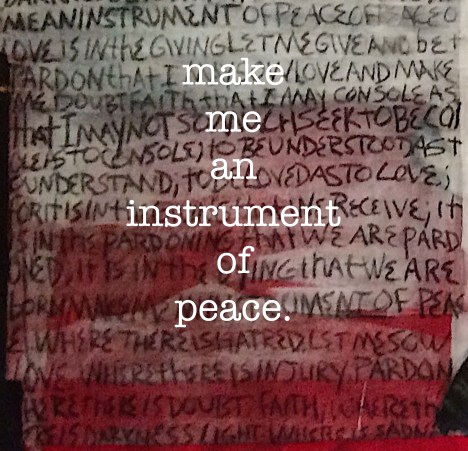
MAKE ME AN INSTRUMENT OF PEACE – GIFTS

to kickstart your peace, listen to this:

for PEACE on iTunes, go here (track 5 on the album AS IT IS)

Save

Save

Save

Save

Save

Save

Save

Listen To Randi

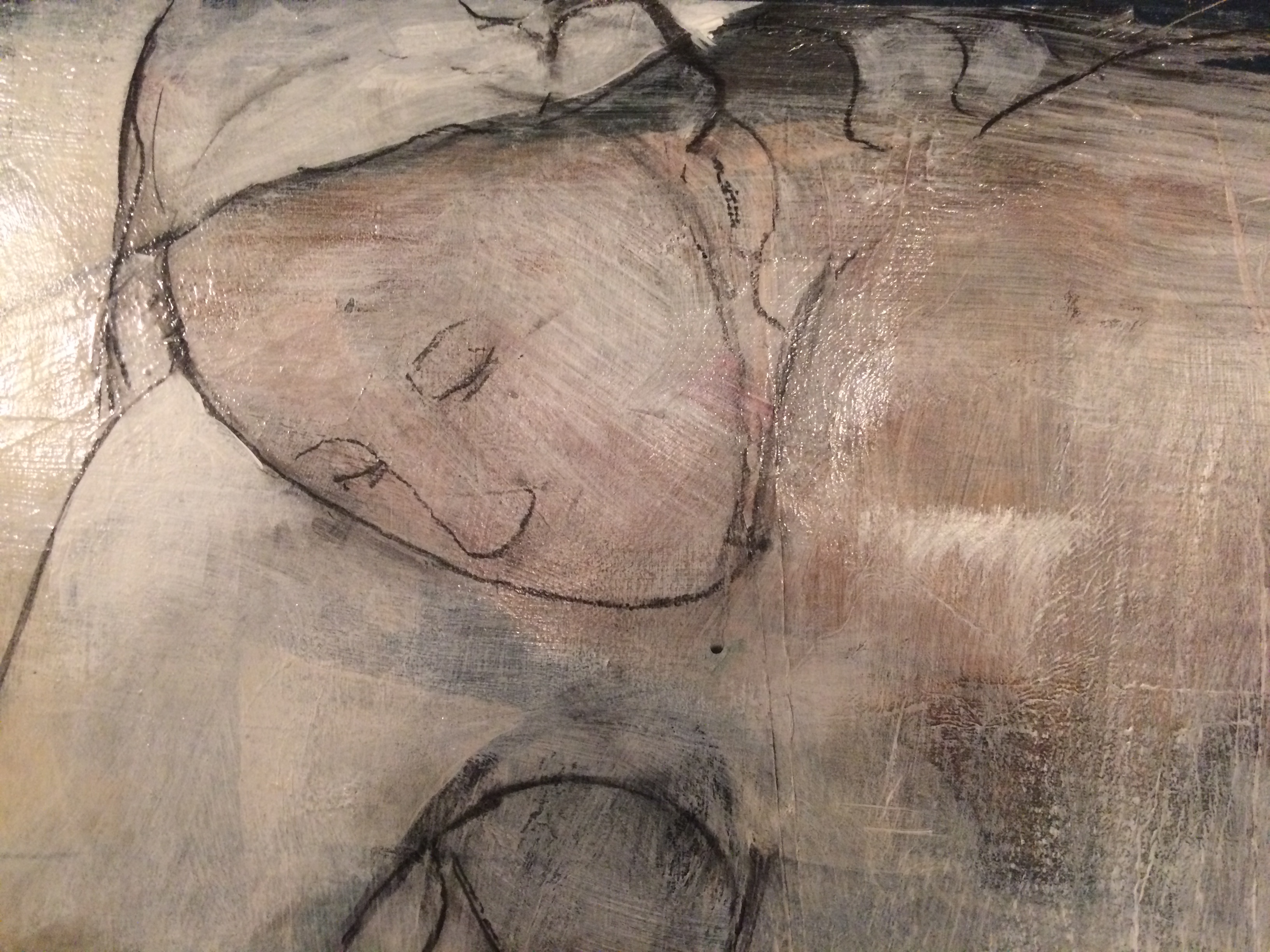
a detail from my latest painting in progress

a detail from my latest painting-in-progress

Randi is wise. Though, like all truly wise souls, she is completely unaware of her wisdom. She knows that she takes great delight in learning new things. She knows that her curiosity is boundless. She knows beyond the platitude of the sentiment that each new day is an opportunity to renew. Each new day is a step into unknown territory and, for Randi, there is no sense in taking timid steps. There is no sense in trying to make the day fit into a preconceived “normal.” There is no sense in watching the dance. Dance!

She squeals with pleasure when she hears a word used beautifully. “I am a lover of words!” she exclaims. She knows that words are powerful and when used beautifully will define beautiful experiences. She uses her words to define life beautifully. And, because she understands the power of words – and the brevity of life, she also understands the imperative of telling others what they mean to her. She has no problem expressing love.

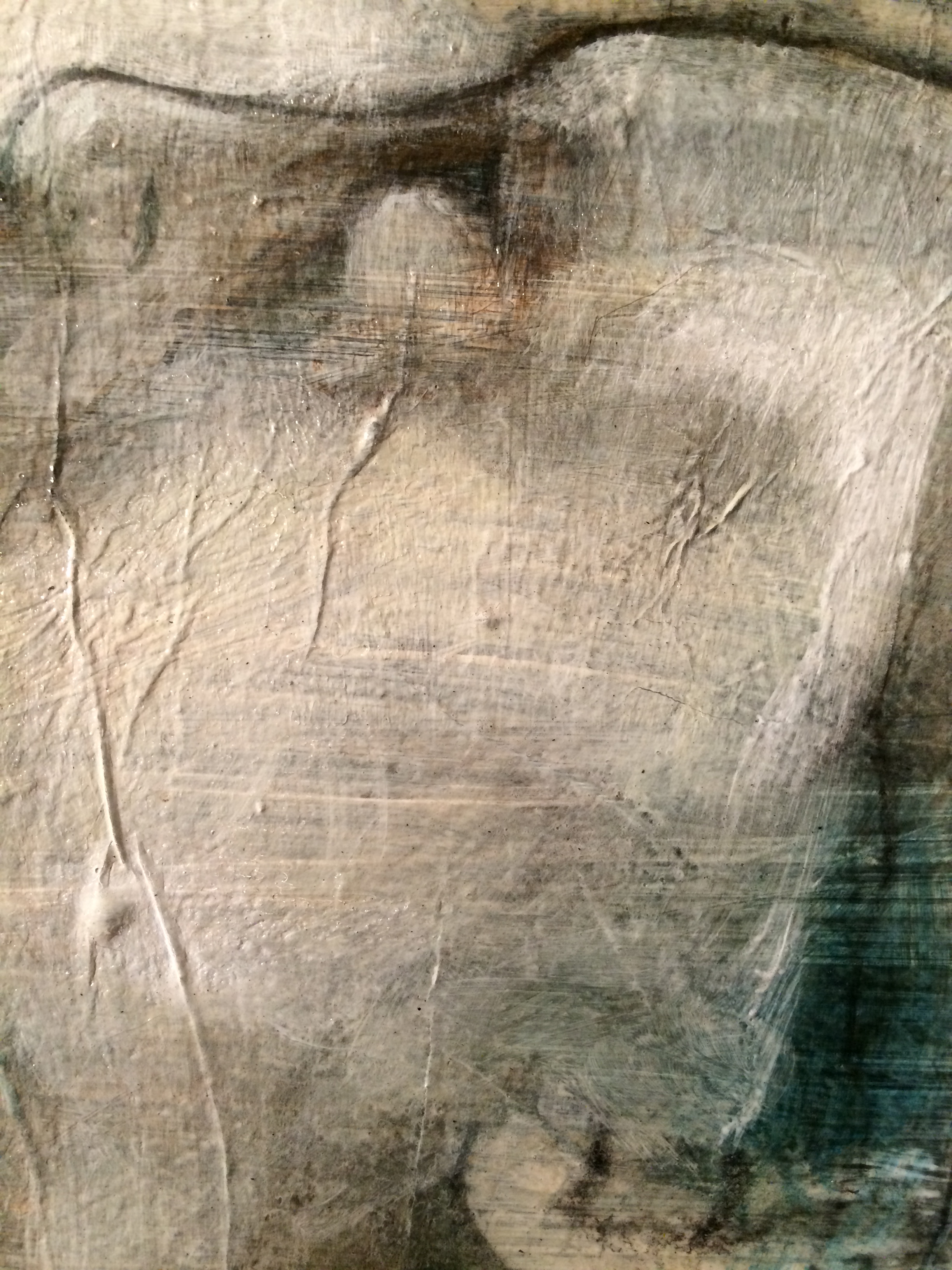
another detail

another detail

We took a rare opportunity to see her, swinging north to Buffalo after traveling to Boston to celebrate Thanksgiving with Craig and Dan. At dinner, we talked of new relationships and new work and new phases of life. We talked of the necessity of creating balance amidst the tug and push of this fast moving life-river. Randi smiled, “I once heard someone speak about attempting to balance life and they said something that changed how I see it. They said that when yearning to balance the many aspects of our lives it is most often not balance we seek! It’s integration! Rather than try to bring all these separate pieces of life into a balancing act, why not integrate them into a unified whole!” She clapped her hands as if having the revelation all over again. “It’s integration, wholeness that we desire!”

Wholeness is another word for presence, and presence is the goal of the performers’ art. Quinn, another wise person, used to tell me that all spiritual teachings speak of finding the middle way, the path between poles or opposites. “Zealots miss the point!” he’d say. Life is not found in the extremes, in the separations, in the fragmented, or the isolationist’s dream. Those are aims of the controller. The rule bound. The real balancing comes in the letting go. As Randi reminded us, it is found in the integration, the middle way, the whole.

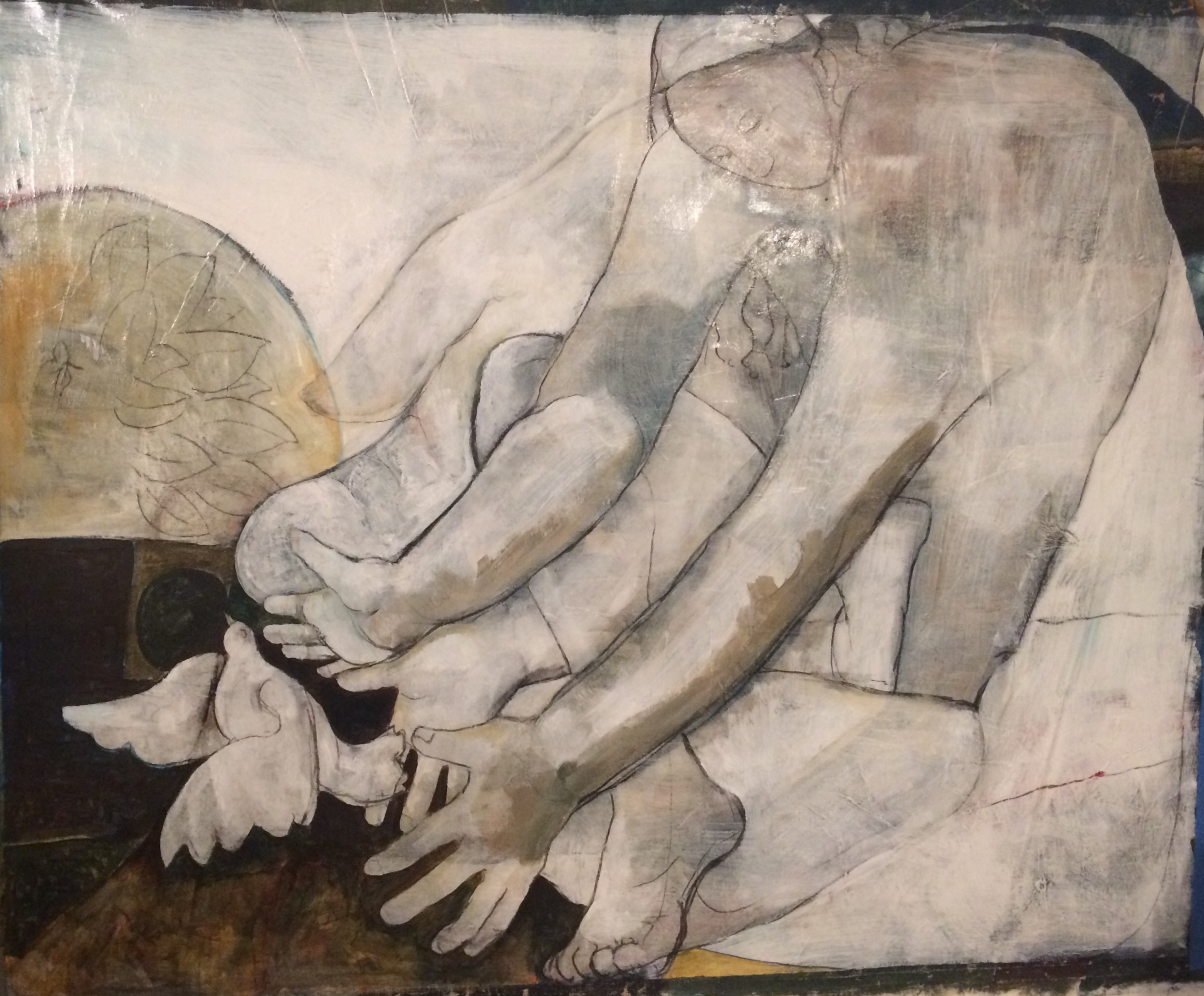
the whole

the whole painting as of 12.1.16


Save

Let Life Come Through

a sketch: Dancing At Crab Meadow

a sketch: Dancing At Crab Meadow

Kerri works on her “un-cantata.” She plays a short section from a piece and it captures my attention. I put down my pencil, close my eyes, and listen. I am inking a cartoon, preparing a proposal. It is mechanical work, rote. I have learned to use this stage of the process as a kind of pay-attention-exercise. It is only tedious if I slip into the illusion that I’ve drawn this line before; I have not, just as I have not lived this moment before.

Artistry is often like laying bricks. Repetition is rarely sexy but beautiful creations come from it. I know that in my repetition I am “putting the lines in my body,” building muscle memory.

I have not heard Kerri play this piece and I find myself savoring it. I love it when she plays. The first time she played for me I was stunned into silence. “Something came through you,” I tell her. “It was enormous.” I often tell her the story of the first time I heard her play. I tell her the story so she will play more. I tell her because I know that music wants to come through her like images want to come through me. “You have to go to the piano,” I say. “Let it come through you.” She responds, “Let’s take a walk.” And we walk. Life comes through.

Neither of us spends as much time in the studio as we ought. Our walks, however, are extraordinary.

We went to a funeral on Saturday. We will attend another funeral tomorrow. There have been many, many in the past few years. I suspect that we are of the age that funerals become common. I have been paying attention to the eulogies with some fascination. They have become life-giving or at least revealing of what actually gives life (and what does not). In the many eulogies I’ve heard, the lives recounted, I’ve yet to hear about the big house, the luxury car that was bought, the clothes or jewelry that the deceased strove to possess. I never hear about the accumulations, the stuff or achievements. I hear warm stories of relationship. I hear of family dinners, trips to the lake, walks in the woods, laughter and lessons. I hear stories of life’s repetitions, the holiday feasts, the coffee sitting, the small moments, the messy moments that amount to time spent together. The walks.

Life comes through.

See The Sacred

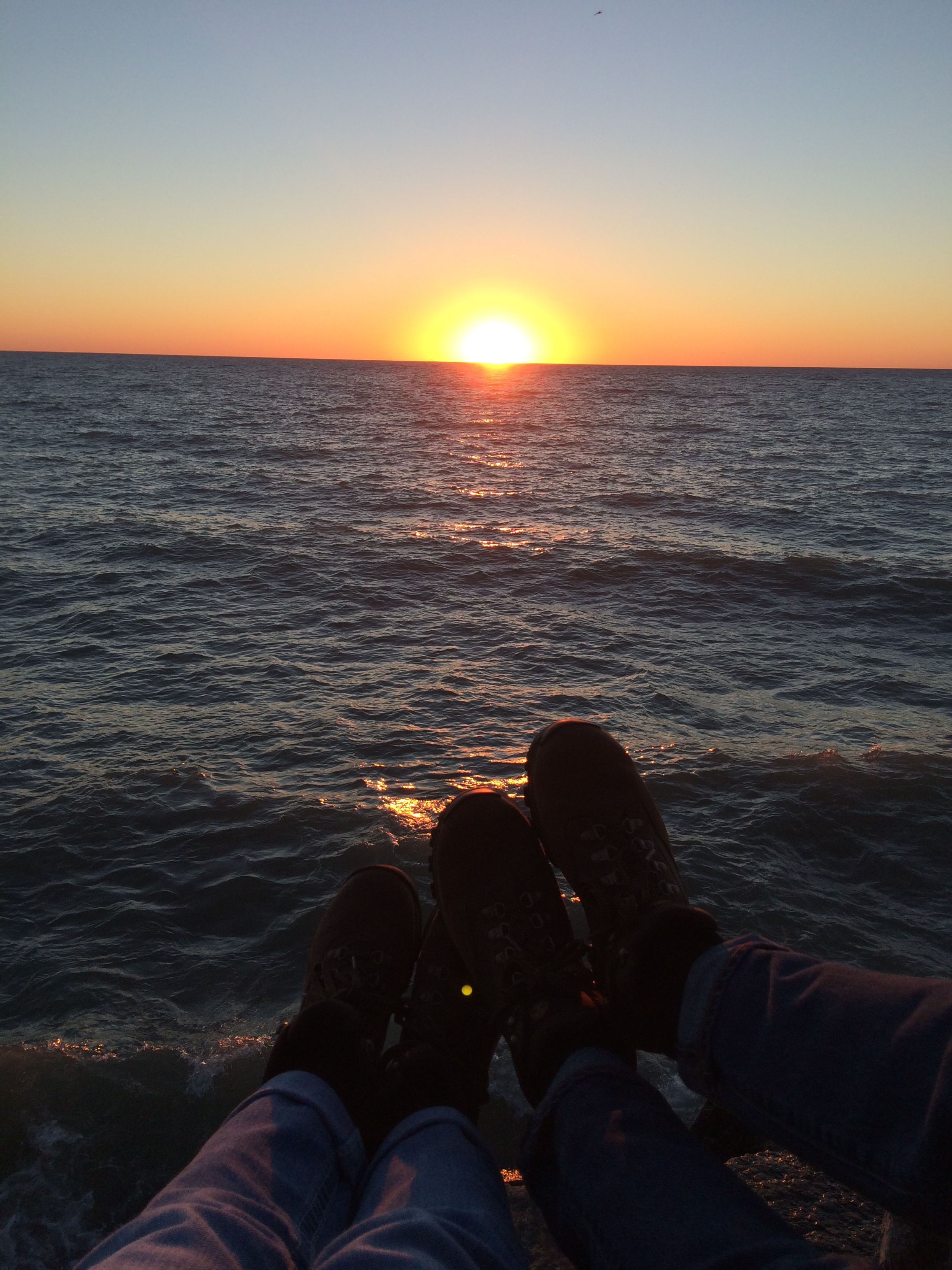
First Anniversary Sunrise

First Anniversary Sunrise

“…it seems to me absurd to consider problems about other beings while I am still in ignorance about my own nature. Phaedrus by Plato

I’m sitting alone in a sanctuary and thinking about sacred spaces. Here’s the thing I’ve come to understand about sacred spaces: slower motion is required to experience the power of the place. People in a hurry to get somewhere have little or no access to the sacred. Race through a meadow and you will miss it. Sacred spaces do not lose their power; people lose their access to the power of the space.

Once, many years ago in Bali, I made it a practice to walk the same pace as my Balinese hosts. To me, they moved at an impossibly slow pace. As an American, patterned to be forever in a hurry, I walk quickly “to get” somewhere else. There must always be a goal to achieve, a destination to reach. The Balinese were not patterned for transit but for presence. Over time, as I picked up their rhythm of movement I also picked up their pattern: it is possible to walk in presence. It is possible to be where you are with no imperative to get somewhere else – even while walking. It is possible to be in your life instead of racing through it.

A most amazing thing happens when “being here” becomes primary to “getting there”: everything becomes sacred space. Slow down enough and it is possible that you will recognize yourself as a sacred space.

After returning home from Bali I was able to sustain my capacity to move slowly for only a few months. It is easy to move slowly and be present when the culture you are in is patterned for presence. It is an entirely different challenge to move slowly and be present in a fast moving river. In the months after returning home I was either trampled or the cause of others (trying to navigate my slow movement) being trampled. We are not nearly as separate as we think we are. As I resumed my American pace I also dropped my capacity for presence and lost my lens on the sacred.

A recent surgery has necessitated slower moving. I have, in these past few weeks, found myself walking once again like a Balinese. I’ve stepped out of the fast moving river. Yesterday, standing on the back deck, I watched Dog-Dog delight in chasing squirrels. I listened to Kerri talk on the phone with a friend. I felt the sun on my face. There was no other place on earth I would rather be. There was nothing necessary to achieve.

Sit In The First Seat


a detail from my latest painting

a detail from my latest painting

I am living this story, as are we all. I am a lover of story so I count myself fortunate enough to know that I am living it. It’s one of the grail stories. Here’s the section of the story that I am now living:

The knight who cannot be beaten (he has a magic sword) is knocked from his warhorse. A warrior, a man with no armor or shield, no protection, emerges from the woods, challenges the knight, and in a single blow, unseats him. That’s not the worst of it: the knight’s magic sword shatters. And, that’s not the worst of it. His armor, his trusty protection through the many wars in the wasteland, pins him down. Like a turtle on its back, he is defenseless. His magic sword, his trusted armor, all that he has relied on, all that he’s built his identity and purpose upon, betray him. He is stunned. He is lost. He closes his eyes and awaits his death.

Death does not come. Well…

another detail

another detail

The warrior, the man with no armor, does not finish the job. He disappears without a trace leaving the knight stranded but alive. The knight opens his eyes and somehow manages to sit up. He weeps because his endless efforts to save the world have come to naught. In fact, fighting ogres seemed to produce more ogres! He removes his armor. He is no longer a knight. He is no longer capable of saving the world. He is, for the first time since his childhood, unprotected. He is, at last, purpose-free.

Nothing is more frightening – or useful – than to drop the armor of purpose and take a good hard look at what lives beneath all that forged metal.

...and another

…and another

At first his lack of identity drives him crazy. He has no answer to the cocktail party question, “So, what do you do?” He feels naked and exposed. Fortunately, a teacher, a hermit, emerges from the woods to help him navigate the crazies. Namely, the hermit helps him by not answering his endless questions. The hermit helps him understand that the world never really needed him because the world was never really broken. The hermit helps him relax and see beyond all of his thinking. He realizes that the wasteland came, not because the world was broken, but because he believed himself to be broken, somehow lacking.

In a life of chopping wood and carrying water he sees that his purpose has nothing at all to do with doing – or roles or achievements. He sees that the road to the grail castle is blocked so long as he believes he is defined by a role or a bank account or lost in a made-up purpose. When he drops his need for importance the grail castle appears.

...and another

…and another

Satori, in all the stories, knocks seekers from their ponies. It stops all pursuits. It pops the illusion of a purpose-driven life. It necessarily strips the seeker naked.

We are all seekers at some point.

When you are required in the workshop to write your epitaph or are somehow forced to articulate what was most important in this life, the doing, the list of achievements, the purpose-drive will always take second seat. HOW you did what you did, the relationships you tended or ignored, the moments you appreciated or missed, will sit squarely in the first spot.


as yet unnamed

as yet unnamed


Save

Save

Let Go

Dog-Dog three years ago

Dog-Dog three years ago

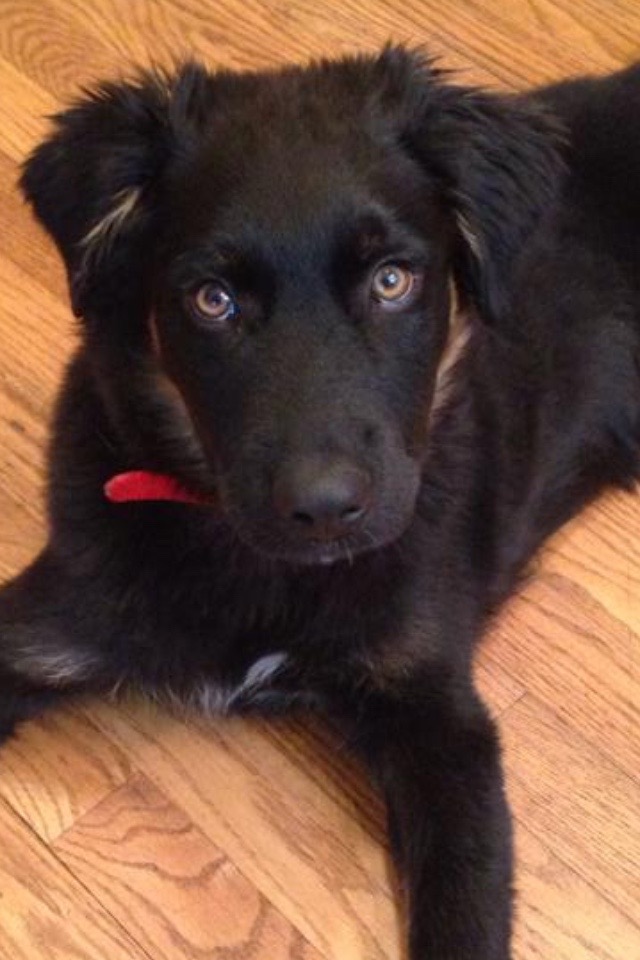
Tripper Dog-Dog-Dog is now three years old. His birthday is July 4th so he believes all the ruckus and fireworks are for him. Of course, we do not dissuade him from his delusion. Country-wide festivities seem appropriate for the birth of any creature. It is a miracle no matter how you story it and ought to be outrageously celebrated.

Marilyn invited us to her family picnic. It was a riot of volleyball and bag toss, not to mention the best cheeseburger I’ve ever eaten. It was a great time! We sat at the table for elders. In the midst of feeling honored to be included at the grown-up table (I feel like I ought to be seated with the kids at the card table), I was shocked to realize that I was sitting with my peers. I am now of a certain age…. Some delusions pop themselves.

On Sunday at the holiday carnival as we watched the Pier Pups distance jump into a pool, Brad and I had one of those broad and deep conversations that keep me thinking for days. Among many things, we rolled around the idea of what it means to achieve, what it means to be successful. I’ve discovered, as my teachers told me I would, that ideas of success and fulfillment are different at each stage of life. Now, I’m successful if I’m quiet inside, if I do not let one of these too-fast-days slip by unappreciated. Some delusions are shed like too-much armor.

There is the moment that the unbeatable knight is knocked off his horse, the moment when Sisyphus, so strong, knowing and independent, doesn’t know what to do and his only recourse is to ask for help. His life depends upon it. To gain all, so the stories remind me, we must first lose it all. Like them, each time I think I have control of my destiny, I am summarily reminded of my delusion. Control is nothing more than just another story. Let go.

My greatest teachers in one pix

My greatest teachers in one pix

This morning, talking about all that has happened in three years, my wife looked at me through the steam of her coffee and said, “Time just keeps moving. You’d think it would slow down or take a vacation every once in a while.”

Dog-Dog now-a-days

Dog-Dog now-a-days