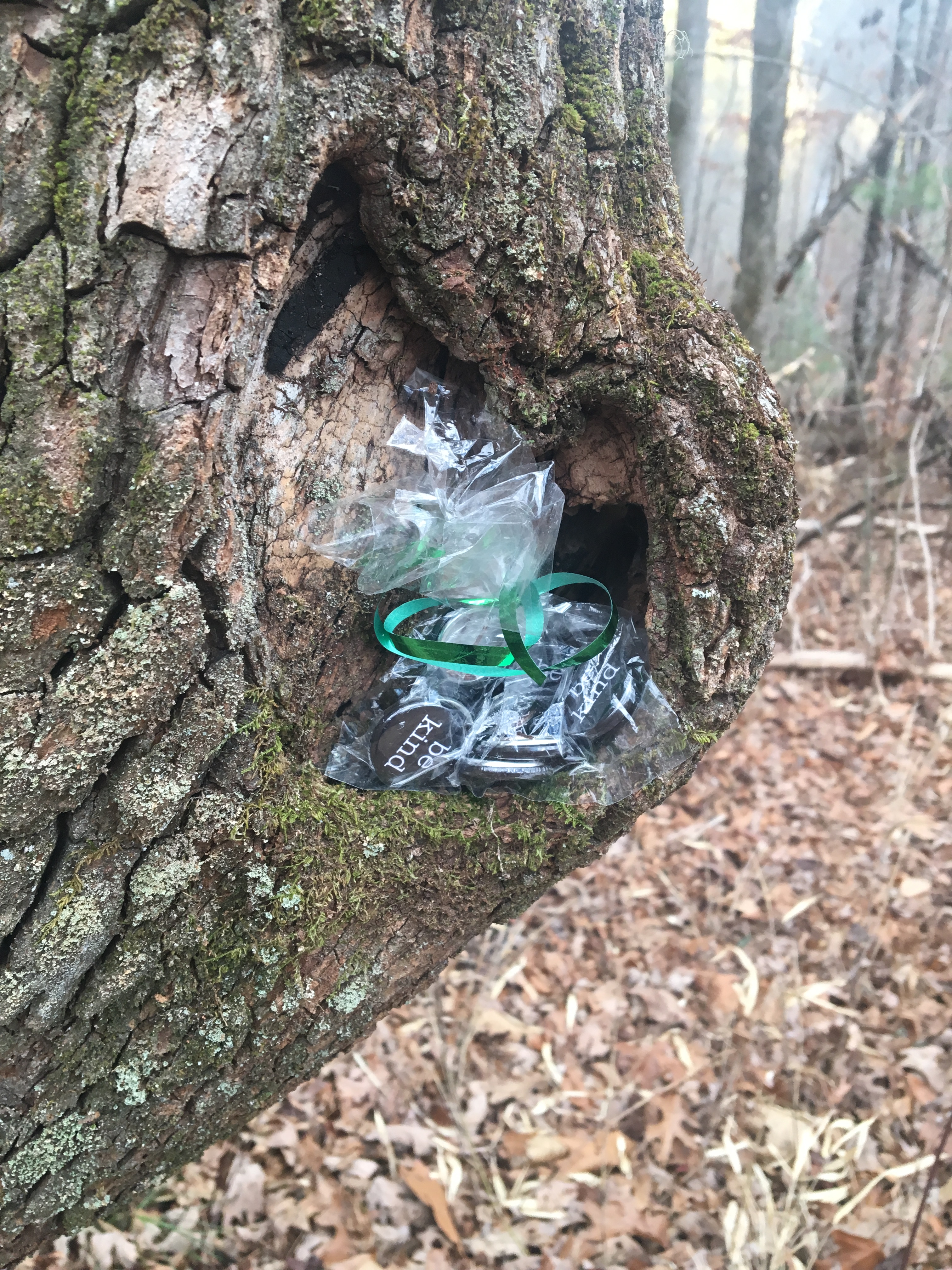
Note The Beautiful [on Not So Flawed Wednesday]

There is a genius in simplicity.

Lately, one of the conversations swirling around me, a conversation I very much appreciate, is about beauty. What is a beautiful building? What makes a software beautiful? Certainly, beauty is subjective though I suspect a sunrise over the ocean is beautiful to all. A baby’s smile. A first kiss.

We are surrounded by noisy advertisements telling us what is (and what is not) beautiful. By this standard, most of us fall into the not-beautiful category. Though, deep down, we know, that the real test of beauty is not in what is concealed but in what is revealed. A warm heart is more potent than skin creme or make-up.

My niece had a birthday yesterday. She is on this earth to help people. She is creating a beautiful life. She probably doesn’t know it – and, that’s a mark of true beauty – it doesn’t need to call attention to itself.

Every collaboration I’ve had with MM was beautiful. We had fun. We explored ideas. We have nothing but respect for each other. We’ve made each other better people, better artists. When I revisit any one of the many projects we created together, I smile and feel rivers of gratitude and pride. A memory that inspires a smile is the very definition of beauty. It brings the goodness of the past into the present moment. Light travels.

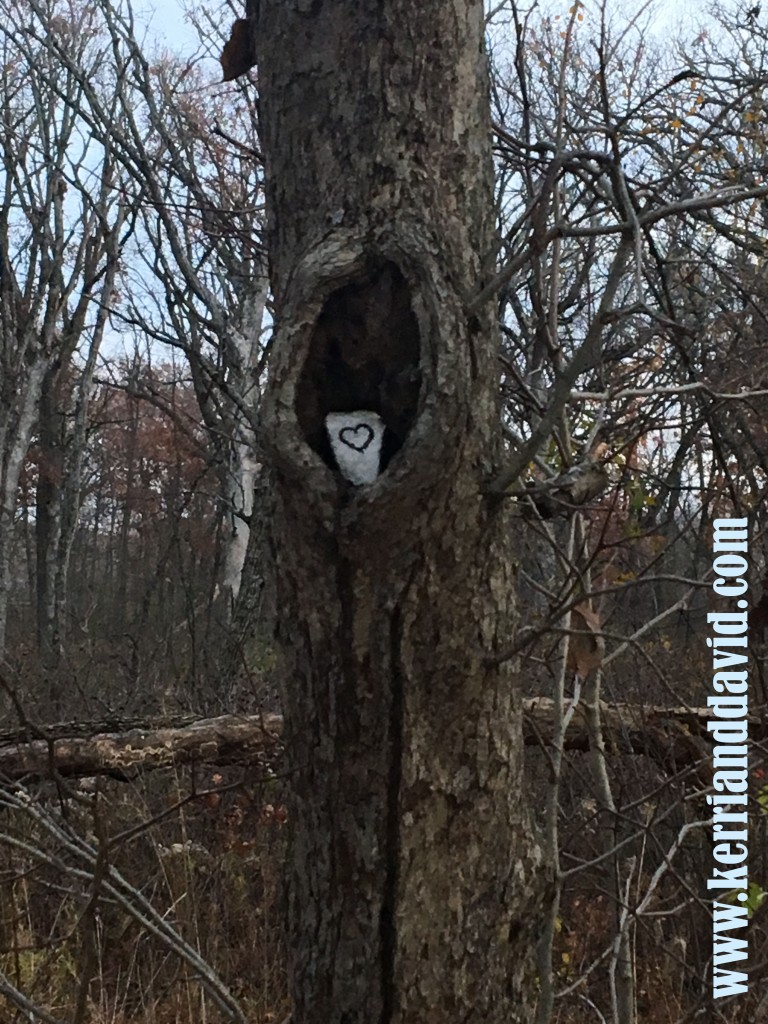
20 is a master of the beautiful because he knows the power of simplicity. A heart shape torn from a piece of paper – acknowledging grief that goes beyond words. A construction paper bow. He’s not forgotten the lessons he learned in kindergarten. Laughter, he knows, is the most beautiful gift of all and we receive it from him weekly.

What makes a design beautiful? Aspen leaves shimmering in fall. I’ve stood in front of paintings by Picasso, Matisse, John Singer Sargent…and cried. They were so beautiful. I’ve held Kerri’s hand, walking on a trail, and wanted the moment to never end. Simple.

read Kerri’s blog post about THE BOW

See The Life [on Two Artists Tuesday]

There was a transformation the moment we raised the branch and secured it in the pot. “It looks happy,” Kerri said. I was thinking the exact same thing. This broken branch, muddy and discarded and sad, we brought into the house, trimmed it, lifted it, and positioned it, was instantly revivified. The moment was palpable.

“Are we just making it up” she asked.

“No,” I responded, not certain what, exactly, I was seeing, but this branch was suddenly full of life. It was warm and energetic where, only a few moments before, it was downcast. “I think it likes being here.”

We stood and stared and tried to make sense of what we were seeing. “This would make a good children’s book,” we said at the same moment. Happy, happy, happy.

We added a few simple lights, a single ornament, but mostly we let it be. Its happiness is decoration enough.

We visit our tree during the day. Its exuberance is infectious. Before retiring each night, we turn off all the lights in the house except for the tree. We sit with it and drink in the warm feeling it radiates.

“That tree is like good sculpture,” 20 said, admiring it. “It reaches,” he added. Good energy.

We remain amazed. We’ve not yet grown used to the sudden metamorphosis. I hope we never do. It’s become more than a symbol for the season. It’s a possibility. A promise. A reminder.

read Kerri’s blog post about THE TREE

Become Simple Enough [on KS Friday]

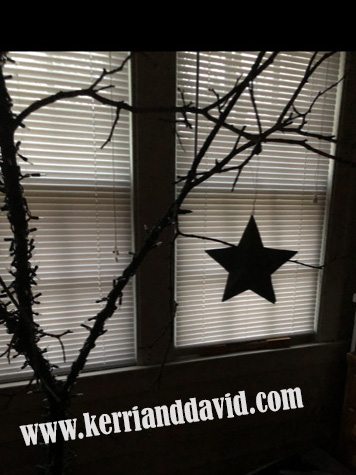
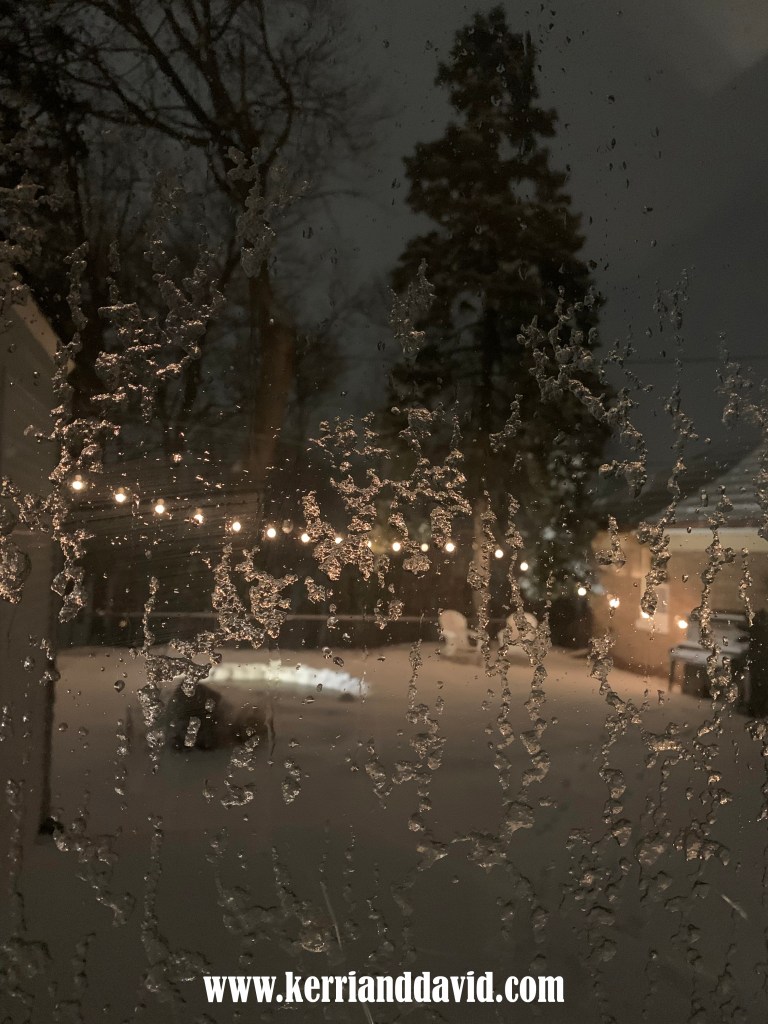
I took a photo of Kerri taking this photo. There’s nothing more inspiring to me than watching an artist at work. Her focus was singular. Pure. I saw her “see” this possibility. She turned, left the reality that the rest of us occupied, and approached the window as if it was an animal in the wild. Carefully, quietly. Reverently.

Her photo immediately brought to mind Ellsworth Kelly’s Austin, his temple of light. The vibrant squares of color. Someday we will make a pilgrimage to the Blanton Museum to stand in Austin and, in that moment, I will remember Kerri’s window.

In a world of just-get-to-the-point, time-is-money, and bottom-lines, and the centuries-old-delusion that we are rational beings and the analytical is supreme, an artistic heart and mind is an outlier. We use too many words. We are not reserved in our gesticulation. We express what words cannot reach because we see what lives beyond words. And, developing eyes-that-see takes time. Ellsworth Kelly designed his Austin in his last years. It takes years and years to become simple enough to see the sacred.

Recently we were told, not for the first time, “So many people want what you have but they don’t want to pay for it.” Kerri and I looked at each other. Her great pet-peeve, the pinnacle of all pet-peeves, is how often she’s been asked to play, not for money, but for exposure. She’s considered by Yamaha, the maker of fine pianos, to be one of their select artists, a modern master. Yet, all of her life, with frightening regularity, she’s heard, “It will be good for you!” the face smiles, “It might lead to something.” Yes. It does lead to something: more people wanting what you have but not willing to pay for it. Point in any direction to anyone who’s achieved the pinnacle of their career, and imagine asking them to perform surgery or keep the books or go to trial or build the house for exposure. Can you imagine? She – we – have heard it throughout our lives.

And, when she turned and saw the window, her sudden awareness shocked the people in the gallery into silence. Everyone turned, made space, and watched. She had no idea that she was on stage. Pure. And, without exception, everyone in that room wished they could see what she was seeing. They wished they could see how she was seeing. Sacred. It takes a lifetime. Austin. The window. Priceless.

read Kerri’s blog post about THE WINDOW

Kerri’s albums are available on iTunes and streaming on Pandora

See The Subtle Color [on Not So Flawed Wednesday]

“The most colorful thing in the world is black and white, it contains all colors and at the same time excludes all.” ~ Vikrmn

I loved watching Kichom facilitate groups. His specialty was impasse. He spent years developing and refining processes that opened pathways in hopelessly divided communities. He helped them find a third way. His was not a process of compromise. I’d describe his work as escalation-to-breakthrough. In minds and hearts entrenched in black-and-white, he’d reveal the nuance of color. He loved the moment when eyes-squeezed-closed-against-possibility opened ever so slightly to see.

Kichom understood that, to fully open a story, it was necessary to first look at the full story.

I often think of Kichom and wonder what he would do if these un-united states were his client. I wonder what he say to a nation built on slavery that refuses to discuss something as simple (and obvious) as critical race theory. Every healing path begins with acknowledgement of the wound. Perhaps Kichom would tell me that our current escalation might very well lead to a breakthrough. That is my inner idealist speaking.

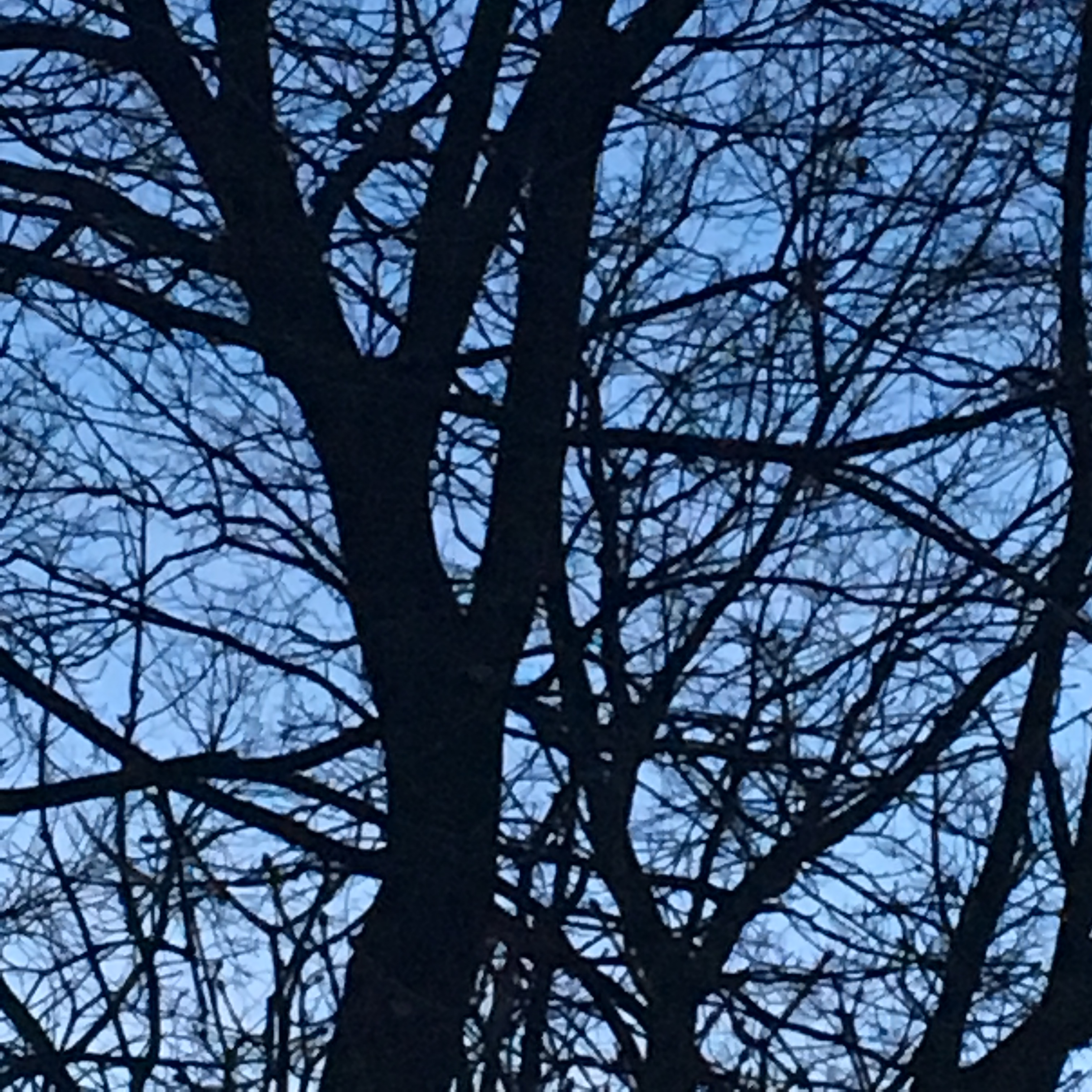
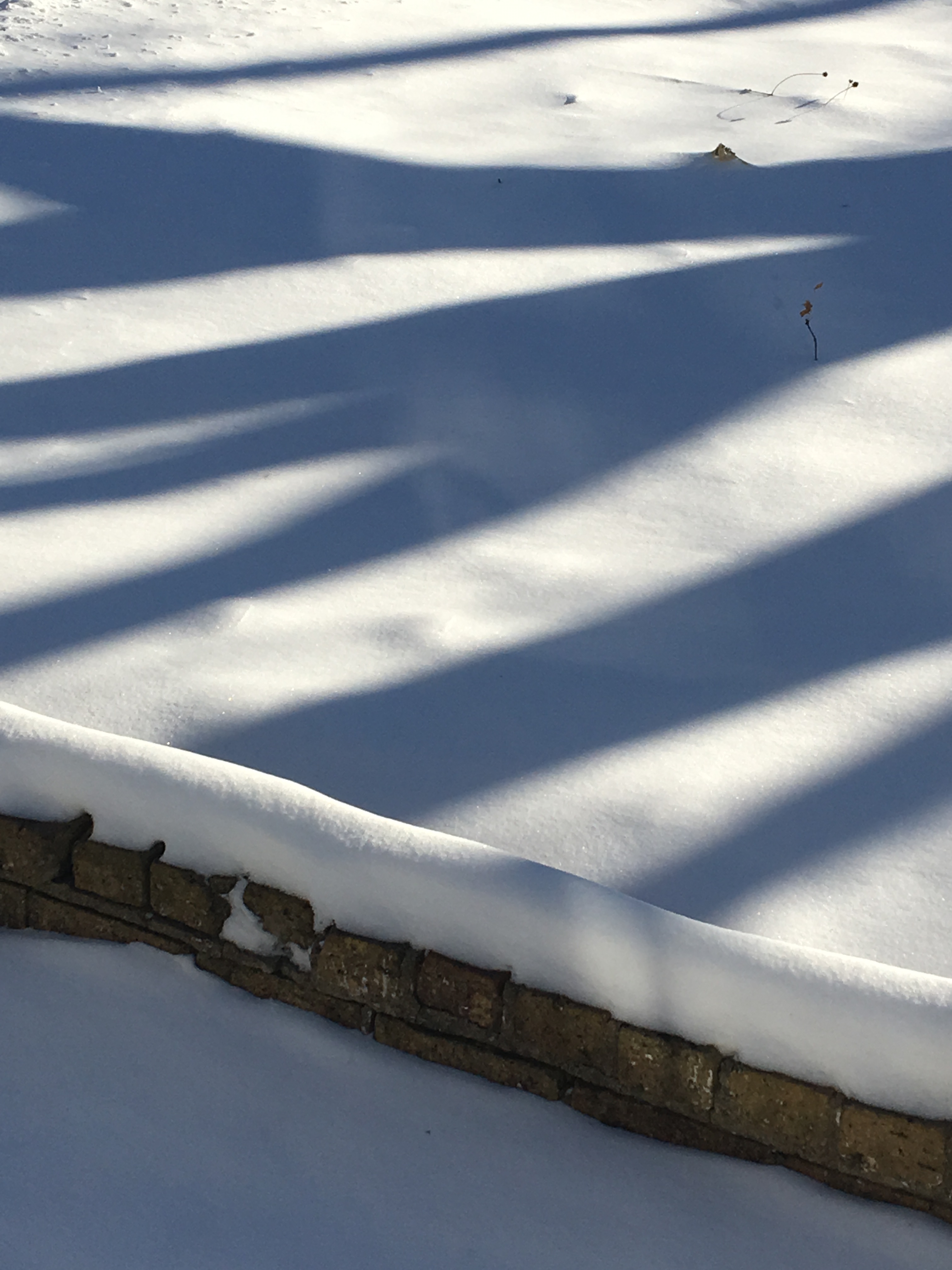
It was a very cold day. Even wearing gloves, the tips of our fingers were growing numb. When Kerri said she wanted to leave the trail and step into the grove of trees, I jumped up and down to stay warm. She waded into the thicket, took off her gloves, and pointed her camera to the sky. A few minutes later, as I jumped up and down, she waded back through the thicket to the join me on the trail. “Isn’t this cool!” she exclaimed, red fingers holding the camera for me to see. “People will look at this photo and think it’s black and white but it’s not! It’s winter!”

Looking at the photo, divided on the diagonal, I heard Kichom’s laughing voice. “It’s never black and white,” he giggled. “It only seems that way. Keep looking and soon the eyes will open to a world filled with subtle color.”

It’s something to be hoped for. The opening of the eyes. The acknowledgement of a problem. A good hard look at the full story. A breakthrough in a community that is dedicated to seeing in black and white.

read Kerri’s blog post about BLACK AND WHITE

Relax And Prime [on KS Friday]

“None are so old as those who have outlived enthusiasm.” ~ Henry David Thoreau

I spent a good chunk of the afternoon yesterday drawing cartoons. I had to get away from the computer screen. I’ve learned – relearned – that staring into the screen too long makes me myopic and unimaginative. I’m not certain if this is true for everyone but I am kinesthetic. There’s a necessary balance. Sitting still and staring at a screen without the opposite focus are creative-killers for me. I do my best thinking when I move around, when I stop trying to solve or deconstruct. I’m fortunate that drawing with a #2 pencil at an old-fashioned light table is part of my job.

Greg lives his life in front of a screen – multiple screens – and, to get away, he dives. His underwater photography is gorgeous. In a meeting a few days ago, he said that diving clears his mind. His greatest insights come when he’s underwater or sitting on the beach after a dive. There’s good science behind his insight. Relaxation triggers dopamine: the more dopamine, the more creative. Comfort and relaxation prime the creative pump. Stress and tension unplug the pump.

The best thing to do when trying to squeeze out a revelation is to walk away. Take a drive. Take a shower. Stop thinking so hard. Daydreaming is very productive. I’ve learned that anger and frustration rarely – if ever – lead to creative insight and generally produce the opposite of what’s desired. Anger (like too much time in front of a computer screen to me) is myopic. It narrows. It squeezes off the dopamine. It blinds the mind and heart to possibility.

Kent Nerburn wrote that, “For those of us in the arts, enthusiasm is never outlived. The sun is always rising before us, and our wonder at the world, the true source for all meaningful art, only grows stronger as life slows from passage to moments…” There’s always a next painting to paint. Another song to write. A photograph to take. It’s one of the reasons I love taking walks with Kerri: we rarely get very far before she gasps, and stops to take a photograph of some small miracle. And, while she’s collecting images of small miracles, I look to the sky and let my mind wander, a walking meditation, a creative pump primer.

And, almost always, somewhere on the trail, the dot that refused to connect while I was too-long staring at the screen, takes me by the hand and says, “It’s so simple. Do you see?”

read Kerri’s blog post about EVERGREEN

Kerri’s albums are available on iTunes and streaming on Pandora

Dump The Suit [on DR Thursday]

“When you are content to be simply yourself and don’t compare or compete, everybody will respect you.” ~ Lao Tzu

Lately, I’m on a Lao Tzu quote kick. Have you noticed? An advocate for a simple life, his words – or those attributed to him – appeal to me at this moment in my walk.

The outstanding characteristic of my working life is that I have mostly been a sore thumb, the person in the collective who doesn’t belong to the collective. That’s been my value: I am the consummate outsider. I do not sit on the mountain so I can more clearly see the mountain. The alternative perspective. I’ve not always found that to be a comfortable role. For instance, alternative perspectives are invited into conversations but the alternative perspective, when voiced, is rarely welcome. The first response to the alternative perspective is almost always an emphatic whisper, “Conform!”

I have, my entire life as the sore thumb, been told that, “Our people will never do that!” or “They don’t think that way, therefore you must conform-modify-edit…” The emphasis is placed squarely on the limit, the notion that “They can’t…” or “They won’t…”

And, I’ve never found that to be true. In fact, that’s precisely the perception that a sore thumb is hired to challenge. “They” can. “They” will. The job of the alternative perspective is to emphasize the possible, to open paths to the not-yet-imagined, to the revelation of, “We didn’t know we could do that.” Or see that. Or feel that.

In order to walk in an alien world, the sore thumb necessarily steps into the unknown. The first step is to listen and learn: to open to the possible within themselves, to challenge the inner-limiter. The alternative perspective lives on a two-way-discomfort-street with their client.

It is never comfortable to “not know.” It’s never comfortable to say, “I have no idea what that means.” However, it’s a great exercise, a necessary practice. And, it’s actually what the alternative perspective is paid to do and to model. “We didn’t know we could do that,” are words that come after a step into discomfort, a step beyond the known limits. “We step together because we both know how this feels.”

The alternative perspective is never right or wrong, it is simply an alternative. “These are the patterns I see. They may be useful or not.” Conformity bristles when the unknown beckons. Conformity is safe, and the emphatic whisper, while meant to maintain comfort for all, is the line that a sore thumb is hired to help the whisperer cross, “The possibilities we seek live beyond this line.”

The first day I put out my consultant shingle, I bought a suit. It’s what I thought I was supposed to wear. I bought my suit because I’d snagged a client, a financial advisor who wanted me to work with his staff. He’d seen my work – he’d seen me work – in another context. After the job, he asked me, “What’s up with the suit?” I’d always been told by well-meaning teachers that I should “dress for the job I wanted,” so I told my client that I’d dressed for the job. He gave me some great advice: dump the suit. “I want you to show up as you are, not as the person you think we want to see.”

His words became my mantra.

Truth: I hated that suit. I felt like an imposter wearing it. My client gave me a great gift. Be content to be yourself. Challenge the inner-limiter. Inner-limiters are very loud, and like outer-limiters, are generally not worth listening to; they will always advise you to conform, say nothing, and put on an ill-fitting suit.

[Happy Thanksgiving]

read Kerri’s blog post about GOURDS

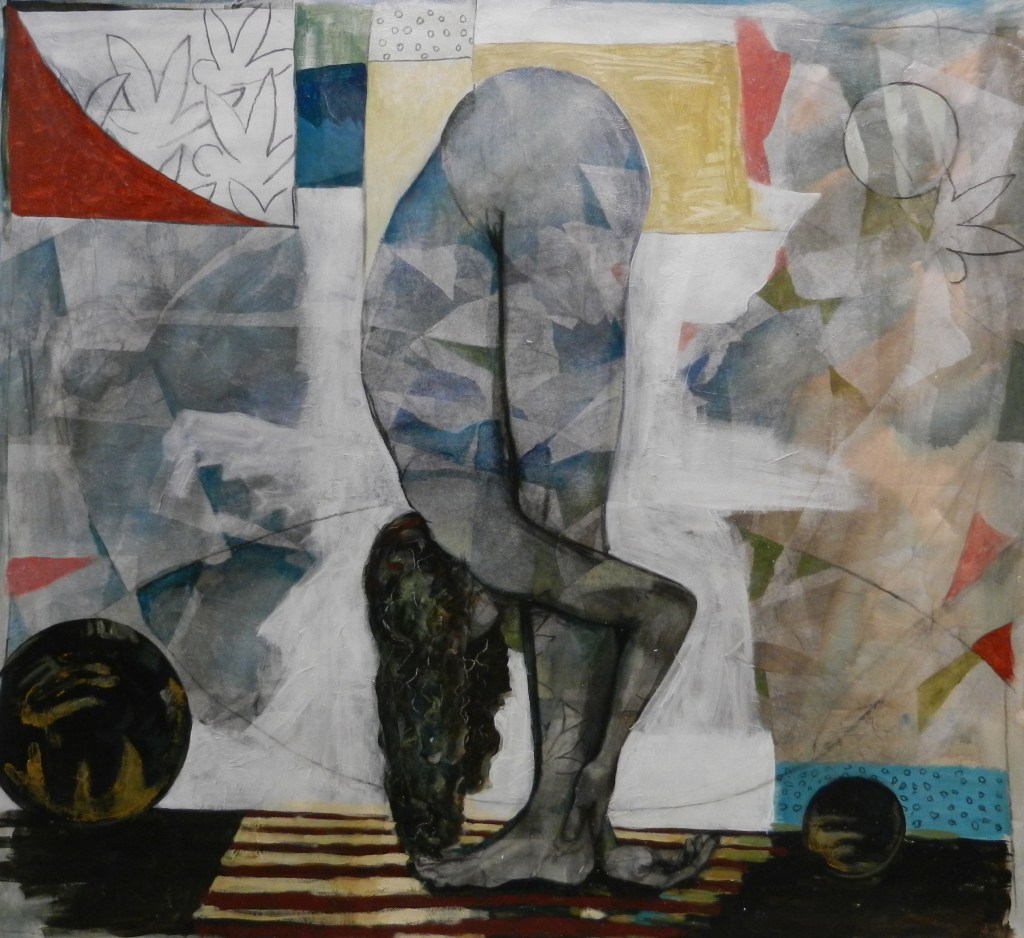
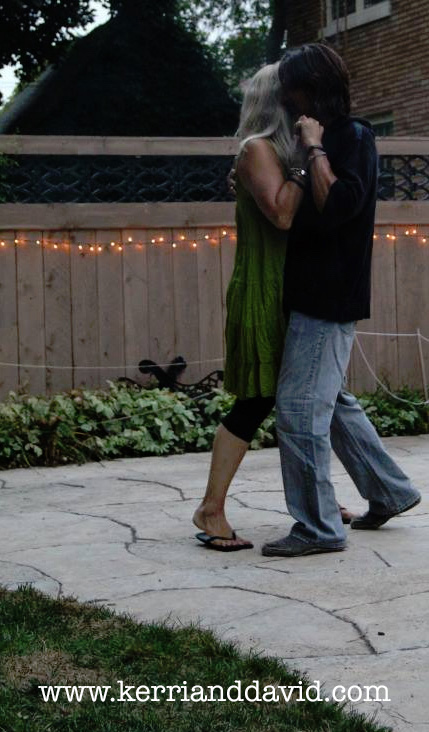
tango with me © 2018 david robinson

Attend To Beauty [on Two Artists Tuesday]

We are fans of ornamental grass. They line our walkway and populate the area along the fences. DogDog’s round-about sign is now nearly obscured, standing in the middle of tall grasses.

Some folks cut back their grass plants at the end of the season but we let ours stand through the winter. The reason has nothing to do with the health of the plant and everything to do with aesthetics. There are few things more beautiful than ornamental grasses aglow in the winter sun. I have been brought to tears watching the dance of the grasses, alight in pink and orange against the cold blue of a snowy afternoon. Magic beings swaying. [My grass-inspired-tears brought Kerri to consider that my heart just might not be made of cardboard (single ply) after all].

We attend to beauty, not because we are artists but the other way around: we can’t help but attend to beauty and that is what makes us artists. Yamaha paid Kerri a great compliment when she said of our home, “Everywhere I look I see something beautiful.”

Saturday, while raking the leaves, the air was crisp and birdsong, so unexpected, called to me to listen. As I stood listening to the birds, a breeze caught the grasses and they bristled, caught the wind and swayed. I dropped my rake and watched the performance, birds singing to the modern dance of grasses.

Our mail carrier broke my revelry with a greeting. She said, “I’d rather be doing my job than yours. I hate raking leaves!” I laughed. The color of the leaves, the sound, the fall smells. The performance. At that moment, I felt like the luckiest person alive.

“Oh, I don’t mind it,” I replied. “Actually, I’m enjoying it.”

“Well,” she said, “It’s a good thing then. I think I’ll stick to the mail.”

Yes. It’s a good thing. A very good thing, indeed.

read Kerri’s blog post about GRASSES

Throw Some Light [on KS Friday]

“The principles of true art is not to portray, but to evoke.” ~Jerzi Kosinski

Out of seeming chaos, pattern is found. And, from pattern, chaos is born. It’s a creative cycle. I spent some time this week swimming up the river of systems theory, synthesis instead of analysis. The means of production in an agrarian economy; the means of production in an industrial economy; the means of production in an information economy. The relationship between the methods and materials, the behaviors and the purpose, systems take on a life and energy of their own. The toil to feed more people led to toil to automate to relieve manual toil, led to automation to relieve intellectual toil, will lead to… we can only imagine. And, we do imagine: imagination is the relationship between the present and the future. Stand back and you’ll see, amidst the mess and chaos, we attempt to evoke a better world.

It is not a coincidence that a banana taped to the wall is considered art in an age in which Tucker Carlson is considered a source of truth. Ironically, in the golden age of information, we are befuddled by vapid minds and empty suits. Bananas and duct tape. Shock without substance can only evoke anger and will illuminate nothing. Anger for anger’s sake can only destroy. There’s no nourishment in all of this anger candy but it is certain to lead to national-diabetes and rot our teeth.

Marcel Duchamp, at the beginning of the last century, entered a toilet as sculpture in an art exhibit. He lived and worked in the age of industry at the threshold of mass production. His gesture had purpose and aesthetic framing. What was formerly craft and individual creation was now stamped into being on an assembly line. That’s old news to us but, in his time, it was a shocking revelation. A world war was raging. The collision of old practices meeting new technology was playing out on the battlefield. His exhibit entry evoked questions about loss and gain in the dawn of a new world order.

Sometimes it seems that we are spiraling into chaos. Polynices and Eteocles, brothers who will not compromise, kill each other in a battle for dominance. All lose. A father’s curse fulfilled. In our great art, the work that evokes truth and throws light to our hearts and minds, we have all the guidance we need – if we choose to pay attention. Yesterday I wrote to Mike that it seems we will need to walk the path of Romeo & Juliet: “Two households, both alike in dignity…”will lose their children to violence rather than sit down at a table and earnestly talk. And, when it is too late, when the primary is lost, the formerly indignant will sit and mourn together.

Chaos. Pattern. Sometimes the pattern is chaos. The children die. The mother takes her son across state lines with a big gun and pretends, after he murders people with his big gun, that his crime was self-defense. Bananas taped to a wall. A judge who broadcast to all that a guilty verdict might trigger his decision for a mistrial. He’ll just wait and see if he agrees with the jury. So, here we are. Lady Justice takes off her blindfold and takes sides. Is there a more profound statement of ethical collapse? In the age of information, misinformation gets equal billing; anger-candy.

What might Duchamp put on his pedestal today? What might evoke an honest conversation, throw some light and love, on what is lost and what is gained?

read Kerri’s blog post about FIRE AND SMOKE

Kerri’s music is available on iTunes and streaming on Pandora

Go To The Shoe Room [on Two Artists Tuesday]

When I managed the theatre conservatory at PCPA Theaterfest, I occasionally gave backstage tours. It was great fun because the favorite stop on the tour – on every tour I gave – was the shoe room. Visitors always enjoyed standing on the stage, they were impressed with the scene and costume shop, they delighted to watch the prop master at work, but the moment we entered the shoe room, they were transcendent. Wide-eyed and giggling, pulling period shoes from the shelves to show their companions, it was as if they’d entered a candy store. The magic was released through the shoes.

The shoes, I suspect, harkened back to a time of dress-up. Childhood. The shoes touched their spirit of play. They beckoned to be worn and, as any actor knows, the shoes will inform how a character moves. The sooner you don the shoes, the sooner you will “find” the character. The shoe room was a portal to possible-other-lives.

I am more enamored by sketches than I am by final drafts. I delight in watching master craftsmen and craftswomen work. Theatre artists do not create illusions, they provide access to other worlds, unknown paths. They invite us to the shoe room to try on another life, even for a moment. The process, to me, is more beautiful than the performance.

As we walked the paths of the Botanical Gardens, the technicians were preparing for the festival of lights. Walkie-talkies crackled. Connections were checked. Battery packs were carefully placed. Multi-colored light strands ran like rivers up the trunks of trees. E-candles on armatures floated in the waterways. Magic was in the making. During the daylight, the entire expanse of the Garden is backstage – exposed wires and explicit design. At night, the mechanics will fade behind the light curtain. Backstage will become fore-stage. The light will invite us into another world. The light will touch the spirit of play.

I have always believed that people, lurking behind those serious faces, really just want to play. It’s the reason I kicked off my shoes every time I entered a room to do a facilitation. Lose your shoes and it’s no longer a serious affair. Play threatens. Play is suddenly a real possibility. The spirit of play cracks even the most harden entrenchment. Play necessitates collaboration and sharing. Pirates and Princesses need mates and parrots and knights in order for the world to be complete. Lawyers will take off their ties and wear them as headbands when the shoes come off and the serious topics are approached in socks and bare toes.

I recently – as we all have – been privy to an endless contentious debate about what this nation needs to do to get back on track. I believe it is not so complicated. We can carry on our oh-so-serious-division, but the single rule should be that no one can open their mouth – politician, pundit, and pedestrian alike – before first taking off their shoes.

read Kerri’s blog post about LIGHT STRANDS

See The Dance [on Merely A Thought Monday]

“Life and death are one thread, the same line viewed from different sides.” ~Lao Tzu

We had a hard time choosing the prompt for this day. Traditionally, on Monday, we use a quote, something we’ve heard or come across in the week prior. We had plenty of thought-provoking quotes and appropriate images from which to choose. A few would have inspired rants. We also had a few ready to go that would have required more time than we have this morning to do the thought justice. They were heart-thoughts. And, so, we sat and stared at our screens. We pulled the original choice just before we published our picks for the week. “Let’s wait on this one,” Kerri said, “I feel like I want to give it more time.”

More time. Yes. In a few weeks time, we will cross the four year mark of our Melange. Five days a week. Four years. It’s a significant body of writing. At least to us.

When Kerri offered this image as an option, she said, “Maybe we should write about silence.” The mums bow their head. It is the end of their season. The flower drops and dies but the plant lives on, readying itself through the cold winter for a blossom resurrection in the spring. The buds will appear to be new life and we will celebrate them as a new beginning. The plant will smile at our surface-worship. Life did not disappear with the drooping blossom.

The phone rang last night in the early evening. It was my mom calling, just to chat. We talked of our disbelief that my dad, Columbus, was gone. We talked of her exhaustion and need to be still, like the mum in winter. We talked of the emergence of new friends and, someday, the discovery of a new purpose. All in good time. Good time. She is heroic walking through this chapter of her good time. When energy turns to the root, when it moves to an internal focus, it necessarily feels lonely.

Some things cannot be rushed. Most things, those with the greatest import, cannot be pushed. They must be lived. Experienced. The blossom droops and drops. The plant knows just what to do. It is winter and energy must go to the root – that is precisely why the blossom dropped. The plant is not separate from the season. It’s a dance that only seems to be a movement with two but, in truth, is the motion of one, a push-me-pull-you. The inner focus, hibernation, once recharged, will, someday soon, feel the sun and turn its attention outward. New buds are certain to answer the call.

read Kerri’s blog post about MUMS