

David sends photographs of his young son, Dawson, painting. Or playing. Or just enjoying the moment. I love them. They bring smiles and a Picasso-esque reminder. Paint like a child. Play-to-play and for no other reason. Wear a cape and fly!
Adults get enmeshed in all manner of weird issues. They come to think that things like wearing-a-mask-during-a-pandemic can be an inhibitor to their freedom when, in fact, they gave away their freedom ages ago. They grew up and forgot how to play, how to mush color around with their fingers, how to roll down a grassy slope and run back to the top to do it all over again. They forgot how to play with others. They muzzle themselves.
Adults give away their freedom when they come to believe that a brand of car or the label on their clothes gives them status or makes them sexy. They confuse their money with their morality. They give away 5 days so they might live for 2 or, worse, they suffer through thirty years of toil with the zany idea that they will live life when they “retire.”
Adults get lost in illusion. They snap towels and brag about their wild-side while pulling on their uniform-stiff-collar-suit and cinching up a tie around their neck. They somehow come to think that pushing other people down will raise them up the ladder. They create odd justifications: dog-eat-dog or business-is-business or divide-and-conquer. Play-to-win and for no other reason.
Let’s face it, adults fill themselves up with fear and judgment. They can’t paint with their fingers because someone might call them childish or stupid or worse! And, horror of horrors! What if their finger painting isn’t perfect in the eyes of others?! Shame is a great inhibitor especially when it is the imagined response to fun-and-free-self-expression. The only safe thing to do is put away the dangerous color, wash the paint from your hands. The only safety is to judge others! Establish some mask of authority; become the arbiter of right and wrong. Dole out the shame so as not to receive it. Phew.
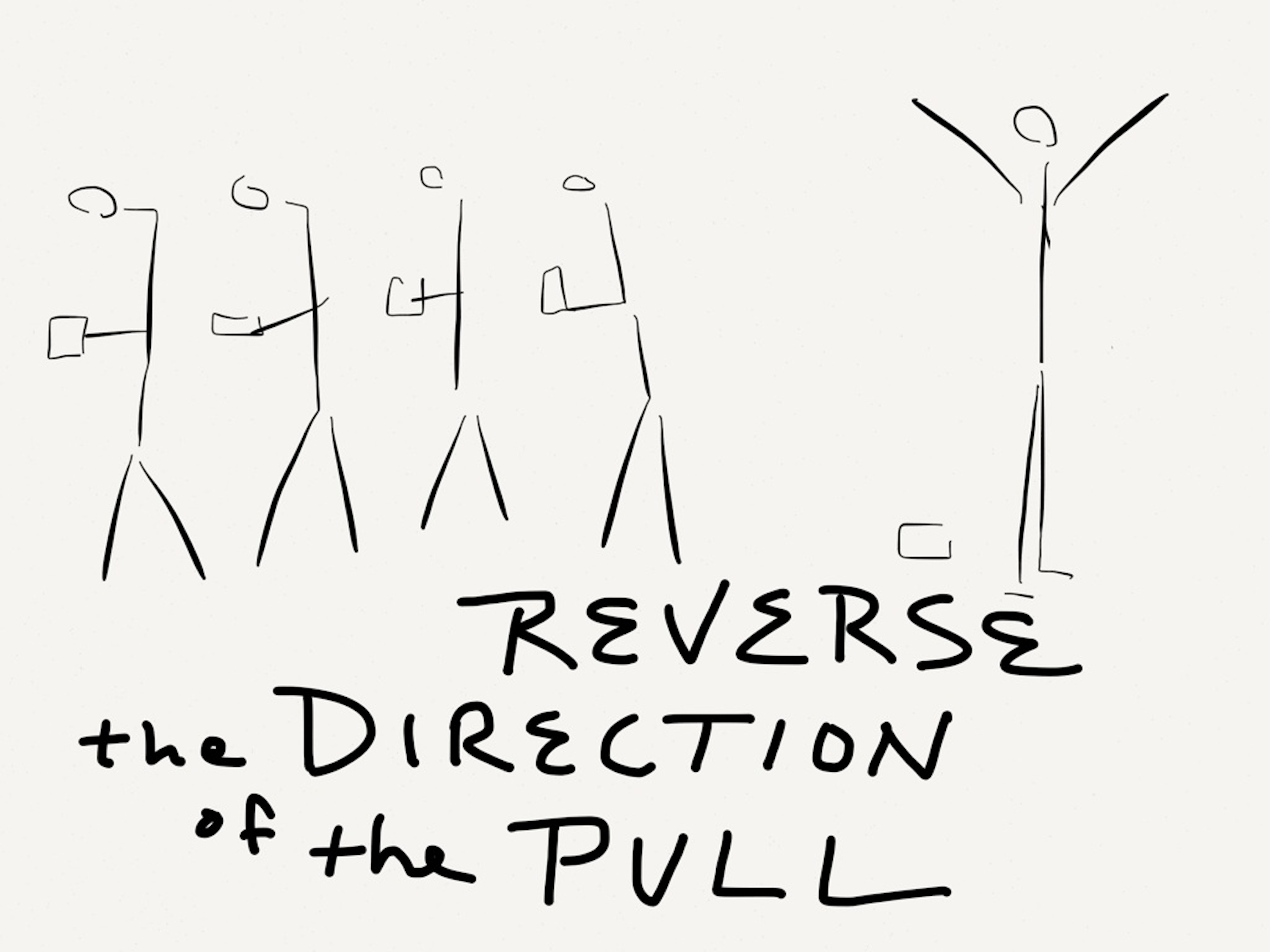
Adults mistakenly believe that power is control, that power is something wielded over others. Every child knows that power has nothing to do with control. Power is something created with others, like painting with your dad. That is power-full! Even infants know that power is a relationship of mutual support, it crackles between people. Humans-of-every-age are never more powerful than when helping others grow.
Poor sad adults have it upside-down and backwards. As I used to tell students, “Any idiot with a pistol can take life, it takes a very powerful person to give life.” There’s no real power in the taking. There’s infinite power in the giving.
Just so, there’s no freedom in the taking. There’s infinite freedom in the giving, the free expression, the playing, the laughing, the sharing. Every child knows that.
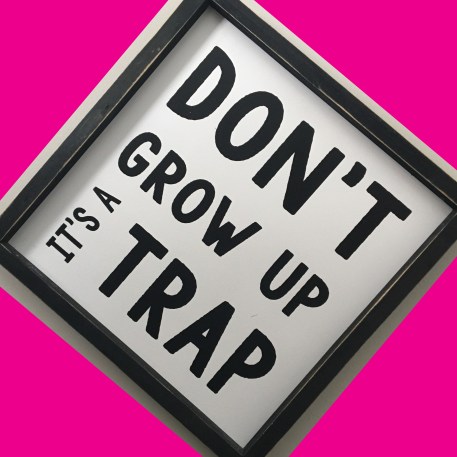
read Kerri’s blog post about DON’T GROW UP!

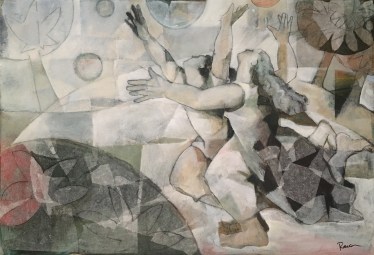
chasing bubbles ©️ 2019 david robinson
Filed under: Art, Creativity, Merely A Thought Monday, Play, Power, Story, Uncategorized | Tagged: control, david robinson, davidrobinsoncreative.com, expression, fear, finger painting, freedom, freedom of expression, illusion, infinite games, judgment, Kerri Sherwood, kerri sherwood itunes, kerrianddavid.com, kerrisherwood.com, meaning, meaning making, painting, play, play to play, power, shame, story, storying | Leave a comment »








 The Direction of Intention