Magic Things [David’s blog on KS Friday]

“The world is full of magic things, patiently waiting for our senses to grow sharper.” ~ W.B. Yeats

Standing at the back of the theatre watching a performance of a play that he’d directed, Roger whispered a frustration that most artists whisper at some point in their career: the audience will never get all of the layers of story. Very few will appreciate the totality of the hard work, the heart, the intention, the nuance…So much goes unseen, un-felt.

There is, of course, only one response to his whispered frustration. They may not get it all but you – the artist – does. Sometimes I think the skill of the artist is to slow the world down so that they can more fully see it. Or, more accurately, slow down so they can see the magic in the world. And then their work is to help their community see it, too. The great gift of artistry is that the work is never finished. The process – the capacity to perceive and share more of the magic – is never ending.

I regularly ponder the impact of the pace of work and life in the age of the internet. It’s a raging river of information that never slows. In fact, “progress” is understood as an increase of speed. We worship at the business alter of efficiency-and-effectiveness; people are rewarded for striding at an ever faster pace – so anything, like artistry, that suggests slowing down might be beneficial, is radical. There is a reason that an audience might not “get it”.

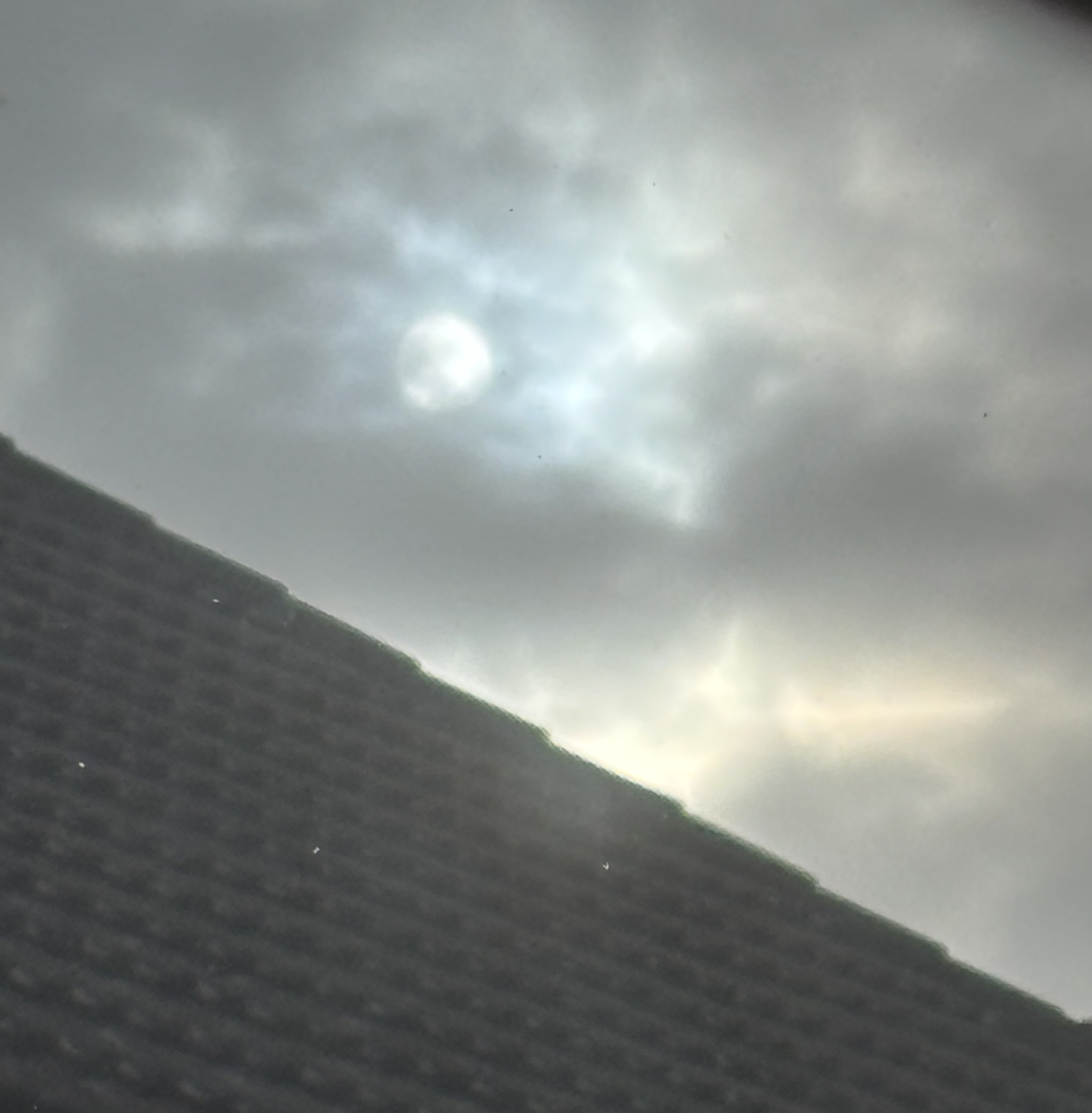
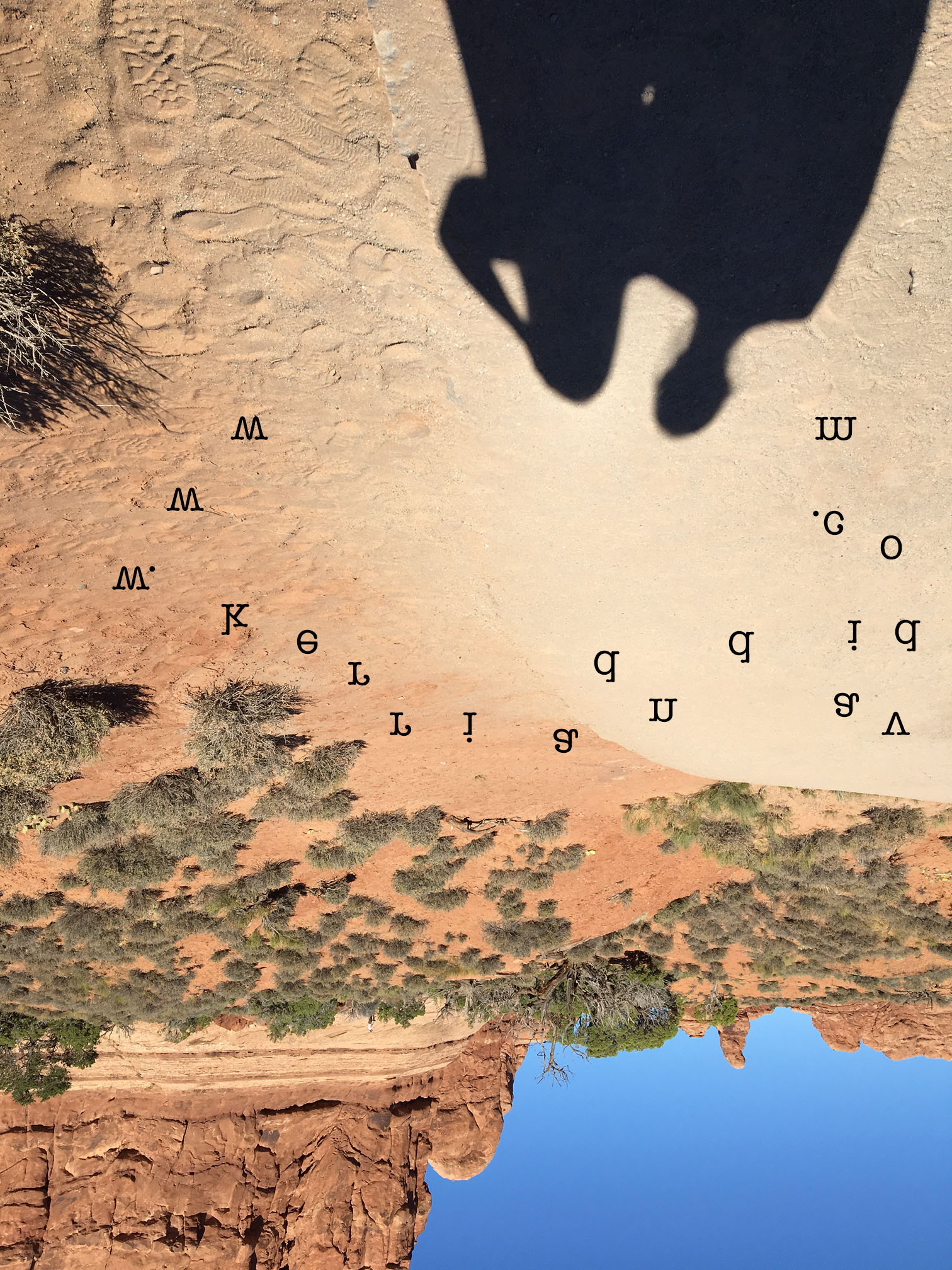
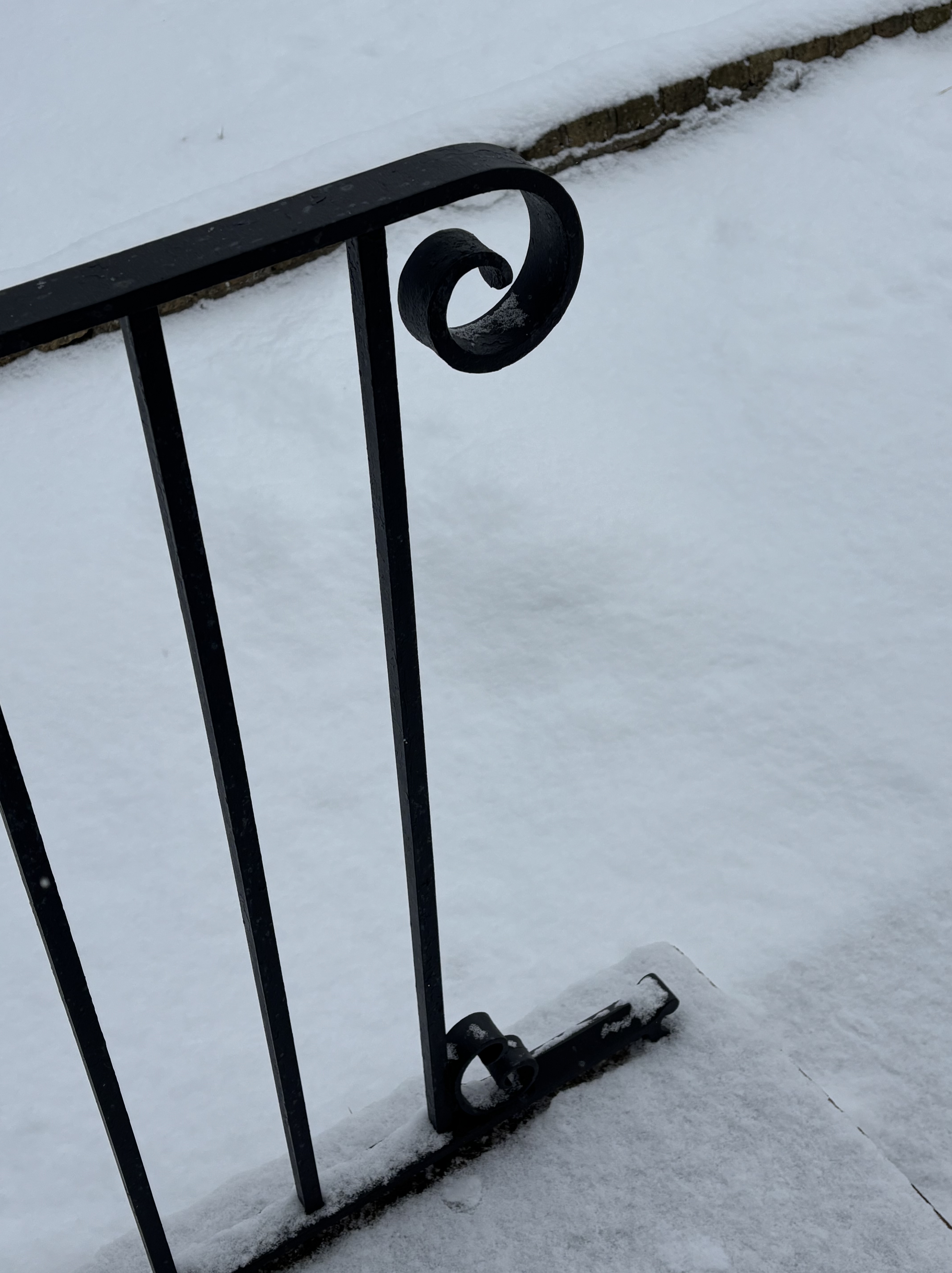
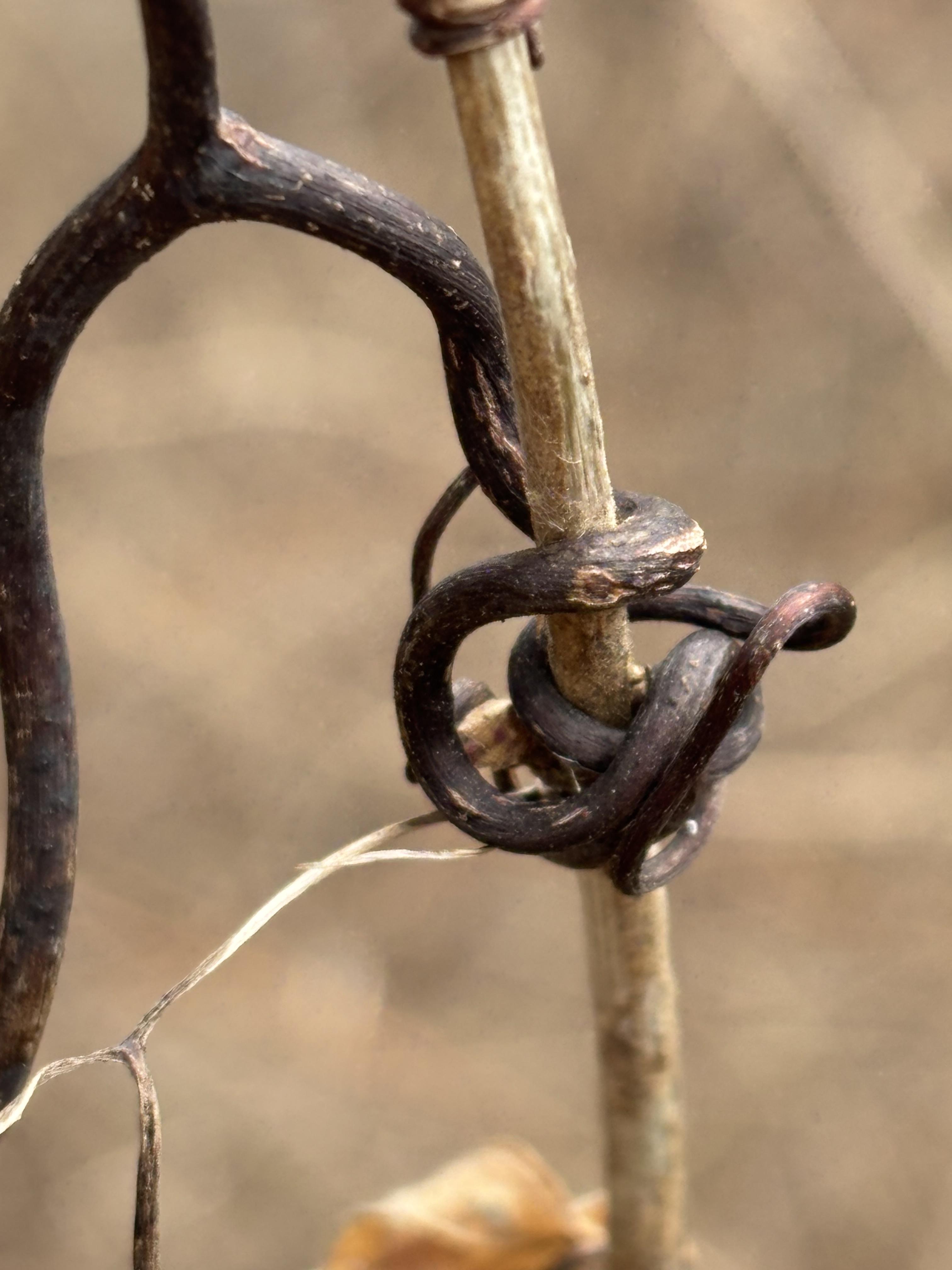
I’ve been aware this week, as we deal with the impacts of the snow and cold on our house and car, that we’ve mostly unplugged. Necessity has made us present. It is not an accident that the prompt-photos for this Melange week are mostly close-ups. Detail. We’ve been staring at the miracle of the icicles. The patterns in the snow clusters on the Adirondack chairs have captivated us.

Yeats knew only pen and ink. He stared at blank pages and not at flickering dynamic screens that pulled his attention this way and that and filled his mental bucket with information. He did not sort through hundreds of emails each day or navigate the mind numbing onslaught of social media. Yeats took walks and stared out windows to clear his mind. He sought other poets and thinkers, he spent time with them so he might challenge and expand his ideas, his perceptions, his capacity to see and feel.

The world of magic things, patiently waiting for our senses to grow sharper, knows that our senses are so inundated with information and noise and stimulus that we are less and less able to sense anything at all, especially the magic things. We are distracted, often misinformed and thoroughly entertained – and less and less capable of sustaining a span of attention, let alone sharpening our senses.

Sharpened senses – otherwise known as presence – opens the door to the ubiquitous magic things, things that patiently wait for us to slow down enough to fully appreciate them.

BLUEPRINT FOR MY SOUL © 1997 Kerri Sherwood

Kerri’s albums are available on iTunes and streaming on Pandora

read Kerri’s blogpost about SNOWFLAKES

likesharesupportwethankyou

Circulate The Good [David’s blog on Merely A Thought Monday]

The imaginary editorial board at Melange International is becoming impatient with me. They think that I have over-complicated the given assignment. What is so complex about focusing on the good?

To begin, I’d be a hypocrite to claim that I only focus on the good. I do not.

A quick read of my blog since inauguration day will provide ample evidence of my capacity to focus on the negative though I believe it is important, when the house is on fire, to alert others of the fire, to call out escape routes. It’s also helpful to try and put out the fire. Is that or is that not a focus on the good?

Isn’t it a relevant question – a good question – to ask, “Where can we focus our eyes and our energies to beat back and put out this fascist fire?” Sometimes a focus on the good seems dark.

Focus is a powerful thing. The power of focus is more than a cliché uttered by contemporary motivational speakers. It’s an age-old-concept. We will find what we seek. People who make gratitude a practice will end each day with a bucket of gratitude. People who make blaming a practice will end each day with a bucket of blame. People who make division their focus will live in – or more accurately – create divisive communities. People who make inclusion their focus will create inclusive supportive communities. People who focus on democracy will create (protect) democracy.

And then there’s the question, “To whom will we give our focus?” Our media makes it far easier to focus on The Arsonist. Ratings do not favor a focus on the Fire-fighters.

We are inundated with so many daily outrages that we are having a challenge sustaining a serious focus. Where do we focus with ICE kidnapping people off the streets, extrajudicial murders in the Caribbean, presidential grift, an inept and mostly absent congress, a Supreme Court that ignores the Constitution to expand presidential powers, the dismantling of education, collapse of healthcare, government protection of pedophiles…the dismantling of democracy. Sometimes it is hard to sustain a focus on the good through the forest of daily atrocity. It takes some effort, some dedication, to sustain a focus on the good.

Circulating the good is, of course, a team sport. It’s easier to sustain a focus on the good when surrounded by others who have the same dedication.

We check-in each night with Carl Blanchet. Last year he completed a hike of the Pacific Crest Trail (2650 miles) in less than 90 days. It was a personal challenge and a titanic effort. This year, he’s back again though this time he’s going slow. He’s enjoying the hike. We were drawn to follow him because of his positivity. Even in the worst circumstance, when confronted by an impossible obstacle, he finds the beauty in his day. He focuses on solutions or the kindness of trail angels, the generosity of other hikers, the awe of each sunset. And, although it might be possible to roll your eyes at such dedicated positivity, the truth is that he is a pragmatist. He is not denying the difficulties. He is dealing with them by focusing on the good. He’s done his research. He is prepared. He is not flying blind. He practices a focus on the opportunities, seeing the positive, choosing from the possibilities available in each moment.

He is a serious person and that is precisely why he doesn’t take any of it too seriously. He doesn’t get fixated on the problem or the pain. He intentionally circulates the good because he intentionally focuses on the good.

In these times, Carl serves as balm to clear our eyes from the smoke of rampant misinformation and preponderance of lies. He serves as a daily reminder that what we focus on is what we will, in fact, become. And what we become is what we will circulate.

read Kerri’s blogpost about THE GOOD

likesharesupportthankyou

A Cautionary Tale [David’s blog on DR Thursday]

“When our eyes are graced with wonder, the world reveals its wonders to us.” ~ John O’Donohue, Beauty: The Invisible Embrace

Looking for a headboard for a bed, we combed antique stores seeking hidden – and cheap – treasures. It’s rare for us to pass through the collected quirk of other people’s discards and not find something that we appreciate. We always find but rarely buy the unique sumpin-sumpin that appears. For us, combing the antique shops is like catch-and-release-fishing; the fun is found in the hunt. But, on this day-of-the-headboard, as we left our favorite haunts, Kerri said, “I didn’t see a single thing that called out to me, forget a headboard, I didn’t see anything else, not one thing.”

We launched our headboard hunt because we’re in the process of transitioning one of our kid’s bedrooms into a guestroom. After we moved the old spray painted desk out we needed something to take its place. Although it had only been a few days since we’d made the rounds of the antique shops, went out again, this time mostly to get ideas, to stir our imaginations, to open our eyes to possibilities.

Nothing had changed in the shops, yet we were overwhelmed by the number of cool pieces that we found. Everything had changed in our seeing. Gaping at a gorgeous relic with peeling paint (we are shabby chic with emphasis on the shabby) Kerri asked, “Was this here the other day?” The clerk told us it had been there for months. “How did we not see this?” she turned to me and asked.

It’s one of my lifelong fascinations: seeing and not seeing. We saw the treasure because we stepped into the world with open minds seeking possibilities. We did not see the treasure on the previous day because we stepped into the world with a narrow focus seeking a headboard. We didn’t see the treasure that was right in front of our faces because, well, it wasn’t a headboard.

We see what we expect to see – which is another way of saying that we often miss the beauty of the world because we seek headboards instead of awe. We narrow our vision to the point of exclusion. It’s not a mystery that on the day that we set out to find possibilities that we found too many.

It’s a cautionary tale in a nation that has made an industry out of division and exclusion. We see what we expect to see. The power of the latest election might be that it has opened our eyes and minds to possibility.

read Kerri’s blogpost about AUTUMN LEAVES

likesharesupportthankyou

But If I Had [David’s blog on Not So Flawed Wednesday]

I’ve never taught visual art but if I had, I’d have sent my students outside to look at color in nature. I wouldn’t spend a moment having them study an abstract color wheel or match paint swatches indoors. Together we’d look at light, the angle of the sun. We’d play with shadows and discover the changing hue of shadows; they are more full of color than we want to admit.

We’d bring-to-light, uncover, unearth…we’d learn to see, a skill much more valuable to the artist than merely looking. We’d walk through the world as if for the first time. We’d share our color notes. We’d tease and be teased by a full range of morphing value as the sun played with our perception.

We’d remind ourselves that our window on this life is only open for a short while. We’d saturate ourselves in the infinity of shapes and textures, the marvel of pattern and interconnection; the riches of diversity. We’d immerse-in-the-immensity and not pretend that we were in any way separate or better-than.

We’d stave off a world insistent that we live within the narrow strictures of black and white, bland cubicles of dulled minds. I’d have sent my students outside to wander into their thicket of questions and step boldly into a world without answers but alive in rich, vibrant color.

read Kerri’s blogpost about THE LEAF

likesharesupportthankyou

No Space. No Time. [David’s blog on Two Artists Tuesday]

Our saturday-morning-smack-dab-cartoon was about feeling wistful in the fall. We very intentionally prompted something non-political, non-news-of-the-day-ish, so we might give our hearts and minds a break from railing against the incessant assault on our democratic way of life. And then I read something that deeply upset me. Instead of writing about wistfulness, I wrote about our national incapacity of dealing with the truth.

And then, at the end of my post, I wrote an apology for once again shaking my metaphoric fists and railing at the lies.

And then, I erased my apology. I did not want to lie. In truth, I was not sorry for railing at the lies and misinformation and abuse of the public trust. I call myself an artist and the very epicenter of that role is to hold a mirror up to my community. Sometimes the image in the mirror is ugly.

We were walking on the Des Plaines river trail, just north of Chicago, when two fighter jets ripped across the sky just above the tree line. The earth shook. It was the same day that the authoritarian wanna-be, in a meme no less…, declared war on Chicago. I made the assumption that the fighter jets were an opening salvo, a demonstration of power by a weak little man meant to shake the populace.

“Can you believe it?” she asked.

Isn’t it sad that my first assumption was that the president of the united states sent war planes over the region to startle the populace? Isn’t it sad that, in these times, even though my assumption was wrong, it was not an outlandish proposition, not a sci-fi-speculation, but actually within the realm of possibility?

Many of her recent photographs capture fading flowers. I am drawn to them. The brittle shapes. The muting colors. Life energy pulling away from the blossom and retreating to the root to rest and re-energize. It produces a different kind of beauty.

It is this waning beauty, this retreat into the root that has always evoked my wistfulness. I realized that this autumn I will probably not feel my usual wistfulness. The yearning of fall is made delicious because of the promise of spring emerging from dark winter. Wistfulness is letting go to open space for renewal. I realized, watching the fighter jets, aghast that a president would resort to such a childish meme to declare his ugliest of intentions, to turn the military on its citizens, that I do not know if our democratic nation will be here in the spring.

There is no space for wistfulness. There is no time for apologies. There is no longer any doubt that a fascist dark winter is descending. We are fools to think that it will lead to a democratic spring.

read Kerri’s blogpost about WANING FLOWERS

sharecommentlikesupportsubscribethankyou

Recognize The Real [David’s blog on DR Thursday]

Dan has lived his whole life in this town. He told me that, when he was a boy, there were thousands upon thousands of monarch butterflies. Their habitat is mostly gone. We delight watching them each evening, the three or four that flutter through our backyard sanctuary. I’ve always appreciated the appearance of these vibrant orange wobbly fliers, these harbingers of fall. Now, I see them with different eyes. These few are intrepid survivors, the carriers of a flickering torch into the future.

An enormous black wasp flew in hauling a long blade of grass. It pulled the grass into the tubing of the chair in which Kerri was sitting. Thinking that it was odd that a wasp was going it alone – and being reactive against a potential sting, we did some quick research. We discovered that it was a Organ Pipe Mud Dauber. They are not aggressive. The females build individual nests either by creating or finding an appropriate tube shaped hole. Thus, the name, Organ Pipe. They are great for a garden. We watched her during the evening as several times she flew away and returned with more grass to pull into the pipe for the nest. We marveled at our wrong assumptions and the mountain of things that we know nothing about. Our initial reaction, based on wrong assumptions and absolutely no information, nearly made us miss the miracle.

The first day of September. En route to refresh the water in the birdbath I startled a tiny frog. It leapt and plopped into the pond, disappearing. We’d given up hope that we’d have a frog this year. They usually show up in early July. In the middle of August we stopped checking, accepting that it would be a frog-less season. “FROG!” I shout-whispered to Kerri and she came running. We sat by the pond for several minutes. “Are you sure you saw it,” she asked.

“I’m sure.”

We’ve come to understand the arrival of a frog as an affirmation. A bringer-of-hope. It’s remains a mystery how frogs find their way to our tiny backyard pond. This little frog is evasive and has become something of a metaphor in these fraught times: hope is present but hard to see. We hear it plop into the pond but have not had a second sighting. I’m certain our neighbors think that we are deranged as they watch us carefully tip-toe to the pond. “Are they sneaking up on their pond?” Michele wrinkles her brow and asks John. He shrugs. He’s grown used to our peculiarity.

Sneaking up on hope. Making sure we don’t miss the miracle. Recognizing the real value of the few intrepid monarchs fluttering by.

perhaps finished? Title: 66 & 19, 31.5″x36″ mixed media on canvas

read Kerri’s blogpost about THE MONARCH

likesharesupportcommentsubscribethankyou

A New, Unique Personality [David’s blog on Two Artists Tuesday]

It really does not take much to transform a room. New furniture, accent walls or refreshed paint, area rugs…are all viable options. However, none of these work as well or as effortlessly as two googly eyes stuck on the wall. Try it. Your space will immediately have a new, unique personality. It will have an undeniable focal point. It will immediately fill guests with questions. It will, just like your conscience, look back at you. You will wonder what your new room reveals about your personality. You will catch yourself pondering what your room is thinking. Someday, inevitably, you will find yourself talking to your wall.

All of this transformation with the simple addition of two dime store googly eyes.

Keep in mind that three eyes are not better than two. One eye will confuse or irritate rather than illuminate. Eyes on every wall will cancel the magic. If personification is the goal, then two eyes are requisite. No more. No less.

It takes very little to personify, to project human qualities and traits onto – into – something as abstract as a wall. It’s why we find deep comfort in teddy bears or reach for the wisdom of the man in the moon. They look back at us. We endow them with compassion or quietly listen to the messages brought to us by the wind.

Conversely, it takes very little to dehumanize a human being. As easily as we assign humanity to objects we just as easily deny humanity to people. We make them objects. It’s easier to scoop them off the streets and put them into camps if we objectify them, if we downgrade their humanity. If we blame them for what ails us.

It’s simple. All we need do is project onto them our cruelty. Keep in mind, to be successful dehumanizers, it’s especially necessary to avoid opening your eyes. Opening your eyes will immediately fill you with questions about yourself. It will ignite your conscience; you will see “their” eyes looking back at you. You will wonder what your projection onto “them” reveals about you.

It really doesn’t take much to transform a culture. All you need do is close your eyes. It is just as effective to look the other way. It will serve to stifle questions especially the self-reflective variety. Averting or closing the eyes is especially useful when it is necessary to deny the obvious or to endow fiction with substance or abdicate personal responsibility. Choosing blindness you will become an easy mark, effortlessly misled.

All of this transformation with the simple condition of closing the eyes.

Rest assured, in the absence of sight, your community will have a new, unique personality.

read Kerri’s blogpost about EYES

likesharesupportcommentsubscribethankyou

See It All [David’s blog on Not So Flawed Wednesday]

“It is truth that liberates, not your effort to be free.” ~ Jiddu Krishnamurti, The First and Last Freedom

More and more we are visiting local nurseries and garden centers. I am captivated by the colors and shapes of flowers and plants. Earlier this year, while shopping for specific herbs and plants for the garden, I saw through a different set of eyes. Consumer eyes. Now that our garden is planted and growing, our visits are different. They are not about shopping but about lingering. We wander. We allow ourselves to be pulled. Kerri takes photographs. The narrow focus of a consumer is much different than the open focus of an appreciator; artist eyes. It fills me up to see what is there beyond what I think is there.

Nelson Mandela said, “Let freedom reign. The sun never set on so glorious a human achievement.” This from a man who spent 27 years in prison for resisting a brutal apartheid government. He understood to his bones the relationship of truth to freedom. Freedom is not possible if it’s based on a lie. Lies imprison. As we are now learning, to sustain a foundation of lies it is necessary to suppress freedoms. It is necessary to subdue and distort the truth.

Our divisions, just as the divisions of apartheid in South Africa, are based in lies. There is no truth to division based on the color of skin. It is manufactured, legislated. There is not an invasion of immigrants at our southern border. No one is eating dogs and cats. It is made-up, a hate-lever to those who would control and exploit their way to dominance. Concocted hatred is a worn-out colonialist’s tool. Mandela also said, “No one is born hating another person because of the color of his skin, or his background, or his religion. People must learn to hate, and if they can learn to hate, they can be taught to love.”

People can be tricked into hatred, and if they can be tricked, they are also capable of opening their eyes to the truth.

Seeing through they eyes of truth is different than seeing through eyes dedicated to lies. Eyes that seek truth desire to open, to see everything. All the colors and shapes. Diversity. Interconnection. Artist’s eyes.

The other eyes, the eyes of apartheid, the eyes of ICE, the eyes of current Republicans – are necessarily narrow. They see only what they want to see. They refuse to see beyond what they think. And, more to the point, in order to sustain the lie they need to bully all eyes to see as they see – or at least to pretend.

Pathological lies inevitably become an inescapable web, catching the spider as well as the prey. We are watching it happen in real time with the Epstein files. The liar is caught in his web of lies and so he deflects by contriving division, by escalating his lies.

Narrowing eyes eventually close and see only darkness. We are watching it happen in real time with the Republican Congress fleeing Washington D.C. to escape having to see the truth. All of it.

Truth is found by learning, by opening eyes and hearts to see all colors and shapes as they are, not as we want them to be. I am reminded of key lesson that leadership mentor, Eliav Zakay, taught his students: “Leaders shine light into dark corners.” It is the truth that liberates. It is the truth that sets us free.

read Kerri’s blog about CONEFLOWERS

likesharesupportcommentthankyou

Stop To Witness [David’s blog on Two Artists Tuesday]

Sephora is an arrowhead philodendron. She lives in our sunroom and is named for a line of beauty products. Her name is threaded to a heart story. It’s enough to know that we adore Sephora and the memories she evokes.

The other night 20 was indulging in a perfectly good rant when he suddenly stopped mid-sentence and pointed to the sunroom. A ray of setting sunlight shimmered one of Sephora’s yellowing leaves. We leapt to our feet to see what caught 20’s eye. For a brief moment the yellowing leaf was radiant. Otherworldly.

Such a small thing rendered us monosyllabic. “Wow,” Kerri said, reaching for her camera.

Stretching my vocabulary to the breaking point, I added. “Yeah. Wow.”

“Cool,” said 20 as the sun moved a millimeter and the leaf quickly lost its shimmer.

Kerri frowned, looking at her snaps. “I didn’t get it,” she sighed. She hates missing a good photograph.

We returned to the table. 20 picked up his rant where he left off.

Later that evening, looking at her photo, I remembered the brief moment of the shimmering leaf. I’d already forgotten. It was as if we caught a glimpse of an angel passing through. It was so remarkable that it made us jump up from our chairs and yet the extraordinary moment was swept downstream, completely washed out of mind.

I am convinced that these extraordinary moments happen all the time. I am certain that we are surrounded by them – we are participants in them – yet rarely do we have the eyes to see them or attention span to retain them. We are moving too fast.

I saw a meme the other day that struck a truth-chord in me. It rushed by in my social media stream. It went something like this: I asked the great universe to reveal my purpose. The universe replied, “You fulfill your purpose when you tie a child’s shoe. You fulfill it when you shovel snow for your elderly neighbor. You fulfill it when you sit quietly with a grieving friend. You cannot see your purpose because you confuse purpose with achievement.”

I laughed recognizing my folly.

I would add this to the meme: You fulfill your purpose when you jump up to witness a moment of passing beauty. You fulfill your purpose when you stop the rant long enough to witness an angel passing through, threading your extraordinary story through the yellowing leaf of an arrowhead philodendron named Sephora.

read Kerri’s blog post about SEPHORA

likesharesupportcommentthankyou

Re-Right The Un-Real [David’s blog on Flawed Wednesday]

She teased herself, saying, “Look how many posts I’ve written lately using the word “Real” in the title!” There were 3 in the past few weeks.

“Of course you have.” I said, “We’re living in a time that reality is just damn hard to believe.” For instance, our current president has his very own Wikipedia page listing the numerous accusations of sexual assault against him, dating back to the 1970’s. It’s a lengthy list. One of the women on the list was thirteen years old when she claims he raped her at one of Epstein’s parties. Of course, this page, these accusations, have been available for all to read for years. How unreal is it that he is being protected by the Department of Justice, the Supreme Court, those who call themselves Christian – all the while the red-red-party loudly proclaims moral authority and trumpets their mission of “protecting” our sons, daughters and wives against the evil Woke?

Un-real.

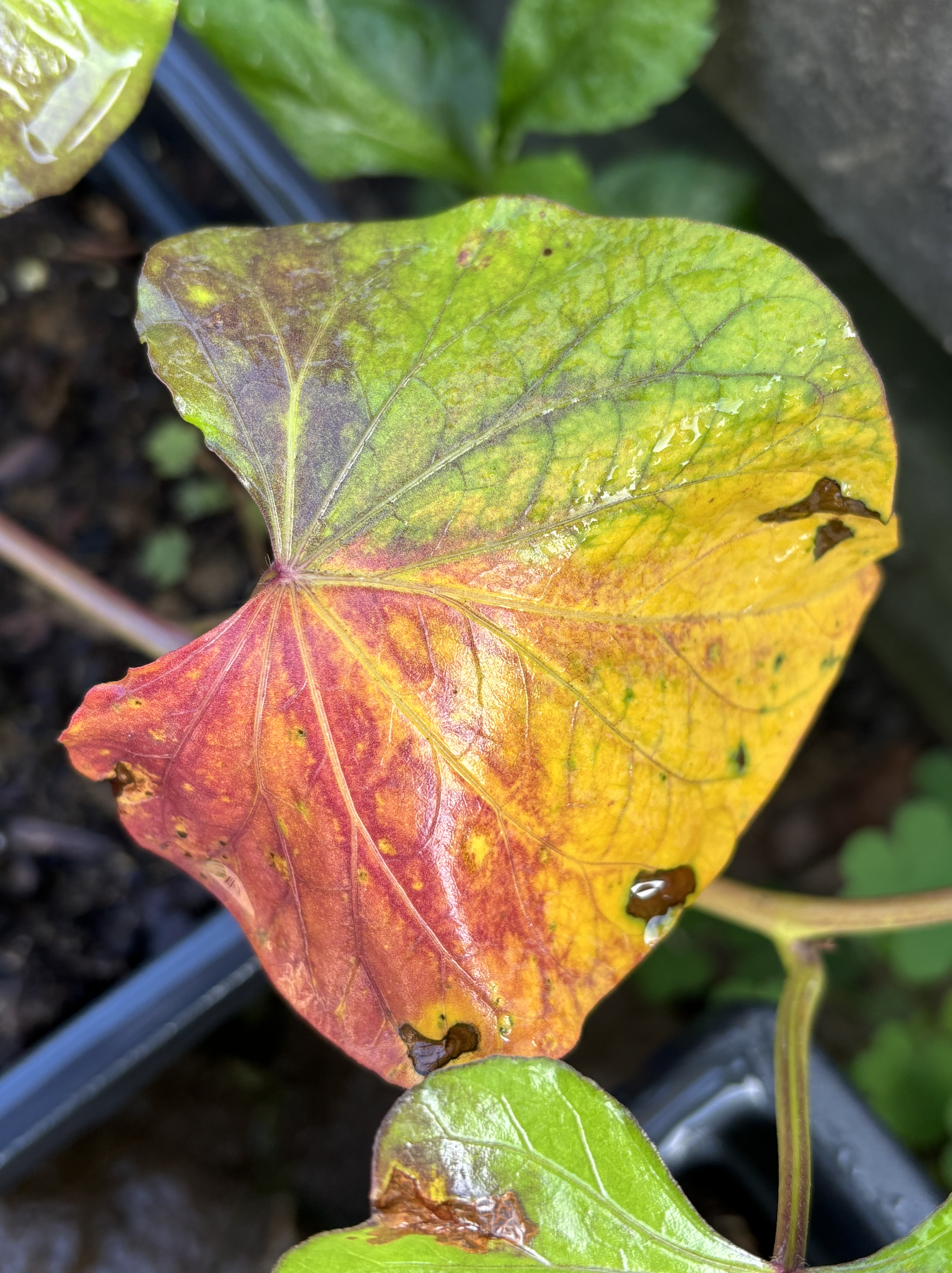
It is one of the reasons why we planted the sweet potato vine. First, I was awed by its color and luminescence. Seriously, I’ve never seen a plant glow or grow like this vine. Each day I step out back and stare at it, saying, “Unreal.” It’s more beautiful than I can believe. In an upside-down era it re-rights the world. It is real.

Recently, as if it intended to delight me to my core, a single caladium leaf emerged from the field of sweet-potato-vine-vibrant-green. “Look! An outlier!” I called to Kerri.

“Just like us,” she said, admiring the misfit. We poked around the plant to make sure this lone caladium leaf was really emerging from within the sweet potato vine. It really is. It, too, is real.

Real (adjective): 1. actually existing as a thing or occurring in fact; not imagined or supposed.

What’s real? Our current president is an adjudicated rapist, a convicted felon, a serial liar with a wiki-rap-sheet of sexual assault accusations that takes more than a single sitting to read. Those are facts, not imagined or supposed. Even so, his sycophants are doing back flips to keep we-the-people from seeing what is really in the Epstein files. They claim – as they have for over a decade – that what’s real is fake and what is fake is real. Apologists for the unforgivable. Apparently, accountability is nowhere in their party, nowhere in their plan, nowhere in their president, thus we are hit each day with a tsunami of conspiracy, chaos and blame, a festival of the fact-free, the supposed fantastic, the un-real.

Is it any wonder that each day we shake our heads and huff, “Really?” And then we head outside to check in with our sweet potato vine and outlier caladium leaf in an attempt to re-right our topsy-turvey world, affirming for ourselves what is actually real – and what is blatantly not.

read Kerri’s blog post about THE CALADIUM LEAF

likesharesupportcommentthankyou