Enter The Castle

[continued from Tell A Good Story]

Shuttering the business, closing down my coaching practice, ending all corporate work, cleaning out the metaphoric closet – created quite a void. Standing solidly in a void of my own making I found myself once again enrapt with the Parcival tale. I’ve told this story dozens of times to audiences of all sizes, in performance and in facilitation. I wove it through The Seer as the main character’s stalking story (the story that follows you throughout your life and only opens when you are ready for it). It continues to open for me, a flower with many petal layers.

title_page

The Parcival story is woven throughout The Seer

It’s a grail quest story. Because every human being is in search of his or her personal grail (their true selves), once the metaphors are understood, it is a very useful story for navigating life. At one point in the story, after years of trying to prove himself worthy and save the world from becoming a wasteland – something that he is personally responsible for causing – believing himself to be invincible, he is defeated. A “nature warrior” knocks him off his warhorse and his magic sword shatters into a thousand pieces. Parcival strips off his armor (his role) and weeps. He lets go. He shutters his business. Despite his best efforts, despite fighting every dragon and ogre, despite defeating every dark knight, the wasteland still happened.

As is true in life, in the moment of greatest defeat, the second master appears and for Parcival it is a hermit. Parcival follows the hermit back to his cave and retreats from the world. He waits impatiently for the hermit to teach him, becomes frustrated, and finally resigned to the absence of any useful lesson, all the while, each day, chopping wood for the fire, carrying water to the cave. Over time he forgets that he was ever a knight. He forgets that he felt broken. He forgets his quest. He becomes present to the moment and is no longer invested in a role or purpose. He chops wood. He carries water. He feels the sun on his face. He appreciates his moment.

And, as is true in life, that is the moment that the grail castle appears for the second time. To re-enter the grail castle, to become the grail king (or queen), we must see ourselves as we are, beyond the role we use for armor, beyond the mission we use for meaning making, beyond the things we think we need to say, or do, or be. We have to recognize that we are enough, just as we are created, sacred and beautiful and complete. We are not broken. Nothing needs to be fixed or changed or achieved. Parcival, enters the grail castle (life) in this consciousness, speaks his truth, and the wasteland, in a single moment, disappears.

[to be continued]

Go here to buy hard copies (and Kindle) of my latest book: The Seer: The Mind of the Entrepreneur, Artist, Visionary, Innovator, Seeker, Learner, Leader, Creator,…You.

Go here (Leanpub) for all digital versions

Tell A Good Story

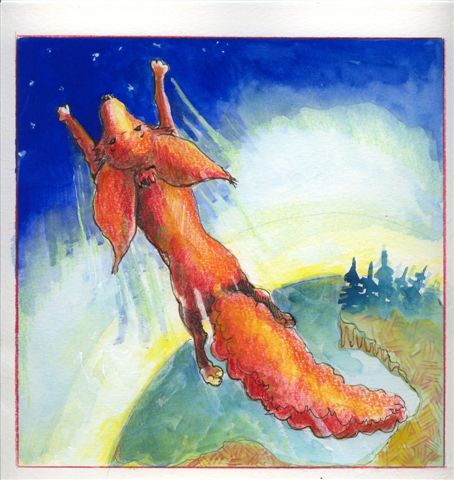
The Storyteller emerges from the forest. Lucy & The Waterfox

The Storyteller emerges from the forest. Lucy & The Waterfox

Over the years I’ve tried countless marginally successful ways to define for others what I do. It would seem obvious: I am a painter. I am a writer. Oh, and a theatre artist. And a consultant. And I’ve maintained a coaching practice. I’ve worked in education, the corporate world, with non-profits, and with entrepreneurs. So, in conclusion, I do too many things.

Well, that’s not exactly true. I do one thing. I deal in story.

I speak the language of story and that is confusing in any arena. What does it mean? Such a simple word, story, and yet it can mean so many different things. For instance, a truism in effective, transformational coaching is that the story doesn’t matter. By story, coaches mean the circumstance; in transformation, in the fulfillment of potential, the details of what happened – the story – are not useful. The circumstance story usually equates to blaming or endless attempts at self-fixing. The circumstance story gets in the way of growth. It is an anchor in the sea of dysfunction.

I don’t work with circumstance stories.

By story, I mean inner monologue, the-story-you-tell-yourself-about-yourself. By story, I mean the language that we use within ourselves to articulate belief. I work with the orientation story, the personal and communal mythology. Rather than get in the way, the orientation story defines the way. It defines what we see. It defines our relationship with time, with nature, with god, with community: it is the lens through which we make meaning. I help people change their lenses. Try explaining that to a CEO!

Last year, when Skip and I shuttered our business, I also shuttered my coaching practice. I ended my corporate work. Much of it came to feel like wearing an ill-fitting shirt –or a host of ill-fitting shirts – so I decided to clean out the closet. I wanted to drop all the definitions, the old forms, to make space for the new.

Last week I decided it was time to peek into the empty closet. And, as serendipity would dictate, I happened to be reading Frank Delaney’s engaging book, The Last Storyteller. On page 99 of this fictional tale, this is what I read:

“…every legend and all mythologies exist to teach us how to run our days. In kind fashion. A loving way. But there’s no story, no matter how ancient, as important as one’s own. So if we’re to live good lives, we have to tell our own story. In a good way. A way that’s decent to ourselves.”

I threw my head back and laughed. There is no story as important as one’s own. To live a good life we have to tell our own story in a good way. And then, there was this:

“…I don’t give anybody advice. All I do is release the good thinking that’s already inside of you. You’re the one who acts on your own advice, and I have the pleasure of helping you reach those thoughts about yourself. So it’s not me helping you. It’s you helping you.”

Ask me today what I do and I will say, I write. I paint. Ask me for more detail and I’ll open the book to page 99.

[to be continued]

title_pageGo here to buy hard copies (and Kindle) of my latest book: The Seer: The Mind of the Entrepreneur, Artist, Visionary, Innovator, Seeker, Learner, Leader, Creator,…You.

All digital forms of The Seer can be found here

Be The Detail

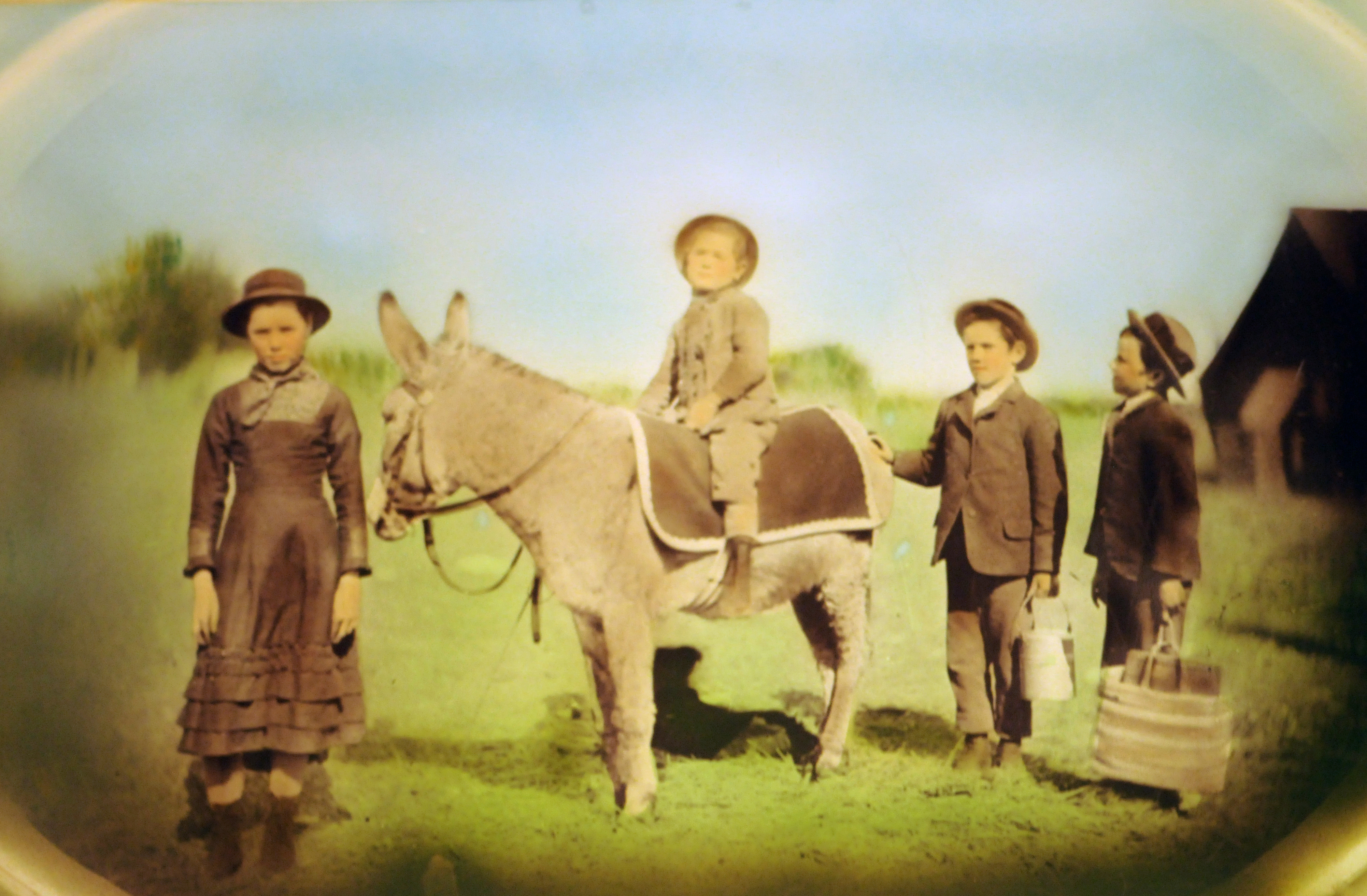
I took photo and used this image in The Seer.

I took photo and used this image in The Seer.

When I shared the early chapters of The Seer with friends, their feedback was universal: I was trying to say too much. They asked me to break it down into smaller bites. At first I resisted because I couldn’t see the path to smaller bites! In time I was able to step back and see what they were telling me. All of the necessary connective tissue was in my mind; I was filling in the thought-gaps. My wise-eyed readers had no access to my mental filler and saw a story riddled with gaps.

It was a valuable lesson for me. What I see is never what others see. Even when we share an experience, it is false to suppose that we had the same experience. We share. That is a much different thing than assuming sameness. When I think I am being clear, when I think that my point of view is right, I remember the gaps. I am projecting content and context filler onto every experience and so are all the other people in the room.

Perception is at best a moving target. This simple principle is what makes art so necessary and science so exciting. Newton thought he was dealing in absolutes. He was describing a universe based on uncontestable fixed principles. And then came Einstein. We see from and through a context that we like to call “truth” but, it is at best relative. Is it a particle or a wave? Well, it depends…

I used to facilitate an exercise called Mask Mingle. It is a powerful way to open eyes and hearts to the grace that we grant ourselves but rarely grant to others: specificity of story. We cannot walk through our days without carrying the specificity of our experiences and the rolling, roiling interpretations and re-interpretations of those experiences that we call ‘memory.’ No one can see what we’ve done and where we’ve been. No one sees the joy, the hurt, the dreams, the losses, the fears, the perseverance. They cannot see the detail. The best they can do is interpret us through their lens. We will always be a generality in the eyes of others.

I find that central to much of what I write about and coach about is the surrender of what other people might think. It is a fallacy to think that you can determine what others think of you. You will never see through their eyes. You will never know their lens. It is a powerful moment when an artist (or anyone) realizes that they have no control over the perception of others. The best they can do is offer their gift from their unique, unknowable, rich, point of view. That moment is called artistic freedom.

title_pageGo here to buy hard copies (and Kindle) of my latest book: The Seer: The Mind of the Entrepreneur, Artist, Visionary, Innovator, Seeker, Learner, Leader, Creator,…You.


Order Chaos

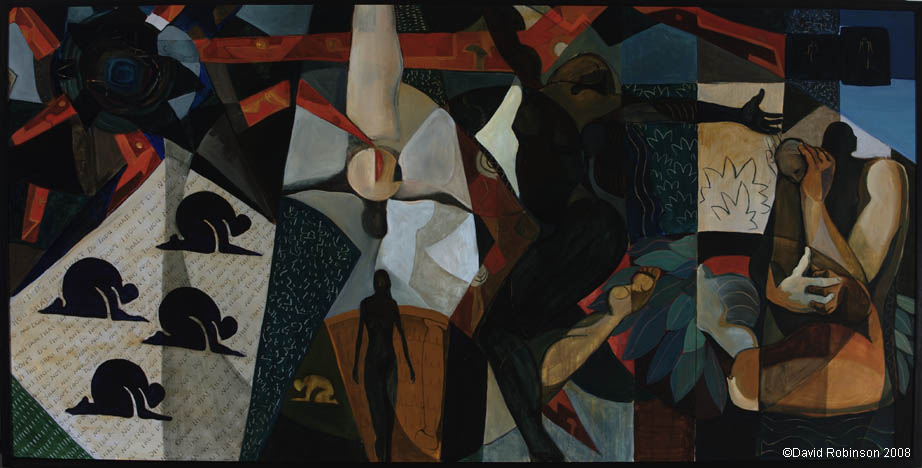
One panel of a triptych I did for a performance with The Portland Chamber Orchestra. This is, "Prometheus: Resurrection"

One panel of a triptych I did for a performance with The Portland Chamber Orchestra. This is, “Prometheus: Resurrection”

There is order. There is chaos. They are as intimately related as magnetic poles, the pull and push of action. Chaos is pulled into order and order is pulled into chaos, forms are thrown up and pulled down again. Life spins on this axis.

Today during my walk I made certain to step on the leaves. With the assistance of the wind, the trees are releasing leaves in great flurries of color. Orange and yellow and red swirl to the ground and then swirl on the ground, too. The movement is an invitation to step boldly on the carpet of color. I love the sound that it makes, the swirling and the crunching. What was out of reach a few short moments ago is now underfoot. Life is like that.

The wind off the lake was bitter so we turned down a side street and sought protection amidst the houses. It is rare that we don’t, as a Buddhist might say, “Eat the cold,” but today we desired presence to be warm. We scurried home, shuffling our feet through the leaves, and sipped hot apple cider, fingers wrapped around the mug to absorb the heat.

I read recently that the path to realizing our divinity is to accept our human-ness. Trying to be better than we are blinds us to how beautiful we really are. It’s a paradox. Apparently, divinity is not found in perfection but in the messiness of everyday. It is not a fixed state, but moves between the poles, sometimes wearing the mask of order, sometimes arriving in the face of chaos.

title_pageGo here to buy hard copies (and Kindle) of my latest book: The Seer: The Mind of the Entrepreneur, Artist, Visionary, Innovator, Seeker, Learner, Leader, Creator,…You.

Explore The Human

photo-2

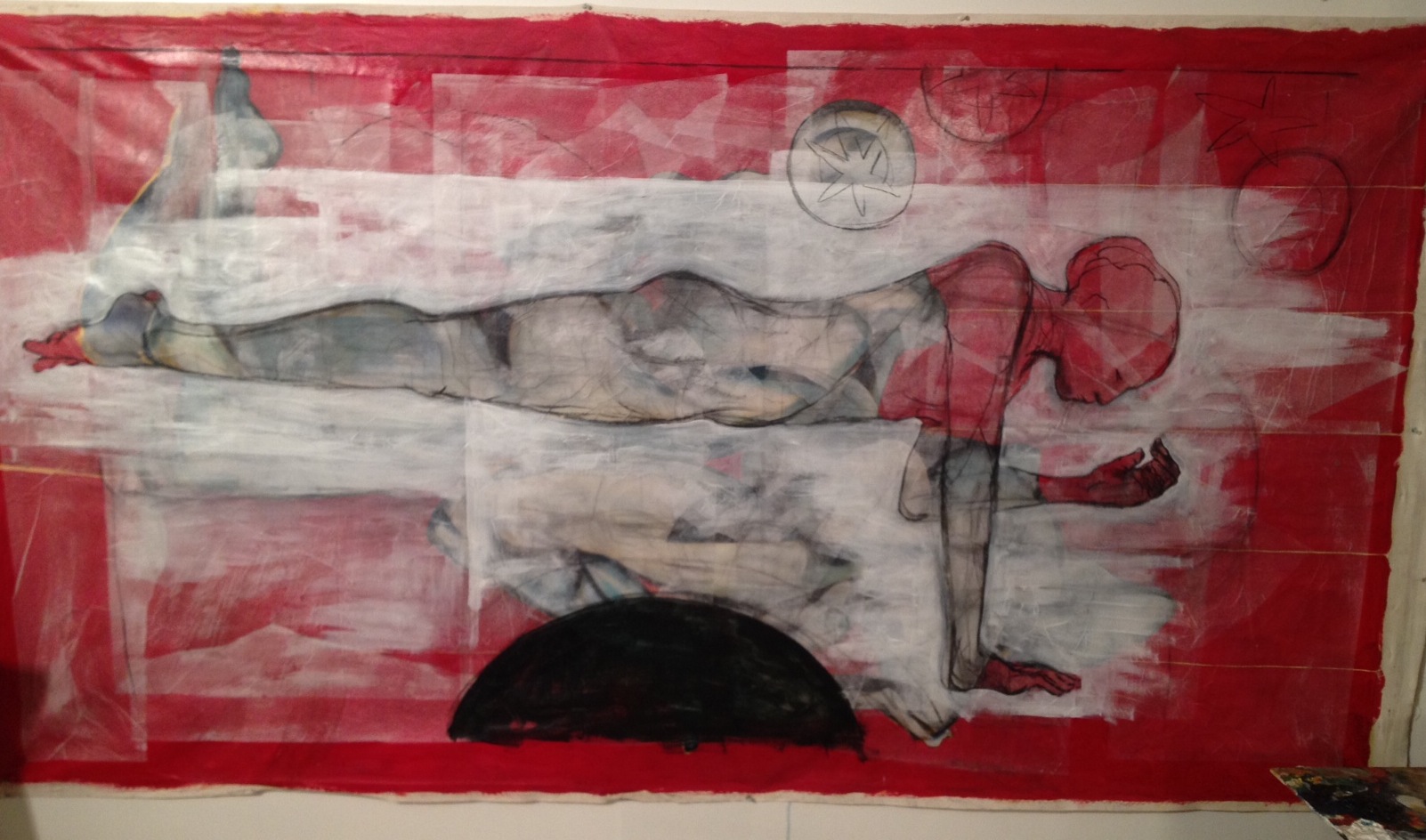
my latest work-in-progress. No name yet, approximately 5ft x 9ft.

Standing on the stair to her studio, Pam said, “I’m not sure where my work is going. I’ve pulled out all of the old paintings so I can see where I’ve been, what I’ve been doing, and maybe that will help me live into what’s next.” Like me, Pam has been a painter most of her life. She’s been through this transition many times before and recognizes the necessity of fallow artistic fields. Rather than push or panic, she’s matured as an artist and knows enough to value the emptiness.

With maturity comes faith. The muse never leaves. She rests. Artistic cycles are no different than seasons. Like a farmer living through the winter months on the harvest of the fall, Pam will spend hours sitting with her old work, thinking nothing, drinking in the nutrient of her artistic yield, allowing her inspiration fields to recharge and rejuvenate. She will allow herself to go empty, creating ample space for the new work when the muse reawakens. And then, one day, she will pick up a brush and be surprised by what comes through her.

Hans said, “An artist matures when he or she ceases working from their pain and begins exploring the human condition.” Working from the wound is necessary as adolescence is necessary. Most artists in our western tradition begin in rebellion, pushing against, making statements. We celebrate the outsider, the margin-sitter and so the wound can be difficult to escape: artistic pain becomes a role, an expectation. In practice it is akin to a developmental stall. The only place to go when pain is the norm is into the intellect: to produce, to make statements. Pain isolates and ultimately, an isolated artist is ineffective. Artistry, like all things vital, must occupy a shared space. It is communal or it is impotent.

Potency comes when the eyes turn out, when the question of “we” becomes more vital and interesting than the question of “I.” Artists mature when they reorient, when instead of the art expressing their pain, they serve the art and, make no mistake, art is another word for “human condition.” Art is bubbling life in all its forms: visual, kinesthetic, aural. As Hans said, “I want to fall deeper and deeper into the music. I want to find the edges and follow where it takes me, give myself over to it.”

title_pageGo here to buy hard copies (and Kindle) of my latest book: The Seer: The Mind of the Entrepreneur, Artist, Visionary, Innovator, Seeker, Learner, Leader, Creator,…You.

DSC_1196 copyGo here to support the kickstarter campaign for my play, The Lost Boy.

Covet The Right Stuff

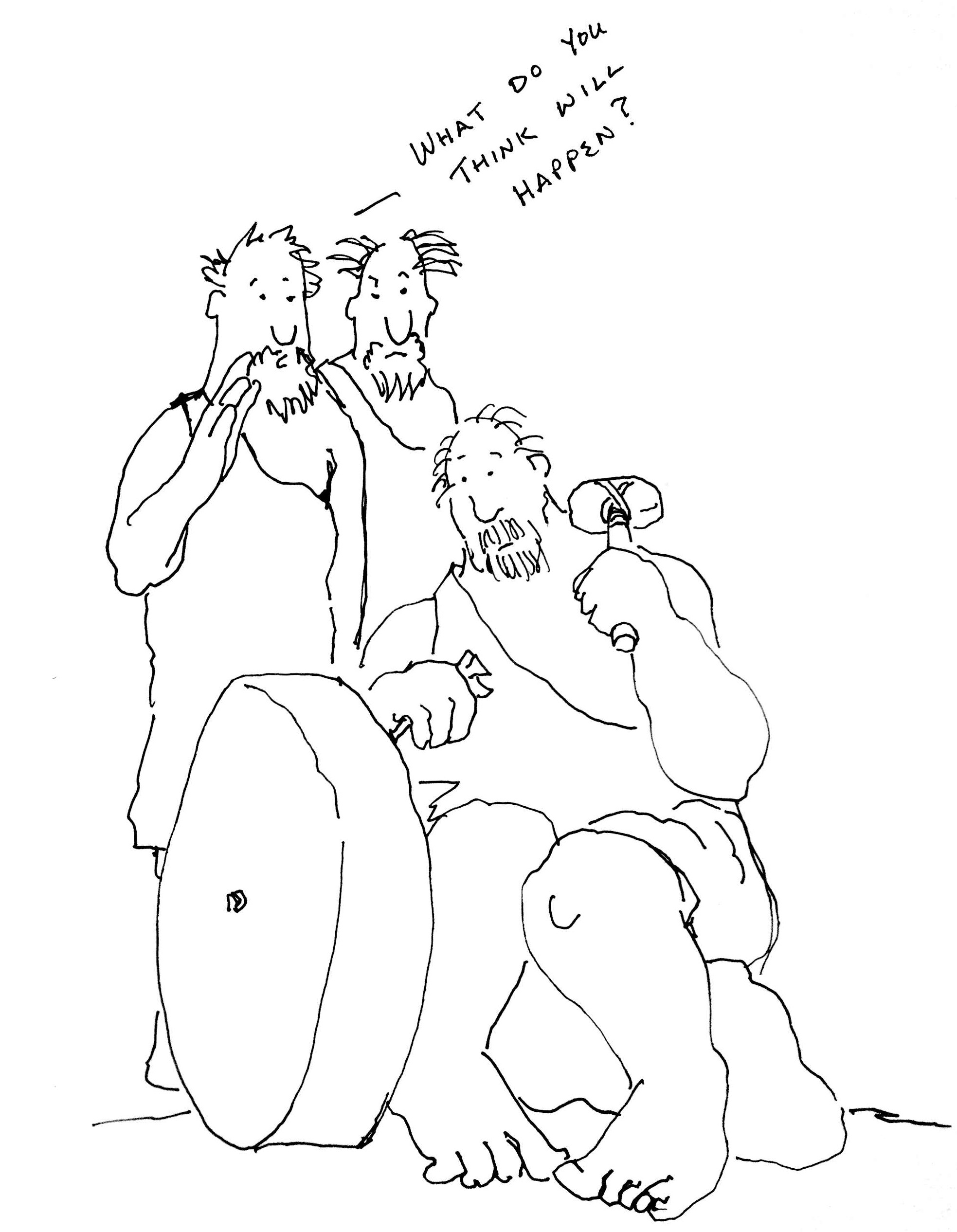
I did this drawing for my book, The Seer

I did this drawing for my book, The Seer

This morning Kerri shared a nice definition of the word “covet:” insufficient gratitude for what you already possess. It made me laugh because the definition exposes the ethical double bind of being human.

I imagine that in some distant past, a hairy guy stepped out of his cave and was startled to find that his neighbor had a new thing called fire. Being cold and also tired of eating sushi for every meal, he coveted his neighbor’s fire. He wanted some of that. A healthy lack of gratitude for what you already possess is often how good ideas spread (a random anthropological note: I read this morning that the average life span of a cave man was 18 years. I suspect coveting warmth-by-fire increased the average by a couple of years).

So, to covet is sometimes useful, especially where essentials like food, fire, and stories are concerned. It is only human to want enough food, a roof over your head, and a life-story that has meaning and purpose.

To desire is human. To want a better life is universal. What is the line between desire and coveting? To want what others have, to a certain extent, is pack behavior and we are, like it or not, creatures of the pack. Product marketers around the world count on our capacity to want what other people have and so our covet-muscle is exercised daily. The creation of imaginary need is a super trick for selling stuff and coveting what others have is key to lack creation. It’s hard to sell things if people are fulfilled.

So, to covet may be a warning signal that you are building your tower of meaning on sandy soil.

And that loops back to gratitude. All day, Kerri and I have been talking about being conscious in the moments of your life. None of us have unlimited time on this earth. The only thing we actually possess is our moments and our choices within our moments. The other stuff is really on loan and generally passing. Spiritual teachers and artists throughout history are unanimous on this point: the path to a rich life is built upon presence. Paying attention, exercising deep gratitude for the moments of your life, will always illuminate the extraordinary in the ordinary. Cultivating the capacity to see your extraordinary life will help you will covet the right stuff. Feeling grateful for your moment is always easier when you are warm and your brontosaurus burger is cooked just right.

title_pageGo here to buy hard copies (and Kindle) of my latest book: The Seer: The Mind of the Entrepreneur, Artist, Visionary, Innovator, Seeker, Learner, Leader, Creator,…You.

Check out the kickstarter campaign for my play The Lost Boy. DSC_1196 copy

Peel Off The Laminate

An illustration from my children's book, LUCY AND THE WATERFOX

An illustration from my children’s book, LUCY AND THE WATERFOX

Last week in a fit of frustration I climbed a ladder and scraped the damaged paint off the kitchen ceiling. The paint was compromised a few years ago and needed repair. The peeling paint was on my summer list of things to fix but we were traveling most of the summer. Autumn arrived and the to-do list remained. Scraping and sanding always leads to the necessity of new paint and Kerri said, “If you paint the ceiling it will make the walls look dingy. We better paint the walls, too.”

So, standing in the kitchen, fists filled with paint chips, discussing color possibilities, we realized that all of our color choices were defined by the fading yellow of the ancient kitchen countertop. The counter was at least 50 years old, laminate, and held in place by some well-placed packing tape. We’ve talked often of the day in some distant future when we could afford to replace it and that day seemed very far away.

In that moment, hands filled with paint chip possibilities, we realized that the countertop had became a metaphor. We were defining our choices based on a limitation. Or, said another way, we were limiting our possibilities based on our belief in an obstacle; what we could or could not do.

How often is that the case? What self-imposed limit defines the choices we see? How often do we unwittingly shrink our field of possibility? How often do we allow the things we don’t want to define our actions?

It took less than 30 minutes to pull off the old laminate, break it into pieces, bag it, and get it out of the house. As I wrote in an earlier post, the spontaneous kitchen remodel began when we realized we had the power to remove the limit. We had the capacity to make choices based upon a different set of criteria. Before the spontaneous remodel we believed we couldn’t afford to change the kitchen countertops. The moment of paint-chip revelation made us understand that we couldn’t afford not to change them.

Life is great at applying belief-laminate to us: what we think we can and cannot do. Something profound happens when, in a moment, we understand that we are capable of challenging the limit, of pulling off the laminate, of being forced to step into a greater field of possibility (known from henceforth as the “Now What?”)

It is worth noting that our new countertop, the old plywood support and made exceptionally beautiful with chalk paint and wax, has transformed our kitchen and our actions. We hang out in the kitchen. The colors we are considering using for paint are now based on what we want to create and not on what needs to go with the old yellow laminate.

title_pageGo here to buy hard copies (and Kindle) of my latest book: The Seer: The Mind of the Entrepreneur, Artist, Visionary, Innovator, Seeker, Learner, Leader, Creator,…You.

Go here (Leanpub) for all digital forms of The Seer.

Yoga.ForwardFoldOr, for kicks, go here for Fine Art Prints (and other stuff) of my paintings.


Step Into Your Sanctuary

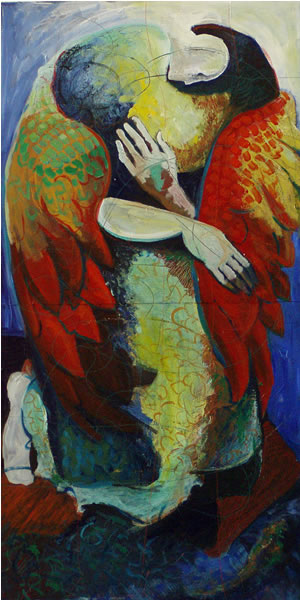
An oldie simply called ANGEL

An oldie simply called ANGEL

It is night and I am hanging out in the sanctuary while Kerri attends a meeting. I never in my life thought I’d hang out in a sanctuary but I quite like it. It is quiet and I am by myself. It is a good place to meditate or just get still. I am sitting with my stain glass window wondering if there is a conversation in the offing. I’ve spent many nights in my life sitting alone in dark empty theatres and always felt the same sense of peace that I feel at this moment.

I like the word “sanctuary.” It implies a safe place, a resting place. If all the world is my studio then it is also my aspiration to live as if all the world is my sanctuary. I’ve always understood my studio to be a holy place, a place of creation and presence. Going to my studio has always been a step into a safe space. It is where I rejuvenate. Tonight, sitting here, it occurs to me that “studio” and “sanctuary” are very similar words. They are very similar places just as “theatre” and “church” have, for me, been mostly interchangeable: where we go to affirm the stories that identify and transform us; where we go to find our community. My sister finds her community in a church. I have, until lately, found mine in the theatre.

This rambling path begs the question, “What is sacred and what is not?” Yesterday Diane told me that she is a spiritual teacher and I believe that is true. This morning while walking I remembered her words and wondered if we are all spiritual teachers to each other. Some of my greatest teachers had no idea that they were teaching me.They had no intention of teaching me. One great teacher was sweeping a floor and had no idea that I was watching him. He was one of the happiest people I have ever seen. He was shining. He was doing a job that most people would deplore. Everyone who saw him smiled, myself included. He was not his job. He was not his body. He was…connected and alive in his moment. He was living in his sanctuary and helped me know that all the world can be a holy place. He helped crack my understanding of what is possible.

These lines we draw between the sacred and profane are mostly imagined. They are convenient and sometimes useful but they are illusions that I am beginning to understand as destructive. Us and them. A divided house begins in a belief of divisions – a need for division. I’ve often told the story of the executive, red in the face, pounding the table with his fist, shouting, “I know how to compartmentalize my reason from my emotions!” I remember thinking, why would any one want to cut off their emotions from their reason? A better question might have been, who, in their right mind, willingly cleaves themselves into pieces? What delusion is necessary to entertain the notion that reason and emotions are distinct and separate? Separations are generally an indication of not-right-mindedness and a dedication to controlling the uncontrollable.

The angry executive was also a great spiritual teacher for me, too. He taught me to check my assumptions and step over the lines of false distinction that I draw. I can connect the dots directly from his table pounding exclamation to my desire to define my studio as all the world; to live consciously in my sanctuary all of my days.

title_pageGo here to buy hard copies (and Kindle) of my latest book: The Seer: The Mind of the Entrepreneur, Artist, Visionary, Innovator, Seeker, Learner, Leader, Creator,…You.

Or, go here for all digital forms of The Seer.

Go here for fine art prints of my paintingsEmbrace

Tap Your Wellspring

photoThe winning phrase of the week is “Wellspring of jubilation.” It came as a wish, “May you always drink from the wellspring of jubilation.” What a great image!

A wellspring is no ordinary spring. It is a source, a beginning point. The phrase made me ask more than a few good questions. For instance, how would I live my life if I was sourced from a wellspring of jubilation? Or, a more useful question: what is my wellspring? Where do I draw inspiration?

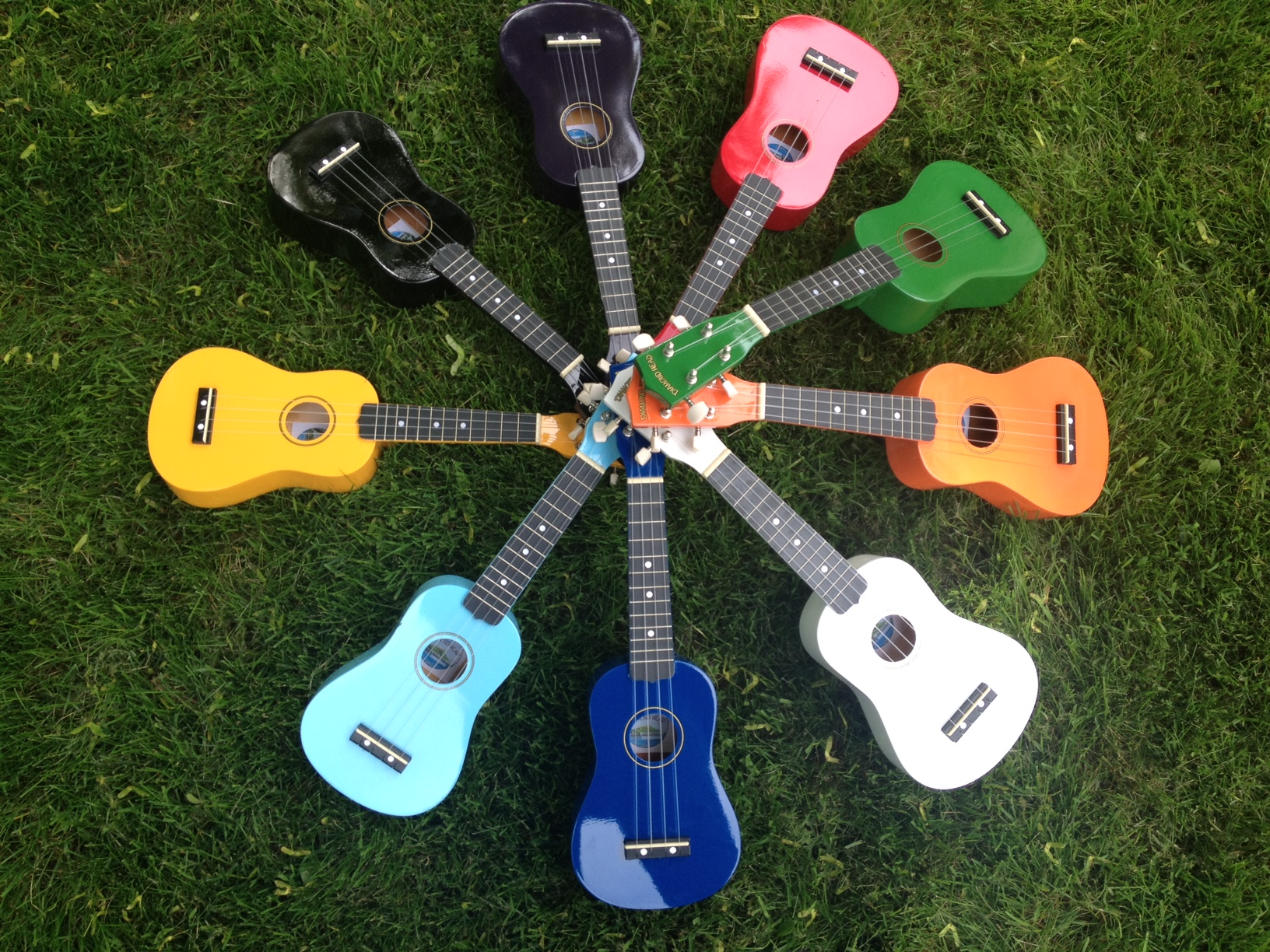
Last night on our back deck we held ukulele band practice. We are rank beginners but we played our notes with gusto whether they were right or wrong. We laughed. We sang so loud that a neighbor down the street got on her bike to seek the source of the music. What is the source of the music?

Jay brought a travel guitar to the ukulele practice to lend to Helen. Helen is petite and wants to play the guitar but is having a hard time finding one small enough for her hands. After the ukulele practice, Kerri held the guitar and played a few chords for Helen and the chords morphed into an old John Denver song. All the women began to sing. The sun was setting, the women were softly singing, and Helen’s face was beaming. She’d found a guitar that she could play. The moment was pure and stopped me in my tracks. It is a gorgeous moment when desire meets potential and possibility is born. This moment was a drink from the wellspring of jubilation. It filled me.

Jubilation is rejoicing. It is celebration and sometimes celebration is quiet. Sometimes rejoicing is a song whispered with friends as the light of day passes from pastel to gray. As I listened to their song, as I watched the faces of the singers, I decided that the wellspring of jubilation is everywhere. I am capable of being in my wellspring all the time. It is not location specific. The source of all things that inspire me is not a place: it is an orientation to my life. It is the simple act of paying attention; seeing the moment, participating in the ordinary that is extraordinary and knowing beyond doubt that the extraordinary is everywhere.

The extraordinary is happening all of the time. The question is not, “Where is it?” The question is, “Can you see it?”

title_pageGo here to buy hard copies (and Kindle) of my latest book: The Seer: The Mind of the Entrepreneur, Artist, Visionary, Innovator, Seeker, Learner, Leader, Creator,…You.

Go here to get fine art prints of my paintingsEmbrace

Speak Your Truth

old photo of an old watercolor. I did this painting sometime in the 1980's

old photo of an old watercolor. I did this painting sometime in the 1980’s

Words hook me and lately I’ve been paying attention to the difference in the phrases:

  • Speak the truth, and
  • Speak your truth

One word makes a world of difference! Literally, an entire world of differentiation is made in one little word. “The” truth or “your” truth?

Outside of every courthouse in America is Lady Truth wearing a blindfold and holding a tipping scale. The idea is that truth is objective and fact based. Truth, so the symbol implies, is blind to any personal consideration and justice is equal to all who enter the marble courthouse. It’s a concept that was firmly ensconced in the age of reason with roots running back to the Greeks: truth is something neutral, measurable, concrete, fixed, and external. In such a construct, inner truth is suspect because it is subjective and, at best, fluid.

I’ve sat on a few juries and was reinforced in the notion that the lawyer who told the better story always wins. Truth in the courthouse was as malleable as truth outside the courthouse. The point of the whole exercise, a prosecution and a defense telling opposing stories to a captive group of citizens, is an exercise in subjectivity. Whose version of truth do the captive citizens embrace? Truth, in the courthouse, is an agreement.

Also, there are a myriad of forces at play in the epicenter of the symbol and few are fixed, blind, or measurable. For instance, a public defender with a mountain of cases does not stand a good chance against a modestly prepared prosecution. The story is already tipped when the circumstance of the play is “someone stands accused….” If truth were fixed and measurable, millions of Americans would not be glued to their televisions each night watching Law & Order. Truth makes for good drama because it is a matter of perception. Truth is perception.

We live in the age of news as entertainment (I’d make an argument that we’ve digressed into the age of news as marketing ideology – but that is a post for another day). For instance, listen to the news as told by MSNBC and then flip your dial to FOX NEWS and you’ll see what I mean. Then, for grins, listen to the same series of stories as reported by the BBC. We regularly apply two words when debating our news-of-the-day that make me shake my head with despair: slant and spin. Truth is what we want to believe – or, more to the point, what others want us to believe.

And therein lies the hook. Because we hold dear the notion that truth is neutral, external, and objective, despite overwhelming evidence to the contrary, we are willing to abdicate personal truth. We blunt the inner guides for what we are told to think, feel, and believe. We become passive. If truth is fixed and external then the inner voice is all but meaningless. Self-doubt is the blossom. The symbol of blindfolded Truth is accurate but it is a different kind of blindness. Seeing is as much internal as external. Experiences are interpreted; there will always be conflicting points of view. That means there will be multiple truths. Always. Isn’t that the definition of subjective?

The only real measure that matters is inner truth. At the end of the day, in the dark of your private space, there is no one other than yourself to ask (and answer) the question, “Did I speak truth or did I spin things.” Words matter. Words create. Truth is the name we give things.

title_pageGo here to buy hard copies (and Kindle) of my latest book: The Seer: The Mind of the Entrepreneur, Artist, Visionary, Innovator, Seeker, Learner, Leader, Creator,…You.

Go here for all forms of digital copies

Go here for fine art prints of my paintings

Eve, by David Robinson

Eve, by David Robinson