On The Day of “How?” [David’s blog on KS Friday]

Thoughts from the trail on day number 2 of a new year:

In my distant past I led workshops and retreats. Attendees, after having a significant revelation, would inevitably ask, “How do I take what I now know back into my day-to-day life?” At the time I generally threw the question back at them. “How do you take it back?” There is no formula.

How do we integrate new wisdom into ancient patterns? How do we weave our dreams into our white-knuckle-grip on reality?

There are ubiquitous platitudes that offer not-very-helpful-advice: “Out with the old and in with the new.” “Just do it.” “Pull up your bootstraps.” “Put on your big-boy pants.” These bromides are built upon faulty notions that 1) change is a one-and-done achievement rather than an ongoing process, 2) change is a linear path, and 3) change is something done all-by-yourself in a vacuum.

We only know ourselves in relationship to others. There is no arrival platform in this ever-changing life. Although we would like it to be otherwise, learning (change) is cyclical – it is never linear – and has no end (well, there is one definitive hard-stop).

I could have responded to my attendees with a question like this: To what story are you married? What makes your new insight a threat to the old story? Can you relax, breathe and detach from parts of the old story? I might have suggested that the question “how” presumes needing to know before acting. Is it possible that knowing “how to do it” is something seen after the fact? What if the “how” of taking a revelation back into life can only be understood after it is experienced? And what if “how” is a series of discoveries that never end?

I worked with a man who preached that people only change when, “The pain of staying the same becomes greater than the pain of making the change.” There is some truth to his belief. Pain is a potent motivator. Not-knowing can be unpleasant and very few people willingly walk into discomfort. Discord is a prerequisite of concord. And, vice versa.

Yearning is painful. Holding a dream can be excruciating. Stepping toward a vision can be scary as well as exhilarating. Staying the course in the face of internal opposition is a choice that is made again and again with each new step. And, each new step reveals previously unseen possibilities.

Revelations create new images, updated visions. What if the only thing that matters is stepping toward the vision – especially knowing that each new step will inform and alter the vision? And, what if standing still or temporarily turning away is actually an action: moving toward rather than running from? There is grace in recognizing readiness.

Thoughts to myself from the trail on day number 2 of a new year. It is the day that the fog of holiday celebrations clear and we begin to doubt our resolutions and question the strength of our revelations. It is the day we ask, “How?”

BLUEPRINT FOR MY SOUL on the album BLUEPRINT FOR MY SOUL © 1995 Kerri Sherwood

Kerri’s albums are available on iTunes and streaming on Pandora

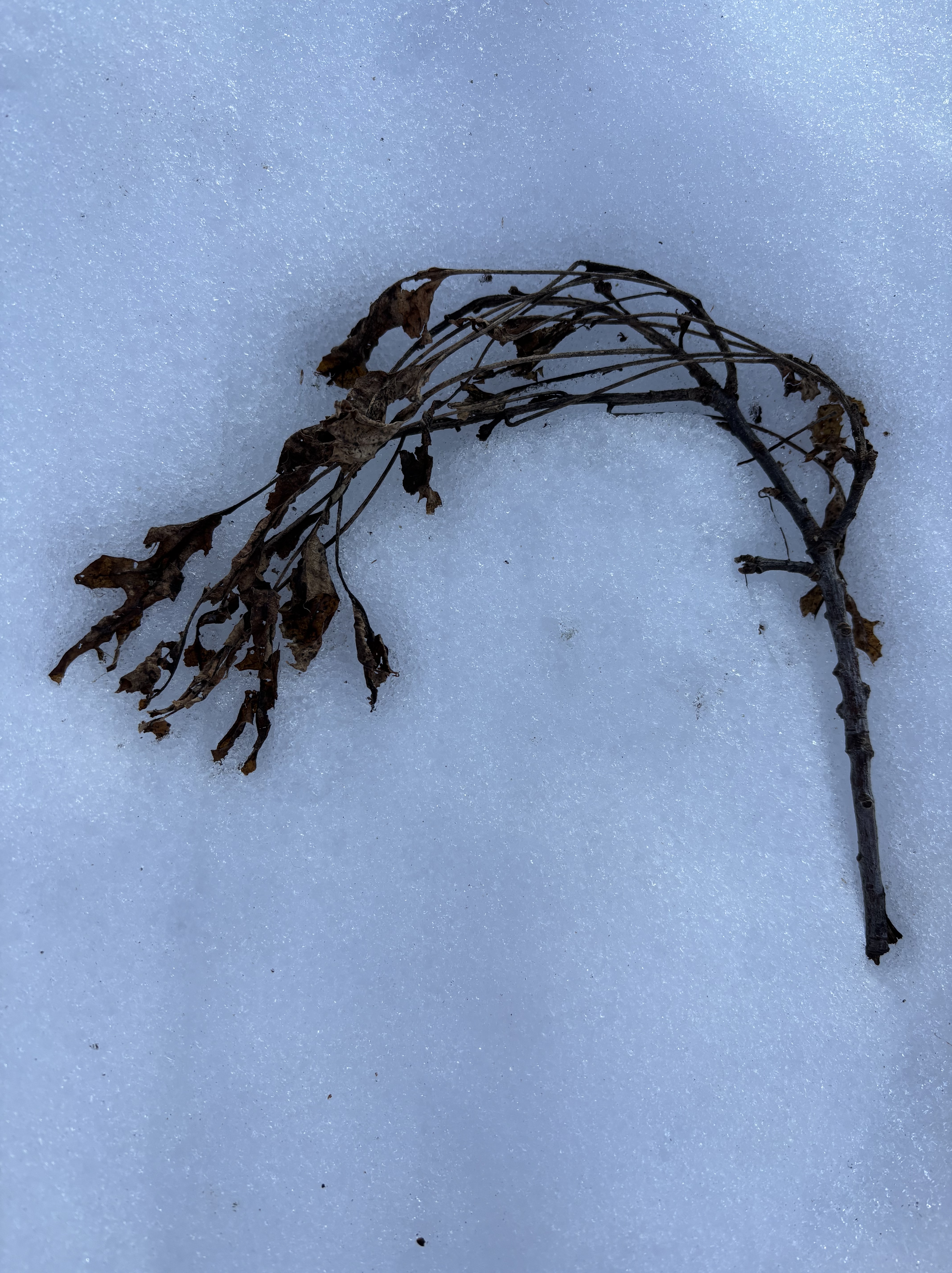
read Kerri’s blogpost about THE BRANCH

likesharecommentsupportthankyou

The Spirit Of Play [David’s blog on DR Thursday]

In a fit of serendipity, while awash with an overwhelming feeling of loneliness, this morning I opened The Marginalian and found musings about loneliness:

“Jungian analyst Robert A. Johnson groups all the possible lonelinesses into the three core kinds that pulsate beneath our daily lives and govern our search for love: the past-oriented loneliness of missing what once was and never again will be, the future-oriented loneliness of longing for what could be but has not come to pass, and what he calls “the profound loneliness of being close to God… The first two lonelinesses are rooted in time…The third kind of loneliness deals not with the temporal but with the eternal; it exists outside of time — like music, like wonder, like love.“[Maria Popova, The Marginalian, April 20, 2025]

Yearning for the past. Fear of the future. Disappearing into the now.

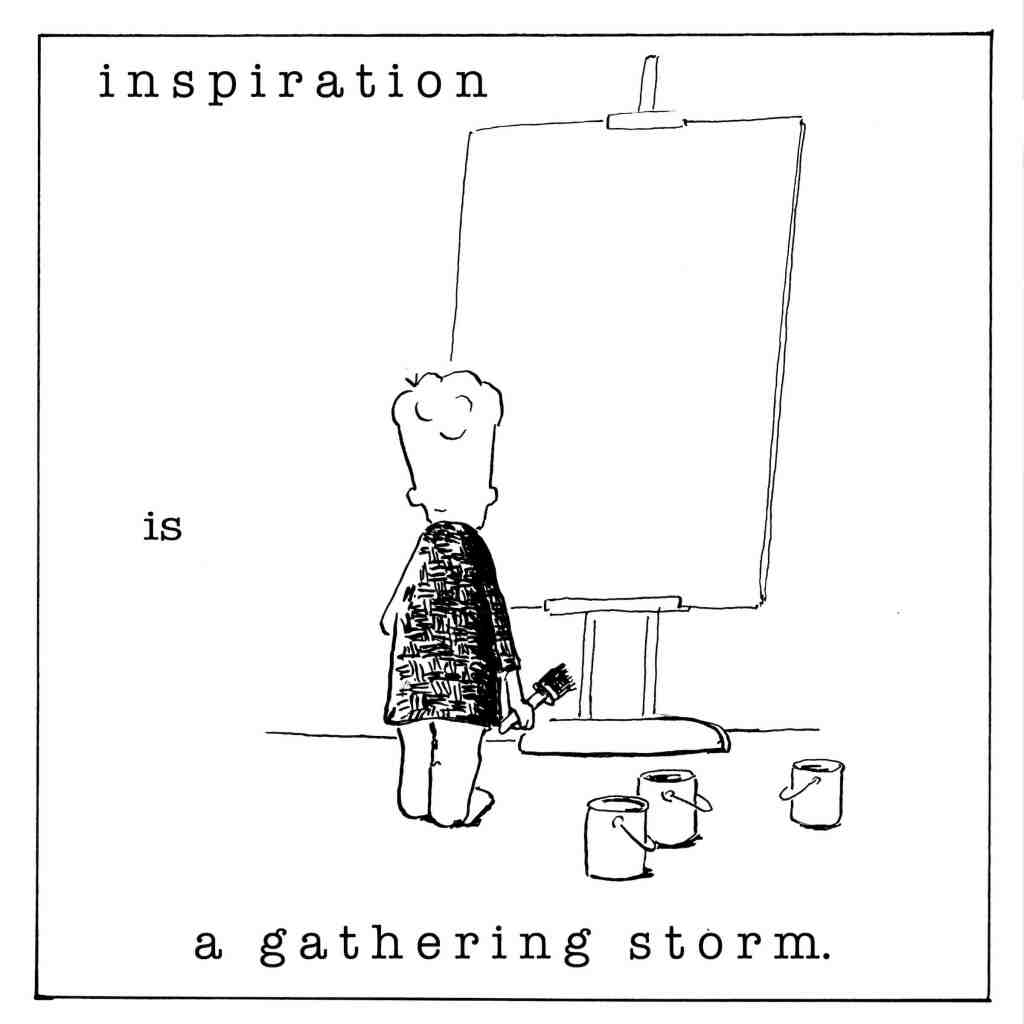
I’ve spent my entire life standing in front of an easel. The younger me was trying to get to something behind the eyes. He was reaching into the mystery to try to understand it. Paint was the means to get there. I miss that man. A later version of me became burdened with trying to get eyes to see what I had painted. He was trying to reconcile the inner pursuit of the mystery with the outer necessity of paying the bills. His valuation became wonky, sometimes confusing personal worth with sales of his paintings. His intention split. He questioned the price of pursuing the mystery. When the acknowledgment finally set in that he would never have pieces in museums or coffee table books written about his work, he struggled but soon realized his struggle was akin to a butterfly breaking free and shedding a cocoon.

Two kinds of loneliness. No one can go with you when you gaze into the past; sense-making what-was is a solo journey. Similarly, no one can accompany you into the cocoon or know what lies beyond.

I loved this phrase in the article: “…the existential disorientation of feeling your transience press against the edge of the eternal, your smallness press against the immensity…” That perfectly describes how I now feel standing before my easel: small.

Kerri sat with me in the studio. I have two tiny canvases sitting on the easel. As I was describing what I was intending she stopped me and challenged me to do something new. She challenged me to let go of what I know. She asked me to step beyond my comfortable place into the mystery. I knew she was right. I know it is the only way forward. That is why I miss terribly the younger version of me who didn’t know any better. He threw paint with enthusiasm because he didn’t know any other way. He lived each day on a new trail; exploring.

I heard Horatio in my head: “Paint crap!” he said, howling, a laughing Buddha. “Paint lots and lots of crap.” Stepping onto a new trail is lonely. And, that’s the point. There’s nothing like not knowing what’s ahead to open the eyes (and heart) to the greater mystery (read: possibility), to fill-up withwonder, to resurrect the spirit of play.

from the archives: LAUGH, 18″x24″ oil on canvas (the collection of Marian Jacobs)

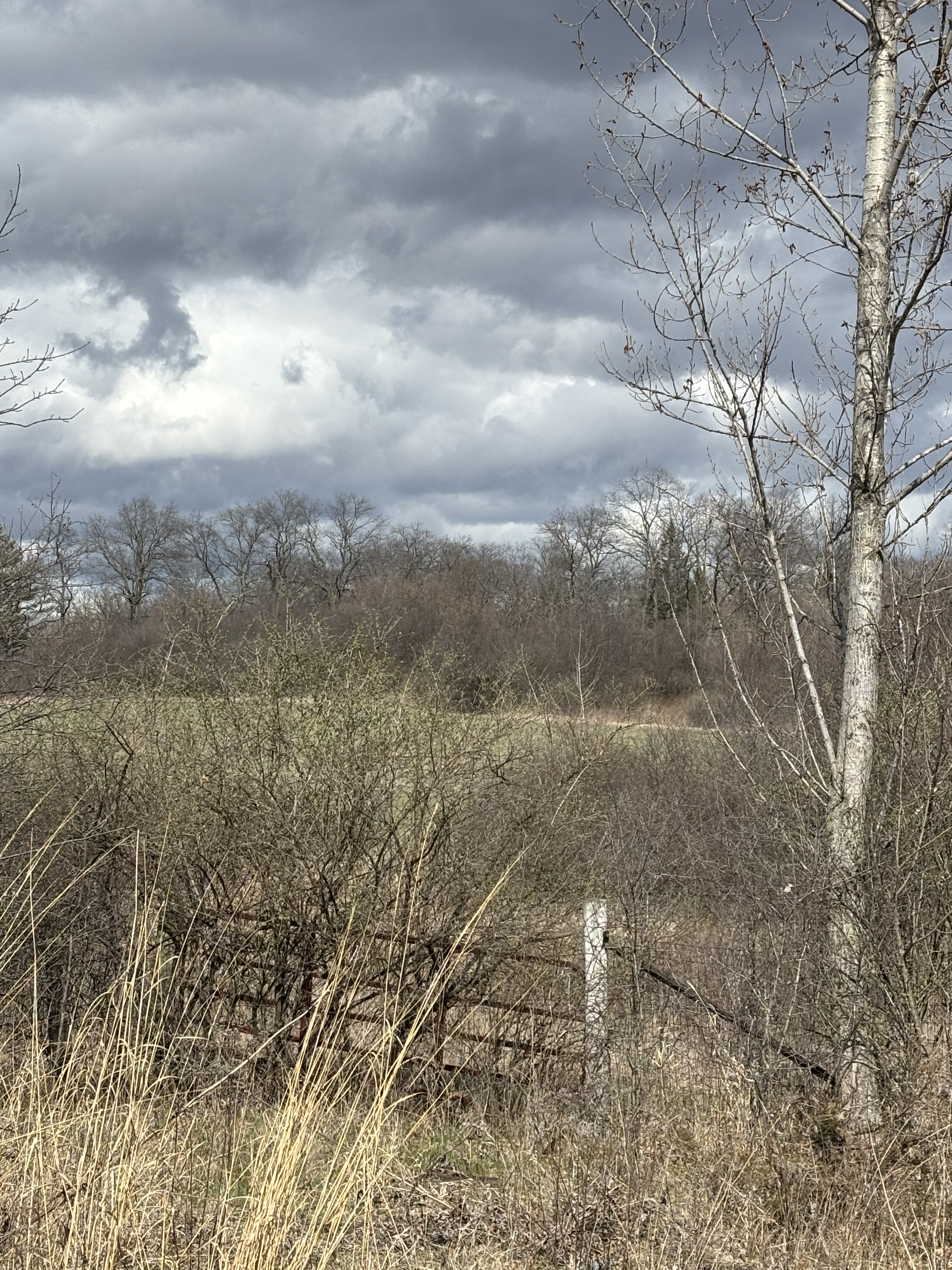
read Kerri’s blogpost about THE FENCE

likesharesupportcommentsubscribe…thankyou.

Happily Blank [David’s blog on Two Artists Tuesday]

Rob gave us the perfect word to describe our passage through COVID. He called it stubborn. It does not easily let go. Fortunately, we’ve been having brilliant autumn days so we entertain our stubborn guest by sitting in the sunshine. We have the energy for sitting and not much else.

Sitting in the sun for days on end has afforded ample time for reflection and random rumination. My thought-trail returns again and again to our southwest trip-COVID combination and how it feels like the end of a chapter. A portal into the new. I recently wrote about the number 9 – spurred by our 9th anniversary – as a significant number of completion. Our anniversary came the day after we returned home and neither of us remember it because we were both fevered, achy, and miserable.

Life passages are often marked by liminal spaces. Neither here nor there; in-between places. My favorite words associated with liminal spaces are uncertain, insecure, unsettling. They can be dreamlike. All are perfect descriptions for how we feel in our seeming eternal COVID zone. Life has stopped. I can no longer remember if I once served a purpose or not. It all seems made-up. The fever zone was preceded by a journey into sacred land, dreamscapes. I dare anyone to visit Goblin Valley and not feel as if they’ve entered another dimension.

A younger me would have tried hard to get grounded, to force a move beyond the discomfort of disorientation – essentially reaching backward to grab hold of what was known. This older version understands the wisdom of insecurity. It is a mistake to reject the liminal. Any significant step into the “new” chapter requires a loss of the known. An open hand, a blank slate, is sometimes uncomfortable.

Holding on to what is no longer useful will in the long run prove to be much more uncomfortable; this amazing universe is in no hurry to deliver its lessons and is quite capable of amping up the discomfort until letting go is recognized as less painful than holding on.

We’re moving on to the next…and, from our chairs in the sun, with achy bodies and no energy to speak of, we have not the first clue what will be written in the next chapter. For now, we do not need to know. In fact, we need to not-know. For now, the blank page will remain happily – if uncomfortably – blank.

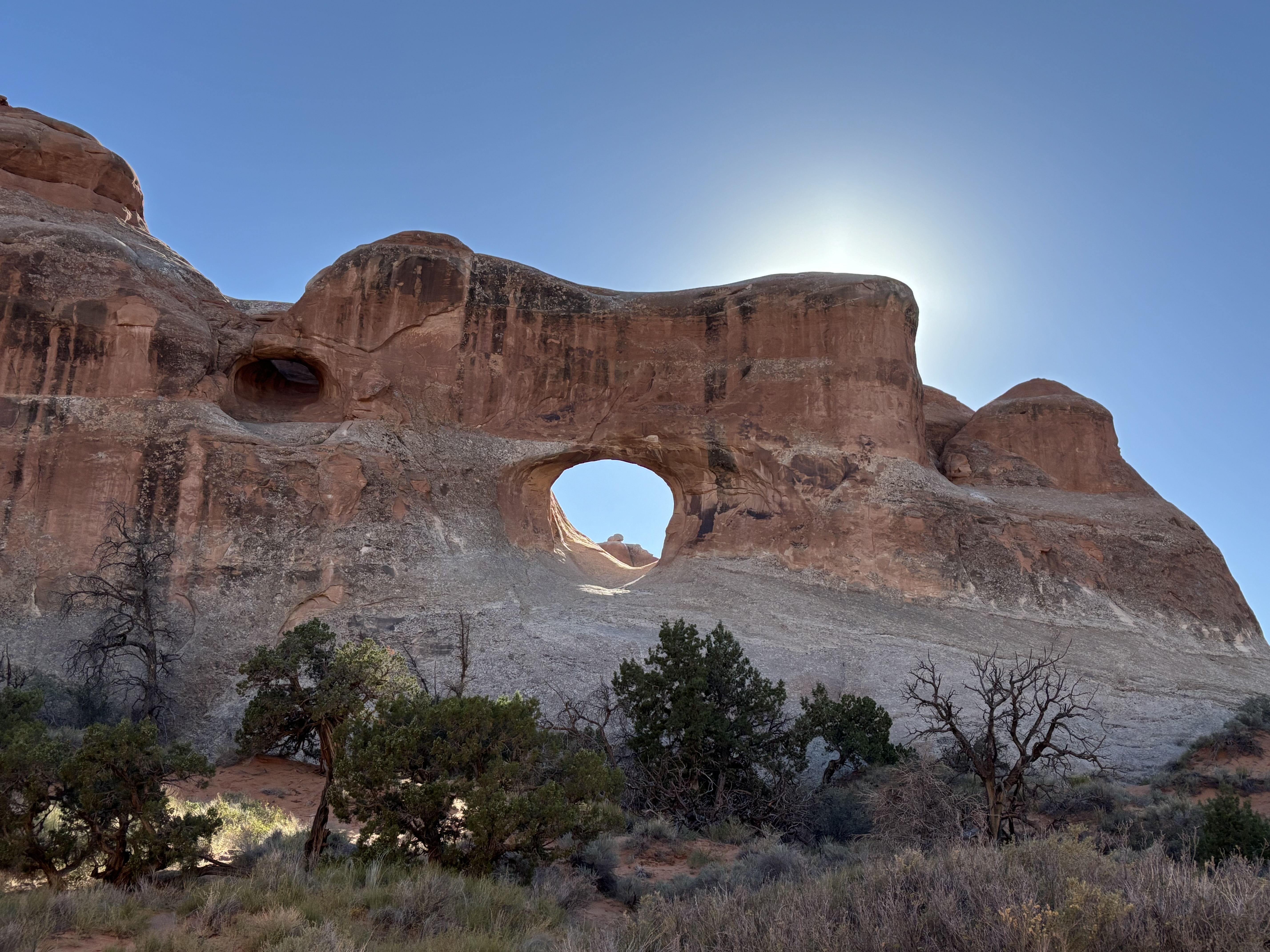
read Kerri’s blogpost about TUNNEL ARCH

like. share. support. comment. subscribe…thank you.

Circle Back Again [David’s blog on DR Thursday]

I could have sworn a famous John Singer Sargent painting featured hibiscus. He painted poppies and roses. There is his famous Carnation, Lily, Lily, Rose. Google isn’t helping me very much – or, today, I have very little patience.

The truth is I want to dig out my old art books and have a full analog experience. I want to turn pages and smell the ink and the dust. It’s a cold wet day. Dark. I want to sit in my studio rocking chair and revisit the version-of-me that used to sit for hours studying the paintings of masters. I have traveled full circle. I am back to believing that I know nothing. I am a beginner again.

In Scotland, a long time ago, John Singer Sargent’s portrait of Lady Agnew stopped me in my tracks. I wasn’t prepared for what I was about to encounter. Rounding a corner I saw the portrait hanging at the end of the hall. The brushstrokes were easy and free. Get close to it and you’ll discover there is no wasted motion. The paint speaks. It’s not a large portrait yet I felt it as a gut punch. Had I not been blocking the view of others, I would have stood before it all day. I left the museum certain that I knew nothing at all.

I’ve learned to appreciate these phases of not-knowing. They are not necessarily comfortable. Yearning never is. There’s nothing like empty space in your chest and a lump in your throat to set in motion a walk toward the next horizon. What’s over there?

On the trail yesterday I re-remembered the-one-thing, the one-essential-ingredient that makes a walk toward the horizon and away from the safety-of-the-known an adventure: under no circumstances must I take myself too seriously. Do not eat the ego-illusion that my work must or will change the world. It won’t. The world does not need changing. It only needs to be experienced. And I only need to express what I find as I circle back, sharing what I discover.

underpainting for what’s next

Visit my gallery site

read Kerri’s blogpost about Hibiscus

share. like. comment. support. many thanks.

buymeacoffee is an online “tip jar” where you can support the continued work of the artists you value.

Embrace The Nincompoop [on Merely A Thought Monday]

I always appreciate when life lessons come in different forms and from multiple directions. The first time I remember hearing this lesson was standing on a street corner in San Francisco with Quinn. He pointed to the tippy top of the TransAmerica building and told me that the person sitting in the big office up there was making it up, too. Just like me. No one really knows what they are doing.

It was a message that actually scared me to death. At the time I thought everyone knew what they were doing except me. I was, in my mind, the only nincompoop in the herd. To entertain the idea that the entire herd was comprised of nincompoops… I wish I’d asked Quinn the obvious next question: If we’re all stumbling in the dark, whose driving this car, anyway?

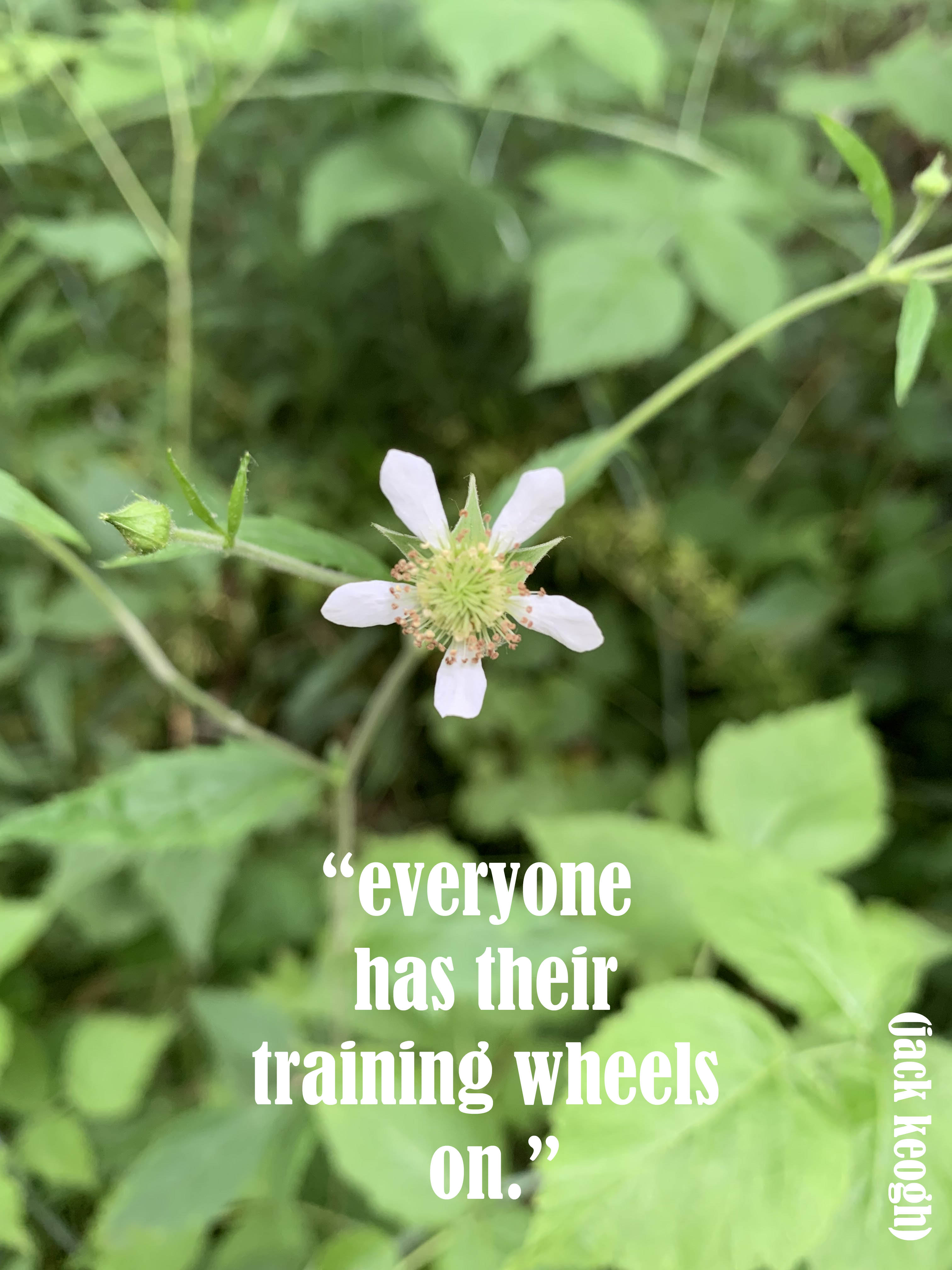
The lesson came around again, this time while indulging in one of our favorite quirks. Before sleep, we watch hiking videos on YouTube. A recent favorite is Jack Keogh’s, Walking on A Dream. Early in his PCT through-hike, he comments that, without exception, everyone is new to the experience and just trying to figure stuff out. “Everyone has their training wheels on.” Kerri whispered, “That’s true in all of life.” As she sat up to write the phrase, I heard Quinn chuckling. He had a great chuckle.

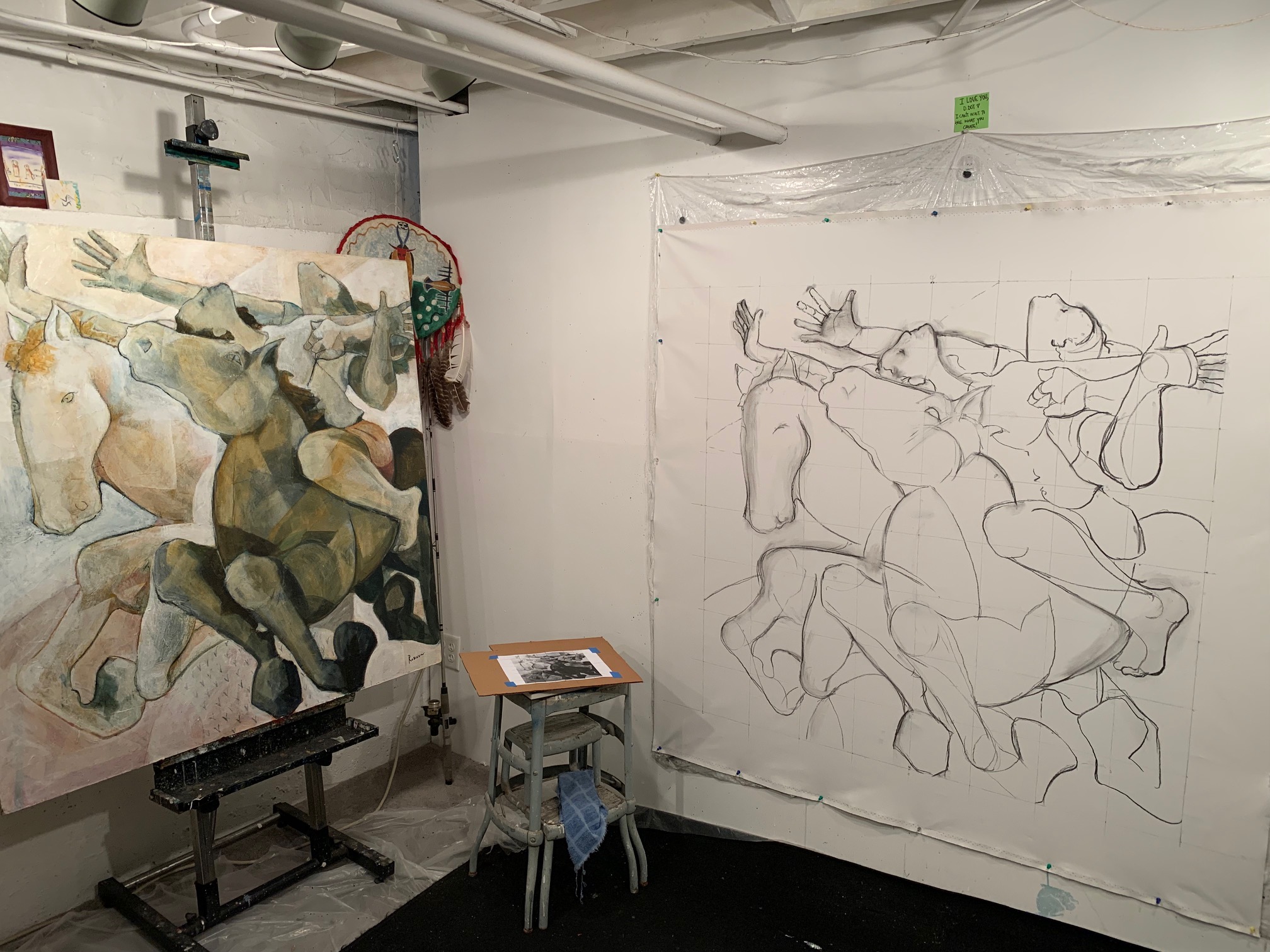
I’m working on a special project. I’ve volunteered to copy one of my paintings. yes, it’s true, I’m copying myself. Now, isn’t that a scary thought! Every few days 20 comes down into my studio to check my progress. He scrutinizes the original and then squints at the copy and asks a variation of this question: How did you know how to…? My answer is always the same: I don’t know. I’m making it up as I go.

What’s remarkable to me is the ease of my answer. I have no idea. The younger version of me, the one Quinn took to the city to administer a lesson, thought he needed to know. The younger version of me thought that to be competent meant “to know.” The younger version of me, when asked, “How did you know how to…?” made up some profoundly stupid answers. And, to my great relief, usually the questioner would nod their head as if what I said was actually plausible. “What a nincompoop,” I’d think, meaning both me and the questioner.

I am, at long last, able to fully grasp the lesson. Competency has nothing to do with knowing. It has everything to do with being able to “figure it out.” Shorthand: questions are much more valuable than answers since an answer is merely a single step on the path of a life filled with questions. Questions, like life, keep rolling along. I now know that had I asked the obvious next question, “Whose driving this car, anyway?” Quinn would have answered without hesitation, “No one and everyone.”

There I go again, thinking that life is about getting somewhere. It is, after all, the common mistake that defines the nincompoop herd: we consistently miss the point. No one knows what tomorrow will bring. No one controls their moment, spinning on this little orb as it hurtles through infinite space. It’s best to hold the hand of the one you love, enjoy the moment, make it up together, and embrace life as a bona fide nincompoop.

read Kerri’s blogpost about TRAINING WHEELS

Like it? Like it. Or share it. Or comment. Or buyusacoffee.com. Or all of the above. Why hold back?;-)

Listen To The Sound Of The Wind [on Merely A Thought Monday]

“A man is worked upon by what he works on. He may carve out his circumstances, but his circumstances will carve him out as well.” ~Frederick Douglas

I began cleaning out old files, something to fill the time. I knew the job had come to an end but the formal announcement had yet to come. The file of voice recordings I made with Tom surprised me. I wondered why I’d stashed it in folder that had nothing to do with The Lost Boy project. I opened one of the recordings and spent a few minutes with Tom. His deep bass voice telling a story of hardship and perseverance. “His daughter’s carried his body out onto the flood plain,” he said, “where they could find softer soil to dig a grave.”

It threw me into a memory with Columbus. Sitting at the table out back, the evening was coming on and he was having a lucid moment in his path through dementia. I asked him what happened in his life that he shifted jobs and started working in construction. A tale of hardship and perseverance. Impossible circumstances. Stable ground was fleeting. A neighbor offered him a job that seemed ridiculous at the time. He took it. A strange unknown land. He loved it. He thrived through adversity. Just before disappearing back into the muddy waters of dementia he whispered, “That man taught me how to be a man among men.”

Today we sit in uncertainty. Life review. “Why does our path have to be so hard?’ she asked in the aftermath of the announcement. “Why can’t we have just a little bit of stable ground?” We are carved in hardwood. We are a study of perseverance. “We’ll find a way,” my only reply.

I stood with Tom in the cemetery. He wanted to show me a grave that he’d shown me several times before. In his dementia, he couldn’t remember so we returned again and again. Frankie, another lost boy in a story of lost boys. This time was different. I knew it would be our last trip. I took him to the grave. I told him the story of his ancestor Frankie.

As I finished the telling, a farmer, a big man, came into the yard, ham-sized-hands clutching a tiny bundle of store bought flowers. He didn’t know we were there or didn’t care. He kneeled at a fresh grave. He wailed his grief. Tom heard the sound of the man’s sobs and stood still, listening. Finally, glancing at me, his voice quiet with awe, he said, “Listen to the sound of the wind.”

read Kerri’s blogpost about YOU’LL MAKE IT

Let Go And Fly [on saturday morning smack-dab.]

“Learning and unlearning can only take place in the context of decision making.” ~ Russ Ackoff, On Learning and Systems That Facilitate It

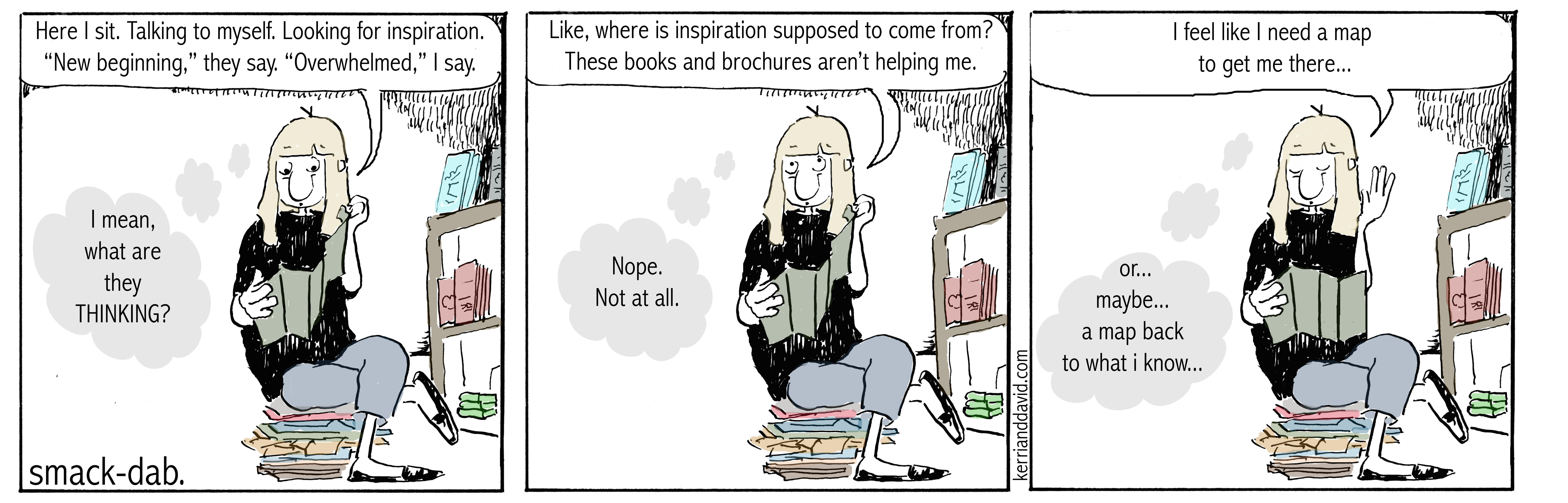
I was reading this phrase in the article when Kerri showed me the Smack-Dab cartoon for this week. Uncanny. The decision to change. Unlearning who you think you are in order to learn who you might become.

There’s a lot of unlearning going on in our house.

Here’s a secret about maps: you can only draw them after the fact. “Knowing how” comes second, after “not knowing how.”

Unlearning, facing the unknown, it’s not linear or easily traced. It’s a tug-a-war between the safety of what you know and the absolute necessity of getting lost.

There’s a photograph I often think about: my uncle Al, in the last months of his life, dying from cancer, fulfilled a dream to fly on the high trapeze. In the photo, he’s released the first swing, sailing through the air, reaching for but not quite touching the second swing. The look on his face, eyes wide open, full delight, utter freedom. Elated. Fully alive in the space between.

There’s a lot of that going on in our house, too. The decision to let go and fly.

read Kerri’s blogpost about MAPS

smack-dab. © 2022 kerrianddavid.com

Love What You Bring [on Two Artists Tuesday]

“Only mediocrity is sure of itself…” ~ Paulo Coelho, Aleph

Sometimes I wonder why I spent so much of my life believing I was a fraud. I was provided with great mentors, each relaying the same message: vibrant life is never found in what you know. The point of life is to step toward not-knowing. And, yet, for years, I abused myself with accusations of not-knowing. It was proof that I was a fraud. I was certain everyone else knew.

Quinn pointed to a tall building and told me the people occupying the big office at the top were just making it up, too.

Jim worked hard to help me understand that artistry happens in the release of preparation.

Tom McK tried to help me see that the real riches are found in the very moment that you simply don’t know what to do.

I am fortunate. After so many great mentors speaking a singular message to my titanic fear of not-knowing, the penny dropped. Standing alone in the vast open plain of not-knowing, a two-step mantra flooded my being.

Step #1: Have the experience first. Make meaning second.

A Post-it note pinned near my desk reads, “Competence isn’t in what you know, it’s in your capacity to figure it out.” I have great capacity.

Step #2: Suspend your judgments and learn.

Martha Graham’s “divine dissatisfaction” and “blessed unrest” permeate the vast open plain of not-knowing. “Keep the channel open,” she advised Agnes deMille. “No artist is pleased.”

“Your job is to put it out there,” Dick K., told a younger version of me. “What other people think is none of your business.”

It’s simple. Love what you bring.

read Kerri’s blogpost about YOUR WORK

See The Adventure [on Merely A Thought Monday]

Let the adventure begin. We put the sign on the table when we moved into the little house on Washington Island. Our new job came with housing and we couldn’t have been more fortunate. Even as the job turned into a debacle, the little house grew in our hearts. It was – and is – a very special place. A few years down the road, we never give thought-space to the work-fiasco. We reminisce about the beautiful place we lived, the good people we met, starry nights, mornings in the canoe, the deer, the power of the lake right outside our door.

A few moments ago I was feeling anxious and was complaining – and realized that I have no business complaining about anything. I stopped myself. Adventures are hard. That’s what makes the experience an adventure. When people lack challenges, they create them. Jigsaw puzzles and computer games. I complain when standing on the threshold of learning something new. My complaining – as I realized a few moments ago – runs amok when I don’t know what to do. It marks the line between the fat-comfort of knowing and the utter-discomfort of not-knowing. Complaining provides cover. I expose my obvious not-knowing; I preempt the shame-strike by complaining. The moment I disallowed complaining, I once again saw the adventure. My anxiety dissipated. The adventure is a jigsaw puzzle all akimbo in the box. I’ll figure it out one piece at a time. Or not. The end result is not nearly as important as the spirit in which I bring to the task. To the moment. To my life.

Mihaly Csikzentmihalyi studied, thought, and wrote extensively about flow. The optimal state of being. I’ve often wished I could invite Mihaly and Alan Watts to dinner and listen to their conversation. The psychologist and the Taoist conversing about flow, that magic space that opens when the path is hard, but not too hard, when boredom is no where in sight. The exercise, when either bored or overwhelmed, is to adjust my orientation to the challenge. Amp it up or slow it down. The zone is self-modulated, rarely an accident, which becomes apparent once the complaining stops. The knowledge that I can place myself in the zone is the spirit I hope to bring to every task for the rest of my days. It’s the practice. It is to see and choose the adventure.

Let the adventure begin. The sign now sits on our table in the sunroom where we meet at the end of each day and tell the stories of our day. While I tell my tale, I see the adventure sign, mostly in reflection, the message reversed. Each day an adventure if I choose to see it. Each day an opportunity for flow if I choose to own and modulate my steps, and place myself in flow.

read Kerri’s blogpost about THE ADVENTURE

Get Lost [on DR Thursday]

We delight in taking Sunday drives. Sometimes we have a destination but most of the time we have no idea where we are going. We head “out into the county,” the farm land, and with great intention, we get lost. “Left or right?” Kerri asks when we come to a crossroads. “Left.”

The goal is to “not know.” Drive down roads we’ve never experienced. There is a direct correlation between “not knowing” and “clear seeing.” When lost, we open our eyes. It’s something that every artist understands, “always-knowing-where-you’re-going” is a killer of the magic. It is the dividing line between art and craft.

I’m currently working with a team of analytical minds. “Lostness” is often interpreted as failure. It’s not welcome. But, to my great delight, even in the most analytic of creative processes, the engineers and entrepreneurs, shaking their fists at the sky when adrift, find their greatest magic arrives only after time spent wandering the wilderness.

After many twists and turns, rolling country roads and, “Which direction are we headed?”, we pop out of lostness and know exactly where we are. “Hey!” we laugh, “How did we get here?”

The art of getting lost. The art of exploration. The art of having an experience without a predetermined outcome. The art of having an outcome and letting it go, making space for something better. It is the art of cultivating surprise, allowing for the bigger idea to come through. “Left or right?”

It’s a practice. Learning-to-see and letting-go-of-needing “to know.” It’s the same thing. And, a great way to practice, is taking a nice Sunday drive.

read Kerri’s blog post about THE ROAD

pax © 2015 david robinson