If We Could See It [David’s blog on Not So Flawed Wednesday]

If we could see our souls I imagine they might look like the feathery phase of Sweet Autumn Clematis. Soft little shimmers that curl and twine so that there’s no way to tell which is yours and which is mine. It wouldn’t matter anyway since the spirals swirl and connect to a center spine that, in turn, winds, entwines and connects to other spines.

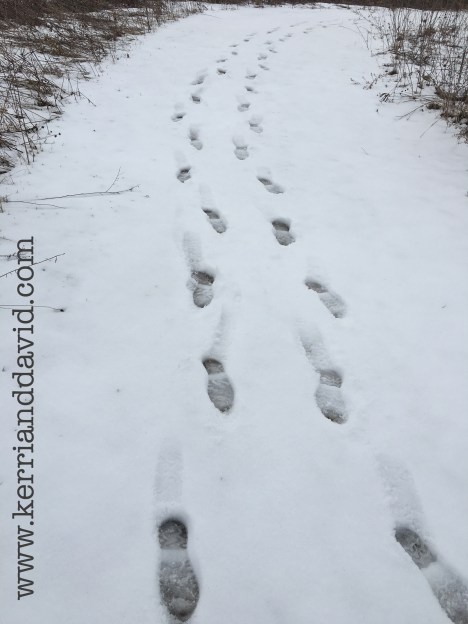
It’s snowing today so the world outside is quiet. We are waiting for the snow to get deeper before we tie on our boots and go for a walk-about. Dogga just came inside and was so snow-covered that he looked like an amber-eyed Samoyed. The quiet has me thinking about souls and time.

When I was a boy my siblings and I were outside having a snowball fight with my dad. He threw an errant snowball that widely missed its mark and shattered a window. We ran crazy uncontrollable loops in the snow not knowing if dad was in big trouble and wondering if dad’s-big-trouble would catch us, too. It’s a memory that makes me smile. I imagine our crazy-excited-running-in-the-snow is exactly how a soul moves – if we could see it.

We just watched a very moving video of late poet Andrea Gibson performing their piece, MAGA HAT IN THE CHEMO ROOM. Andrea recently died from cancer. When a soul wants us to know what matters and what does not, it looks for a poet. Souls know words are powerful magic that people mostly take for granted. Poets use words to reach-in-and-touch the essence of life so souls are careful when selecting the deliverer of their essential messages. Andrea Gibson was an awe-inspiring choice. Their words are like crazy kids running in the snow, the way a soul moves, swirling and winding and connecting and, in Andrea’s performance, soul shines so bright that we can see it.

read Kerri’s blogpost about SWEET AUTUMN CLEMATIS

likesharesupportthankyou

A Poet’s Revelation [David’s blog on KS Friday]

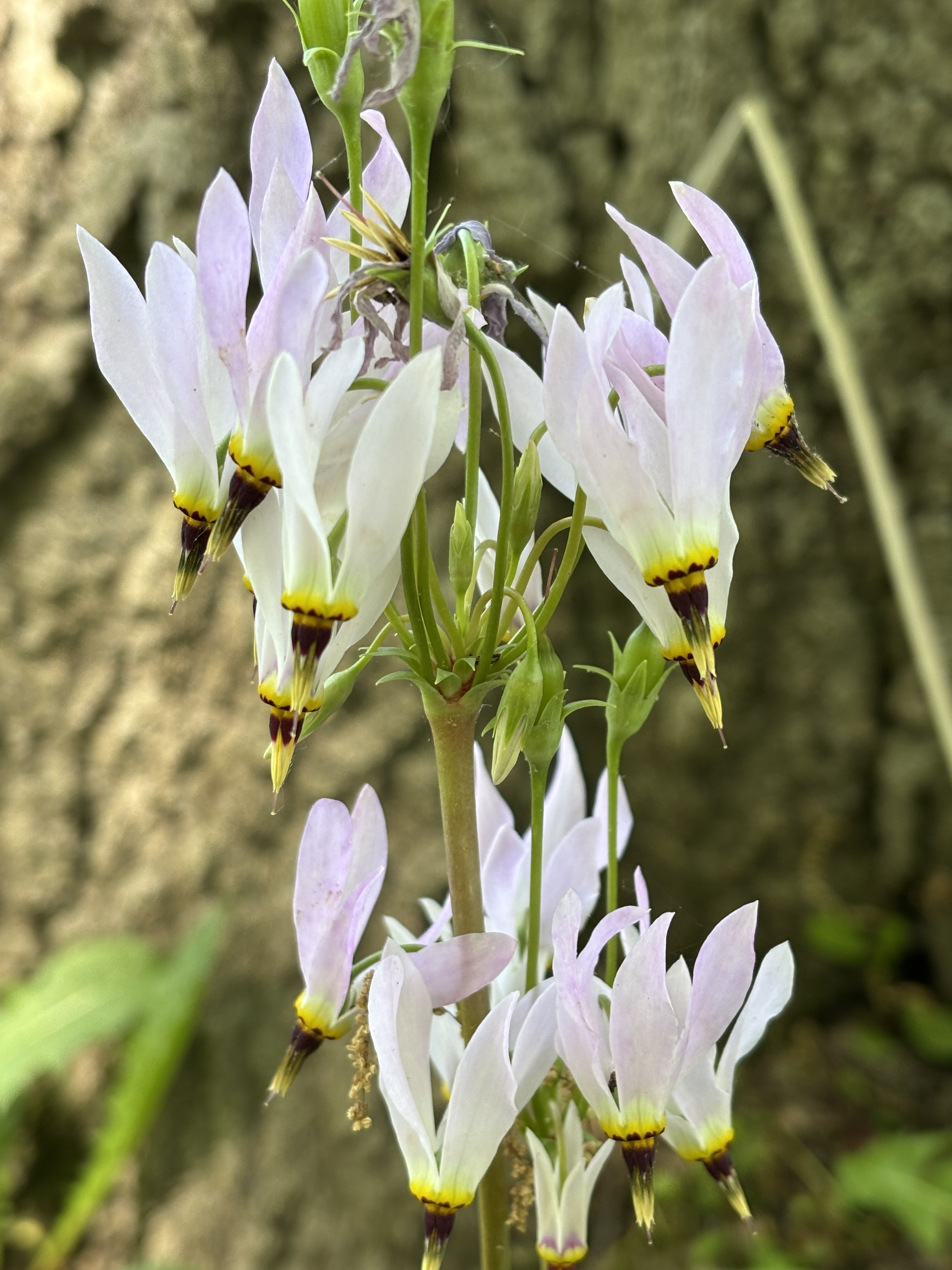
Some enlightened poet/scientist named this little flower Shooting Star. The flower evoked for the scientist streaks of light arcing across the night sky. The scientist must have had a profound experience one night, gazing into the stars when, suddenly, the stars seemed to go haywire, zipping across the sky.

My first ever meteor shower happened while I was a teenager. I was in the mountains. I lay in a meadow with my friends and watched the heavens dance. It made me understand how so many cultures on this earth believe that shooting stars are either souls returning to the earth to be reborn or the souls of the recently deceased leaping into the other world. Souls in transition leaving a brilliant, momentary trace of light behind them.

Still other cultures believe that shooting stars are messages from the gods. Affirmations.

The message I received from my night in the mountain meadow watching the stars arc across the sky? I am infinitesimally small in this vast universe. And, I am intimately connected to everything. It’s a poet’s revelation.

The scientist who named the flower Shooting Star must have had the exact same realization.

[Bonus hope: A poet’s thought in a world of oppression in which we are connected to everything]

I Look At The World ~ Langston Hughes

I look at the world
From awakening eyes in a black face—
And this is what I see:
This fenced-off narrow space
Assigned to me.

I look then at the silly walls
Through dark eyes in a dark face—
And this is what I know:
That all these walls oppression builds
Will have to go!

I look at my own body
With eyes no longer blind—
And I see that my own hands can make
The world that’s in my mind.
Then let us hurry, comrades,
The road to find.

Blueprint For My Soul on the album The Best So Far © 1996/9 Kerri Sherwood

Kerri’s albums – borne of her poet’s revelation – are available on iTunes and streaming on Pandora

read Kerri’s blogpost about SHOOTING STARS

likesharesupportcommentsubscribe…thankyou.

Yes. It’s Like That [David’s blog on Two Artists Tuesday]

I used to wonder how Emily Dickinson, living most of her life in the isolation of her family home, could write poetry so soul-expansive. Her world of experience was impossibly narrow yet her view into the human heart so broad and deep. I am no longer confused about the limitlessness available in a tiny garden. There is more life teeming in our small backyard than I can possibly comprehend.

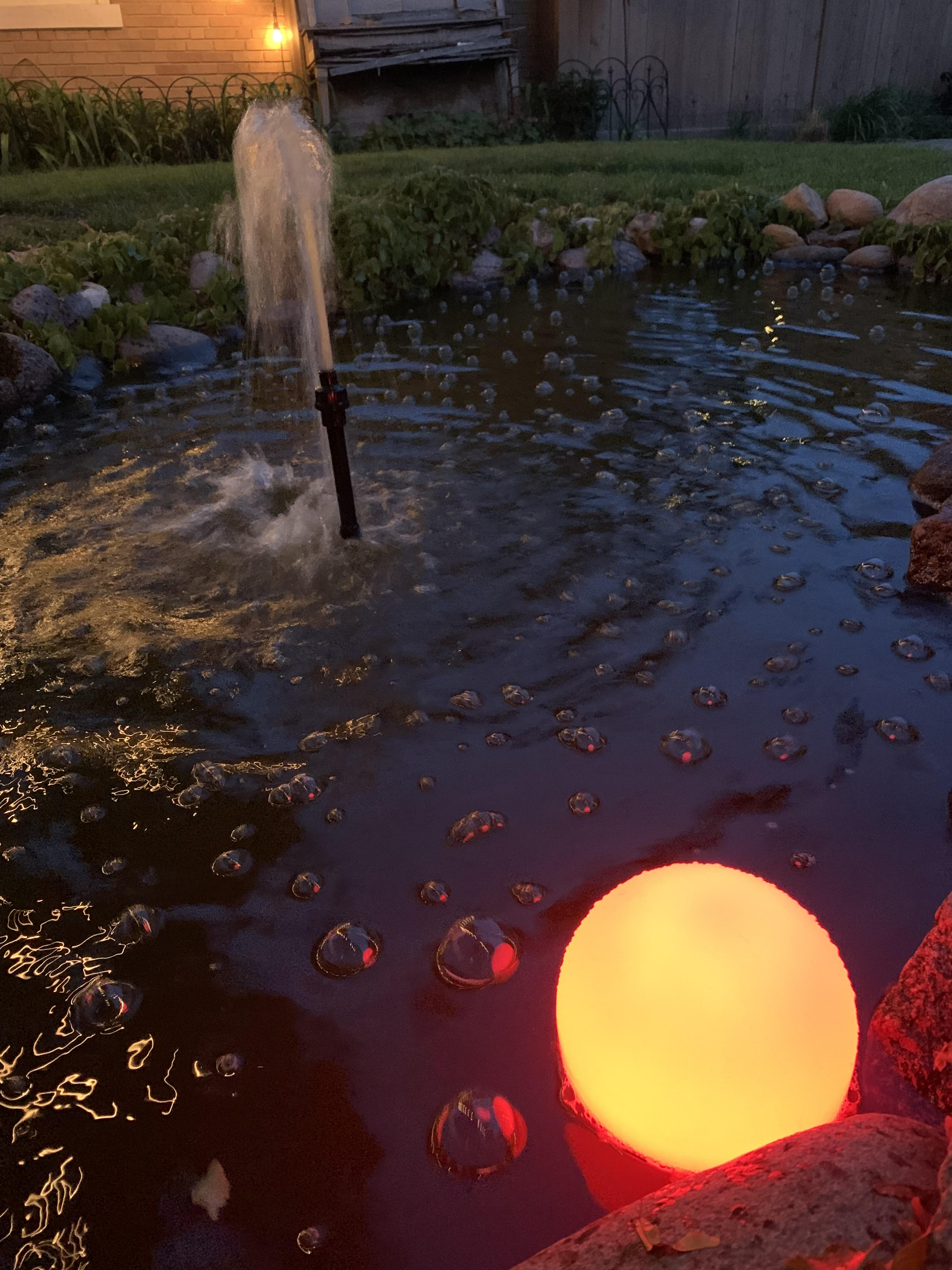
It had been years since we gathered with the Up-North gang in our home. They commented that our yard was “zen”. It’s true. We’ve come to think of it as our sanctuary. A creation borne of Covid isolation, of necessity during the pandemic, we brought our full attention to the only place in the world that seemed safe. Our yard. Over long winter months, sitting at the black table in our sunroom, we stared into the backyard. We watched the patterns of the birds and discovered the nests of bunnies and chipmunks. We watched with awe the subtle changes of seasons and the play of light. We wondered how we could make our safe space more comfortable for us and amenable to the plants and animals. We dreamed. And slowly, throughout our isolation and beyond, we carefully attended to our peace-of-heart. Is it no wonder that we now adore sitting in our yard, daily trying to comprehend the abounding life within our eyesight?

Emily Dickinson wrote her poems from just such an expansive place. Lately I feel an affinity with her. More than once, lost in wonder, I have thought, “How can I possibly describe what I’m seeing and feeling?” I understand, like Emily, it’s not possible to capture, but isn’t that the artist’s job, the poet’s errand, to somehow express that which is beyond our capacity to grasp? To bring hearts and minds together through a poem or play or a composition, so we might together whisper, “Yes. It’s like that.”

read Kerri’s blogpost about THE ORB

share. support. like. comment. subscribe. we appreciate it.

Language Blossoms [David’s blog on Two Artists Tuesday]

I just experienced something new: a visual route to a find synonym. That might not seem like a big deal but for a visual-guy like me it fundamentally changes my relationship with language.

I wanted another word for “shine” and, instead of finding a static linear list, a blossom of interconnectivity unfolded on my screen. Shine in the center, five interconnected primary synonyms, with each of the five subsequently sprouting five fingers of word possibility. I was gobsmacked. Like a child with a new toy, I clicked back into the site again and again so I might see the word bloom.

I’ve directed (and loved) many of Shakespeare’s plays. I am an avid reader. I write everyday and spend more time than I care to admit chasing down words. Yet, had you met me when I was a wee-lad of 22, none of these things would have seemed possible. It hurt to read. The worst hell imaginable for me was diagraming sentences. My knuckles were rapped by stern-faced English teachers more than once for poor use of language, rotten sentence construction. And, although I had an undeniable enthusiasm for the theatre, I literally hated reading plays when I was in high school.

Linear sequential is not my friend.

One day in my 24th year an actor introduced me to Shakespeare. Active language. Delicious sounds and living images. The penny dropped. The world opened. I have been a voracious eater-of-language ever since. When rehearsing, I dance my words.

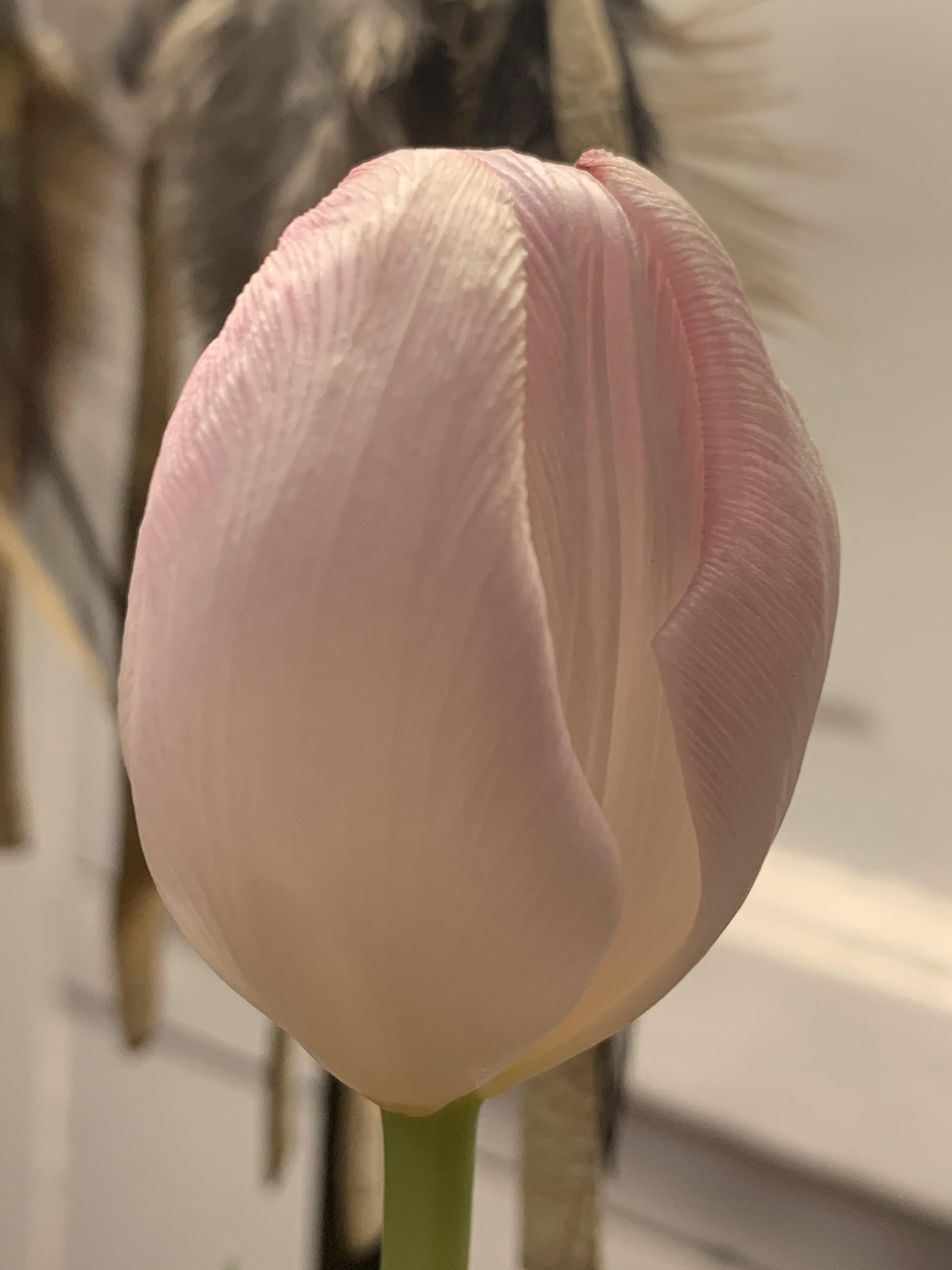
Words matter. They are alive when not forced to toe-the-line. Symbol and sound, makers of meaning, each intimately connected to the other. When I come back to this earth I will hopefully be a poet, attempting to capture in language that which is impossible to articulate. The beauty of a pink tulip. A flower selected by a mother for a rare visit from her daughter. Our daughter. Our daughter: a surprising and remarkable combination of words I never thought I’d utter.

Language unfolds and reaches deep into pools of meaning. Words blossom. And nothing is ever the same.

read Kerri’s blogpost about PINK TULIPS

like. share. support. comment. four words that inspire gratitude in our hearts.

buymeacoffee is exactly what you make of it. the meaning is yours to give.

Embrace Orbisculate [on Merely A Thought Monday]

A family is trying to get ‘orbisculate‘ into the dictionary to honor their dad who died of Covid-19

Compromise. Accuse. Jaded. Dishearten. Tranquil. Swagger. Mimic. These are just a few of the over 1,700 words that William Shakespeare invented or adapted. Making up words, playing with sounds and meanings and clever twists of usage was appreciated in his lifetime. Audiences went to hear plays like we go to hear concerts. The sound of the word was more important than the visual on the stage.

During Shakespeare’s lifetime, Robert Cawdrey toyed with a thing that would someday be called The Dictionary though it wasn’t something Will had to consider. Spelling was phonetic. Teachers did not think to circle his words with red pencil. That bit of standardization was still a few centuries away. Spend time within the unedited-for-our-eyes First Folio and you’ll find yourself sounding out words just as the poet did. Tasting the sounds. Shaping meaning in your mouth en route to making meaning in the world.

Language is fluid. Each year new words come into being and others drop from sight. For instance, our word “google” is a “creative spelling of the word googol, which implies an unfathomable number. It was coined in the 1930’s. Our version is in the dictionary as a verb: to search for information. And, you’ve probably already heard that it’s also a company that facilitates the search for information. Which came first, the verb or the company? Some words, over time, come to mean the opposite of what they originally meant. The archaic meaning of the word “egregious” is “remarkably good.” From remarkably good to outstandingly bad is quite a journey!

Definitions are discoveries and agreements made according to how we use the tasty sounds we call “words.” Each word comes into being from necessity.

Orbisculate is a tasty word that William Shakespeare might have created and enjoyed. But, he didn’t. Neil Krieger did. It is a word for juice squirting in your eye. Neil died of COVID and, to honor this good man and his good life, his family is attempting to get Neil’s good word into common parlance and, ultimately, to the dictionary. They are appealing to poets and pedestrians alike to embrace their necessity and use Neil’s word. If you visit their site, check out their 50 Goals. Never was a single word so lovingly brought into the lexicon. Help them if you will. Will would have. He’d have used orbisculate in one of his comedies. Or many of his comedies.

I have a sneaking suspicion, if they are successful in their quest, that, over time, orbisculate will come to have another meaning: an act of familial love.

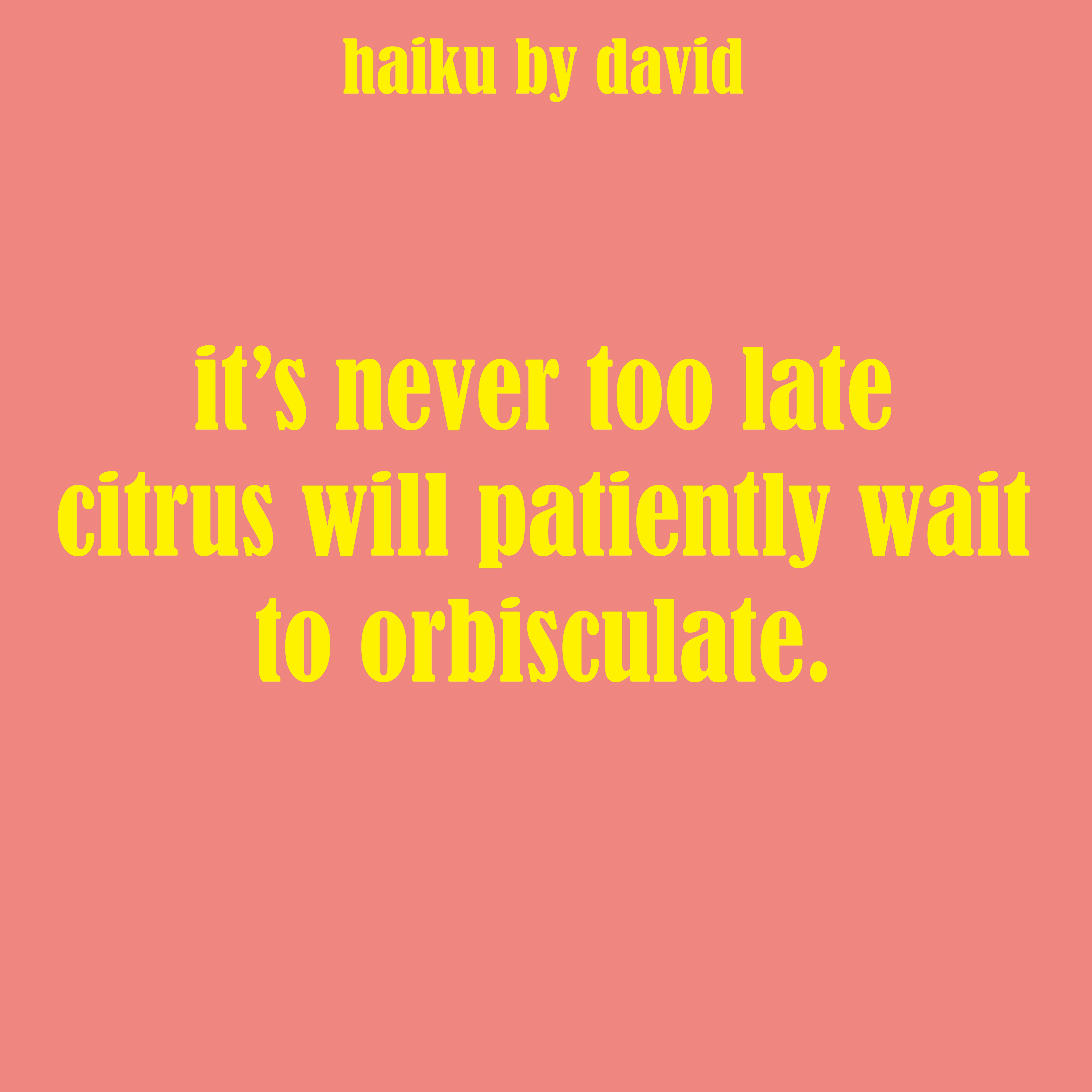
The Orbisculate haiku challenge! Here’s mine:

Now, it’s your turn. Make sure you let the family know.

read Kerri’s blog post about ORBISCULATE

Stand Still And Listen [on Two Artists Tuesday]

ferns copy

Screen Shot 2020-06-01 at 11.24.58 AM

~Beloved by Sam Magill, from his collection of poems, Fully Human

Today my thoughts return again and again to Sam, a secret poet, a bard, a believer in the goodness of humanity. Sam knows that a wound, when properly honored, can lead to something far greater than mere healing.

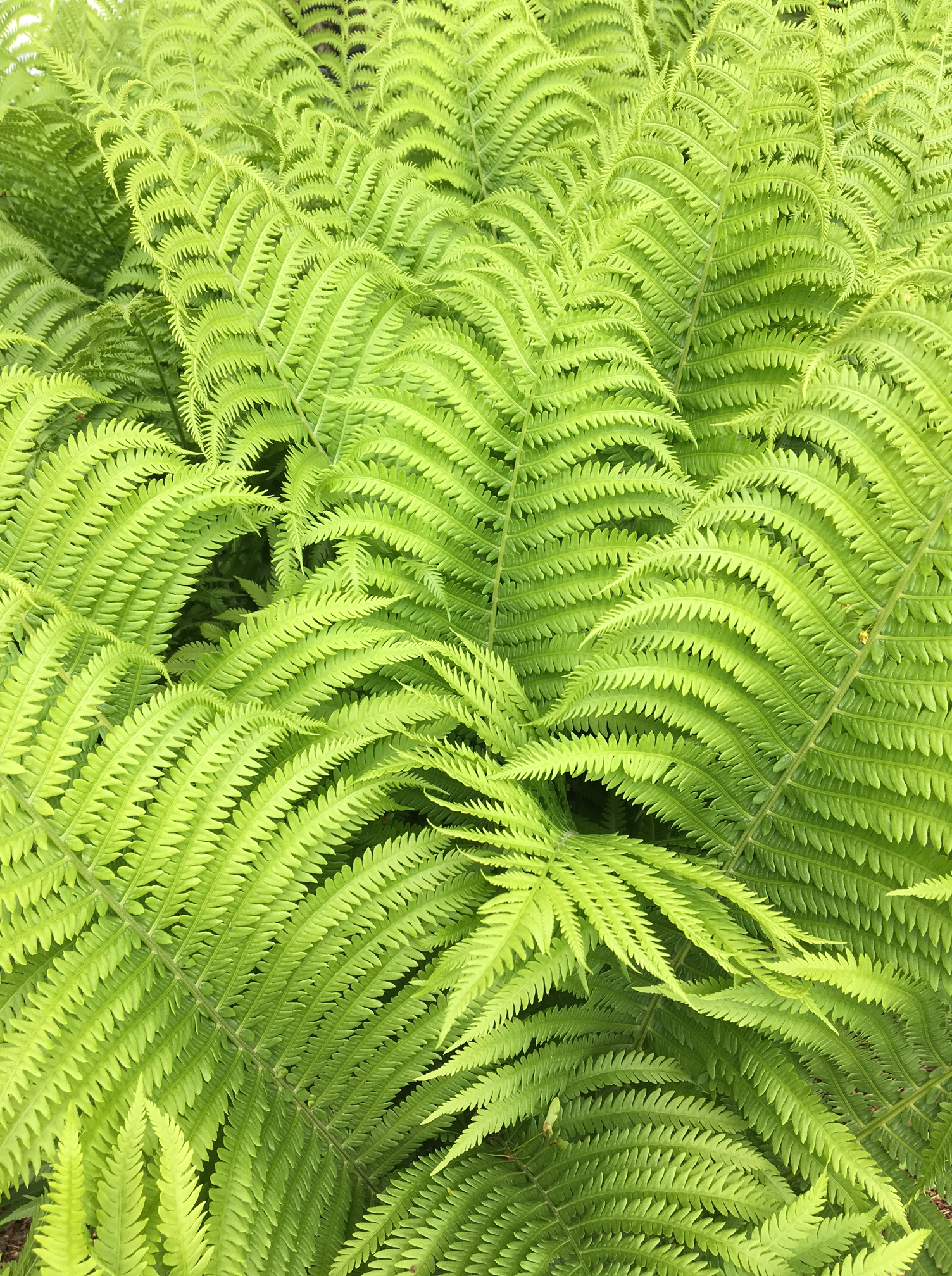
He would look, as we do, with awe at the ferns. He would giggle at how quickly they change color with the light. He would delight in the frog that magically took up residence in our pond. He loves, as we do, the things of this life that live beyond explanation.

If you asked Sam what we need do as our cities burn, as a pandemic rages, as leadership fails and the face of inequity stands naked and unmasked, he might tell us to do nothing. To stand still and listen. “The hard crusty soil is cracking open,” he might say, “there is new growth struggling to push through.”


read Kerri’s blog post about FERNS


prayerflags pastel website box copy