Call It Realism [on Not So Flawed Wednesday]

This garlic could have been painted by Jan Vermeer. To my eye it looks like the work of a Dutch master, an artist more concerned with realism than the ideal.

Art that reveals the beauty in the ordinary. For a few weeks in my surly youth I studied with a realist painter. I was wowed by his technique but could not yet grasp his dedication to capturing the everyday. Only later did I come to understand that his art was not about the technique but about bringing attention to the experience of the everyday. He rejected the aloof and desired to pull art down from the pedestal so it might reflect the lives of the “common people.” He believed that people needed to literally see themselves in the paintings to have access to the painting. They needed to see their hardship and toil as well as the objects that surrounded them.

Bertolt Brecht believed the opposite. In order for people to have access to the deeper messages of a play, they needed to be removed from their circumstance. So, in his way of thinking, people are more capable of seeing themselves in a piece of science fiction than in a reality-mirror.

David is working on a re-imagining of Pirandello’s play, Six Characters In Search of an Author. One of the questions of the play is, “Who is telling your story?” And, how are they telling it. I reread the play and was struck by how relevant it is to our times.

The beauty in the ordinary. The turmoils and struggles of the everyday. Ours is a time of tumultuous story tug-of-war. I wonder, in a hundred years, what historians will write about our time. I wonder what aspect of artistry – if any – will be considered “realism.” As defined by Vermeer and Pirandello, it’s to reach across a social line, from the privileged to the working class. For Brecht it is spatial: step out to look in.

One thing is constant, while reaching across time and artificial boundary, it is always the role of the artist to help their community ask the questions: Who is telling my story? Whose story am I telling? What is the story that we are telling?

I imagine those someday-historians will write tomes on our messy struggle to sort out what is “real” and what is not.

read Kerri’s blogpost about GARLIC

Help Them Smile [on Not So Flawed Wednesday]

I howled with laughter when she said it. “You can buy anything that looks like something.” She was referring to the sweet Italian sausage that was not sausage at all but made of plants. I thought she was making a political statement. We are solidly in the age of things-are-not-what-they-seem. Photos can be manipulated. Words that come out of mouths can be placed there, not by the speaker. Propaganda is called news and American cowboy culture does not see its full-lemming transformation. Sausage-not-sausage is everywhere!

“What are you laughing at?” she asked, placing the sausage look-alike in our basket. Linda made us a yummy vegetable hash that included the not-sausage and we enjoyed it so much that we left with the recipe. “The age of enlightenment is officially over,” I thought but did not say. Had I answered honestly she would have told me to “gear down.” The grocery store is no place for philosophical hoo-haw.

“Nothing,” I said, giggling.

Standing in front of the cold not-sausage-section, looking down the aisle at people masked and not masked, some wearing masks on their chins, I felt thrust out of all reality and into the tragi-comedy that is our times. Peter Barnes wrote a terrific play, a comedy called Red Noses about the plague that swept Europe in the 14th century. A priest and his band of fools traveling through the villages offering humor as the only relief for the fear and pain. They wore red noses.

“When people in the future look back at us, I hope they laugh,” I said.

“What?” she asked, furrowing her brow.

“We need a band of fools.”

If we could laugh at ourselves, we’d probably have a better time of life during the pandemic, I thought, as an unmasked woman sneered at my fully masked face. I wonder how we’d have fared had there been a red nose mandate? Protect your neighbor by helping them smile.

Kerri stared at me and smiled. “Don’t make me tell you to gear down.”

“Yes, ma’am,” I said. “I think we need Dogga food.”

read Kerri’s blogpost about ANYTHING AND SOMETHING

Say Her Name [on Two Artists Tuesday]

From the six-month-email-conversation that led to our first meeting, we compiled and edited a play – in the spirit of Love Letters – that we call The Roadtrip. We took the script through a workshop process, read it a few times for invited audiences, produced a soundtrack, approached a few venues…and then left it. Someday, perhaps, we’ll pull it off the shelf, dust it off, and realize it through performance.

Occasionally I open the script and read a section or two. It’s fun to read because it’s not an invention, not a fiction, it’s our actual coming-together story, edited for length and arranged according to themes. I visit my two favorite sections. The first is Kerri’s story of The Little Pillow (a story she must tell) and the second is our exchange the night we realized that we shared the same middle name. It was priceless. I vividly remember where I was the night I read her email-middle-name-confession – and asking if I had a middle name. My jaw dropped. I laughed heartily. And then I carefully crafted a too-long response finally landing on the surprise. Erle and Earl.

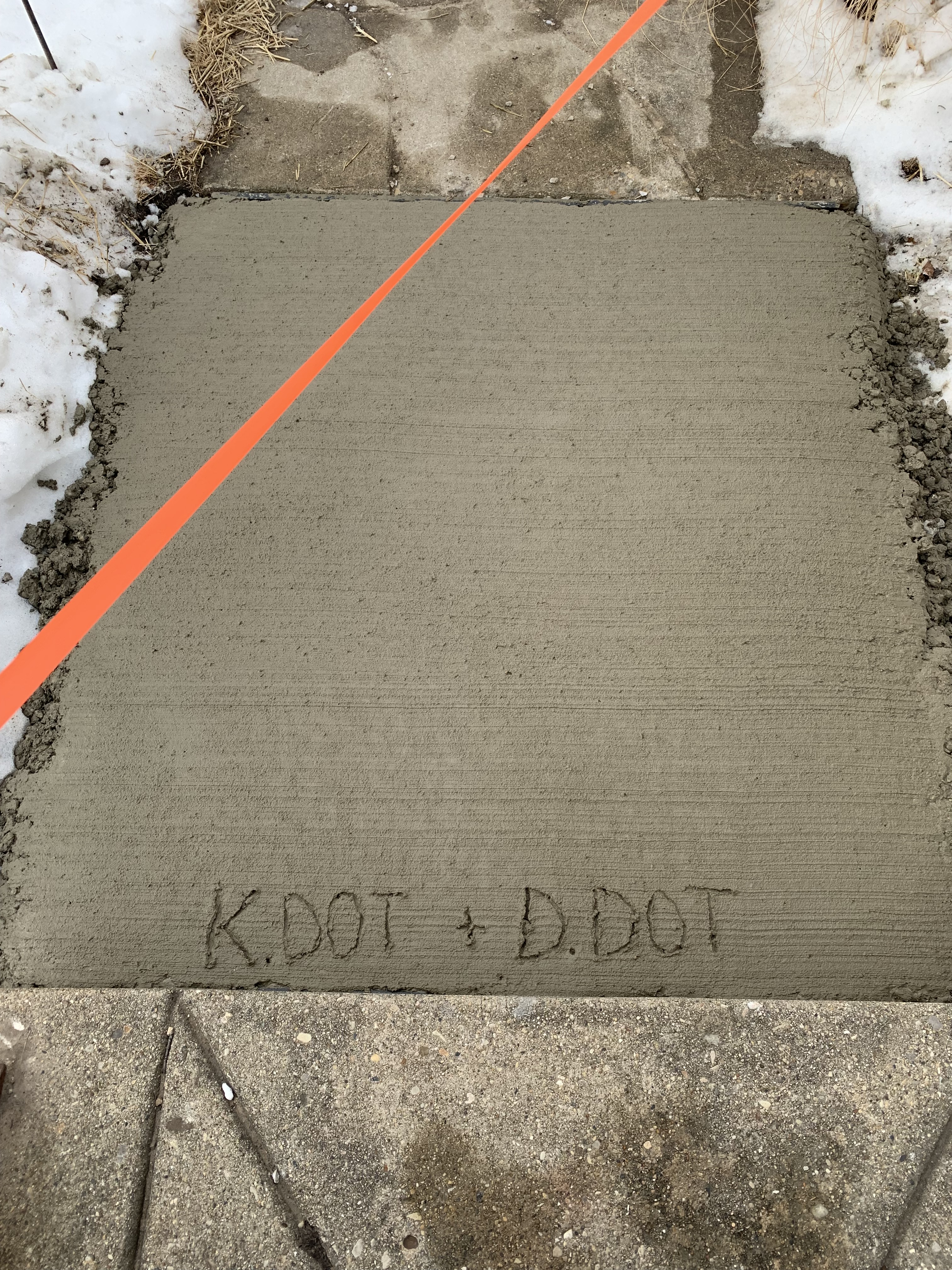
The coffee cup that later arrived in the mail, emblazoned with multiples of D.Dot Earl to match her K.Dot Erle twin cup, firmly established our monikers for each other. Over time we’ve condensed our names to K.Dot & D.Dot.

The crew that arrived this week to put in the temporary slab of sidewalk for the chunk we lost during the great-water-main-trenching-day, suggested that we sign our slab. It will come out in the spring when it’s warm enough to pour the real thing. We grabbed a screwdriver and happily scribbled our names in the wet cement.. As I stepped back to admire our scribble, I was struck by the names we scribed. K.Dot + D.Dot. Kerri and David, those two people who wrote to each other so many years ago, are transformed. Rebranded. It feels funny in my mouth to say, “Kerri.” I never do unless talking about her to someone who’s not familiar with the transformation.

We still write everyday only now we’re not 1500 miles apart. And we’ve finally met. And married. We sit together, side-by-side. And when the tap-tap-tapping stops, I say, “K.Dot, will you read what I wrote?”

read Kerri’s blogpost about NAMES

Try To Explain [on Merely A Thought Monday]

It’s nearly impossible to explain. I’ve had the conversation a thousand times and I know it’s fruitless from the outset. Why did I choose a life without a safety net? A life with stability and benefits? Why was I willing to work 80 hour weeks for not-very-much-pay? I’ve heard more than once that “Artists are indulgent.” Or, “Artists are fools.”

Maybe. I’ll never know because it is impossible to explain to someone who operates from a different imperative. I’ve thought myself foolish more than a few times, and, usually, when I measure myself by the standards of 9-to-5.

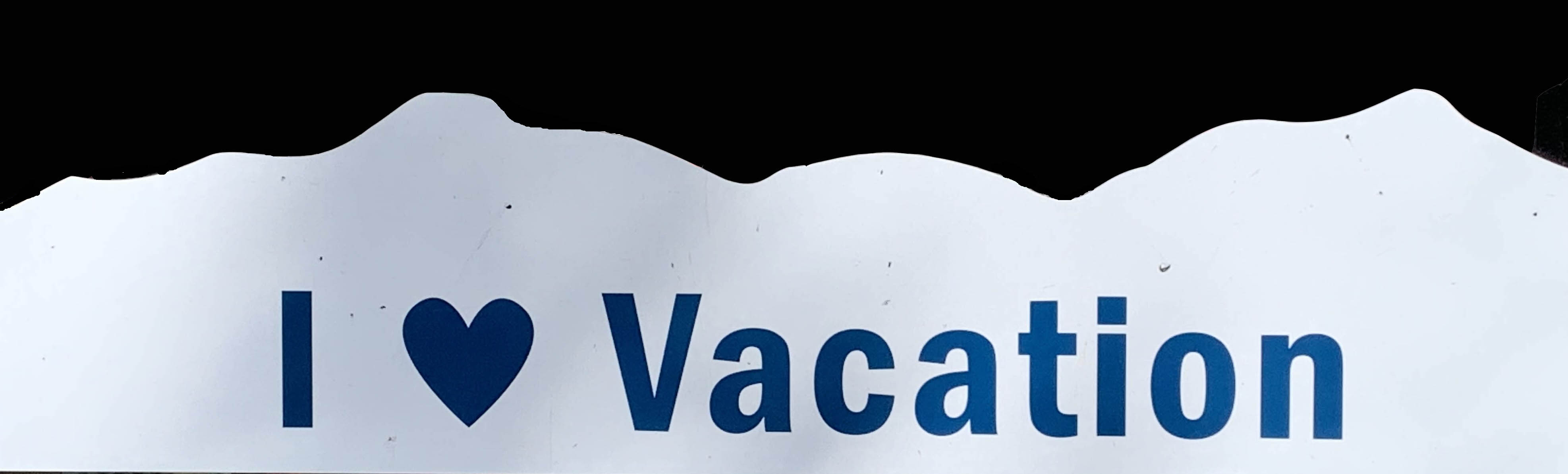
For me, like all the artists I know and admire, there has never been a distinct line between work and play. Given any amount of free time, I’d rather be in the studio than anywhere on earth. When I was directing plays and running theatre companies, I couldn’t wait to get up in the morning and get back to work. The time between productions or studio time, what most people call “vacation,” was-and-is meant to catch up on sleep and fill up the well for the next project. Often, this thing called ‘vacation’ was an opportunity to visit museums, drink in art/inspiration or stand in a castle or sit in the city where the next play is set.

For most of my life, even before I really thought about artists or artistry, vacation involved a sketchbook. I sat in the back of the station wagon and drew Colonel Sanders from the bucket of chicken or tried to copy a photo from the National Geographic magazine. Fun and play involved a deep dive into the world I could create/discover through a pencil on blank pages.

I can spend hours sitting and watching people. Small dramas. Gestures. Manipulations. Kindnesses. A little burst of love that would otherwise go unnoticed. Traveling for work meant time spent in airports, a goldmine of observation-time. Work or play?

Perhaps that is why there is no line between work and play. I see it in Kerri, too. We are constantly noticing. Paying attention to what is beautiful or interesting. Feeling what is needed and what is not. We’ve talked endlessly about being empathic. Feeling what others feel. I’ve watched Kerri walk into a rehearsal and “know” where there is pain, where there is joy, know when she needs to wrap some humor around a bruised community. Many years ago, a wise-old-artist told me that I had to learn to distinguish between what was my “stuff” and what was not. What were my feelings and what was not. Sage advice. I’ve been witness to many artists imploding, carrying other people’s garbage as their own.

When we walk, Kerri takes photographs. “I’m sorry,” she says, stooping to focus on a leaf or stone. Why does she apologize for noticing? Here’s a hint: all of her life she’s been asked to explain why she stops to notice. What value can there possibly be in stopping forward motion, especially in a world hell-bent on “getting there faster.” What is the value-proposition of noticing? “Can you please explain why you have to stop and see and, of all things, make it into music?” Or a story. Or a painting. Or a dance.

“Why did you climb that tree?” the adults asked. “It’s where I write poetry,” she explained. Work or vacation? Is it play?

Every Saturday we go through Kerri’s photos from the week and choose five as prompts for our Melange. We collect phrases we hear, words that inspire or disturb. Those end up in the Melange, too. Are we working? Is this play? We delight in sitting each day and writing together. We laugh at our Smack-dab cartoon. They are fun to write and draw and color. None of this makes us any money. Is it work or is it vacation?

I’m currently drawing cartoons and tossing thought-bombs into a community of software entrepreneurs – the boss understands that I notice things and can translate what I notice into other shapes and expressions. Is there value in that? Is it work? Is it play? Will it make money?

Are there possibly other measures of value?

It’s nearly impossible to explain.

read Kerri’s blog post about VACATION

See The Action. See The Motivation. [on Merely A Thought Monday]

“It’s discouraging to think how many people are shocked by honesty and how few by deceit.” ~ Noel Coward

Lately, I’ve been rereading books on playwriting. Put them on the stove, boil them down and you will have a fine reduction of action and motivation. The actions a character takes. The reason a character takes them. A playwright’s tool box is filled with words but a playwright’s creation is a sequence of motivated actions.

Tom McK told me that plays are about one moment. A moment of choice. A moment of revelation. A moment of truth. A moment of reckoning. All of the actions of the play lead to the moment. And the world will never be the same.

I began rereading my dusty old playwriting books because of the impeachment trial. I feel as if I am witness to an ancient Greek drama. Power falls. Courage fails. Morals collapse. Act One: the temple is sacked. The actions and motivations for the assault could not be more clear. Naked sedition. Act Two: the trial. The ideals of the temple are gutted. Blind justice is made a mockery as nearly half of the jurists fail in their courage, choosing personal gain over public good. They defend sedition. They kneel to it. Their actions and motivations could not be more clear.

Like every Hallmark movie, the end of this play was known before the actors took the stage. We watched the play to confirm what we already knew.

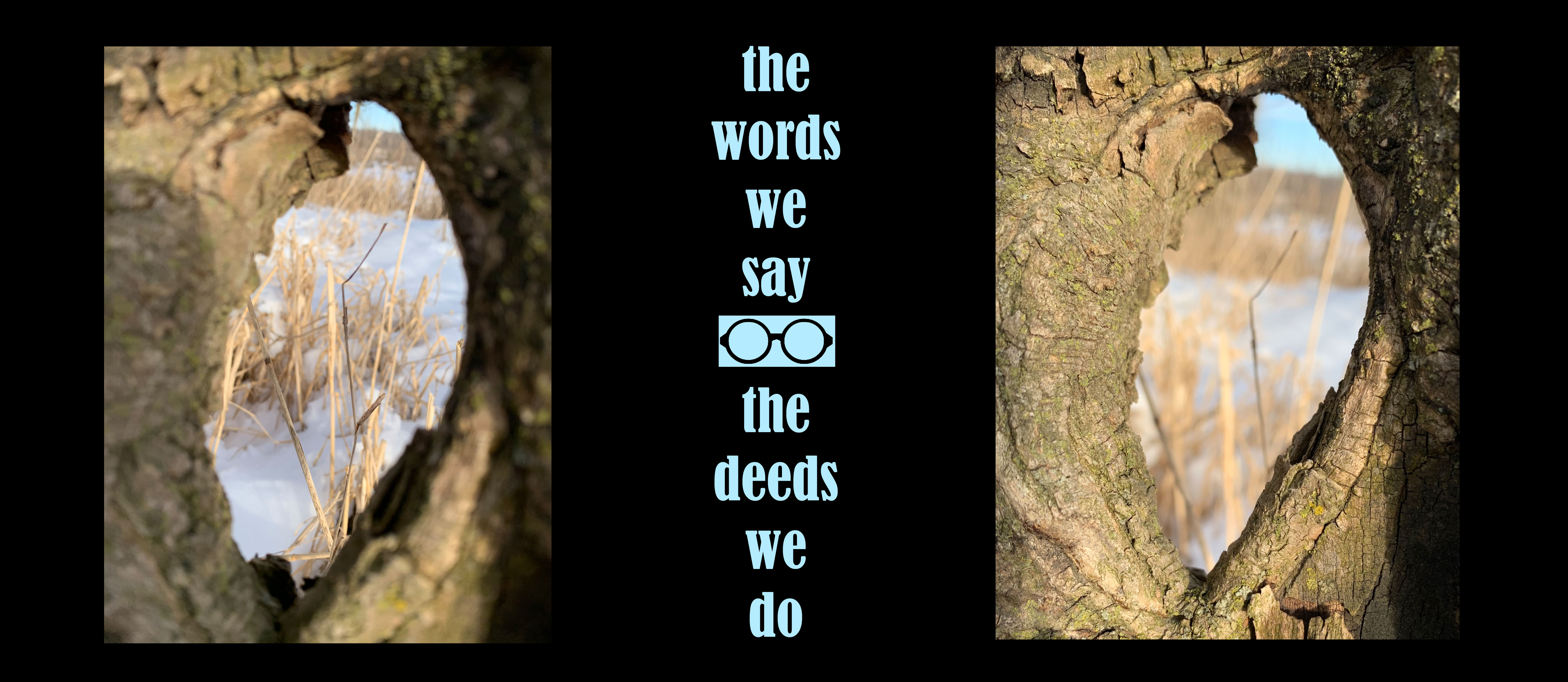
Doug had a saying: health was a measure of the distance between who-you-say-you-are and who-you-know-yourself-to-be. The shorter the distance, the healthier the person. By Doug’s account, the actions and motivations of the 43 jurors who protected sedition could not be more clear. Despite what they say. Despite what they proclaim. The distance between who-they-say-they-are and who-they-know-themselves-to-be is vast. They are unhealthy. Shiny suits that are rotten to their core.

The climax of the play. The one moment. The realization. Just as in a horror movie, the recognition that the person in the passenger seat is the murderer. All of the actions of the play lead to this one moment, this single recognition: their defense of sedition is not aberrant to this jury’s character. It is their norm. Their fall from grace, their collapse of principle, happened long before their vote to acquit.

Action. Motivation. Expressed through character.

“Character,” Tom McK taught, “is how you do what you do.” This is who they are. It is a matter of character. Their actions and motivations could not be more clear. And the world will never be the same.

read Kerri’s blog post about WORDS & DEEDS

Walk With Your Ally

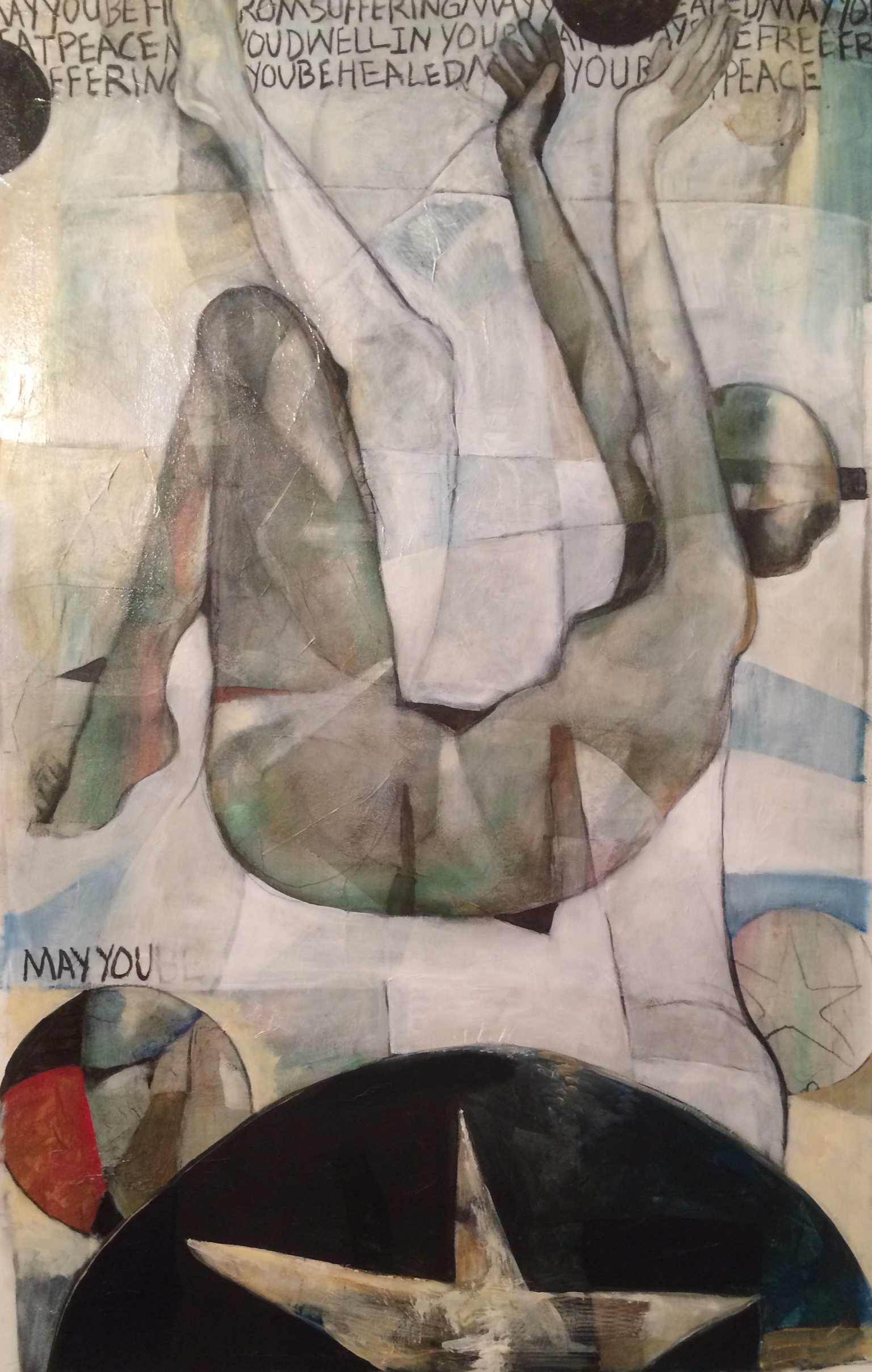
another painting in the Yoga series

the latest painting in the Yoga series

David is among my chief muses. He was the first person I met in my spontaneous-no-plan-move-to-Seattle over 15 years ago. We sat next to each other at a conference and he asked me if I wanted to be in a play. When I said yes he said, “Great. Can you be at rehearsal tonight?” Like me, he is a painter as well as a theatre artist. He steps through life with his eyes firmly focused on the possibilities. He reminds me that obstacles are nothing more than interesting process steps. When I wander through museums or galleries David goes with me whether he is there or not. When I see a play that inspires me, I wish that he might see it, too, so we might talk about it.

Recently, he sent this quote: “My intention has been, often, to say what I had to say in a way that would exemplify it; that would, conceivably, permit the listener to experience what I had to say rather than just hear about it.” – John Cage, Where the Heart Beats: John Cage, Zen Buddhism, and the Inner Life of Artists.

When I was in college studying acting I had a professor who would say, “You will always know a good play from a bad play because a bad play wants to tell you what happens. A good play wants to include you in what happens.” He also used this rule to define good acting from bad acting. His shorthand phrase was, “Show me, don’t tell me.” It is the artistic equivalent of, “Give a man a fish and he will have a meal; teach a man to fish and he will eat forever.” Art, regardless of the form it takes, is meant to teach people to fish.

Art is not a “thing,” it is a relationship. It is a dynamic orientation to life. It is an experience (not a possession). My interpretation of my professor’s rule goes something like this: a good play/performance/painting includes; a bad play/performance/painting excludes. Vital art reaches for others. Empty art rejects or attempts to elevate itself above others.

The best artists I know have learned to get out of their own way. They have essentially, let go of all investment in self-importance. They serve the art and, so, are not terribly invested in whether a critic or a friend likes or dislikes their work. They have grown beyond attempting to control the perceptions of others (control is an act of exclusion); they are attempting to reach the soul of the matter, touch the soul of the other.

finally finished: May You Be

finally finished: May You Be

It is also true that great artists are constantly learning. And, since growth is always in the direction of the unknown, it is terribly important to have allies to walk with you. Stepping into the unknown is best done in the company of others, those special few wanderers who you can turn to and say, “Whoa! Did you just see that?” David, who is always there with me, laughs in response to my awe, and says, “Tell me! What did you see?”