Peacehenge [David’s blog on KS Friday]

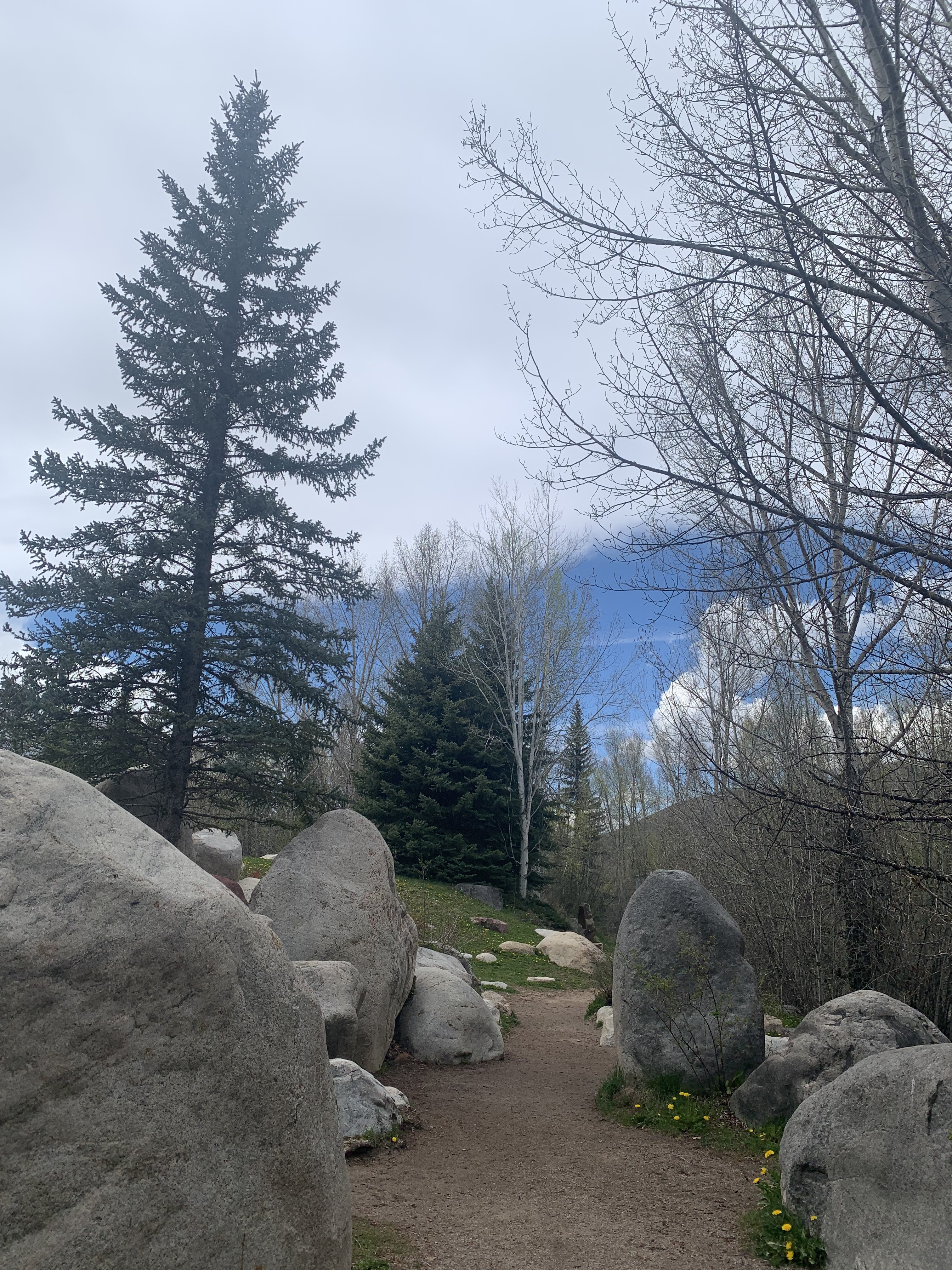
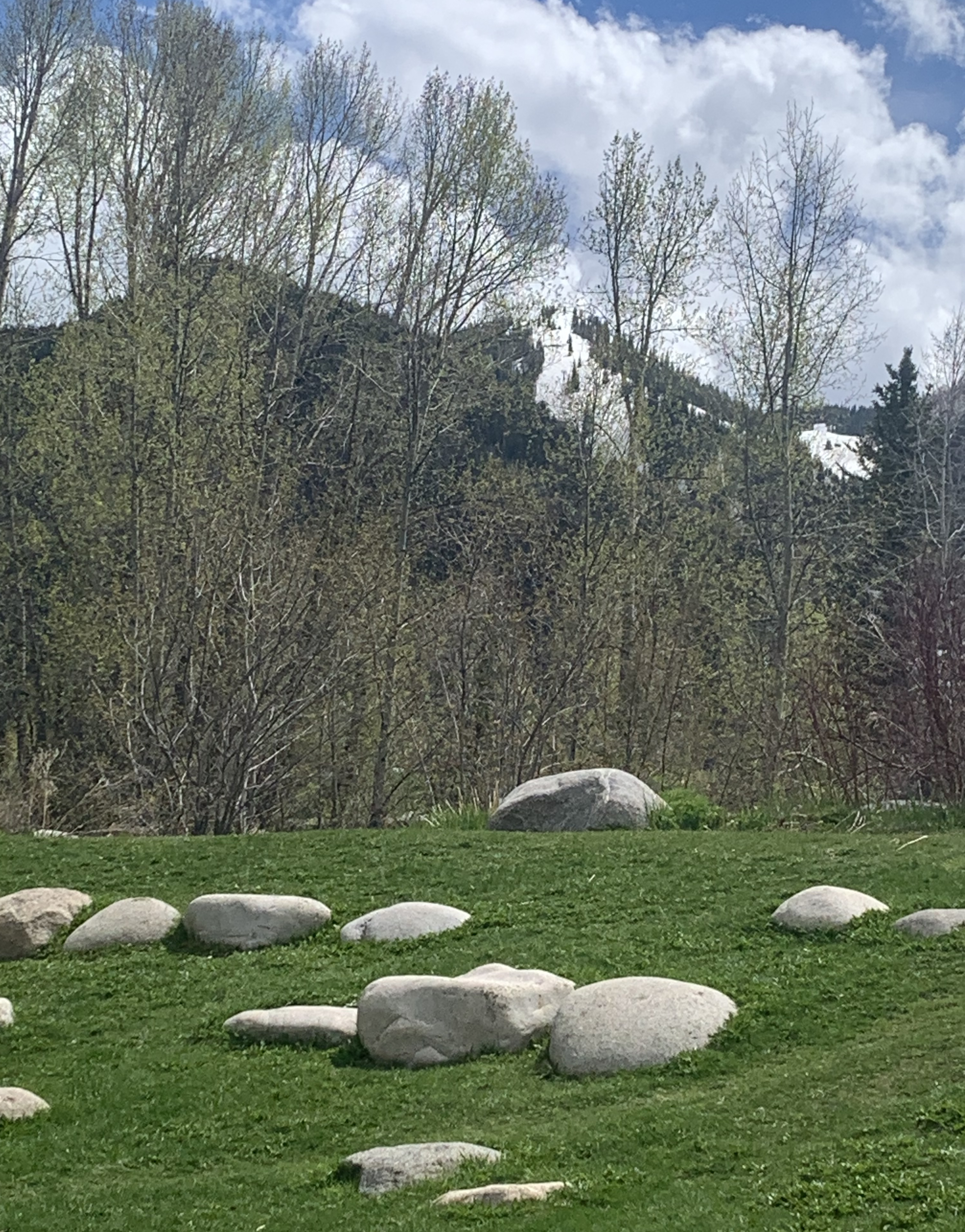
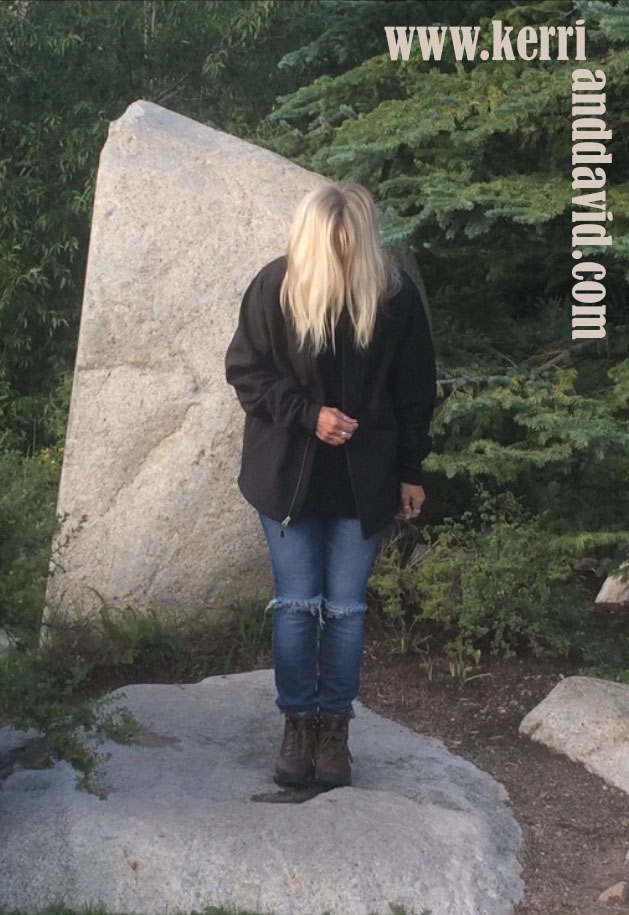
The stones are placed by human hands, as clearly as the menhirs at Stonehenge. For a moment I had the odd illusion that the smaller stones set in the amphitheater where once monolithic and time had worn them to nubs. Ancient remnants of once grande structures. A fingerprint.

At the Sanctuary, the standing stones are engraved with lyrics or wisdoms. I wondered at the human impulse to use stones – giant stones – as monuments. To memorialize. To ritualize. 4000 year old standing stones can be found in Asia, Africa, and Europe. Now they are found in North America – to be discovered by humans 4000 years from now. The lyrics may wash away over the centuries leaving our distant descendants a mystery: why did those people stand these stones in this place? What was the purpose of this henge?

It was no small task for people to erect the monoliths at Stonehenge. A mind-boggling task. Likewise, it was no small feat to create a sanctuary, a place inspiring inner-quiet in honor of a musician who sang of peace. I hope the lyrics do not wash away. I believe our distant descendants would find comfort in the discovery of a Peacehenge, proof positive that we were not all violence, divisive, warmongering and tumultuous but took the time to set standing stones in honor of a poet who believed in our better nature, who sang of goodwill and possibility.

Longing/As It Is © 2004 Kerri Sherwood

Hope © 2005 Kerri Sherwood

Kerri’s albums can be found on iTunes and streaming on Pandora and iHeart Radio

read Kerri’s blogpost about STONES
like. share. support. subscribe. comment. thank you.

Walk The Path [David’s blog on DR Thursday]

It’s been awhile. I’ve fallen into an art book, Ancestral Modern: Australian Aboriginal Art. I bought this book after attending the exhibit at the Seattle Art Museum. It was – and still is – one of my favorite exhibits, reaching me on many levels. I went back again and again so I might spend quality time with a few of the paintings.

The paintings of the Aboriginal artists are mythologies, though not as we think of mythologies. They are more than dusty stories. Explanatory. They are active guides on a life path. Were I Aboriginal I’d “read” them. I’d know the stories so each piece would speak personally to me. The paintings would escort me along my life-path. Mythology as my story.

This is what amazed me most: many of the pieces were as abstract as a Rothko or Frankenthaler. Vibrant lines and color. They shimmered. Dreaming. Living foundational narrative carried in energetic swirls and dots of paint.

In my experience it is not uncommon in a gallery or museum to come across someone puzzling over a painting by a master artist and hear them say, “I don’t get it.” The abstraction is a closed door. “I could do that,” I heard a man huff while staring intently at a Jackson Pollock painting. The door is not closed between the Aboriginal artist and his or her community. The mythology has not broken down. The artist is not exclusively serving an individual expression, rather, they are maintaining an ancient connection, drawing from and carrying forward the deep well of communal story. “Meet Blue-Tongued Lizard Man…” Artists paying homage. Artists serving their role as keepers of the flame.

Kerri and I talked of our artistry as we walked the paths of the John Denver Sanctuary. He was a guide-star for her and continues to influence her work. Simple lines. Music that does not rely on acrobatics or embellishment. It was poignant that we had the sanctuary to ourselves. Sometimes it is nearly impossible to know whether or not our work-in-the-world reaches anyone or serves any real value beyond satisfying our imperative to create it. And sometimes, like that day walking the path through the sanctuary, the clouds rolling over the mountain, the Roaring Fork River singing at our side, the ancestry is clear. “This is where I come from,” she said. “This is where I belong”.

read Kerri’s blogpost about THE PATH

like. support. share. comment. subscribe. thank you.

One And The Same [David’s blog on Two Artists Tuesday]

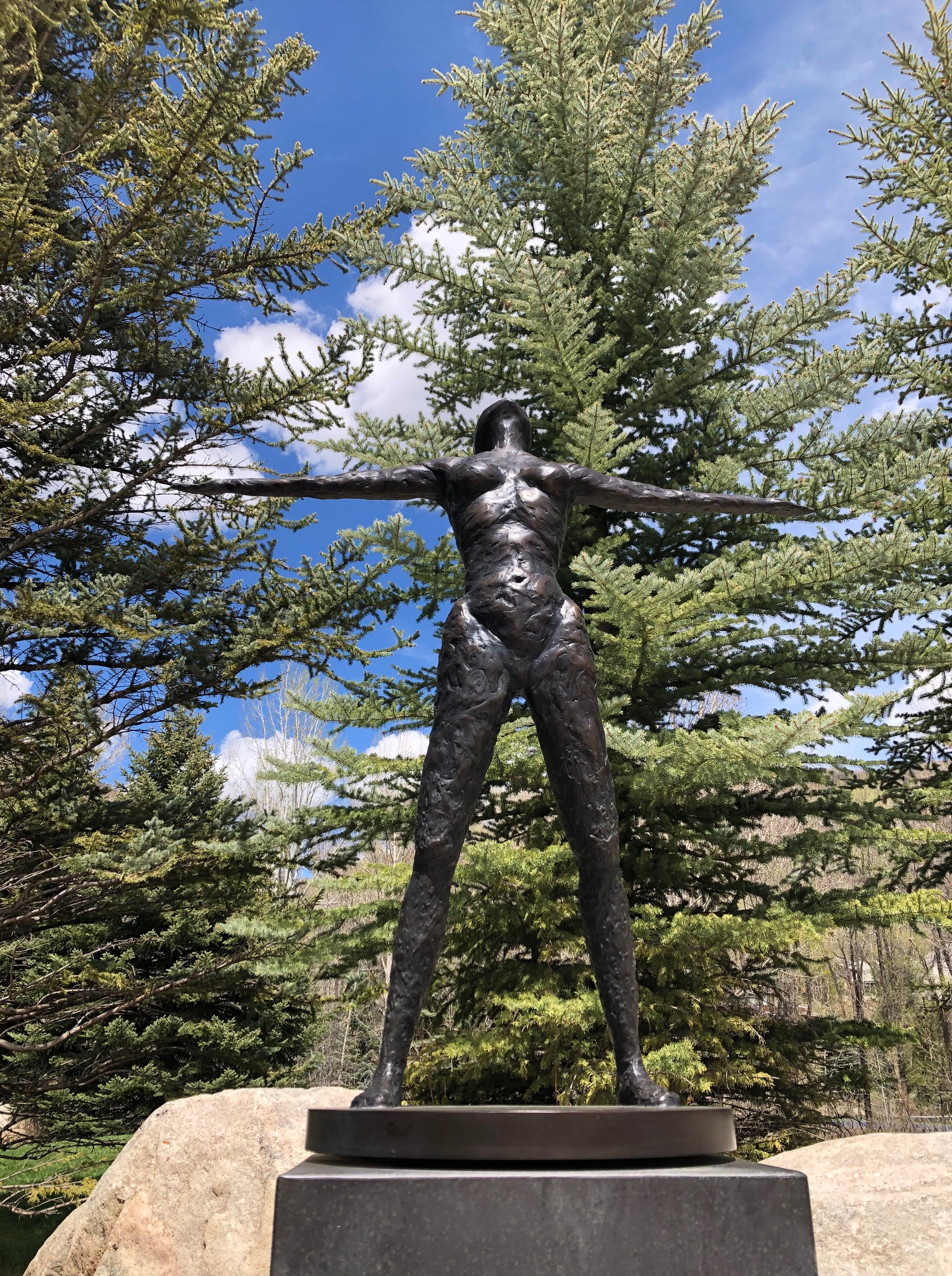
[Embrace of Life by Mimi Webster in the John Denver Sanctuary]

She shared a video posted by a friend: elephants drinking from a watering hole. The opportunity of a lifetime to see it. Yet, it is something that happens everyday if you live in that part of the world. The ordinary and the miraculous, one-and-the-same.

He wrote that he was helping his granddaughter move from college for summer break. His love was palpable. The task was nothing more or less than an opportunity for shared time. Time shared, nothing better.

We took a walk along the lake, my dear-friend, long lost and newly found. We were catching-up on missed chapters and yet talked as if we were picking up a conversation that we started yesterday, as if no time passed between our last meeting and today. In the telling we consciously wove together the rich tapestry of our friendship-story, the necessary sharing of triumphs and tragedies. All important colors on the palette.

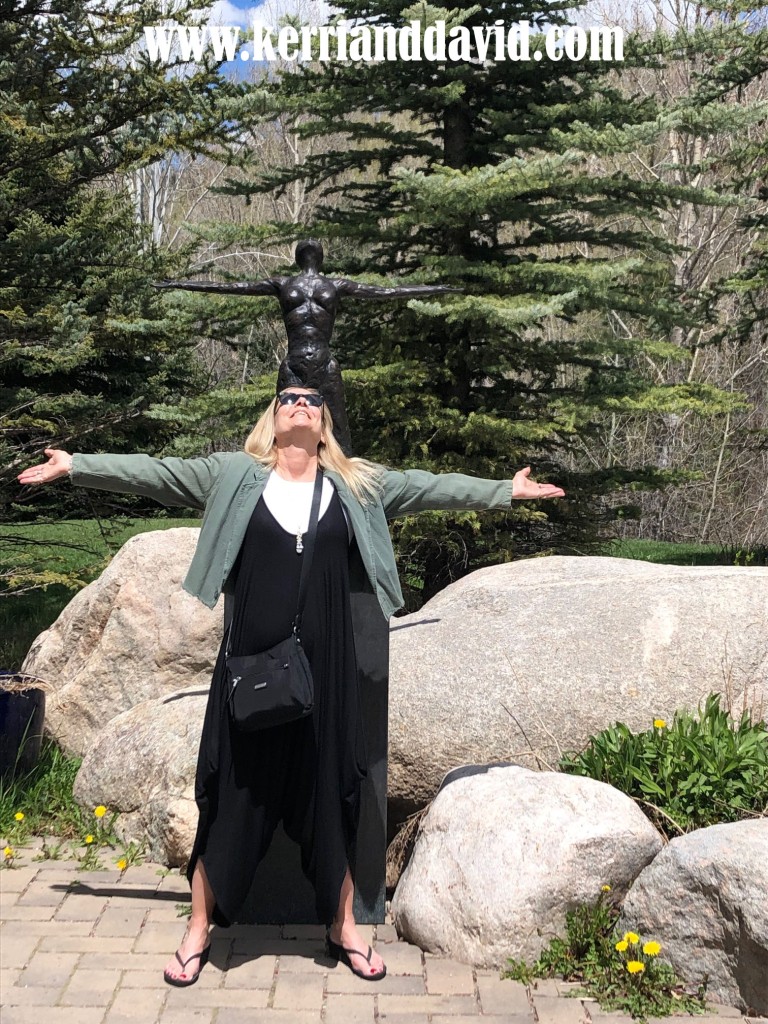
“When was the last time we were here?” she asked as we crossed the bridge into the sanctuary. More than a few years. “So much has happened,” she whispered. So much. We are different than the couple who held hands and crossed this bridge in the past. We no longer swim against the current. The wisdom of exhaustion. She saw the sculpture, Embrace of Life, turned and threw open her arms, mimicking the pose and said, “Yes!”

read Kerri’s blogpost about EMBRACE OF LIFE

share. comment. like. subscribe. support. many thanks!

Then And Now [David’s blog on Two Artists Tuesday]

Then and now.

The moment we knew we were going to Aspen, we looked at each other and said, “John Denver Sanctuary”. It is a special place. A place of peace and quiet in an angry noisy world.

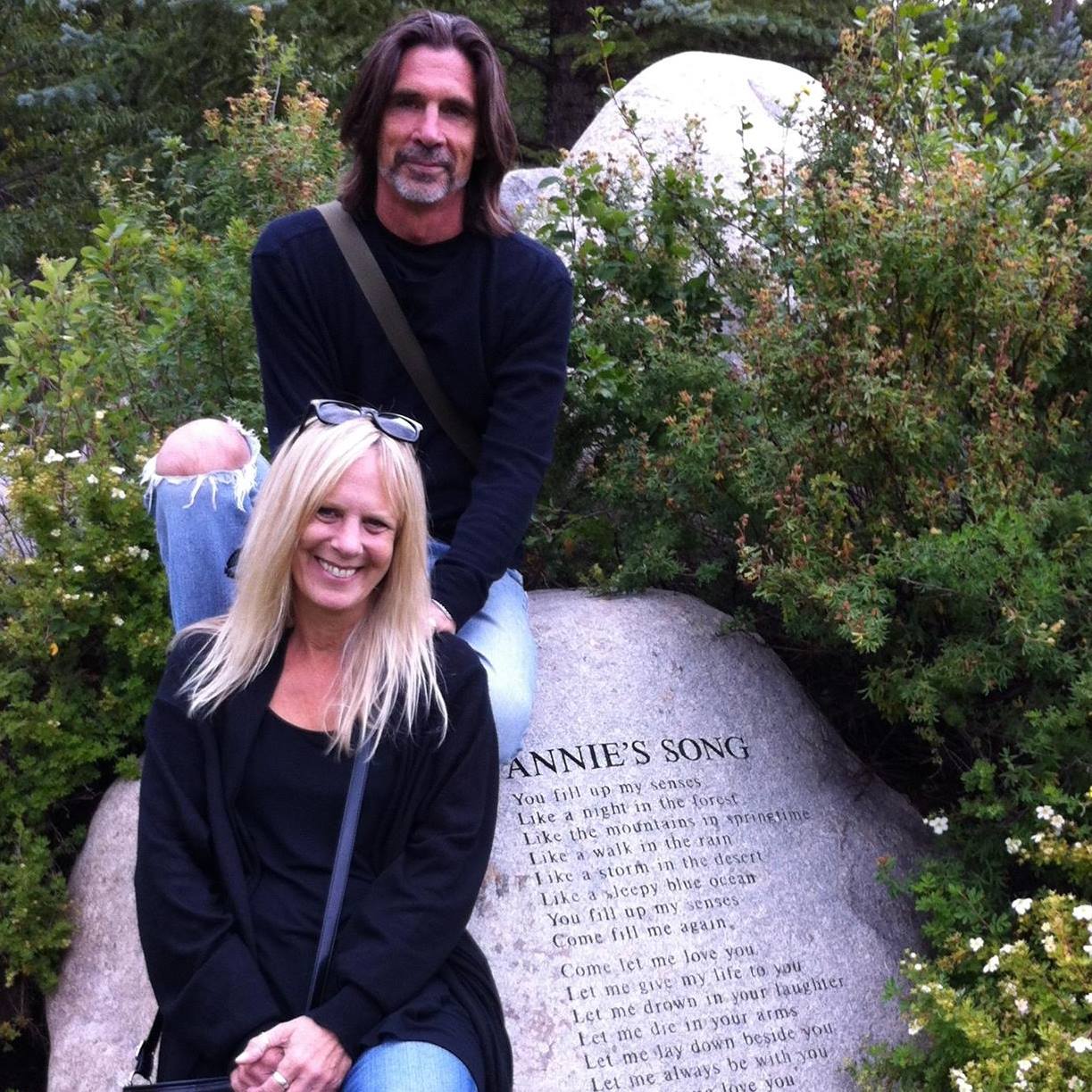
We first visited The Sanctuary In 2016, the year after we were married. John Denver has always been an inspiration to Kerri. Simple. Straight forward. Positive. A bard who dreamed of a better world. In music. We found the monument stone that carried his lyrics to Annie’s Song, – a special wedding song for us -crawled onto the stone and Kirsten took our picture. That was then.

Nearly a decade later, a wedding brought us back to Aspen and to The Sanctuary. In the middle of May we walked the paths and stepped over the streams all by ourselves. No one else was there. We found Annie’s Song, set the timer on the camera, and scurried to the stone to get into the frame. Now.

We lingered there, talking of all that had happened in the decade between the two photos. So many stories! So much life! Who we were then. Who we are now. Who we are becoming.

And, as is always the case, remembering that the sanctuary isn’t just a place, it is also a way of being. We always have the option of bringing the sanctuary with us – being it. That’s what we hope for our becoming. In our artistry. It’s what we’ve always hoped for – then and now.

read Kerri’s blogpost about THE SANCTUARY

like. share. subscribe. support. comment. thank you!

Walk In Sync [on Merely A Thought Monday]

My Seattle studio was on the 4th floor. It was a corner space so I had windows on two sides. On one side, across the railroad tracks, were the stadiums. Out of the other set of windows I could see the streets that bordered the International district. People scurrying to and fro.

Many afternoons, working on a painting, I’d hear the roar of the crowds, touchdowns or home runs. The light rail pulling into the station. The Amtrak train pulling out of the station heading north. Sirens, car horns honking. I loved my studio because, although I was surrounded by the hustle and bustle of city life, I felt somehow removed from it, a witness.

Sometimes, when I was too much in my head or I could no longer ‘see’ my painting, I’d walk the streets. I’d wander to clear my mind or refresh my vision. I’d walk slowly, people rushing, rushing by. People trying to get somewhere. Trying-to-get-out-of-a-too-active-mind requires a much different pace than trying-to-get-somewhere. They are opposite actions. In my slow walk I’d feel the wind of impatience as people dodged around me. I was an irritant. I was a slow moving rock in a rushing river of humanity.

The wind of impatience.

I’ve always understood the artist’s role to be a witness, to live on the edges looking in. Master Marsh recently sent Wendell Castle’s “My 10 Adopted Rules of Thumb.” Rule # 2 is “It’s difficult to see the whole picture when you are inside the frame.” An artist’s job is to sit on the frame, to see and share what those inside the frame cannot see. Pattern. Movement. Illusion.

One of the first things I noted the day I met Kerri is that we had exactly the same stride. We were walking and our steps were weirdly identical. We strolled in sync. It made us laugh.

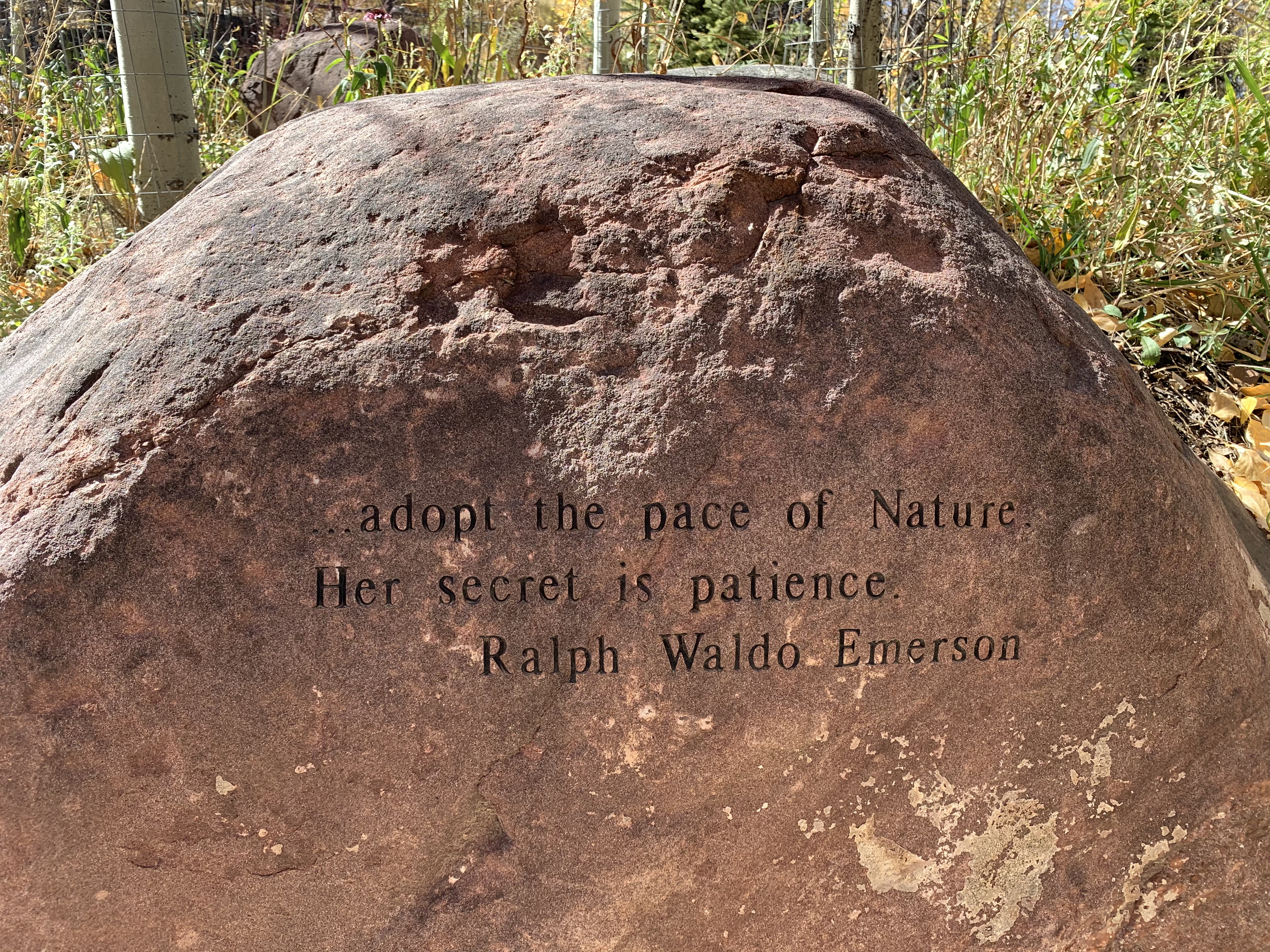
There is a special place in Aspen, Colorado. The John Denver Sanctuary. We make a pilgrimage to the Sanctuary when we travel to visit Kirsten. It is a place designed to make people slow down. Babbling brooks. Aspen leaves. Monolithic stones carved with the lyrics of John Denver’s songs, stones that carry the words of writers and artists and thinkers who appeal to the heart. It asks the visitor to sit for a spell. To listen. To breathe and see. To be, as nature teaches, no where other than here. It offers the gift of the artist: to fill-up with quiet before jumping back into the life-of-hurry-up-and-get-it-done. To remember what is natural and walk with exactly the same stride as nature.

read Kerri’s blog post about PATIENCE