Join The Story

Johnny is sitting on a mule named Old Abe. This was taken a few months before he died.

Johnny is sitting on a mule named Old Abe. This was taken a few months before he died.

Yesterday I finished the final edit/redraft of The Lost Boy. It is a play I began years ago based on interviews with Tom. Late one night while I was visiting him at the ranch, he asked me to help him. “Do what?” I asked. He shrugged his shoulders. He didn’t know. He felt that he had an obligation to an ancestor, his great grandmother, Isabelle, and he felt as if he’d not yet met his obligation. In 1885, Isabelle had a son that died. His name was Johnny and he was only ten years old. Isabelle carefully packed a trunk with all of Johnny’s worldly possessions, she wrote notes, and when no one was looking, she hid the trunk in the walls of the ranch house. She told no one. Tom found the trunk 100 years later.

We decided that his obligation was to tell Johnny’s story. We decided that Isabelle wanted to somehow keep the memory of her son alive but her method was a mystery since she told no one about the trunk. Tom shared the trunk with school children and historical societies but somehow felt as if he had yet to fulfill his obligation to Isabelle. Our idea was to create a play. I would interview Tom and write the piece. He would perform it. Along the way a terrific band, Mom’s Chili Boys, composed and compiled music from era.

We had a play with music. We’d solved the mystery of why Isabelle plastered the trunk into the walls. We made a few attempts at doing workshop performances but the piece always stalled or something unforeseen blocked our path. During a living room read/play through, it became apparent that we missed our window. Tom was slipping into dementia and got lost during the read through. He was no longer capable of performing the play. We stopped. We let the play sit dormant.

During Tom’s decline I rewrote the play so I might tell his story. The Chili Boys were my allies and my rock of encouragement and support. They played the music at performances and told the story in a condensed version and gathered some good feedback. Once, we tried to organize another run at doing the play and it hit a wall of resistance. So, it sat for a few years in the projects-that-could-have-been pile.

When Tom passed this fall it was as if the universe that was so dedicated to blocking our path finally said, “Now.” The Chili’s have new music and it is gorgeous. In doing the rewrite I was gob smacked to realize that Tom had to pass before the play would be complete. He wondered how he might honor his obligation to Isabelle and the answer was something he never knew: he had to ask for help, not to share the story but to enter it. As it turns out, The Lost Boy is not about Johnny or Isabelle. It is about how Tom found his way home.

Go here to get my latest book, The Seer: The Mind of the Entrepreneur, Artist, Visionary, title_pageSeeker, Learner, Leader, Creator…You.

Or, go here for hard copies.


Intend And Forget

I have many titles for this painting and have used it a few times for posts. It is ultimately about intention and inner guidance.

I have many titles for this painting and have used it more than a few times for posts. It popped up for me again today. It is ultimately about intention and inner guidance.

I just finished writing this post and realized that, in many ways, this is the continuation of yesterday’s thought: clear the mental static and the channel to full expression opens. So, here is part two of my meditation on inner static:

John and I were having a conversation about the passage of time. He told me that he’d recently found some old lists that he’d written of life goals and intentions. The interesting thing about discovering the lists was 1) that he’d forgotten writing them and, 2) that he’d achieved most of what he’d written. He said, “The form of what I created was different than what I’d originally imagined but I was surprised to see that I’d actually created what I intended.” It was as if he had to write the intention in order to activate it. Forgetting the intention was necessary to give it space to manifest and grow. Write and forget.

When I was first training as an actor, late in every rehearsal process, my teachers consistently advised that we let go of everything we’d rehearsed and just show up. “You’ve done your work,” they’d say. “Now, let it go and trust.” Many years later when I was directing plays and teaching actors I gave the same advice. “Let go and trust. You’ve done your work. All that remains is to be present.” From the teacher/director seat, the moment of letting go is palpable; you can literally see and feel the phase in the process when an actor needs to let go of their work to come alive. They need to get out of their own way. They need to get out of their head and give all of their focus to the relationships on the stage. The work moves from the head to the body. It is this last step that transforms their study to a living pursuit. Forgetting the work creates spaciousness and allows the art to happen. Art is always about relationship and great art happens when the relationship is clear and expansive enough for all comers.

One of the most profound lessons I gained from my time in Bali concerned this dynamic connection between setting an intention and letting it go. While I was on the island my internal monologue disappeared; one day I realized that I was completely quiet. Thought was a choice and not a plague or chattering background noise. Silence was simple when no story was necessary, when no interpretation was needed. In the middle of that silence I could set an intention (“This is what I want to do/find today”) and then forget it. Before the day was over I would have found what I intended. The steps came to me; I did not have to seek the steps. Sometimes the intention was simple and sometimes seemed complex but that didn’t matter. If I clearly stated what I wanted and returned to silence the necessary coincidence always found me. I felt as if I could see the pieces on the game board moving on my behalf. There was no internal noise to compromise my intention so there was no external discord confusing my choices. I was conscious of my connection.

Alan calls this co-creating. Work with the energy and cease trying to force things to happen. John told me of his lists and I wondered how many people have had the same experience. We make lists, we try to make the list happen, life gets in the way and we forget. And, in the moment of forgetting, we relax our grip on how we think things need to happen. We forget the form and inadvertently open to possibility. In the forgetting we create the steps necessary for fulfillment: spaciousness, trust, and quiet participation.

Go here to get my latest book, The Seer: The Mind of the Entrepreneur, Artist, Visionary, title_pageSeeker, Learner, Leader, Creator…You.

Go here for hard copies.

Clear The Static

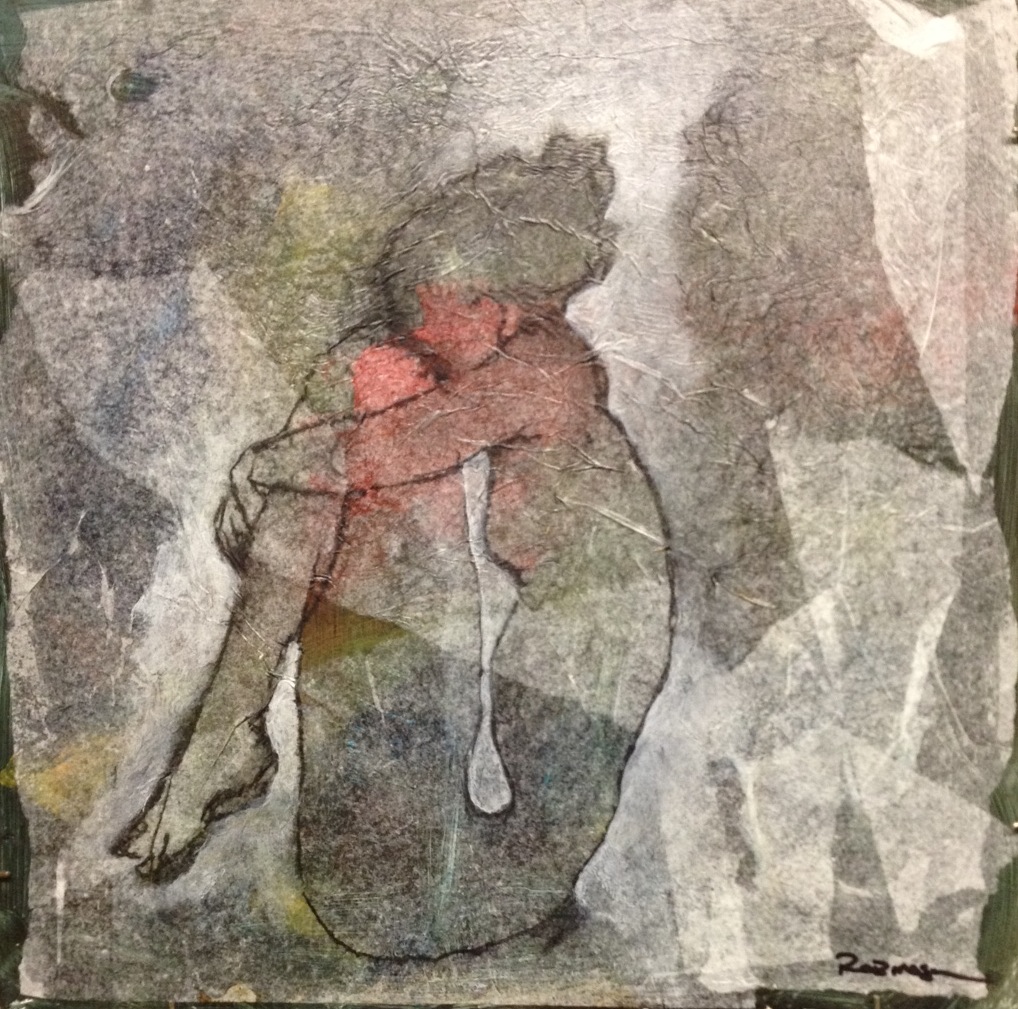
'John's Secret' by David Robinson

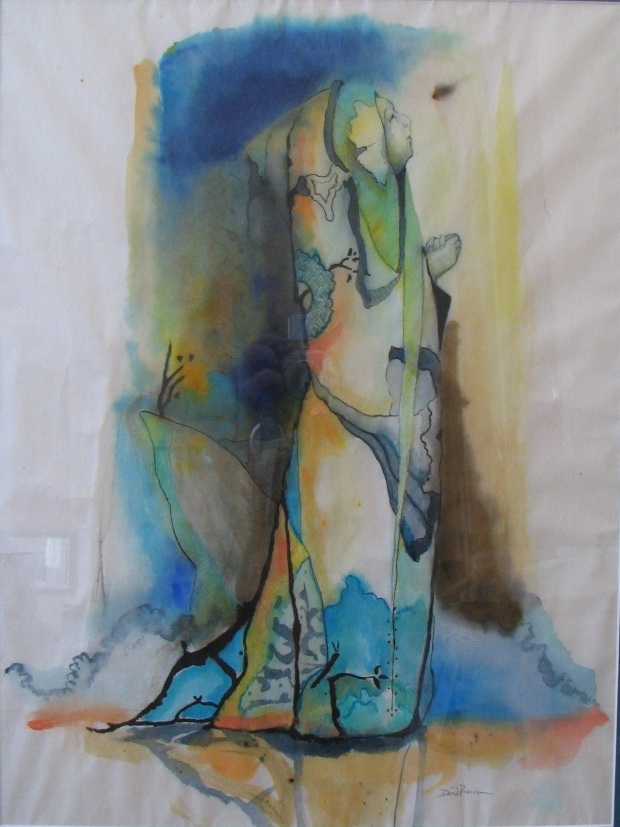
‘John’s Secret’ by David Robinson. I’ve used this image before but this painting came to mind while writing so I’m using it again.

So many of my conversations with the stained glass window have to do with returns. For instance, the first conversation was about the return to silence. Over the year, we’ve had lengthy chats about the return to the sacred, a return to light, gratitude, alignment, unity, presence and love. Today our conversation was about the return to voice.

When people talk about voice they generally associate the verb “to give.” Give voice to your thoughts. Give voice to your ideas. Giving voice implies that you have something inside that is unexpressed. It implies that your inner editor has run amok and has a choke hold on your communication. Release the grip and give rein to your voice.

Free expression is all well and good but giving voice also comes with a caveat. Someone I once knew told a great story of a woman who grew tired of hearing her associates complain about not having a voice. This woman, in a fit of frustration, asked, “If you had a voice, what would you say?” It is a potent caveat: it is not enough to have a voice. In addition to the capacity to give voice you also need something meaningful to say. The 24-hour news cycle is rife with great examples of voice sans content.

My conversation with the window had nothing to do with giving voice to the unexpressed or to the necessity of useful content. The window surprised me. The window reminded me of a favorite quote by Vincent Van Gogh: If you hear a voice within you say, “you cannot paint,” then by all means paint, and that voice will be silenced. Oddly, my discussion with the window about the return to voice had to do more with with silence than with sound. It had to do with the quieting the static. In other words, full expression is available when the inner radio station is properly tuned. Clear the noise and the channel opens. Clear the noise and act: paint the paintings, write the next book, create the Be-A-Ray performances, give life to my play, The Lost Boy. The return to voice is a path that leads through quiet. It is a paradox and to my great delight it is a paradox that loops back to my very first conversation with the window. Silence and voice, voice and silence: they are dynamic and intimately connected.

Go here to get my latest book, The Seer: The Mind of the Entrepreneur, Artist, Visionary, title_pageSeeker, Learner, Leader, Creator…You.

Or, go here for hard copies.


Join A Group!

title_page“This book invites conversation,” Mary said. “I’m enjoying that others feel the same way and want to talk about it.”

I was enjoying it, too because it was my book, The Seer, that they were meeting to discuss. It was the first time since publishing The Seer that I’d participated in a conversation about it. There have been other group conversations and I’ve received some very useful emails and insightful notes, but this was the first time that I was able to attend. Since I’ve been approached to coach people using The Seer process, I was delighted with the opportunity to hear their discussion. It was the first of several calls with a people from many countries who are working their way through the 9 Recognitions (the chapters are a progressive series of recognitions).

During the call I thought about my very first art exhibit. I was young, shy and unknown so I was able to follow people through the gallery and listen to what they saw in my paintings. It was a revelation. There were as many different interpretations of my paintings as there were people in the gallery. Each person interpreted the paintings through their unique lens; they did not see what I painted, they made sense of the image through their life-narrative. They recreated the images. I loved it. It was a lesson in the power of art, seeing and was a seed for my fascination in communal narrative: where do our stories become transcendent and singular? Where does identity become cultural?

During the call I listened to what was important about the First Recognition to each caller. They had unique experiences with the concept. The First Recognition sounds simple but is capable of reorienting what you see if you take it seriously. It goes like this: you don’t have a problem, you have a pattern. “Problem-seeing” is a lens and defines a path of available actions. It defines a worldview is rooted in the notion of separation. “Pattern-seeing” is also a lens and defines a path of available action. It, too, defines a worldview but the rooting is in connectivity. The callers discussed their experiences of shifting their seeing from problem to pattern.

Mostly, I appreciated Mary’s comment because she echoed two concepts layered into the book: 1) No one creates alone. Creating, whether it is a painting or a life story, is a team sport. We need each other to make sense of this life. 2) Working with my book is like riding a bike or throwing a pot: you can’t make the shift unless you do it. To read it alone is useful and perhaps illuminating, but the real worth becomes available when you step into the actions, when you get on the metaphoric bike and fall down a few times. And, looping back to the first point, it is easier to fall with others stumbling along with you. Creating is a team sport because life is a team sport. This group inspired me and how lovely for the potency of the First Recognition to come back at me through the eyes of my readers.

Go here to get my latest book, The Seer: The Mind of the Entrepreneur, Artist, Visionary, Seeker, Learner, Leader, Creator…You.

Go here for hard copies.

Be Chosen

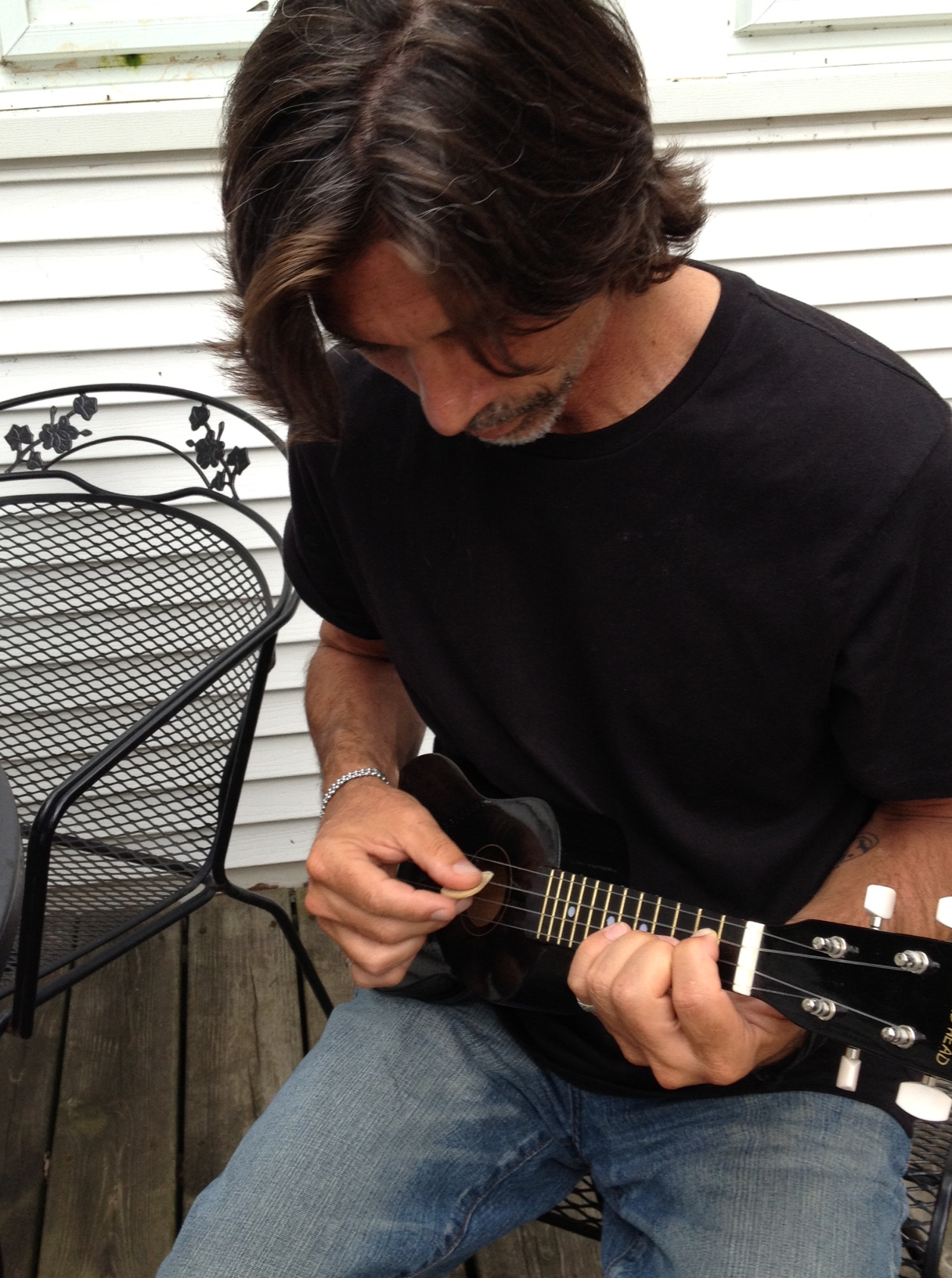
photo-3A few months ago Kerri and I went to look at guitars. The salesman reiterated what she’d already told me: you’ll know it when you see it. It’s personal and not rational. It will choose you. I played several guitars that day and a few more since and have yet to be chosen.

So it was with great wonderment and mirth that yesterday I watched Kerri be chosen. One of the first things I learned about her was that she has a deep river yearning to play the cello. We’ve often talked about it as something that may happen in the distant future, almost as if it was a fantasy or out of reach. In our travels we’ve seen a few cellos for sale that have served to pluck her yearning but nothing more.

Yesterday we went into the local music store to pick up a loaner trumpet for an Easter service. To the left of the register was a cello. It was as if the store and everyone in it disappeared. Dale was unpacking the trumpet to show her when she caught sight of the cello. It was like the sun and she was pulled into its orbit. Dale was in mid sentence when she walked away, touched the cello as if it was her long lost child, and caught her breath. Dale said, “Kerri? Kerri? Do you want to see this?” She was gone, beyond the land of Easter trumpets and caring for the day-to-day. We watched her pluck the strings, listen to tones, and whisper things like, “Ohhhh” and “Ahhhh.”

Dale raised his eyebrows and looked at me. I said, “Wow.”

He closed the trumpet case saying, “This can wait.” We both knew what was happening.

When she returned to earth and the land of Easter trumpets, Kerri peppered Dale with questions about the make of the cello, how it compared to other cellos, what he thought about this particular cello, and if he thought she was crazy to want to play the cello. He kept a remarkably straight face and answered all of her questions. She left the store to think about it but called and asked them not to sell it for 24 hours.

Many years ago I met Arnie for dinner. He’d just been asked to apply for a superintendent’s position and I spent the dinner listening to him tell me all the reasons why he shouldn’t throw his hat into the ring. “It’s a thankless job!” he insisted. “Why would I put myself into such a miserable position!” he thumped the table indignant with himself for even considering the option. We both knew he would do it. We both knew it was his destiny. We both knew he would be offered the job. When he’d exhausted his resistance we laughed and acknowledged what we both knew. He got the job and transformed the district. In transforming the district, he transformed himself.

When Kerri left the music store I felt as if I was having dinner with Arnie all over again. She told me all of the reasons why she shouldn’t get it. She listed the thousand and one reasons why it made no sense. She told me all of the things that she could do with the time and money that it would take to own and learn the cello. And when she’d exhausted her resistance, we laughed and acknowledged what we both knew. She had been chosen. This was her cello and it would give her life and light her creative fire.

Later, after bringing the cello home, we talked about how the important moments in life rarely make sense. Sense making is the province of the known; sense making is backward looking. The transformational moments are transformative precisely because they make no sense, precisely because they require a step away from what is known. From the point of view of sense, transformation seems ludicrous.

This is why art never makes sense. To be vital it is not supposed to make sense. Art is meant to pull you into the unknown where a cello can call your name.

Go here to get my latest book, The Seer: The Mind of the Entrepreneur, Artist, Visionary, title_pageSeeker, Learner, Leader, Creator…You.

Or, go here for hard copies.

Say “I Can.”

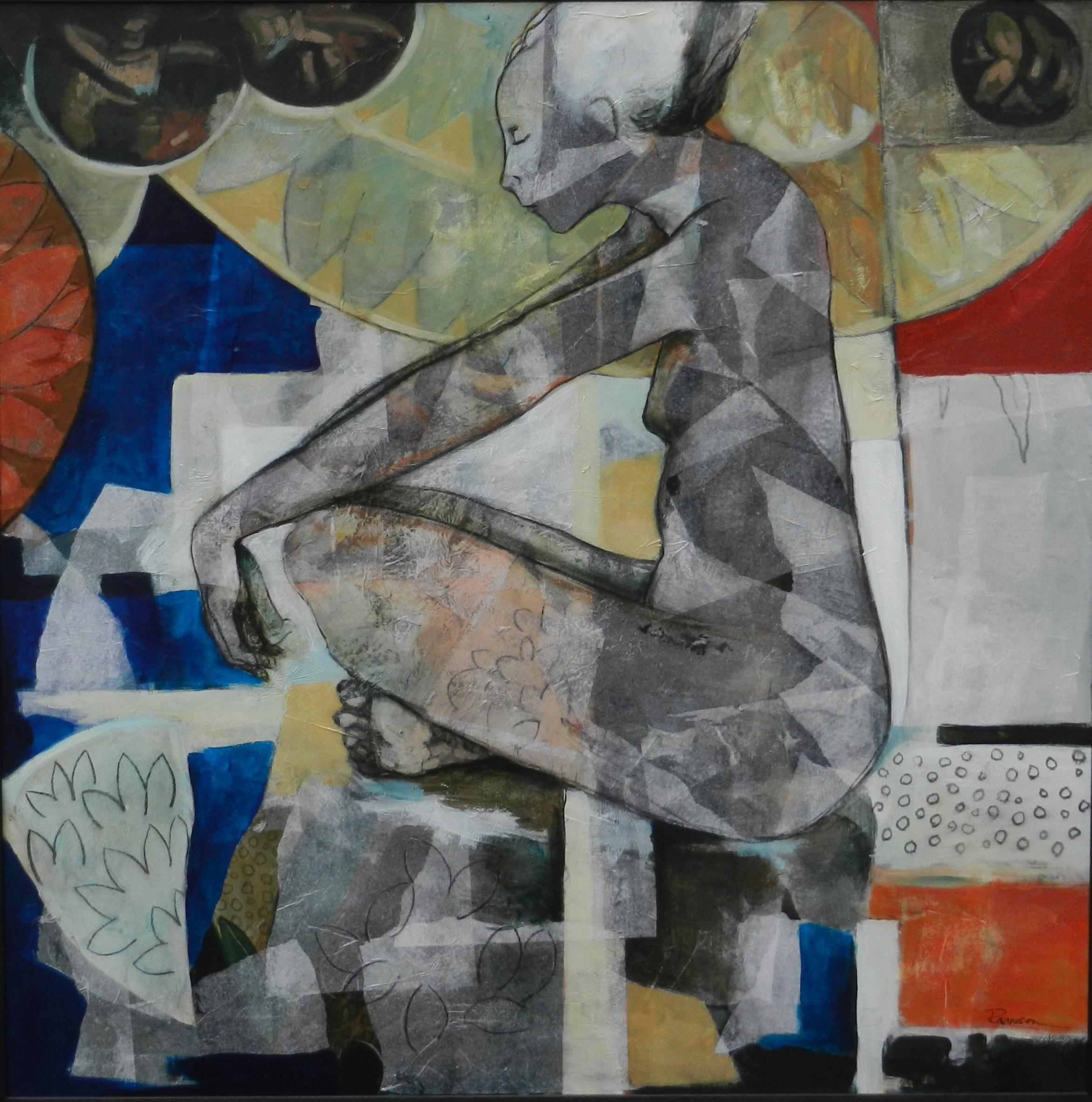
My latest addition to the Yoga series.

My latest addition to the Yoga series.

This is a bit of a confluence of thought-rivers. Two comments came across my virtual desk on the same day and collided.

1) Master Marsh sent me some wise words about a recent post concerning “can” and “can’t.” He wrote:

“There have always been plenty who will say: ‘It can’t be done.’ Ignore those. Surround yourself only with those who say: ‘It can.’ I’ve come to believe this is less about can and can’t than about the challenge of doing. And not doing is always easier.”

2) Another of my favorite readers sent this comment about a post on boundaries and choices:

I’m thinking making own-able choices is so freakin’ difficult for so many us because we were never taught/allowed to make them as children, nor are we often encouraged/allowed to do so as adults. Most of us learned at a very young age that to do as instructed – without complaint or question – meant that you were “good.” Being “good” was all tied up in stuff like being seen and not heard; accepting “Because I said so” as an explanation; being expected to abide by dictated boundaries and beliefs because of tradition or what “Other people will think.”  Operate by the rules and you are “good.” Buck that system by challenging the status quo and you are “bad.”

At first glance these might seem like two entirely different subjects. Though, as luck would have it I read them one-after-the other and I started pondering why, “not doing is always easier” and if that might not have something to do with identifying “good” with compliance and “bad” with non-compliance.

It’s a fascination of mine that in a nation that prides itself on a spirit of independence we place so much emphasis on obedience, control, and compliance. Nike sells us shoes by plucking the chord, “Just Do It!” Yet, we all know that the cowboy spirit is not welcome in grades K – 12. It’s a mixed message at best.

In the world of work, in environments heavy on control and compliance, workers can be counted on to do the minimum. Why would they show up ready to give their best when their best requires a mind-of-their-own. They, in essence, become resistant to take initiative and necessarily refuse any ownership of actions. To take ownership requires being seen and compliance is a game of invisibility. I remember a very frustrated artistic director asking me why her creative people never initiated action. She was dumbfounded when I helped her see that she was the problem. She made it a habit of negating every idea that she didn’t originate. Her staff did what all people do when punished for making offers; they stop making offers. Her “creative” team became adherents of “It can’t be done.”

No child comes to the planet with an internal line dividing “can do” and “can’t do.” Imagination makes all things possible. “Can do” and “can’t do” is learned; it marks the boundary between safe and not safe (or unseen and shamed). There is a price for domestication. “It can’t be done” is often a statement of fear and refusal to cross the line into disobedience (independence by another name). I would add a thought to Master Marsh’s comment, “not doing is always easier;” it is also true that not being seen is always easier, too. Showing up is hard. Doing is always a challenge because doing is often unpopular.

Tom used to say: “You know the value of your work by the size of the tide that rises against you.” In other words, it takes a special kind of courage to say, “this is mine to do and it matters not a whit what others think or feel about it.” It takes a special courage to say to yourself, “I’ll never know if it is possible or not until I try.”

Go here to get my latest book, The Seer: The Mind of the Entrepreneur, Artist, Visionary, title_pageSeeker, Learner, Leader, Creator…You.

Or, go here for hard copies.

Give Yourself Some Advice (3)

A younger version of myself rehearsing for The Creatures of Prometheus. The tats are fake!

A younger version of me rehearsing for The Creatures of Prometheus with The Portland Chamber Orchestra. The tattoos are fake!

[continued from GIVE YOURSELF SOME ADVICE (2)]

Here’s the third and final section of Horatio’s Advice To Myself. He sent it to me in an email last week. Horatio is one of my dear companions in art and artistry and I was so moved by his words that I asked him if I might post his thoughts. Were I still teaching young artists, this would be required reading:

Do not make work that attempts to control others. That is only advertising or propaganda and sustains no one. Make work that connects to others. That is sustaining. 

Do not make work that exalts yourself alone. That separates you from others.

Walking is good for you. Eating and sleeping are good for you. Loving is good for you. All those things sustain and heal you. Make your work like those other things. That kind of work is good for you, and for everyone.

Bragging is not good for you, or for anyone.

Never work in order to be famous or get rich. Never confuse your work with either one of those false goals, even though either or both may come your way.

Fame and riches are burdens and require a whole set of tools and abilities not at all related to the work that may have brought you fame and riches. No one but a very small minority of the rich and famous and a few visionary souls who are not rich or famous understand this. It may be the greatest false idol of human self-fulfillment of all time.

Time is the only asset that really matters. Value and prioritize it. You also need enough food and shelter, which usually means money. But enough is enough. That’s all that matters.

Having enough money for food and shelter is a necessity of doing good work. You have no choice but to figure something out. There are many paths. 

You will make bad choices. Learn from them. Forgive yourself so you can make other choices. Keep pursuing the real work.

You will waste effort and time. You will do work you don’t like. Everyone does. Try again.

All good work contains a discovery, something necessary for human life, even if it’s only that you need to drink water. 

All good work shows how we are all human, both you and your audience, that you connect, that you are the same.

All good work shows that it matters that we are all the same.

[to learn more about Horatio’s films or to read the complete Advice, visit www.Fidalgofilms.com]

Go here to get my latest book, The Seer: The Mind of the Entrepreneur, Artist, Visionary, title_pageSeeker, Learner, Leader, Creator…You.

Go here for hard copies.


Give Yourself Some Advice (2)

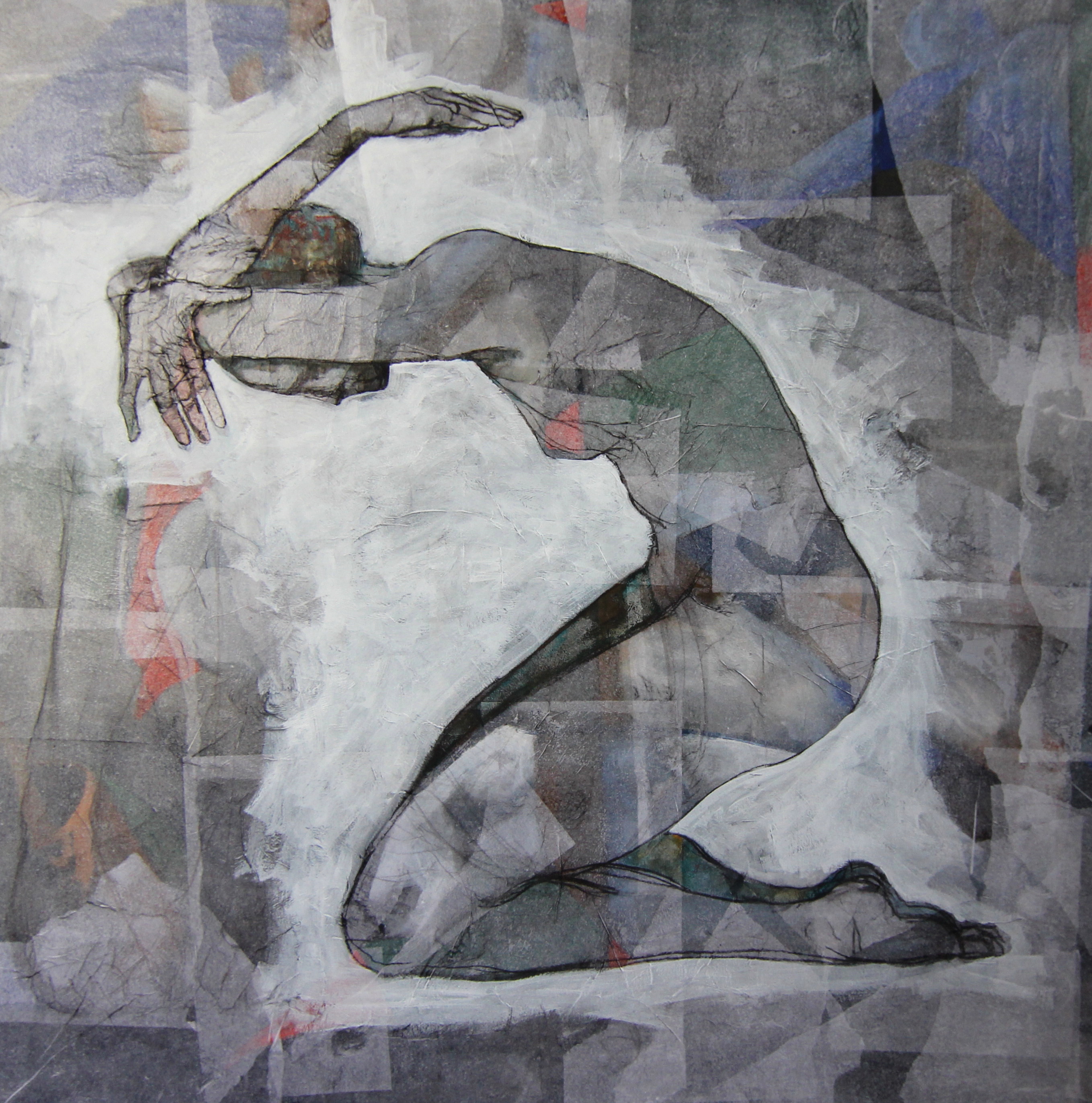
Finishing a painting is really about having a conversation with yourself. This one is talking!

Finishing a painting is really about having a conversation with yourself. This one is talking!

[continued from Give Yourself Some Advice]

Here’s the next bit of an email Horatio sent to me with his Advice To Myself. He wrote it following a question from a reporter about advice he’d give to emerging filmmakers. I am particularly fond of this section as many of my teachers, mentors, and guides are now passing away and I am revisiting what is mine to add to this “ancient conversation.” Here is the next section of Horatio’s advice to himself (for the full text, visit his blog at www.fidalgofilms.com):

Respect the boundaries of others; do not seek to control anyone else. You can only control your own choices.

Learn and honor with absolute integrity your own boundaries so that others may not try to control you or your work. Unfortunately, this is usually only learned through a certain amount of trial and error. 

Learning to trust is an art, and absolutely necessary. Learn to trust yourself first. Learn to trust others.

Always respect the tradition of your work, its ancient human conversation.

Connect to tradition, to all your teachers and your teachers’ teachers. Give yourself to it so that it can give to you and to your work. Honor it with rigor and doubt, with hours and hours of study and practice.

Then let your teachers go, follow the path that you understand as truth. You will know it when you see it. It will be your part of the ancient conversation. Likely, you will find that parts of one or two of your teachers have become part of you.

If you do not let your teachers go, your part of the ancient conversation will not be yours, but rather what you think other people want you to add to the conversation. That is not from you and only clogs up the conversation.

[to be continued]

Horatio asks great questions: What is the tradition that you carry forward? I follow the line of Tom and Marcia McKenzie, who learned from DeMarcus Brown, who learned from Eva Le Gallienne, who learned from…. What teachers/teaching do you need to let go?

Go here to get my latest book, The Seer: The Mind of the Entrepreneur, Artist, Visionary, title_pageSeeker, Learner, Leader, Creator…You.

Or, go here for hard copies (Amazon)


Give Yourself Some Advice

Horatio as a young man

Horatio as a young man

A few days ago I received an email from Horatio. He is an amazing filmmaker and gifted visual artist. We’ve wiled hours and days away talking about art and acting. He’s a treasure. His email was advice that he wrote to himself, the artist (what a great idea!) and with his permission, over the next three days, I will share it in segments. If you are impatient and want to read ahead, visit his blog or take a gander at his work at www.fidalgofilms.com. Here’s his email with the first portion of his Advice To Myself:

The evening after screening The Bath at Taos Shortz Film Festival in March, 2014, a very adept interviewer with the wonderful name Tamara Stackpoole (straight from Downton Abbey or Jane Austen?) asked if I had any advice to emerging filmmakers. My answer, as I recall:

“Let your teachers go. Just tell your own truth. Learn the craft – setup and payoff, three-act structure, and so on – and learn it well. But then let it go and tell your own truth, your vision. You’ll know it when you see it.”

When I woke the next morning, I realized that I had a lot more to say, and that it amounted to advice to myself. It follows:

You only can control yourself, which means your choices. You cannot control anything else.

Choose ethically, you will regret anything else.

The foundation of ethics is to respect others. Treat others as you wish to be treated. Be humble. Pride is the foundation of all the deadly sins, according to Dante and his mentor Virgil.

Your work is the essential ingredient of your life, an expression of your choices, your ethics. 

Connection to others is the essential mechanism of ethics.

A reciprocal connection of human to human (parent/child, student/teacher, artist/audience, friend/friend, or lover/lover) is the basic means to give yourself to others and to receive from them, to further yourself and others.

You will always be learning and practicing that kind of connection. You will never be finished. 

[to be continued]

Prompted by Horatio’s inspiration, I’ve started writing my version of Advice To Myself. It’s a great exercise and amounts to yanking the blankets on what matters to you. It begs the question: what will be your legacy? What might you write to yourself?

Go here to get my latest book, The Seer: The Mind of the Entrepreneur, Artist, Visionary, title_pageSeeker, Learner, Leader, Creator…You.

Or, go here for hard copies.

Hold A Vigil For Kermit

My studio moves into the light.

My studio moves into the light.

Life returns slowly. It is the time of year that the goddess Demeter ceases grieving because her daughter, Persephone, is allowed to return from the underworld. Demeter’s joy ignites earth’s renewal.

This morning we sat outside on the back porch, wrapped in a blanket, our chairs facing the sun, our backs to the wall so we could feel the radiant heat. We drank coffee, soaked up the sun and talked about everything and nothing at all.

We are feeling the stirring. We moved the studio from the basement into the light. A stalled project now has life and is arcing toward production. Inspiration and enthusiasm are playing chase through our creative sessions. A few days ago I found my sketchbook and spend time each day filling its pages. There are new canvases sitting on my easel.

It is the season of resurrection. We are holding vigil for our pond frog, Kermit. Although his name is common his story is extraordinary. Last summer, after we dug the pond in the backyard, Kermit suddenly appeared. All through the fall we checked on him. He looked out at us from his hiding place in the rocks or if caught him by surprise, he’d dart to the opposite side of the pond. This winter was harsh and the pond froze solid. We worried about his fate. When the pond melted, we found a seemingly lifeless Kermit on the bottom with the leaves.

Many species of frogs hibernate. In fact, we learned that certain wood frogs freeze solid to the core. When winter comes their bodies replace the water in their vital organs with a protective “anti-freeze.” All signs of life cease. The heart stops (it is frozen). All measurable electric impulses close down. When the weather warms, their core thaws, and they quite literally come back to life. If you’ve ever doubted the magic and mystery of this life, spend some time watching frogs.

We don’t know yet if Kermit is hibernating or not so we watch. A layer of ice returns to the pond each night. The temperatures are bobbing just above and way below freezing, so we wait, drink in the sun and good coffee. We watch Tripper-dog-dog-dog discover birds and bark at raindrops on the pond; this is his first-ever spring. We fill with hope and ourselves slowly revive from a long winter of hunkering down. We stretch our limbs, we thaw, we breathe.

Go here to get my latest book, The Seer: The Mind of the Entrepreneur, Artist, Visionary, title_pageSeeker, Learner, Leader, Creator…You.

Or, go here for hard copies.