Clean White Slate [David’s blog on Two Artists Tuesday]

The snow fell and the world grew quiet. It seemed that the universe was affording us a much needed pause, an opportunity to be still and reflect. The snow appeared to be our ally, a guardian made of ice crystals wearing a blanket of muted white.

And so, we rested. We agreed that no decisions needed to be made, no projects required completion, no questions needed to be answered, no horizons needed to be explored or ideas pursued. No experience needed defending. No choices required justification. We welcomed our exhaustion and sank into it like a soothing warm bath. Prior to rejuvenation, we recognized the utter imperative of emptying space, the necessity of draining the glass completely so it might someday be fully refilled.

Later I marveled how rare it is in my experience to rest. To truly rest. To just rest. To give myself permission to be. To hold no thoughts, to hold no grudges, to hold no importance, to hold no intention. To open hands and heart and let go. It is not in either of our natures to do nothing.

On a sunny day we would not have been capable of absolute rest. Had it been a sunny warm spring day, our empty tank, our need for rejuvenation, would likely have taken a different route. We would have walked. We would have recounted and debriefed. We would have puzzled. We would have made pictures. We would have turned our faces toward the warm sun piercing the cool breeze.

Instead, the snow-ally brought us a surprise gift. A rare and welcome opportunity. A noiseless mind. A quiet heart. A clean white slate made of a deep appreciation for the essential things.

read Kerri’s blogpost about SNOW

like. share. support. subscribe. comment. thank you.

Let Yourself Go

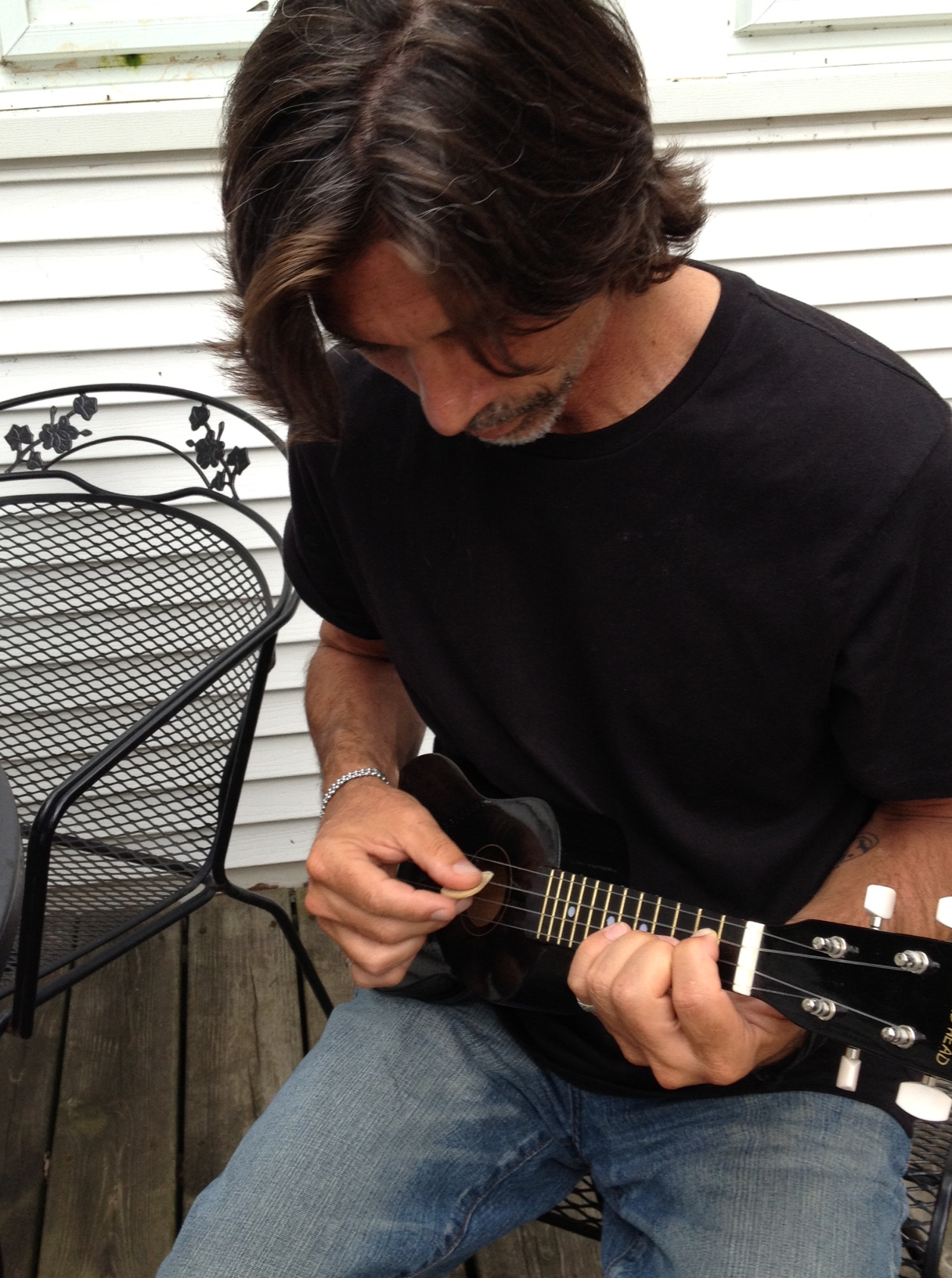
I have no idea how, but I'm making a mess of sound and will one day play the ukulele.

I have no idea how, but I’m making a mess of sound and will one day play the ukulele. Kerri says that I already am…

My meditation on the word “how” continues.

At our recent Summit in Holland, Alan and I asked the question, “What would you do if you didn’t have to know how?” It is a great question. The short answer is this: you’d figure it out. You’d try things. And if your first attempts led nowhere you’d try something else.

In this musing I have often written that “how” is something that is known at the end of the journey. We can’t answer “how” with any honesty until the story is played. Today I recognize that there are two distinctly different “hows:” 1) the explanation, “This is how I did it. This is how you do it. This is the “how” that presumes a path or a prescription. When dealing with this version of “how” I ask groups or clients to consider their life story and tell me how they got to this day in this place doing this job, etc.. The answer is mostly, “A clear path with a lot of happy accidents,” or something like, “I have no idea. I didn’t try.” Yes. Ask me how to paint a painting and I will tell you that I have no idea. I’ve painted a thousand of them and I can teach color theory or composition but I cannot tell you how to open to the muse, how to become a channel for something greater to come through. To paint a painting, to act in the play, to write the book, there is something akin to letting go. There is a divine surrender. So, how did you get to this place in your life? Divine surrender. Happy accident. Unstoppable forces.

If the first form of “how” is an explanation, the second is akin to giving permission. I have worked with a legion of blocked artists who set up studios, buy musical instruments, sign up for improv class,…, and then sit in their studio, stare at their musical instrument, and forget to go to class. When they call me, they tell me their story and always finish the telling with, “I don’t know how….” For my fee, I could say a single, simple word: start. Instead, what we usually do in our work together is find their internal permission. When they realize that their block has nothing to do with “how” and everything to do with the fear of being judged (“how” is an internal braking system meant to prevent starting), when they are ready to, as Saul would say, “Orient to their own concern,” they allow that their opinion of their work trumps all others, they give themselves permission. They start. They play.

Recently, a brilliant woman, an attendee of the Summit, a maker of incredible mandalas, sent me an email with a photo of the start of a painting. She asked for my advice. I wrote: make a mess. Paint on top of the mess. Then repeat. Today in my inbox I received her beautiful mess with a note that their would be more messes to follow. She started. She picked up a brush. She splashed some paint. She splashed some more paint in response to her first splashes. That is how art is made. That is how light bulbs were invented.

This morning I laughed when I realized the double definition of the phrase, “Let yourself go.” In common parlance, it is used as a negative, when people give up, when they stop trying to maintain their health or their appearance, “He really let himself go.” The second possible meaning is to start. To go. The next time someone is sitting in their studio and asks me the question “how,” I will respond like this: let yourself go.

Go here for my latest book. title_page

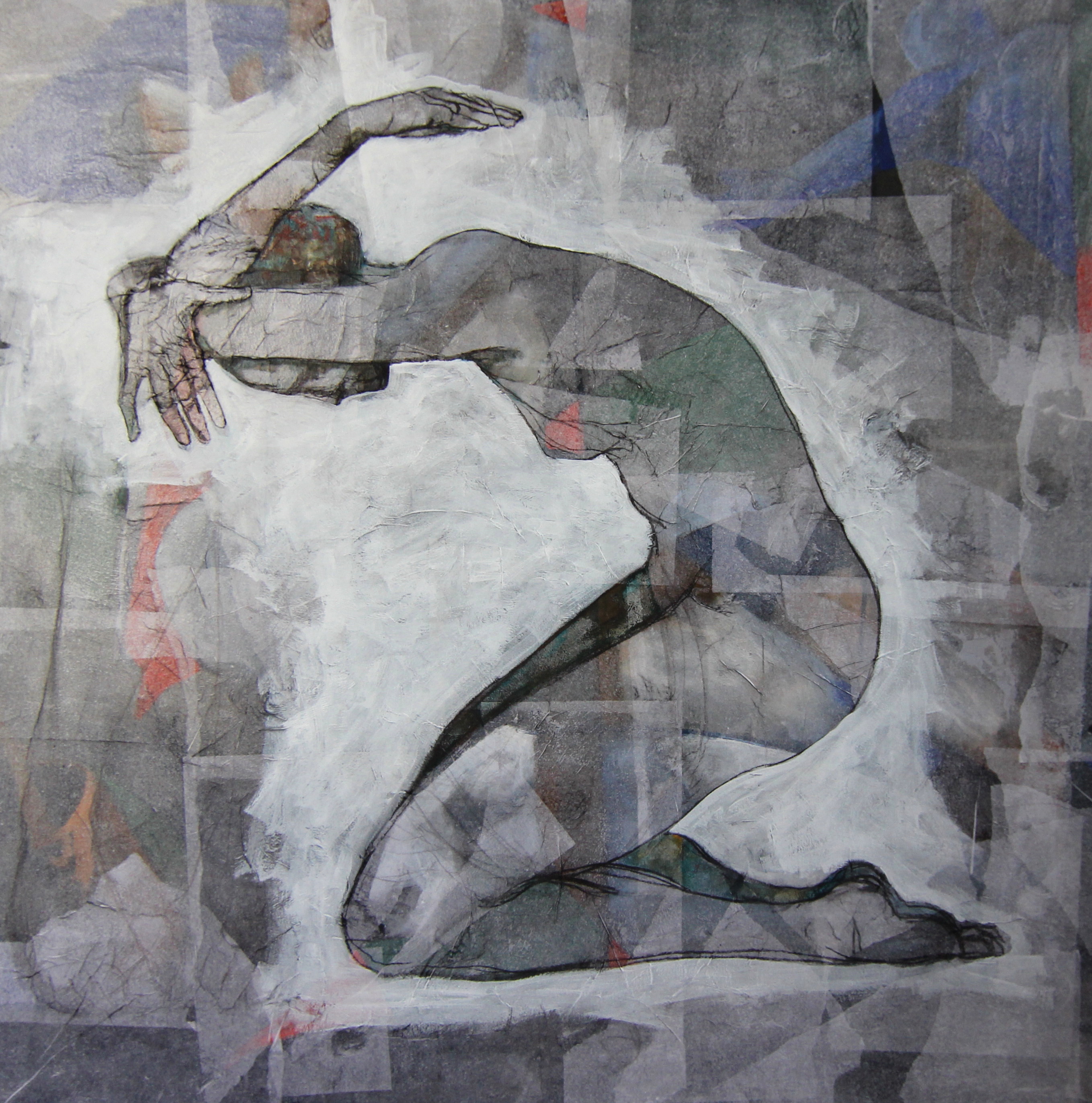
Yoga Series 7Go here for fine art prints of my yoga series (and more).