

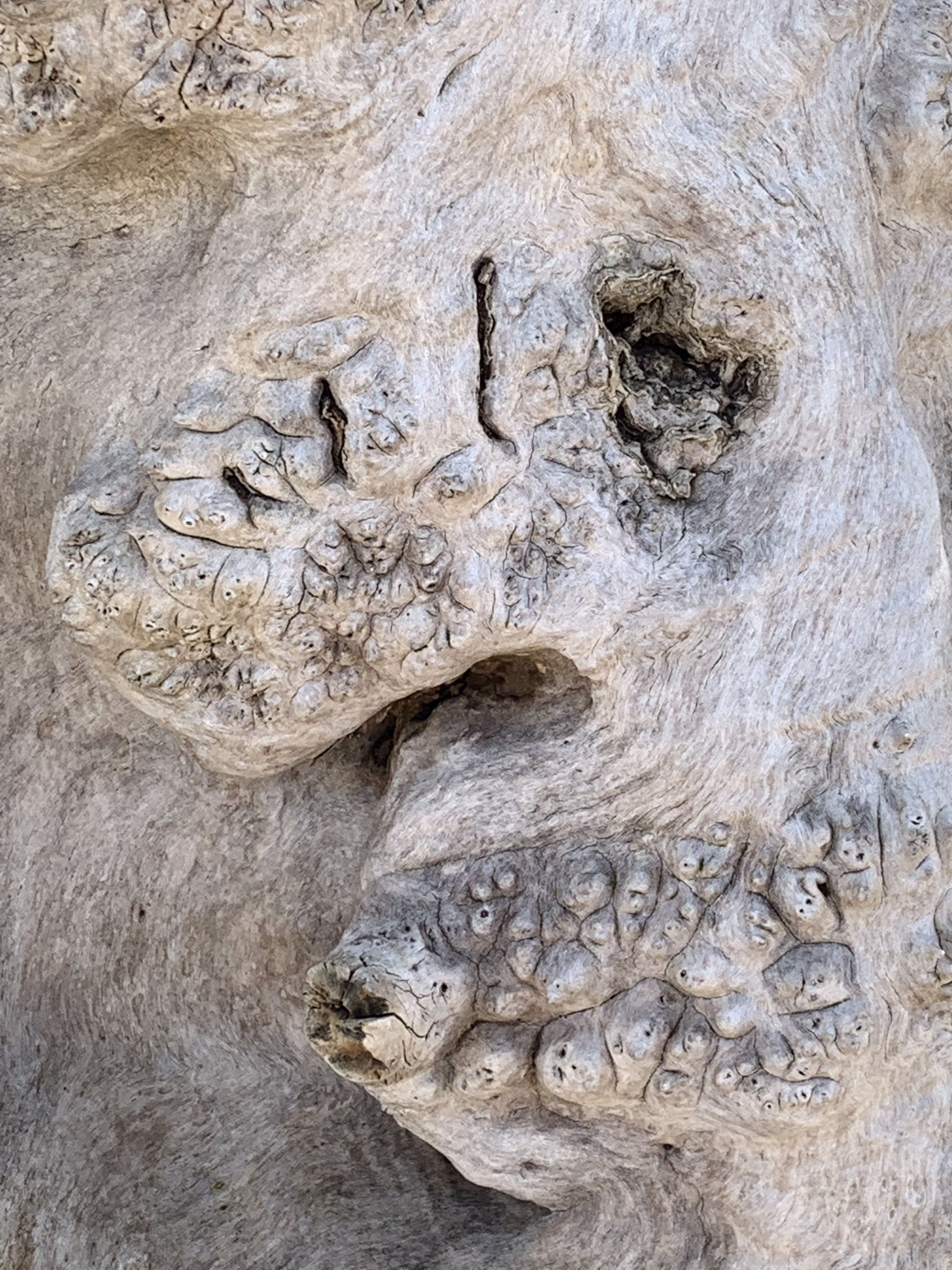
“A tree is not made of wood, it is wood.” ~ Alan Watts, The Watercourse Way
Language is powerful. It’s a drum I have beat for a long time, the notion that we insist that the narratives we wrap around ourselves are somehow “reality.” We are told that 50% of Russians believe the hell wrought on the Ukraine is merely propaganda. A made-up story. Not true. It is the narrative they are fed and, in order to eat it, they must ignore any evidence to the contrary. Their economy crumbles. The ruble falls. How could they not see it? Don’t laugh. 40% of USAmericans still believe the last presidential election was stolen, a plausible story only if wearing blinders with fingers placed firmly in ears. Burying your head in the sand is not a Russian or American trait, it’s uniquely human. We see what we believe, not the other way around. Our language makes it so.
Years ago I read that the word “wild” could only come from a people who believe all things must be tamed. Wild makes no sense without the concept of tame. Wild, bad. Tamed, good. So, a people afraid of their own “nature” must become tamers. A people who think “nature” not only can be but must be managed. To be “above” it all, in charge and atop the pyramid, giver of names. It is the necessary narrative for such tamers of the wild, those who story their very nature as corrupt. Tamed, good. Above it all. Separate. Is it any wonder the intrinsically conflicted human world rarely embraces peace? Our narrative leads us to believe, amidst so much inner and, therefore, outer conflict, peace is something to be created because we are naturally conflicted. What else?
Where, exactly, does wild end and tame begin? Where’s the line that delineates nature from civilization? What if nature is neither good nor bad? What if your nature was neither good nor bad? Perhaps self-love would be within reach and, as a natural extension, the love of others, too. It’s an alternative narrative though not possible in a belief-story that fears the wild. Wholeness begins with a step off the pedestal.
It’s in the language. Somehow separate from the world in which we live, not “in” nature or “of” nature , we are deluded to believe we are made of different stuff. Above it. Divinely manufactured. Made.
Manufactured. Made. Trees made of wood.
And, just what are we made of? I guess it depends on the story we decide to tell. Wild stuff.
read Kerri’s blogpost about TREES

Filed under: Language, Metaphor, Random, Seeing, Story, Two Artists Tuesday | Tagged: alan watts, artistry, conflict, david robinson, davidrobinsoncreative.com, inner conflict, Kerri Sherwood, kerri sherwood itunes, kerrianddavid.com, kerrisherwood.com, language, narrative, nature, peace, propaganda, self worth, self-love, sense making, separate, story, studio melange, tame, the melange, unity, Watercourse Way, whole, wild | Leave a comment »





 The Direction of Intention