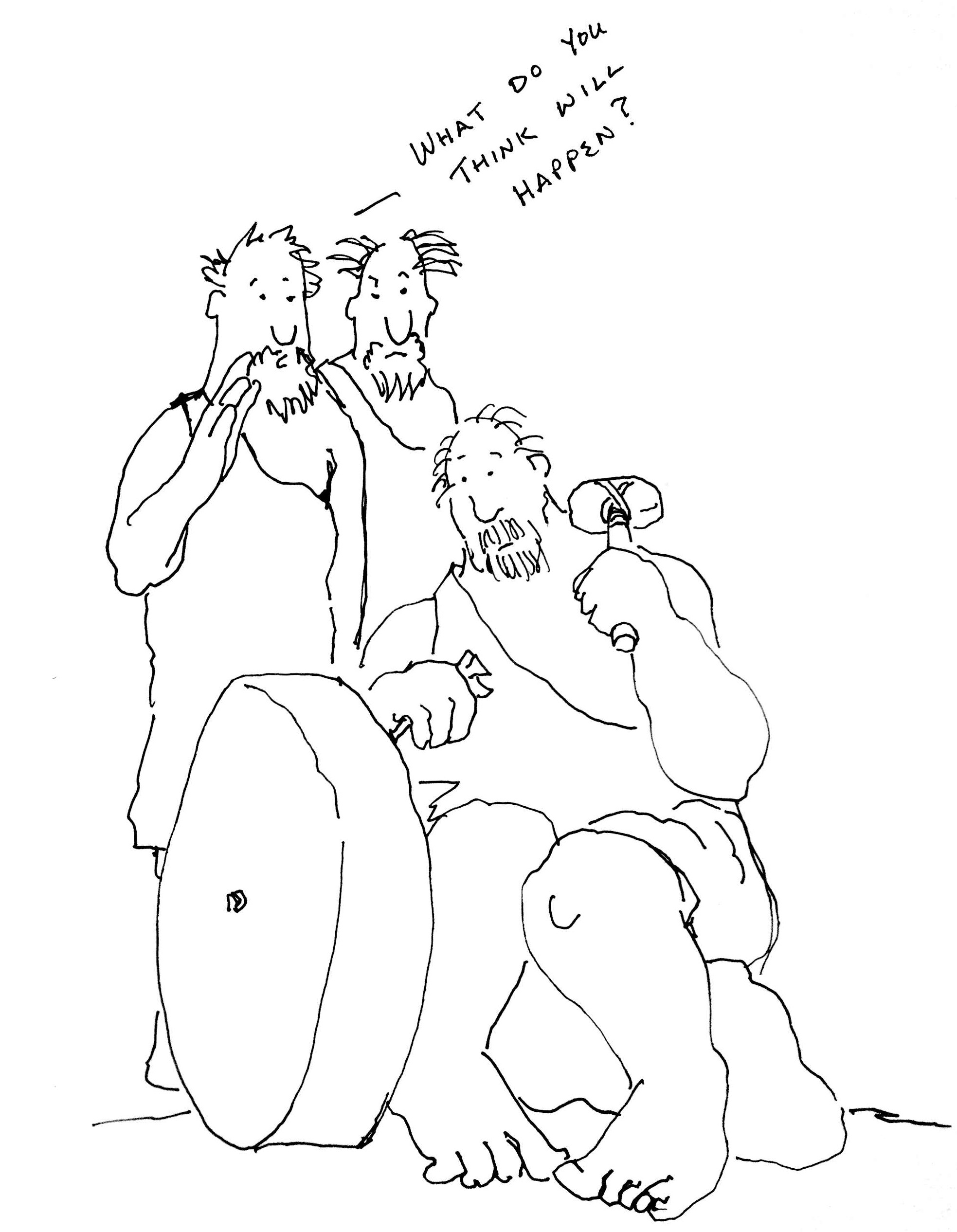
Taking a walk with K.Dot and Dog-Dog
Stay with me. This post is not nearly as curmudgeonly as it might first appear.
Many years ago I was directing a play in Santa Fe. It was the week before Halloween and I went into a coffee house. I was taken aback to find the place decked out for Christmas. Since then I’ve kept a running count of the first day in the fall that I see Christmas appear in the shops. As you might have guessed, it is earlier and earlier every year. This year’s arrival date: October 3rd.
I laughed out loud this Thanksgiving season when I heard an advertiser shout that, this year, Black Friday begins on the Monday before Thanksgiving. The whole week is black! Mark my words, next year Black Friday will begin on the Friday before Black Friday. Soon, the month of November will be decked in black while also decking the halls.
As has become our national custom, the midterm elections began the day after the last Presidential campaign and the new Presidential campaign began the day after the midterms. Are we never out of an election cycle (a rhetorical question)? It is the only example I can cite in which politics is running ahead of the rest of the advertisers.
I’ve not had a television for a few years so I’m a bit behind the wheels of progress. This morning, as we made pies, we turned on the Thanksgiving Day parade and I was wide-eyed with wonder that the entire affair is now a not-so-veiled advertisement for products, television shows, and musicals on Broadway. Along with each float came a cut-away commercial for the sponsoring company (I learned how to bake a lot of new desserts and was prompted more than once to rush out and get the ingredients NOW). Even the shots of Al-in-the-crowd were interviews, not with the crowd, but with celebrities; I heard when their show airs, and learned what their character might eat on this holiday and be grateful for if they were not imaginary. I was also prompted to text the network and tell them what I might be grateful for so that I might feel a sense of participation.
Take a step back. There is so much noise. There are so many competitors for our attention. I read that our attention spans are shrinking and how could they not shrink (or flee into hiding) under such an unceasing assault. Apparently with a shorter attention span it takes longer and longer to get our attention. I can’t help but think it is all stuffing and no bird.
Each year I work with people actively seeking for meaning or purpose. They tell me that something is missing in their lives. The pattern is to purchase-for-fulfillment but commerce makes for a lousy core and inevitably shows its true colors as a temporary numbing agent or distraction. And that’s the point. Seekers cease seeking when they learn where to place their attention. They step out of the noise cycle. Instead of navigating the noise they simply turn it off and take a walk or a nap. Instead of texting the network they look at their loved ones and say, “Let’s make a pie.”

Filed under: Awakening, Truly Powerful People | Tagged: attention, meaning making, paying attention, presence, silence | Leave a comment »