


Tonight, as we near the day of clover, the celebration of St. Patrick’s snake dance, we will make corned beef and cabbage for our weekly dinner with 20. There will be Guinness, too. The snakes in the story, by-the-way, are symbolic. There were no actual snakes in the region. Remember, as I will when tipping my Guinness, it’s a religious holiday though, through the advent of Guinness, pagans like me can play, too.
One of my favorite things about human beings is how blind they are to their natural curiosity. For instance, read the wikipedia entry for four-leaf clover! There’s layers and layers of data on the odds of finding a four-leaf clover. Sometimes curiosity looks like study. Sometimes it looks like science. Or engineering. It’s one of my least favorite things about human beings: we can kill the spark, snuff the magic of the curious story-telling-mind, by how we tell the story.
Believe the snakes are literal and you miss the point of the story and misunderstand the reason for the holiday. The same is true with arks filled with animals and the Red Sea parting. Metaphors made literal: the apple remains uneaten. Knowledge dies on the vine.
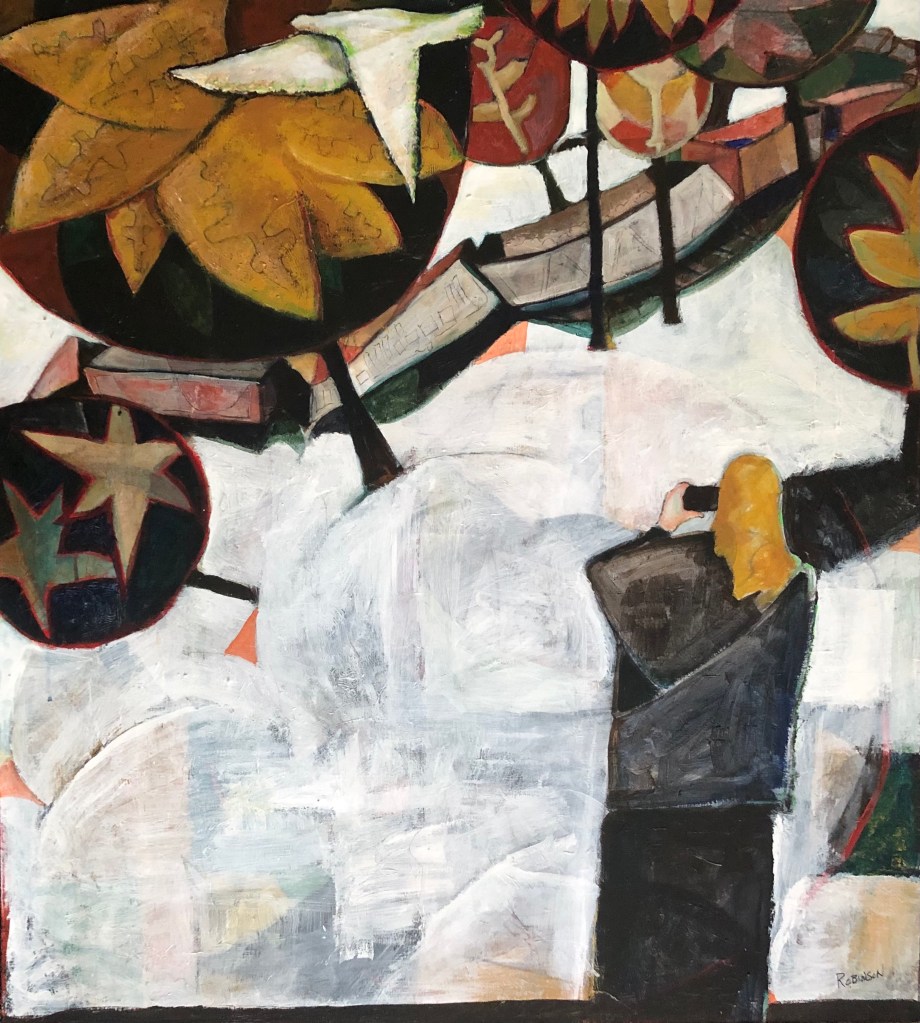
Symbols open stories. Symbols make the story universal which is impressive if you stop and think about it. How can two people, living in two different cultures, who don’t share a common language, understand in-a-flash the same idea? Symbol. Metaphor. Heart openers. Mind expanders. Experience joiners.
In the epic of Saint Patrick, as a pagan I’d be one of the metaphoric snakes driven into the sea.
And remember, the data suggests that for every ten thousand three-leaf clover that you spy, you’ll find one stem with four. A symbol of good luck, no matter what the data suggests.
read Kerri’s blogpost about CLOVER

like. share. subscribe. support. comment. (thank you)

Filed under: DR Thursday, Metaphor | Tagged: artistry, corned beef, creative mind, david robinson, davidrobinsoncreative.com, four leaf clover, good luck, Guinness, heart opening, Ireland, Irish, Kerri Sherwood, kerri sherwood itunes, kerrianddavid.com, kerrisherwood.com, knowledge, literal, metaphor, metaphors, pagan, snakes, St. Patrick's Day, story, studio melange, symbol, the melange | 1 Comment »





 The Direction of Intention