

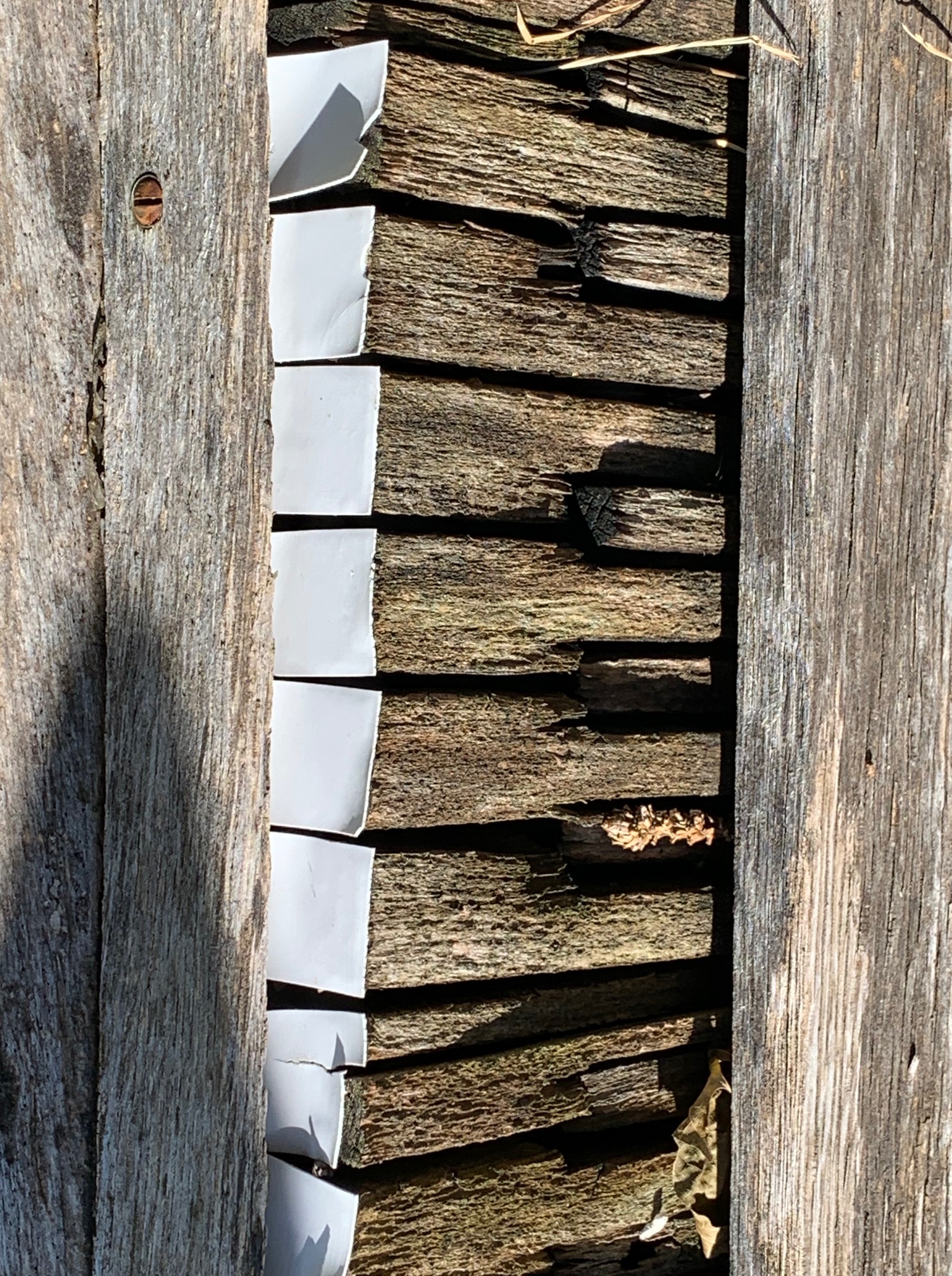
It was common during coaching calls, for clients, especially at the beginning, to self-diagnose. Essentially saying, “This is what is wrong with me.” It was an odd start to a process that is about fulfillment of intention or creation of desire. A coaching relationship isn’t therapy and a good coach – one that knows what they are doing – is careful not to let the relationship become about fixing-what-is-wrong. Moving through a creative block or clarifying a fuzzy vision in not an indication of a character flaw. The post-it note on my desk read, “Nothing is broken. Nothing needs to be fixed.”
The self-diagnosis was a veneer. A protective layer, like armor. People have innumerable strategies for hiding their fire, for blunting their passions. Succeeding or creating often implies exposure. Being seen. Stepping into the light can be scary business.
Rather than deal with the diagnosis, a useful and often surprising question to ask is, “What’s beneath that?” What’s beneath the protective layer?
It was also common, after taking the time to take off the armor, after dropping the I’m-broken-veneer, to hear a voice whisper, “You know what I really want? I want to be a writer.” Or a painter. Or a dancer. Stepping into the light is scary business and hearing your voice say what you really want, even in a whisper – especially in a whisper – is powerful stuff!
I loved those moments. Their world spins. The eddy of “fixing” slips into the current and there’s no turning back. Their path forward may be gnarly and steep but that tiny whisper clarifies the picture, releases the desire.
Careful not to be too effusive, I’d say, “Good. Now, what’s the next step?”
Kerri’s albums are available on iTunes or streaming on Pandora
read Kerri’s blogpost on VENEER

holding on/letting go on the album right now © 2010 kerri sherwood
Filed under: Creativity, Identity, KS Friday | Tagged: armor, artistry, coaching, creation, dancer, david robinson, davidrobinsoncreative.com, desire, goal, intention, Kerri Sherwood, kerri sherwood itunes, kerrianddavid.com, kerrisherwood.com, life coaching, masks, musician, painter, passion, story, studio melange, the melange, veneer, writer | 1 Comment »






 The Direction of Intention