

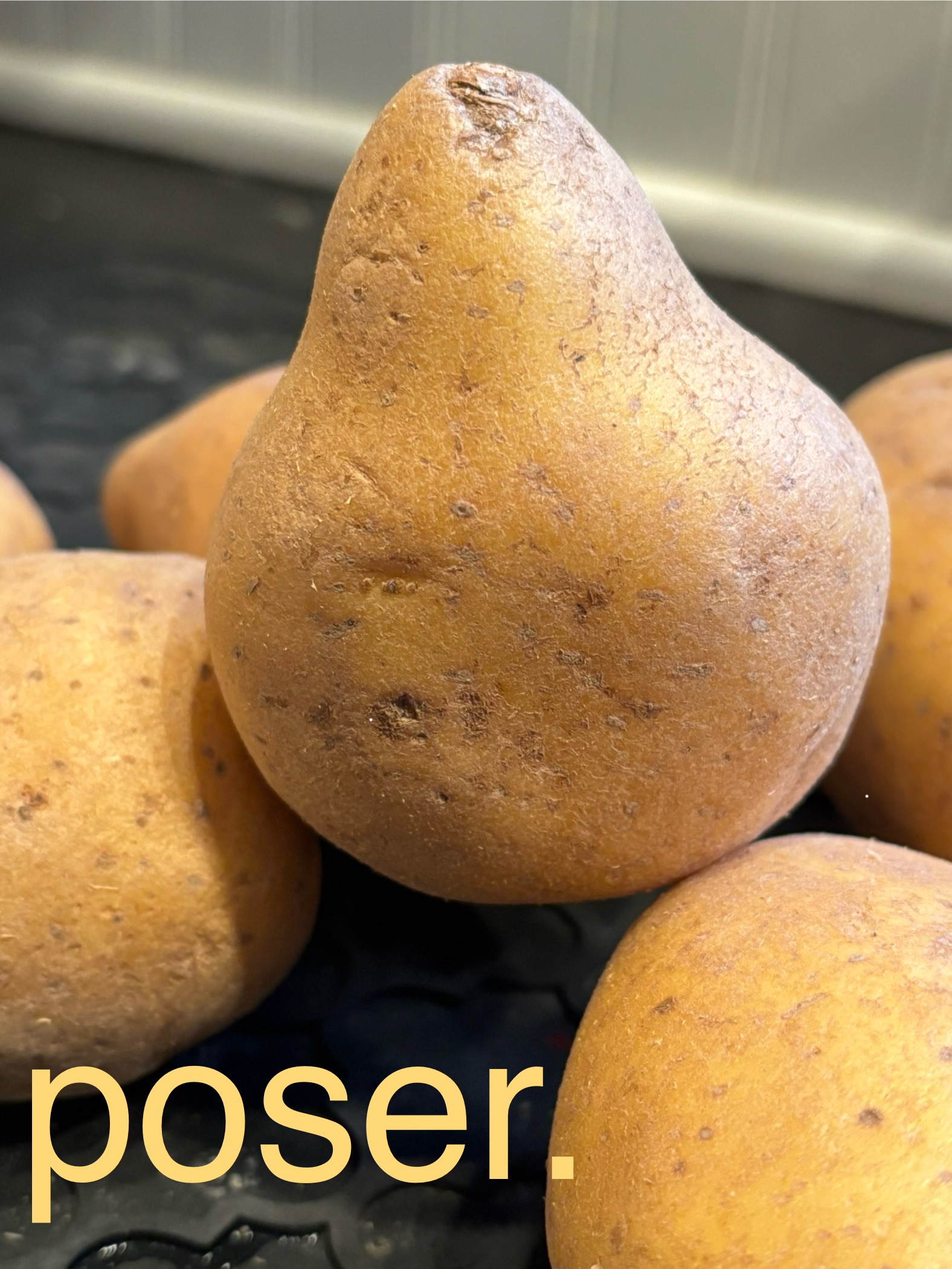
“Have patience with everything that remains unsolved in your heart….live in the question.” ~ Rainer Maria Rilke, Letters to a Young Poet
I just learned something new. There are two definitions of the word poser. The first is familiar: an exhibitionist, an attention-seeker. To varying degrees social media has made posers of us all. Self-publicists. Perhaps that is why our politicians grand-stand at every turn: negative attention is still attention. Substance is no longer a requirement for dominating the news cycle. Every relationship a transaction.
The second definition took me by surprise: a difficult or perplexing problem. A brain-teaser. A riddle. An enigma.
It invoked the obvious statement: The current circus of political posers poses a real poser!
It’s a knotty problem. Vexed. A tough one to crack. Bad behavior, outrageous statements, outright lies… garner the attention, capture the media. The spotlight swings to the most despicable, the greatest train wreck, and since ratings-are-the-game, since “likes” are the prize, is it any wonder that we are on a fast track to the vapid bottom?
Truth, generosity, courtesy…are not the actions of a poser. Since they are their own reward, people who value these actions do not seek the spotlight. And, since the people who value these actions are generally focused on benefiting others – a surprisingly simple intention – they are not difficult to understand. Kindness is never a mystery. Good deeds are rarely puzzles. They are never transactions.
The poser-in-chief intends to eliminate all-things-woke and he needs to in order to achieve his transactional goals. Lies cannot stand up to truth. Meanness is laid bare when next to generosity. Common courtesy exposes the poser. Care for others throws a harsh light on our current national trajectory. Care for others must be vilified and removed if his authoritarian aims are to be successful.
What to do with this poser and his tribe of posers? It’s a real poser for we woke lovers of democracy and stewards of the tradition: of the people, by the people and for the people. It’s a tough one, a real stumper. And there is no better question – no more important question – for us to live-in, to ask in earnest so that, “…this nation, under God, shall have a new birth of freedom and that government of the people, by the people, for the people, shall not perish from the earth” ~ President Abraham Lincoln, The Gettysburg Address, November 19, 1863
read Kerri’s blogpost about POSERS
likesharesupportsubscribecommentbekindtoothers…thankyou.

Filed under: Flawed Wednesday, Identity, Language, Perspective | Tagged: Abraham Lincoln, artistry, common courtesy, david robinson, davidrobinsoncreative.com, freedom, generosity, government, Kerri Sherwood, kerri sherwood itunes, kerrianddavid.com, kerrisherwood.com, kindness, poser, Rainier Maria Rilke, service, story, studio melange, the melange, truth | 1 Comment »




 The Direction of Intention