

“There are people who prefer to say ‘yes’ and there are people who prefer to say ‘no’. Those who say ‘yes’ are rewarded by the adventures they have. Those who say ‘no’ are rewarded by the safety they attain.” ~ Keith Johnstone
A violent storm blew through so we spent the night hunkered down in the basement. We had very little sleep. Sleeplessness always leads me to moralize and for that, I apologize.
A frame of reference is a powerful thing. Experiences are interpreted through a frame of assumptions. We are witness to a time in which verifiable reality is denied because it doesn’t jive with the tribal frame.
Master Marsh passed along this quote from E.O. Wilson’s Sociobiology: “(Humankind) would rather believe than know.”
Knowledge often challenges the frame. That is the point of knowledge. Growth. And growth is always a challenge to what was formerly believed possible.
It is somehow easier to lapse into a conspiracy theory, demonize an other, deny what is indisputable, than it is to allow that the frame is just that, a frame. It’s not a truth. It’s a context. It’s a binding agent. Culture is a frame of reference. Religion is a frame of reference. What we believe of ourselves is not a fact. Identity is a frame of reference. Democracy is a frame of reference. Autocracy is a frame of reference. Supremacy is a frame. Equality is a frame. Every-man-for-himself is a frame. Brother-and-Sister’s-keeper is a frame.
None are truth. Frames are creations. Agreements. Aspirations.
Frames that allow for challenges, for growth, are sustainable. Those that do not, those that deny insight, fact, data, new knowledge, those that are threatened by opposing-point-of-view, inevitably collapse in their denial.
The fire burns. A garden hose is not an effective defense, regardless of belief. Temperatures rise relative to emissions. Rain forests disappear. A lie undermines the foundations of democracy. Believe it or not. Harry Truman sat in his cabin nestled into the mountain called St Helens. Despite repeated appeals from fleeing neighbors, repeated rumbles and tremors, warnings from scientists and safety personnel, he believed he would be safe, that his mountain would never erupt. Traces of Harry have never been found.
So it goes with the denial of believers. Frames held too tightly blind rather than reveal.
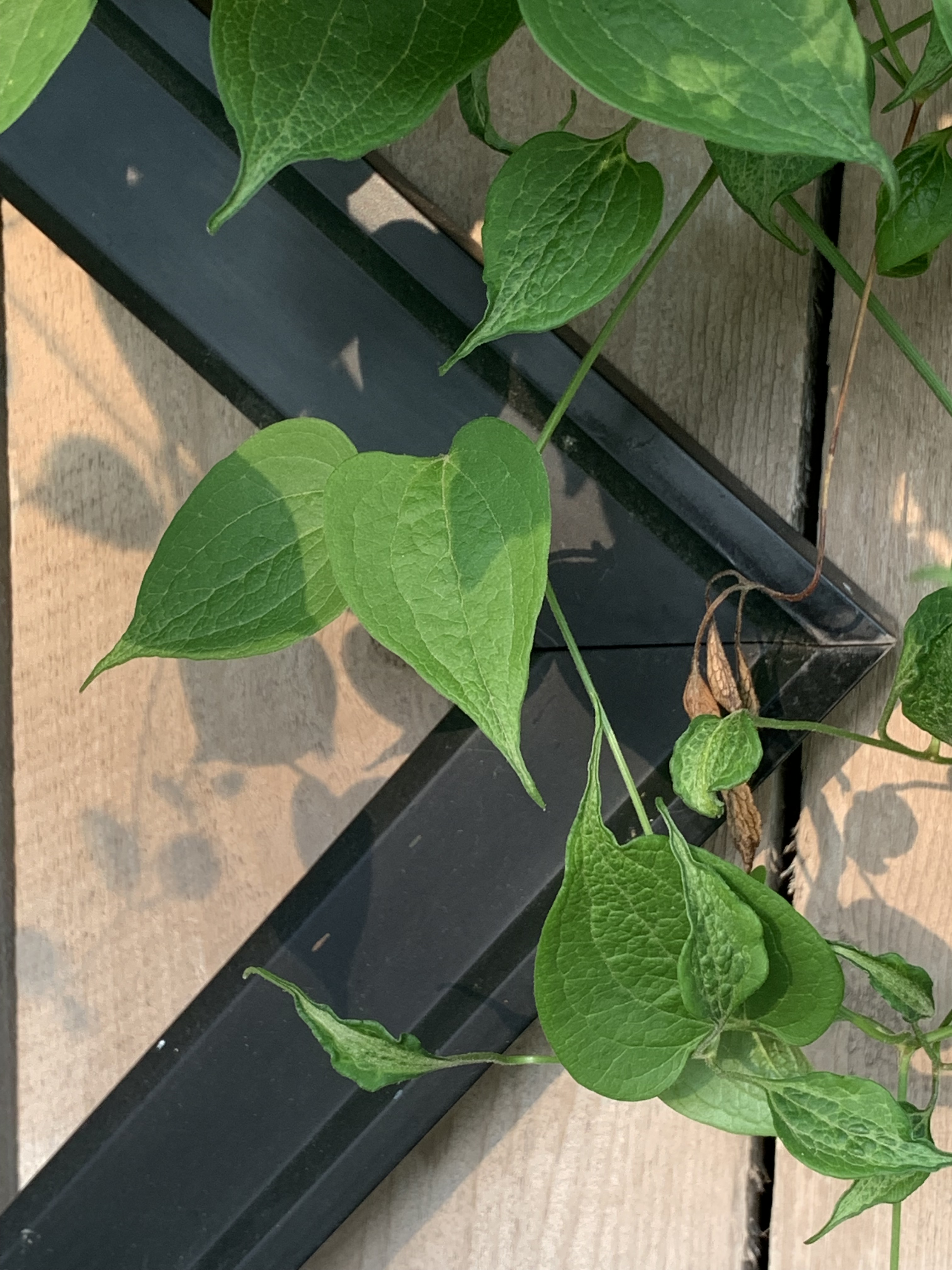
Every artist knows the transformative power of a frame. A frame can make almost any scribble look substantial. A cheap frame can diminish the greatest masterpiece.
New knowledge meets an old frame. Growth or entrenchment? Blind acceptance or emerging possibility? Yes? No? Both?
read Kerri’s blog post about FRAMES


held in grace: surrender now ©️ 2016 david robinson
Filed under: DR Thursday, Identity, Pattern, Perspective, Seeing | Tagged: agreements, artistry, autocracy, culture, data, david robinson, davidrobinsoncreative.com, democracy, denial, E.O. Wilson, fact, frame of reference, frames, growth, insight, Keith Johnstone, Kerri Sherwood, kerri sherwood itunes, kerrianddavid.com, kerrisherwood.com, meaning making, religion, story, studio melange | Leave a comment »




 The Direction of Intention