Cheer The Artist [on Merely A Thought Monday]

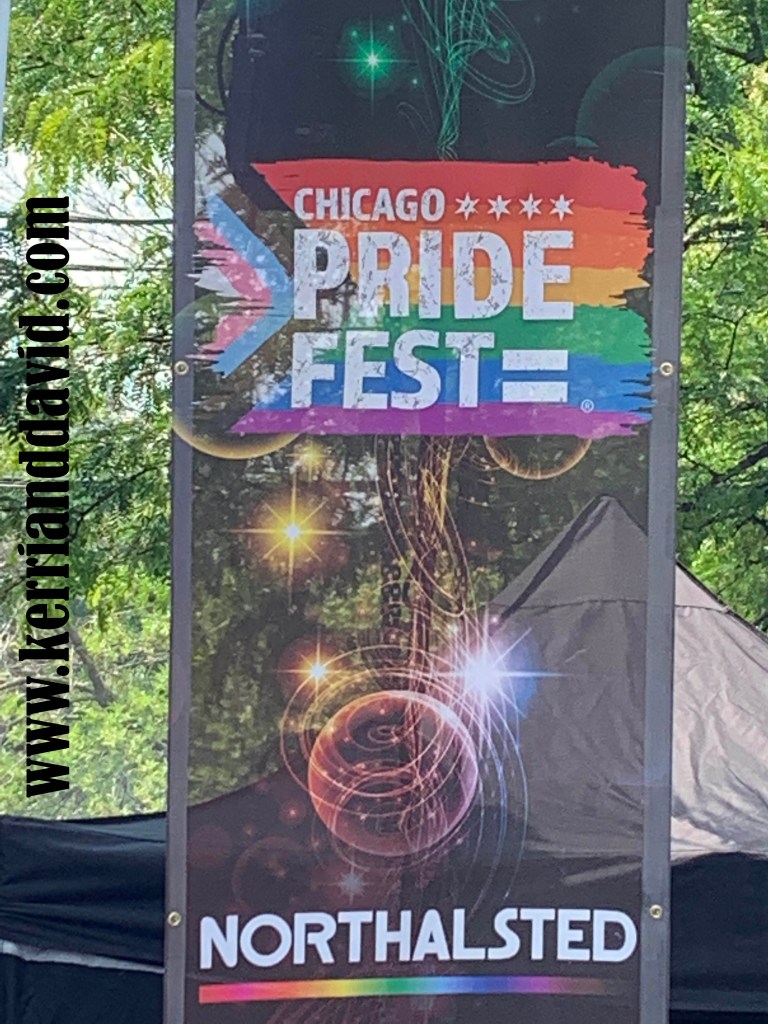
Even with our earplugs, the music was loud. Our son was the artist on stage, his spontaneous composition making movement irresistible. We danced. The crowd whirled and cheered. I was proud. It was the first time we’d seen him perform live. He was fully in his element. This is what he is supposed to do: Make music that sets people free.

In our current world I can imagine nothing more potent or necessary. I wish his music might reach into the cold heart of Texas, dispel the manufactured fears of Florida. I hope his music rattles the foundations of the tightly held and airless “norm”. It is imaginary. Norm depends upon where you stand and, last I knew, there were many places to choose – all of them central to one. I will cheer on the day that his music pierces the veil of man-made-ugly-and-exclusive rules that are attributed to one angry god or another.

The best artists practicing the best of their artistry erase boundaries and lead people into their shared, common center: a place called love. It’s a boundless place, a place where people celebrate each other, where people dance for the joy of being alive, for the deep appreciation of being-just-who-they-are: unique in all the universe.

I saw it this weekend. Of the artist and the bountiful revelers I can truly say I am Proud.

read Kerri’s blogpost about PROUD
Make It So

Pasta. Meat sauce. Warm Bread. Wine.

Pasta. Arugula salad. Wine.

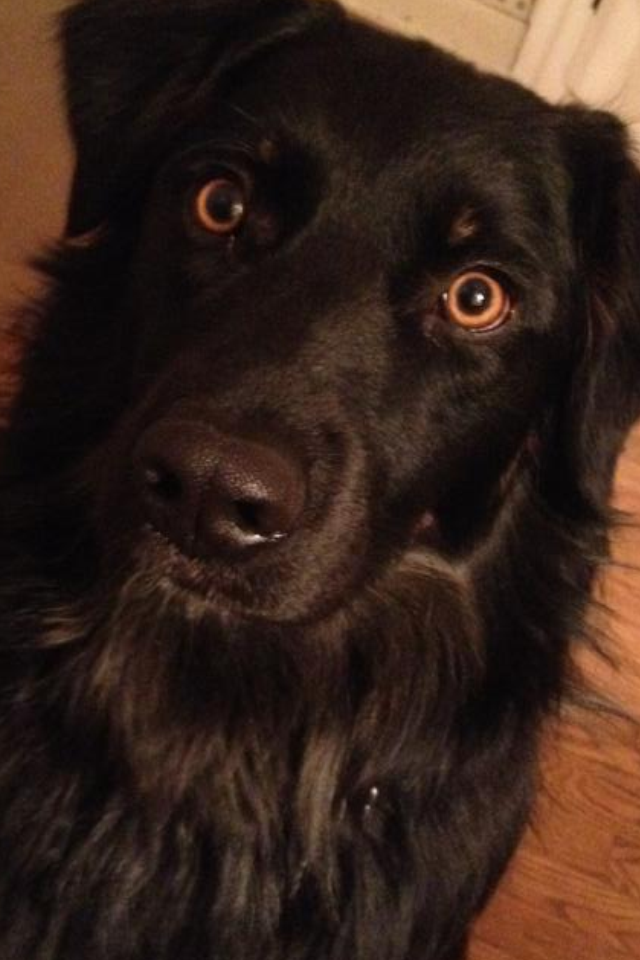
Tripper Dog-Dog-Dog knows the world through his nose. He sniffs everything. It is not uncommon after we finish a meal to come face-to-muzzle with a scent-curious Dog-Dog. Lately, as the objects of his sniffer, we’re given to staring into his amber eyes and offering the menu, saying something like, “Pasta. Arugula salad. Red wine,” or “English muffin. Peanut butter with black cherry jam. Banana. Coffee.” Satisfied with our description, he moves on to the next smell-enticing investigation.

I delight in our Dog-Dog food reports. They’ve become commonplace and matter of fact; “Chocolate chip cookie. Espresso.” Our reports never contain qualifiers, so, for instance, we never say, “A great chocolate chip cookie. Delicious espresso.” We provide the minimum, the noun.

Our Dog-Dog reports have rekindled an age-old fascination of mine: the power of words, specifically, the enormous power of the labels we attach to our experiences.

Language is a sword that cuts both ways. It can liberate and it can imprison. The difference is in how it is used. Language is the primary tool we use to make meaning. Big magic happens the day a person realizes that meaning is not something that is found, rather, it is something that is given and it is given the moment we apply a word-label to an experience. Nothing is good/bad, hard/easy until our label makes it so.

Applying a label to an experience is an act of creation. It is not passive. Take note of the word-judgments you apply to yourself or to others. For a week make a game of flipping them over and applying the label “beautiful” to where you usually apply a judgment. So, for instance, instead of, “I am fat,” why not say to your self, “I am beautiful.” Both are labels. One imprisons while the other liberates. The difference is a single word.

The label determines the possibilities we see (or don’t see). In a past life I used to facilitate organizational change and I came understand that my role was to help my clients ask better questions (use different language). They always came to the table with a “how” question: how do we change without feeling any discomfort? Response: what might you see if you stopped pre-labeling what you might feel as “discomfort?”

The mantra: have the experience first, make meaning second. And then, recognize the great capacity and opportunity you have to make meaning. Why not make a better meaning? Why not take a step and let it be a step merely?

Try this: do the Dog-Dog and, for one week, eliminate the qualifiers so that nothing is good or bad or right or wrong. It just is because you choose to make it so.

Move Beyond Belief

717. Join me in inspiring truly powerful people. Each day I will add a new thought, story or idea to support your quest and mine.

Judy (She-Whom-I Revere) liked my post about geese and sent this addition to me: the collective pronouns for geese are: ‘blizzard’, ‘chevron’, ‘knot’, ‘plump’ and ‘string’ of geese. I agree with Judy, I think I like ‘blizzard’ the best. Someday in idle party chat I would like to say, “Recently, I was caught in a blizzard of geese!” I would have been confused by the pronoun ‘blizzard’ as it applies to geese had I not seen them en masse the other day. My experience opened my eyes to wonder.

Words have the capacity to both imprison us and to set us free. Words are used in an attempt to describe the indescribable as the poems of Rumi attempt to do, or they can box us in, cage us in a dedication of limitation. Daily in my coaching practice I hear some variation of “I can’t.”

Can and Can’t are two very powerful words because both have deep roots in imagination. One reaches while the other rejects. One steps toward the unknown while the other resists movement. Take a look around your home or your city. Everything you see or touch, turn-on or plug-in began with an imagining and an action all wrapped in the big arms of “I can….” The important thing to note about both Can and Can’t is that they have a counterintuitive association with belief. Can’t is firmly vested in it’s belief. Can’t leads with belief. The lack of belief in possibility is a firm belief in impossibility. Can has no need for belief. Can moves without belief. Can leads with exploration and discovery; belief, for Can, comes second, after the doing is done.

The same rule applies to almost all powerful words: those that imprison us are planted firmly in belief; they are arguments for limitation. Those words that liberate our imaginations are vested in possibility and exploration; for words like “can,” “imagine,” and “discovery,” belief is not necessary. Belief follows; belief comes second after experience and wonder.