


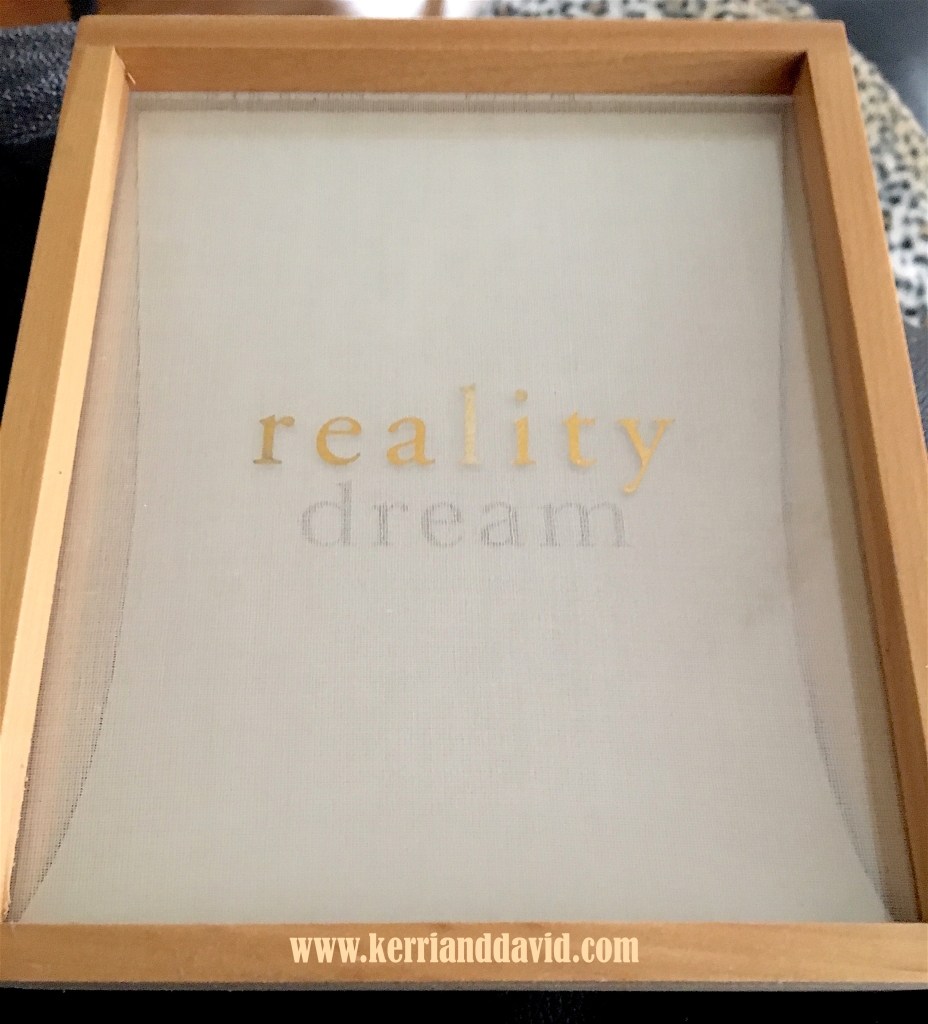
I awoke this morning with a line from Hamlet running through my mind: “There are more things on heaven and earth, Horatio, than are dreamt of in your philosophy.” What dream, what night-wander was I following that made me bob to the surface with a line from Hamlet as my first thought of the day?
Sometimes I use Google like I use the i-Ching. A divining tool. I called up the phrase from the mighty Google and read two opposing opinions of the meaning of the line. Of course. Divining tools generally cast a broad net. The first writer interpreted the line to mean that the human imagination has limits; there is so much that we don’t know and cannot yet imagined. The second interpretation was stated with absolute authority. This is what Shakespeare meant! “One must believe what he or she sees. Even if they previously did not think so, the real evidence should change their mind.”
Evidence or the limits of imagination? Evidence as the limiter of imagination? I was no closer to answering my dreamtime question but I was affirmed in the dynamic nature of perception and interpretation. What a great play!
Living as we now are, in the advent of A-I, one must not believe what he or she sees. I have no idea what Shakespeare meant – we never discussed it – but I am certain that what one sees is no longer evidence of anything. What one hears requires vetting. There are more things on heaven and earth than Shakespeare could have possibly imagined. Our world is beyond his dreaming or he might have suggested to Horatio that he must question everything he hears and challenge everything he sees.
And, about my dreamtime question? I’ll leave that, too, to Hamlet: “A dream itself is but a shadow.”
Kerri’s albums are available on iTunes and streaming on Pandora and iHeart Radio
read Kerri’s blogpost about THE NIGHT
like. comment. share. subscribe. support. thank you!

Filed under: KS Friday, Language, Random | Tagged: artistry, david robinson, davidrobinsoncreative.com, divining tool, dreams, dreamtime, Hamlet, I-Ching, imagination, interpretation, Kerri Sherwood, kerri sherwood itunes, kerrianddavid.com, kerrisherwood.com, night, night wander, shadows, shakespeare, story, studio melange, the melange, William Shakespeare | 1 Comment »






 The Direction of Intention