

Rob and I have been having a text conversation about AI. For him, an Orwellian curtain is descending. For me it’s a pattern: progress that pushes people into the unknown always ignites a kerfuffle.
Months ago Skip suggested that I jump into the dialogue raging around phrase engineering for AI. Basically, people learning better ways to ask the technology for more efficient and effective results. As a visual artist and a writer, he believed I might be able to stand with a foot in both evolving camps. Cross disciplines. I thought about it. Read everything I could find. I decided against. As an artist, someone who’s taken his artistry into the wilds of organizations, education, change initiatives, DEI, intercultural communication, coaching, software start-ups…a cross-pollinator – I’ve shouted my perceptions at the top of my lungs but rarely found ears that would or could listen. Why should an engineer listen to an artist? Why should a CEO give credence to a theatre artist? There are many many reasons. The notion of doing the same old thing in the same old way in a new context made me…tired.
What is a new way?
I’ve read that the mission of the industrial age was to create technology capable of sparing or lessening human physical labor. The mission of the information age is to create technology capable of sparing us from the rigors of thought. All in service of making life easier.
My last exchange with Rob led me back to Neil Postman’s short forward to his book Amusing Ourselves To Death. “Huxley feared we’d become a trivial culture…” Rereading the forward I thought, “Spot on”. Among the many upsides, having something or someone else think for you definitely has a downside.
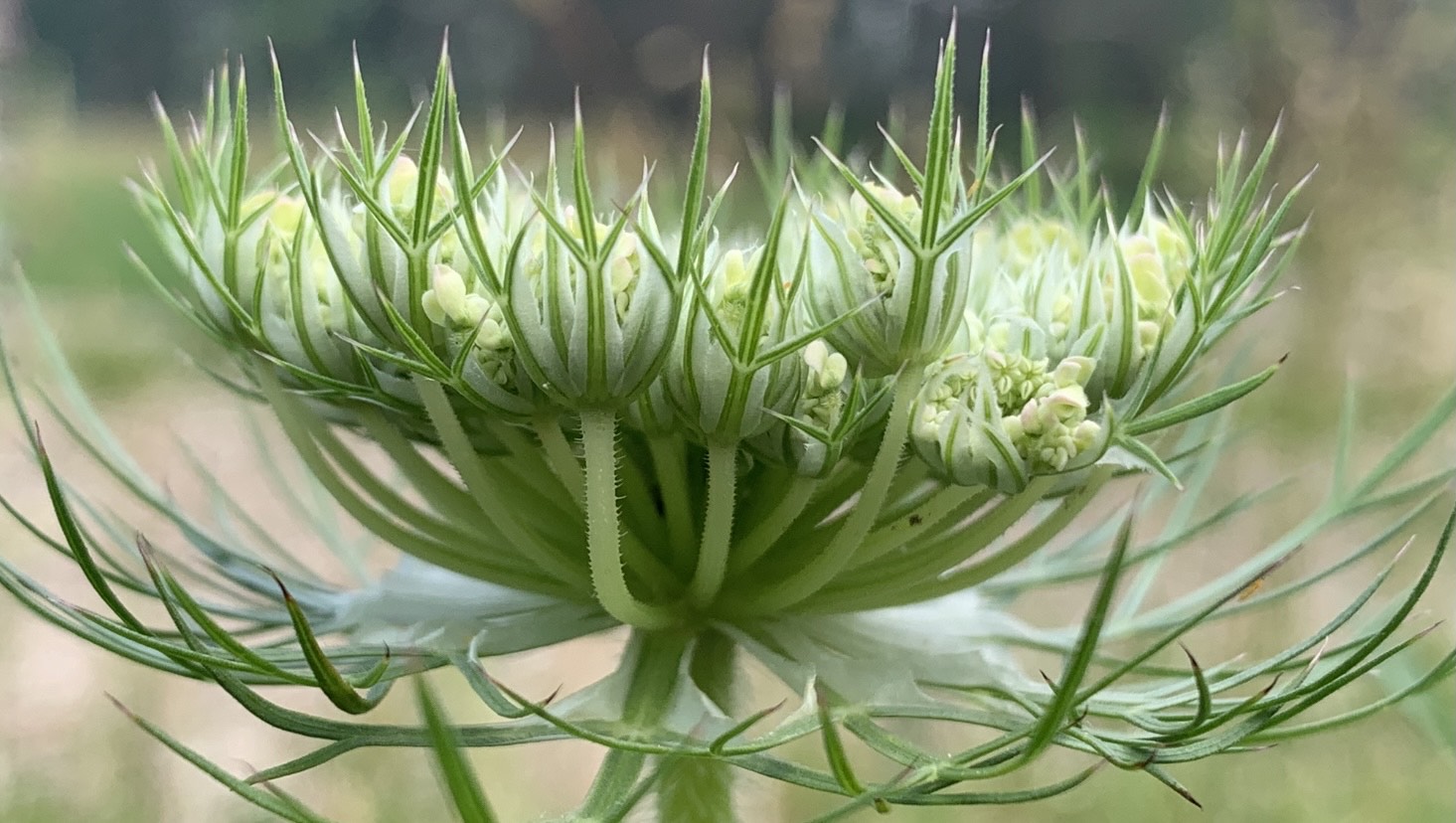
Perhaps our AI era will hold up a mirror so we might better see ourselves as part-of rather than separate-from. Perhaps all the space we gain in our brainpans, as we are spared the rigors of thought, will open new frontiers. It always has in the past. In a miracle of biomimicry, one of Skip’s creations in our start-up was a social network view: a visual of personal connectivity, an active map of all the people a user communicates with. The lines of connectivity were profoundly meaningful to me. The ability to see the thriving network active in my working life was a revelation. A pulsing flower, a wild carrot of interconnectivity. I appreciated my peers – my support system – in new ways because I could see them. My social network view made it undeniable: nothing I do, nothing I think, is independent of my community. We create.
Growth and learning is always in the direction of the unknown. Whether we realize it or not, even amidst the greatest kerfuffle, we take these bold steps together.
read Kerri’s blogpost about WILD CARROT

like it. share it. support it. comment on it. we appreciate it.

Filed under: Metaphor, Seeing, Two Artists Tuesday | Tagged: AI, Aldous Huxley, Amusing Ourselves to Death, artistry, biomimicry, connectivity, cross pollinator, culture, david robinson, davidrobinsoncreative.com, information age, Kerri Sherwood, kerri sherwood itunes, kerrianddavid.com, kerrisherwood.com, Neil Postman, Orwell, phrase engineering, social network, story, studio melange, technology, the melange | 4 Comments »





 The Direction of Intention