

Our latest late-night binge is Bad Hikers. An adorable young couple hiking the John Muir Trail. Never have two people hiked the JMT in such modtro style. Goth meets urban chic. They are at home in their style, comfortable in their bodies, so they are both unaffected and affected at the same time. Glimmers of Mad Max on the JMT. I love it. Their spirit inspires us.
William Blake is another in the canon of artists unrecognized during his lifetime but now considered a creative titan, one of the great artists of the Romantic era. His contemporaries thought he was crazy because he was not like them. He stood out and no amount of hammering would make him fit the mold.
In the dance between the conservative and the creative impulses, the conservative will always claim the safe ground, plant their flag in “normal.” Tradition. “We’ve always done it this way.” The creative will swim to the margins, climb to the tops of the mountains where they can see more clearly. “What’s over the next horizon?” All people are a mix of both impulses, conservative and creative. We dance between the poles.
One of the first lessons I learned in art school is that, in the western tradition, every era reacts against the previous standard (I laughed when it occurred to me that our tradition is to react against our tradition – no wonder we are always at war with ourselves!) Realists rise in response to the Romantics. Impressionism reacts to Realism. And on and on. The other side of that equation is that the artists are generally tuned into societal and technological advances. Picasso’s cubism and Einstein’s theory of relativity hit the world within a few months of each other. Reactivity holds hands with innovation.
And so it goes with clothes, too. To dress as is expected. To dress as a statement. To dress as is comfortable. To find your style. To define yourself within your era. Clothes are how we publicly locate ourselves relative to the two poles. “This is me!” We shop at the same stores, we buy the same brands, all to express our individuality relative to the expectation-of-the-day. Sometimes you find your style and sometimes it finds you. And, mostly, your style changes as you do. Tie-dye puts on a suit and tie.
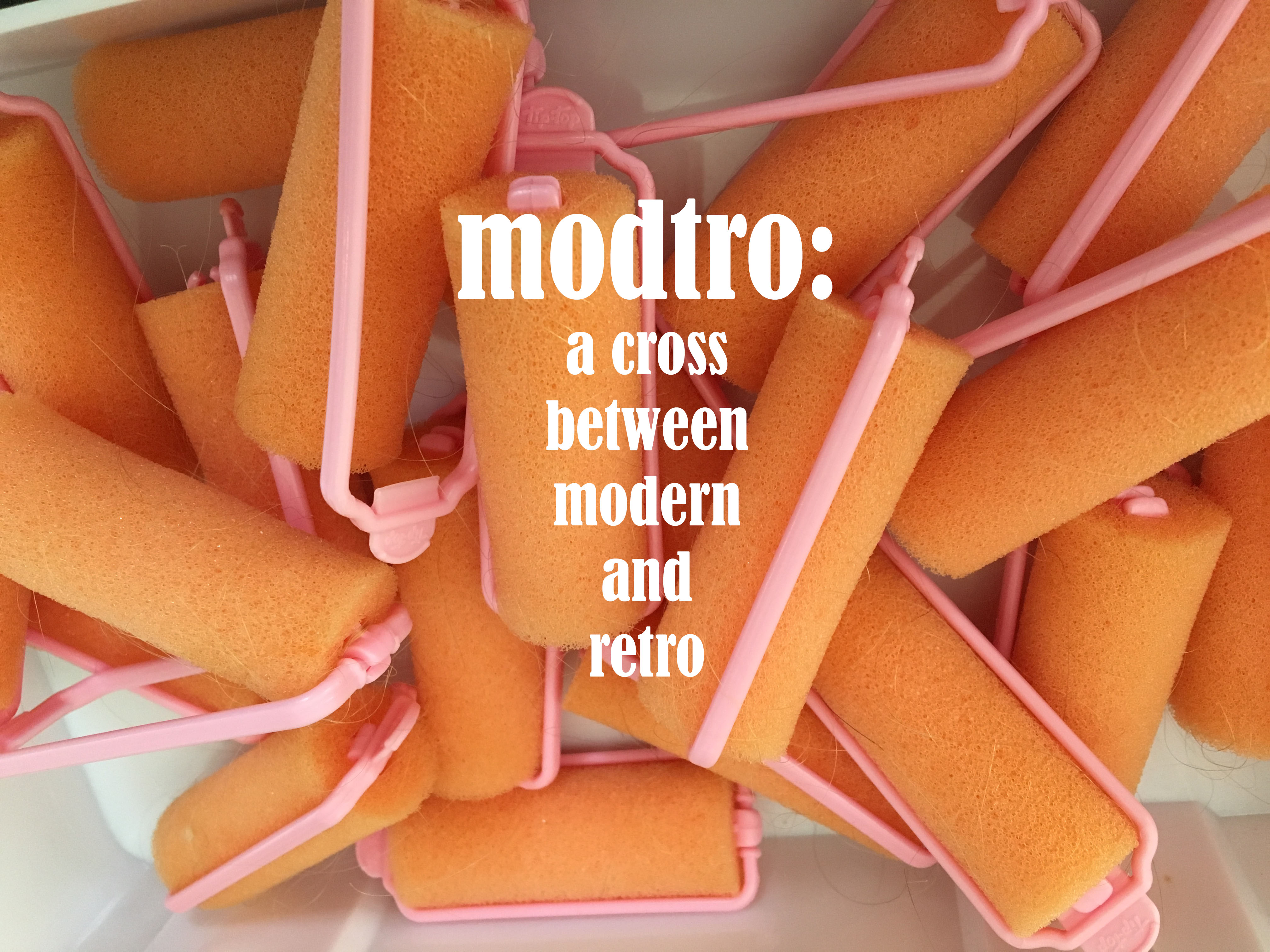
And so, this long and winding road brings me to a caution: do not, when you unearth the box of sponge curlers in your basement, exclaim as I did, “Oh my god! Who on earth ever used these things! Why do we have these in our house?” My laughter fizzled the moment I realized that the obvious answer was standing right next to me.
read Kerri’s blogpost about SPONGE CURLERS

Filed under: Art, Creativity, Identity, Merely A Thought Monday, Uncategorized | Tagged: advances, artistry, Bad Hikers, clothes, clothing, conservative impulse, creative impulse, david robinson, davidrobinsoncreative.com, innovation, JMT, Kerri Sherwood, kerri sherwood itunes, kerrianddavid.com, kerrisherwood.com, modern, polarity, Reaction, retro, Romantic era, sponge curlers, story, studio melange, style, tech advances, the melange, tradition, William Blake | Leave a comment »
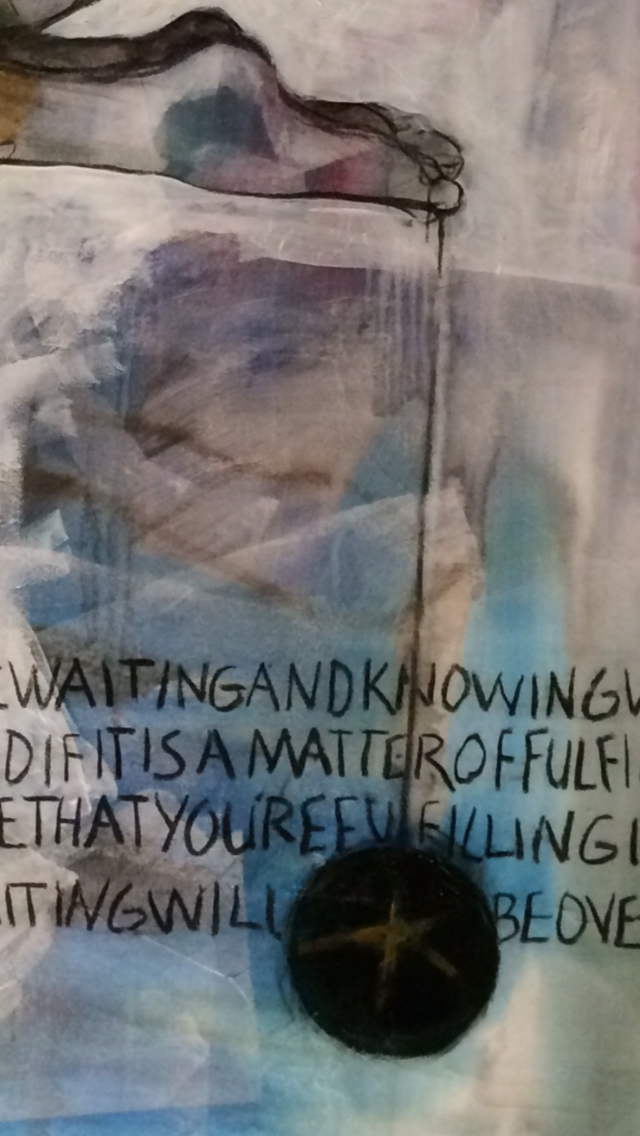
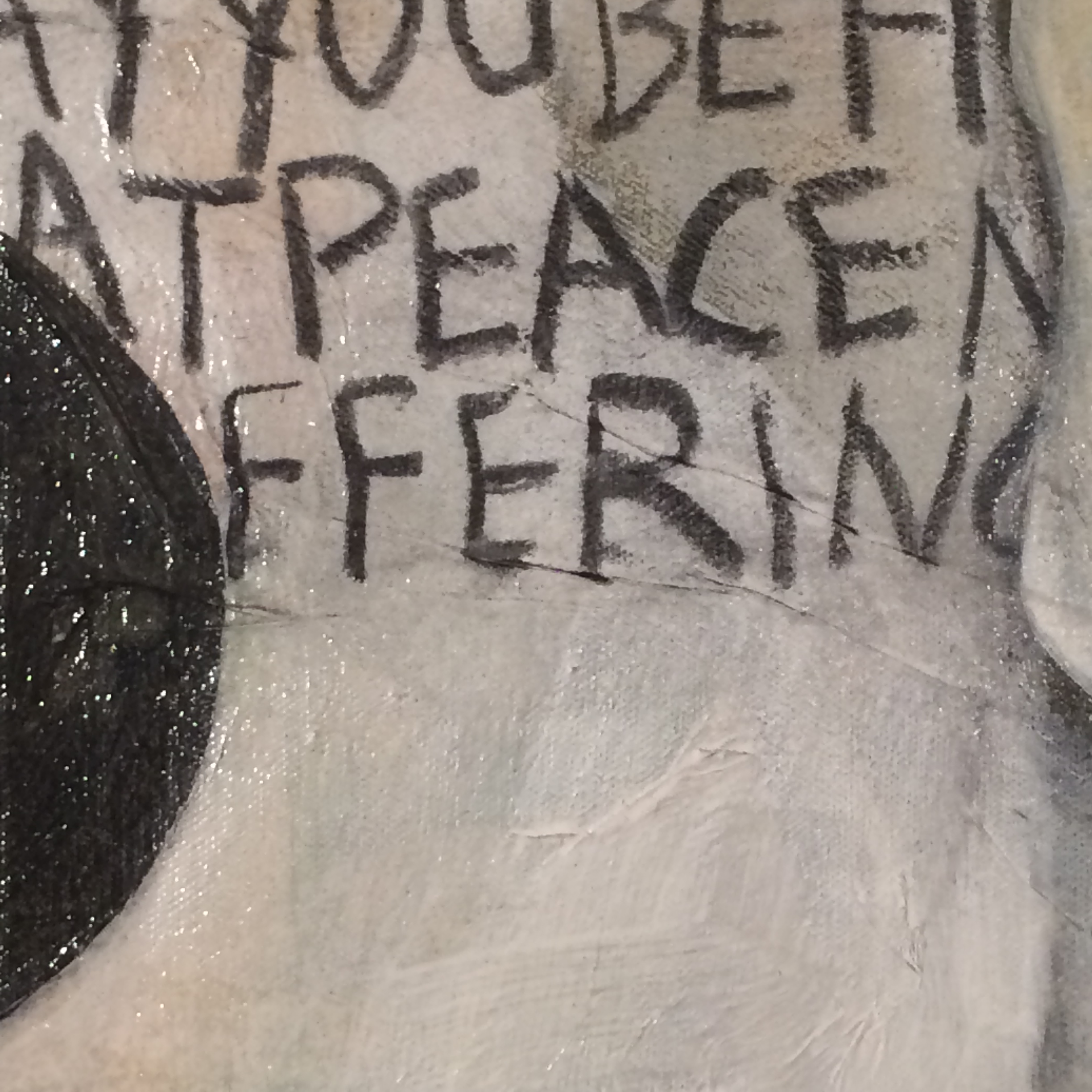




 The Direction of Intention